
Stop wasting water on a useless lawn and start growing something incredible.

Grass lawns were once a symbol of the perfect home, but let’s be honest—they don’t do much except drain water, rack up maintenance costs, and require endless mowing. Meanwhile, pollinators are disappearing, droughts are worsening, and food security is a growing concern. Why waste space on a lawn that gives nothing back when you could turn it into a lush, thriving ecosystem?
Your yard has the potential to be more than just decorative. It can provide fresh food, attract essential wildlife, and restore balance to the environment. Whether you want to grow vegetables, plant a pollinator paradise, or create a self-sustaining oasis, replacing your grass with a functional, beautiful landscape is one of the best choices you can make. A backyard should be more than just something to look at. It should be a space that works for you, benefits the planet, and makes life a little richer every time you step outside.
1. Ditch the lawn and start growing your own groceries instead.
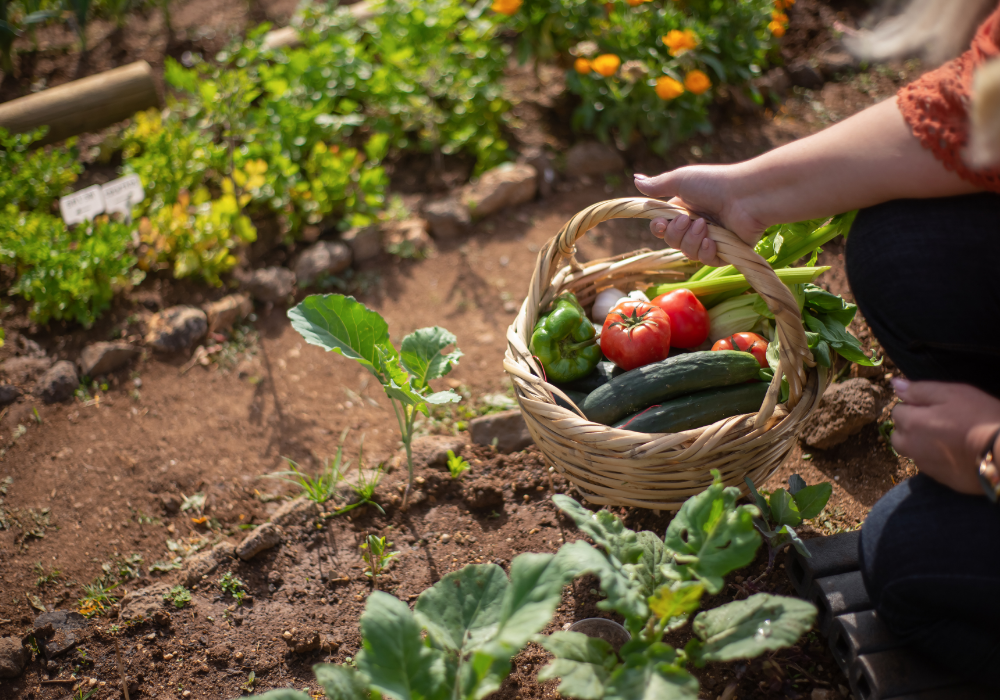
A perfectly trimmed lawn might look neat, but it won’t feed you. Swapping grass for an edible garden lets you grow your own fruits, vegetables, and herbs while cutting down on grocery bills. Homegrown food is fresher, healthier, and packed with more nutrients than store-bought produce. As noted by Jolene Hansen GardenTech, homegrown produce often retains more nutrients than store-bought options, which can lose vitamins during transportation and storage.
You don’t need to overhaul your entire yard at once. Start by replacing a small section of grass with raised garden beds, fruit trees, or a simple herb patch. Over time, you can expand and experiment with seasonal crops. A backyard that provides real food not only saves money but also makes gardening an enjoyable and rewarding experience.
2. Trade in your turf for a wildflower meadow that bursts with life.
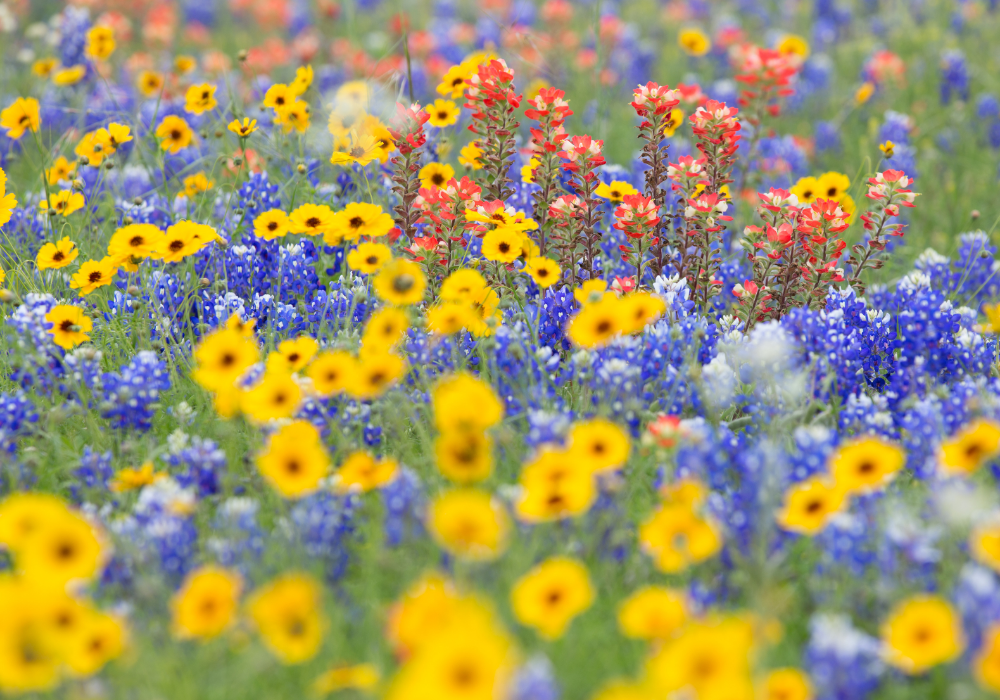
Bees, butterflies, and hummingbirds are struggling, and sterile grass lawns aren’t helping. Replacing turf with a wildflower meadow creates a biodiverse sanctuary for these essential creatures. A mix of native wildflowers will provide nectar, shelter, and a natural beauty that changes with the seasons.
Wildflower meadows require far less maintenance than a traditional lawn—no weekly mowing, no chemical fertilizers, and no excessive watering. Research by Carly Cassela for ScienceAlert suggests that replacing lawns with wildflower meadows can reduce carbon emissions by approximately 1.36 tons per hectare annually, primarily due to decreased mowing and fertilization.
Plus, they’re an ever-changing masterpiece that adds bursts of color to your yard while supporting the environment. Letting nature take the lead results in a space that’s both beautiful and beneficial.
3. Plant native species that thrive with almost no effort.

Most grass varieties require constant watering and fertilizing to stay alive, but native plants are built for your region’s climate. By choosing native flowers, shrubs, and trees, you create a resilient landscape that supports local wildlife while requiring minimal effort on your part. According to the USDA Forest Service, native plants do not require fertilizers and need fewer pesticides than traditional lawns, making them more sustainable.
Native plants improve soil health, attract beneficial insects, and naturally resist drought conditions. They also blend seamlessly into the ecosystem, ensuring that your yard doesn’t just look good but actually contributes to the health of the environment. A well-designed native plant garden means more beauty, more biodiversity, and way less upkeep.
4. Skip the mowing forever with a lush, low-maintenance ground cover.

If you love the look of a lush, green yard but hate mowing, ground covers like clover, creeping thyme, and moss can give you the best of both worlds. These low-growing plants provide the same visual appeal as grass but require little to no maintenance.
Clover, for example, stays green year-round, attracts pollinators, and improves soil quality by naturally adding nitrogen. Creeping thyme releases a pleasant scent when walked on, and moss thrives in shady areas where grass refuses to grow. Choosing the right ground cover means saying goodbye to mowing while keeping your yard soft, green, and vibrant.
5. Capture rainwater and create a backyard oasis with a rain garden.

A traditional lawn does nothing to absorb excess rainwater, leading to runoff that carries pollutants into storm drains and waterways. A rain garden solves this problem by capturing runoff and filtering it naturally through deep-rooted plants. This helps prevent flooding, erosion, and water waste while creating a stunning, eco-friendly backyard feature.
Rain gardens are designed with native plants that thrive in both wet and dry conditions, making them a low-maintenance solution to water management. They attract birds, butterflies, and beneficial insects while improving soil health.
To set one up, choose a slightly lower area of your yard where water naturally pools, then plant deep-rooted species like milkweed, blue flag iris, or ferns. Adding a mix of grasses and flowers helps stabilize the soil and maximize water absorption. Instead of letting rainwater go to waste, a rain garden transforms it into a life-giving resource that benefits both your yard and the environment.
6. Bring in the birds, bees, and butterflies with a wildlife-friendly habitat.
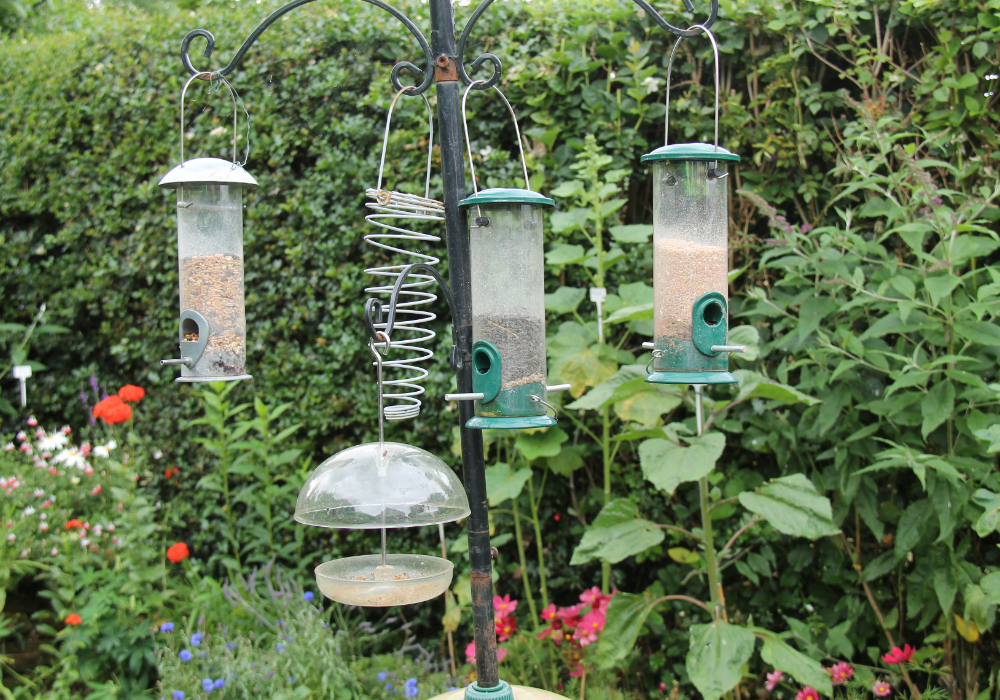
A grass lawn doesn’t exactly roll out the welcome mat for wildlife, but a well-designed backyard can become a thriving habitat. Adding bird feeders, butterfly host plants, and bee-friendly flowers creates a safe haven for essential pollinators and local wildlife. These creatures are crucial for maintaining biodiversity, helping plants reproduce, and keeping ecosystems balanced. Experts recommend layering different types of plants to provide shelter, food, and nesting spaces.
Native flowering shrubs, berry-producing trees, and dense ground cover attract everything from songbirds to helpful insects. A small brush pile or rock garden can also serve as a refuge for toads and beneficial critters. Providing a water source, like a shallow dish or birdbath, gives pollinators a much-needed place to drink. With the right setup, your yard can become a buzzing, chirping, and fluttering paradise where nature thrives.
7. Turn your backyard into a food forest that practically grows itself.

Imagine stepping into your yard and picking fresh fruit, nuts, and herbs straight from the plants around you. A food forest is a low-maintenance, self-sustaining garden designed to mimic nature, where edible trees, shrubs, and ground plants work together to create a thriving ecosystem. Unlike traditional gardening, food forests regenerate themselves, reducing the need for constant upkeep.
By planting food-producing perennials like apple trees, berry bushes, and edible greens, you create a yard that requires less work over time. Companion planting helps different species support each other by improving soil health and deterring pests naturally.
Over time, your food forest can provide an abundant harvest with minimal effort. Not only does it increase food security, but it also improves biodiversity and soil quality. Once established, a food forest requires little more than occasional pruning, making it an effortless way to turn your backyard into an edible paradise.
8. Say goodbye to expensive watering with a drought-proof xeriscape.

A traditional lawn drinks up gallons of water every week, but a xeriscape—landscaping designed for dry climates—keeps your yard looking beautiful with minimal irrigation. Replacing grass with drought-resistant plants, gravel paths, and hardy succulents ensures a lush, green look without the need for constant watering.
This method not only saves money but also significantly reduces water waste. Succulents, ornamental grasses, and Mediterranean herbs like lavender and rosemary thrive in dry conditions, requiring little intervention. Mulching around plants helps retain moisture, reducing the need for watering even further. Strategically placing rocks and native plants mimics natural landscapes, creating a design that is both functional and stunning. Xeriscaping also cuts down on maintenance—no more mowing, fertilizing, or worrying about brown patches. Whether you live in an arid region or just want a low-water garden, xeriscaping ensures your yard stays vibrant without relying on a hose.
9. Add a backyard pond to create a peaceful, self-sustaining ecosystem.
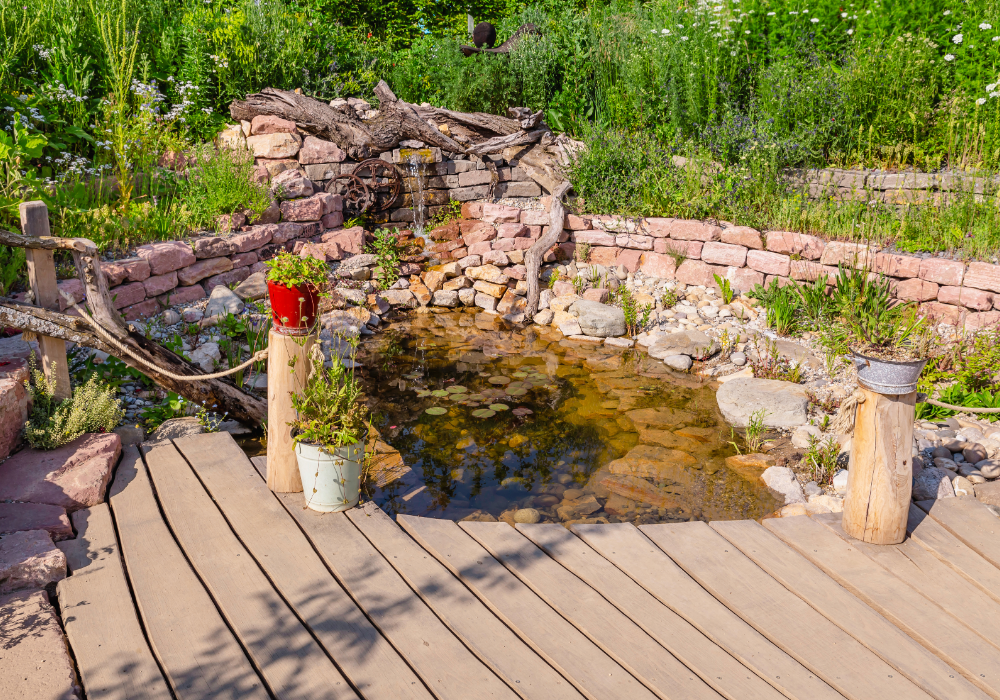
A small backyard pond does more than add charm—it supports biodiversity by attracting frogs, dragonflies, and birds while providing a water source for wildlife. Even a mini pond in a large planter or repurposed barrel can create a natural, self-sustaining ecosystem that requires minimal upkeep. Ponds help balance local ecosystems by providing habitat for amphibians and insects that control pests naturally. Floating plants like water lilies help keep the water clean, while native aquatic plants provide shelter for visiting wildlife. If mosquitoes are a concern, introducing fish like minnows or goldfish, or using a small circulating pump, prevents stagnant water.
The sound of trickling water also creates a calming retreat right in your backyard. With the right balance of plants, water movement, and wildlife, a backyard pond can practically take care of itself while bringing tranquility to your space.
10. Build a compost system that turns food scraps into garden gold.
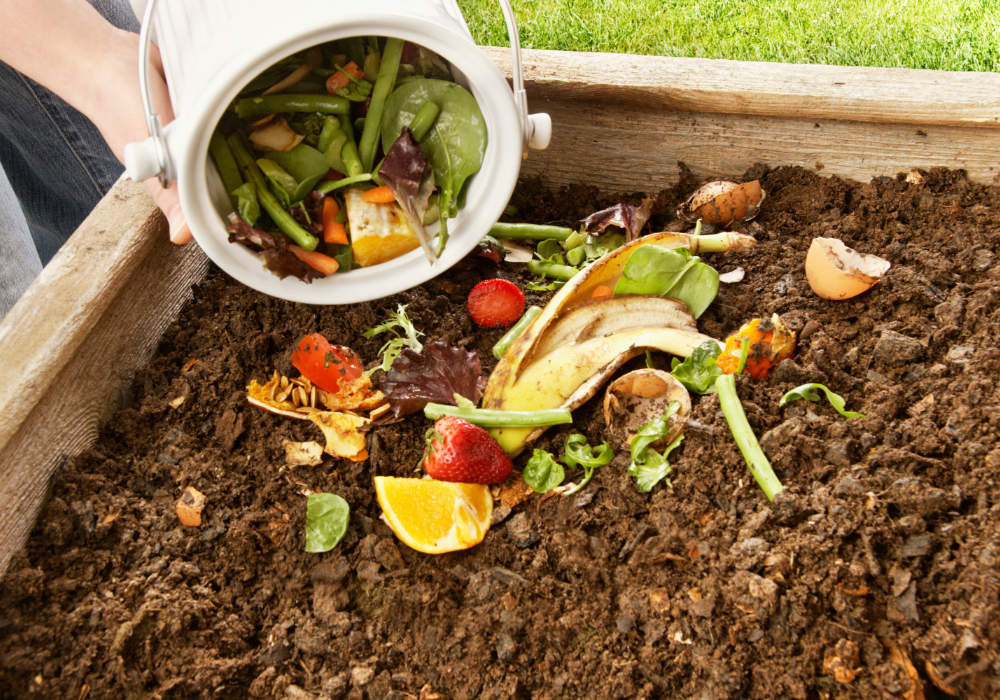
Instead of sending food waste to a landfill, composting transforms kitchen scraps into rich, organic fertilizer that feeds your plants. A backyard compost pile or bin breaks down fruit peels, coffee grounds, and yard clippings into nutrient-dense soil that boosts plant health and reduces waste.
Composting also improves soil structure, helping it retain moisture and support beneficial microbes. You don’t need a huge space to start composting. A simple open pile, a rotating compost bin, or even a worm composting setup can work, depending on your available space. Balancing greens (fruit and vegetable scraps) with browns (leaves, cardboard, and straw) ensures a proper decomposition process. Within a few months, you’ll have rich, homemade compost to mix into your garden beds. Not only does composting reduce landfill waste, but it also saves money on fertilizers and keeps your soil thriving naturally.
11. Light up your backyard without harming the nocturnal ecosystem.

Standard outdoor lighting disrupts wildlife, confuses migrating birds, and drowns out the natural beauty of the night sky. Instead of harsh floodlights, switching to warm, low-impact solar lights keeps your backyard illuminated while protecting nocturnal creatures. Overuse of bright lights at night can interfere with the sleep cycles of humans and animals alike, disrupting ecosystems.
Soft pathway lights, motion-activated security lighting, and firefly-friendly zones allow you to enjoy your yard at night without contributing to light pollution. Installing downcast, shielded lights reduces glare and prevents unnecessary disruption to wildlife. If you love stargazing, reducing artificial lighting will also enhance your ability to see constellations without interference. Thoughtful lighting choices create a safe, welcoming backyard while allowing nocturnal creatures to thrive in their natural environment.