
Embark on practical steps that encourage lasting social and environmental improvements daily.

Making a positive impact in the world often starts with simple, intentional actions in everyday life. By adopting habits that emphasize empathy, sustainability, and active community engagement, individuals can contribute meaningfully to social and environmental well-being. Change grows through consistent efforts, from mindful consumption to fostering inclusive conversations, demonstrating that personal responsibility is a powerful catalyst for broader transformation.
1. Practice daily acts of kindness to inspire those around you.

Acts of kindness create ripples in the community fabric, elevating moods and inspiring others to follow suit. When a smile accompanies a door held open or a notebook lent, these small gestures collectively foster a climate more prone to cooperation and warmth.
Public spaces like bus stops or libraries become ecosystems of positive energy when kindness is practiced regularly. The effect may not be immediately noticeable, but over time, such gestures build a foundation of mutual support and understanding that enhances community resilience.
2. Cultivate empathy by actively listening to different perspectives.

Empathy grows when one pauses to truly hear different perspectives, integrating those insights into personal understanding. Encouraging open dialogue in settings like family dinners or workplace meetings can transform interactions into opportunities for enriched understanding.
Listening without distraction acknowledges the complexity of individuals’ experiences, and this act of recognition inherently respects the diverse tapestry of human narratives. This facilitates stronger connections and cultivates a culture of mutual respect and awareness, enhancing both personal relationships and communal wellbeing.
3. Reduce your environmental impact through simple lifestyle changes.

Simple lifestyle changes can sharply reduce environmental impact, fostering sustainability over convenience. Turning off lights upon leaving a room or choosing reusable water bottles over disposable ones exemplifies small yet effective commitments to resource conservation.
In everyday settings such as grocery stores or cafes, selecting local and organic products also promotes environmental stewardship. While each choice may seem minute, collectively, these actions create a substantial reduction in waste and resource use, contributing to long-term ecological balance.
4. Volunteer your time and skills to support local initiatives.
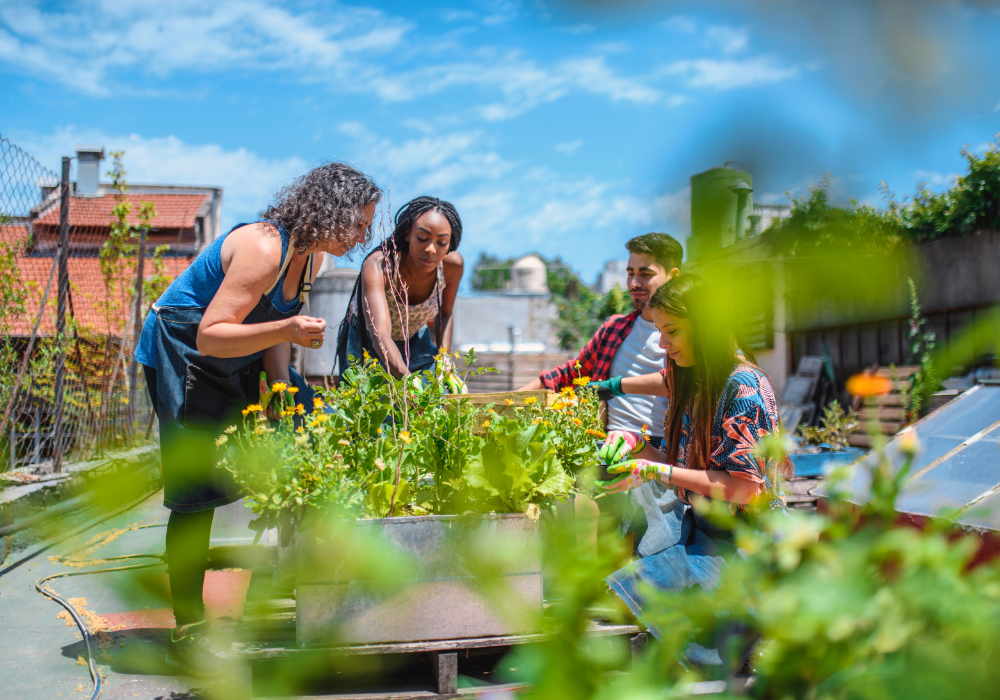
Volunteering injects vitality into local initiatives, boosting community strength and cohesion. Sharing skills such as tutoring in community centers or tending to community gardens translates altruism into tangible improvements in public spaces.
The act of offering time and expertise not only uplifts the immediate area but also nurtures a sense of purpose and belonging. Participating actively in these efforts brings about meaningful change, reinforcing the importance of collective action for a common good.
5. Share knowledge and experiences to empower others effectively.

Sharing knowledge empowers others, creating a cycle of informed engagement and positive change. Public workshops or casual gatherings become venues where personal experiences ignite curiosity and foster growth.
Communicating insights on social or environmental issues encourages broader participation and fosters collective wisdom. This exchange of ideas can equip others to take informed steps, amplifying individual actions into a broader influence on societal norms and practices.
6. Support ethical brands that align with your values consistently.

Supporting ethical brands ensures purchases align with personal values, promoting sustainable practices globally. Opting for fair-trade coffee or eco-friendly clothing incorporates ethics into daily consumer decisions.
Frequent choices align market forces with ethical standards, reinforcing businesses that prioritize social responsibility. This alignment conscientiously influences industry practices, encouraging broader shifts toward sustainability and integrity across sectors.
7. Model integrity by standing up for what you believe in.

Modeling integrity by defending one’s beliefs establishes a platform for change, reinforcing ideals through action. Whether speaking up in meetings or participating in peaceful protests, standing firm highlights commitment to higher principles.
Such actions set a precedent for others, creating a culture where principled action becomes a shared norm. Integrity in practice inspires collective courage, encouraging communities to stand united in pursuit of justice and equity.
8. Encourage open conversations to foster understanding and connection.

Open conversations create bridges of understanding, cultivating spaces where divergent viewpoints coexist. Hosting dialogue circles or casual coffee chats provide an informal stage for rich discussions that strengthen community fabric.
When open dialogue is encouraged, preconceived notions are challenged, leading to more nuanced understandings. This nurtures an environment where respectful disagreement is possible, laying foundations for enduring connections and mutual respect.
9. Prioritize self-care to maintain the energy needed for change.

Prioritizing self-care preserves the stamina required for sustained change efforts, safeguarding mental and physical health. A brief meditation or a morning walk rejuvenates the spirit, preparing one to engage effectively in demanding activities.
Balancing personal needs with activism ensures longevity and effectiveness in change endeavors. By tending to one’s well-being, individuals maintain the resilience and vitality necessary to foster continuous engagement and commitment to social or environmental causes.
10. Lead by example in embracing diversity and inclusion daily.

Routine actions embodying diversity and inclusion demonstrate leadership by example, reshaping social habits collectively. Greeting colleagues of diverse backgrounds or celebrating varied cultural festivities fosters a more inclusive workplace.
Consistent inclusion practices normalize diversity, gradually transforming social dynamics to ones reflecting communal acceptance and respect. Such leadership exemplifies the merits of diversity, influencing environments to embrace varied perspectives as strengths rather than challenges.
11. Stay informed and adaptable to grow alongside the world’s needs.

Staying informed and adaptable allows individuals to evolve in response to changing societal needs, enhancing relevance and efficacy. Absorbing current research or global reports keeps one engaged with contemporary challenges and solutions.
This fluid approach to knowledge equips individuals to respond with agility, tailoring their actions to the nuances of different social contexts. Engagement with continuous learning also fosters resilience, preparing for a world that regularly redefines its priorities and norms.