
Swap four wheels for two and watch as your entire life transforms in ways you never imagined.
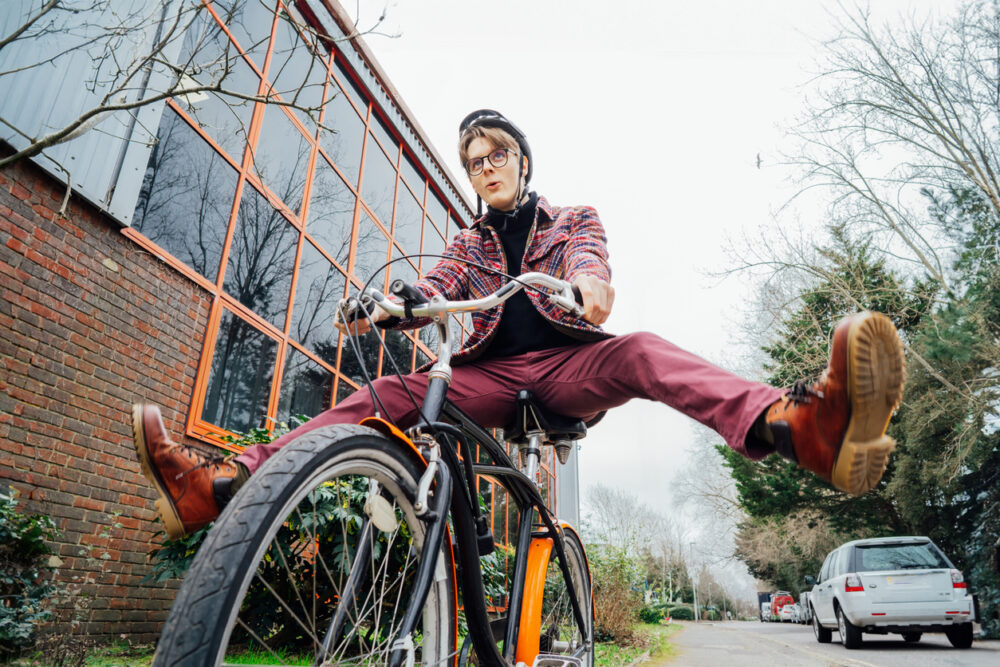
Trading car keys for bike pedals can completely change your life in surprising ways. What often begins as a simple way to save money on gas or get a bit more exercise quickly turns into a game-changing lifestyle shift that reshapes daily routines in ways you’d never expect.
The real surprise isn’t just the obvious perks like getting fitter or cutting down on pollution—though those definitely happen. It’s the ripple effects that start small but quickly spread through your entire life. Your mood improves, your stress levels drop, and even your social circles shift as you connect with a different community. Suddenly, errands feel like adventures, commutes become moments of clarity, and your savings account starts to grow in ways most people never see coming.
1. Your wallet grows fatter while your carbon footprint shrinks.
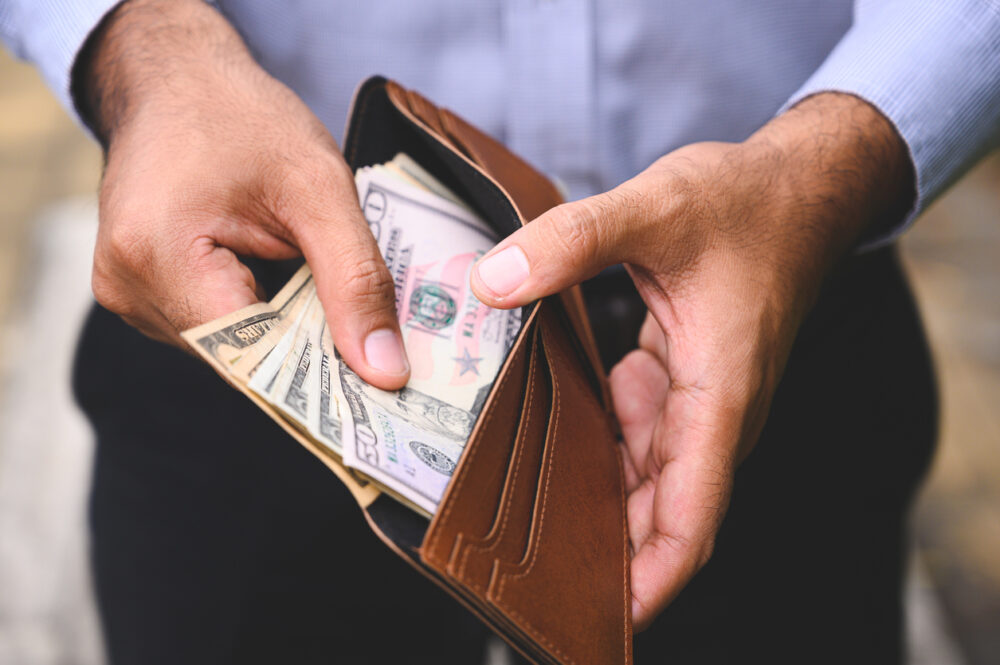
When considering the financial advantages of cycling, most people immediately think about gas savings. But that’s just scratching the surface. Beyond fuel costs, car ownership drains wallets through insurance premiums, maintenance, repairs, parking fees, and depreciation.
A 2024 study by the American Automobile Association (AAA) found the average annual cost of owning and operating a new vehicle is $12,297, or $1,025 per month. Meanwhile, a quality bike might cost $500-1,500 upfront, with annual maintenance running about $100-200. Even factoring in occasional rideshares, bike commuters save thousands each year, with some calculating savings over $7,500 in the first year alone.
2. Hidden gems reveal themselves at cycling speed.
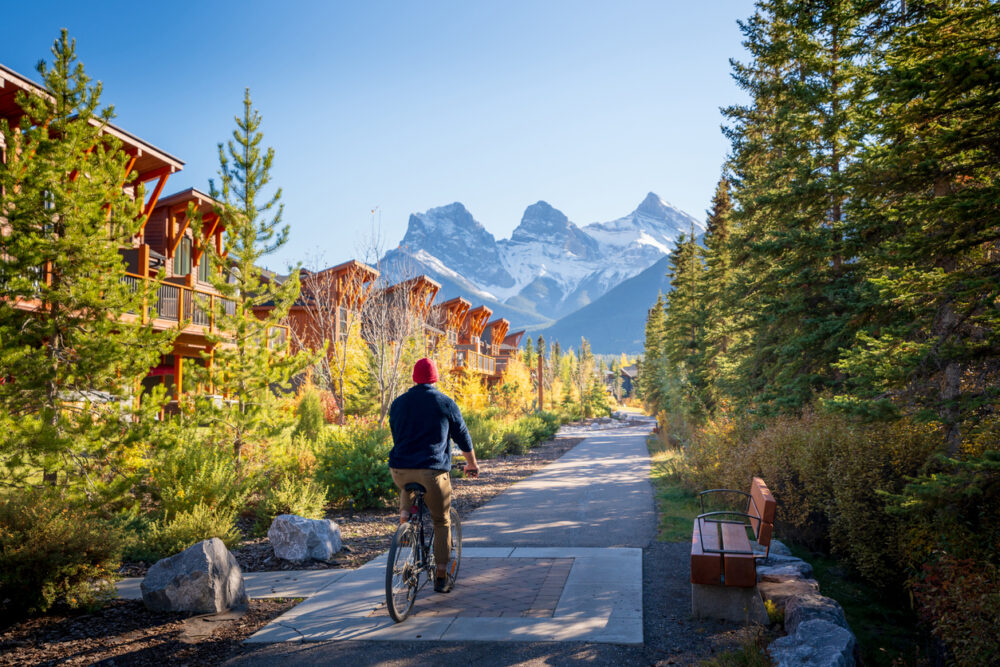
Moving at cycling speed creates the perfect pace for truly seeing surroundings. From the seat of a bike, riders notice architectural details, tucked-away cafés, and neighborhood art installations that blur past car windows.
The Institute for Transportation and Development Policy reports that increasing bicycle use in urban areas can lead to significant health benefits, including reduced risk of chronic diseases and improved mental well-being. This heightened awareness turns routine journeys into mini-adventures. Secret garden pathways, quirky bookshops, and spectacular viewpoints become visible in familiar neighborhoods that drivers pass daily without noticing.
Bike riders often feel like tourists in their own cities, constantly delighted by new discoveries. The joy of spotting a hidden mural or finding a charming side street adds a layer of richness to everyday life that driving simply can’t match.
3. Morning blues vanish with the rhythm of pedals.
Starting and ending the workday with physical activity creates a natural transition between professional and personal life. This built-in exercise time functions as a buffer zone where people process challenges, clear their heads, and arrive home genuinely ready to be present.
Pedaling regularly releases endorphins that combat anxiety and depression, while daylight exposure helps regulate sleep patterns and mood as described in Health and Wellbeing Queensland. Unlike sitting in traffic—which research shows increases stress hormones—cycling often becomes a cherished part of the day. Commuters frequently use their ride home to mentally unwind problems, arriving with fresh perspectives and emotional balance that seemed impossible while sitting at their desks all day.
4. Bike lanes become unexpected social networks.

Car culture isolates people in metal and glass boxes. Cycling creates natural opportunities for community connections. Whether it’s a friendly nod at a stoplight, a chat about route recommendations, or joining a group ride, bikes facilitate human interaction in ways cars simply cannot.
These casual encounters often grow into deeper relationships. Unexpected friendships develop with neighbors, riding companions become weekend buddies, and connections with professionals can lead to career opportunities. Urban areas increasingly have thriving cycling communities that organize social rides, maintenance workshops, and advocacy events. In a world where genuine connection feels increasingly rare, these spontaneous interactions become a surprising antidote to modern isolation and loneliness.
5. Your brain performs at peak capacity after pedaling.

Biking to work offers unique cognitive advantages. The rhythmic movement increases blood flow to the brain and triggers the release of proteins that support neural health. These changes lead to noticeable improvements in concentration, creativity, and problem-solving throughout the workday.
Unlike morning gym sessions that might leave you depleted, cycling to work energizes at just the right intensity for peak brain performance. Research indicates that cycling commuters experience higher productivity, fewer afternoon energy crashes, and better focus. Many people report that complex problems that seemed impossible at their desk suddenly become clear during their ride home, as if the simple act of pedaling unlocks mental pathways previously blocked by stress.
6. Cravings shift from junk food to real nourishment.
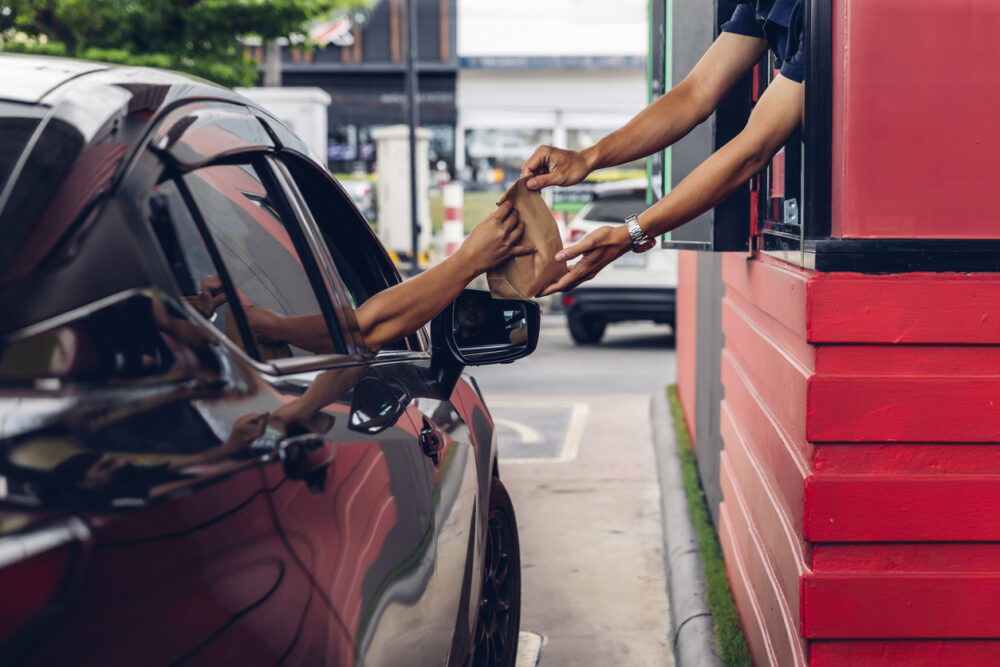
When your body consistently expends energy through cycling, hunger signals become more accurate and reliable. Bike commuters begin to recognize true hunger versus emotional eating triggered by stress or boredom. This natural recalibration encourages healthier food choices without restrictive dieting.
People who cycle regularly tend to desire nutrient-dense foods that support their energy needs rather than processed comfort foods. The body becomes better at communicating exactly what it needs—protein for muscle recovery or complex carbs for sustained energy.
This intuitive approach usually results in weight stabilization and improved digestion without the psychological burden of “dieting.” Many riders find themselves naturally gravitating toward whole foods without feeling deprived.
7. Sick days become rare events in your calendar.

Regular cycling substantially strengthens immune function. It boosts circulation of immune cells, reduces inflammation, and enhances the body’s defense against pathogens. This improved protection results in fewer colds, faster recovery times, and reduced risk of chronic diseases. Biking also helps regulate stress hormones that can weaken immune function. Exposure to different environmental conditions during rides appears to train the immune system to be more adaptable.
Long-term cyclists frequently experience half as many sick days after their first year of regular riding. This increased resilience means more productivity at work, less money spent on medications, and more energy for enjoying life instead of recovering from frequent illnesses.
8. Blue skies suddenly feel like personal gifts.
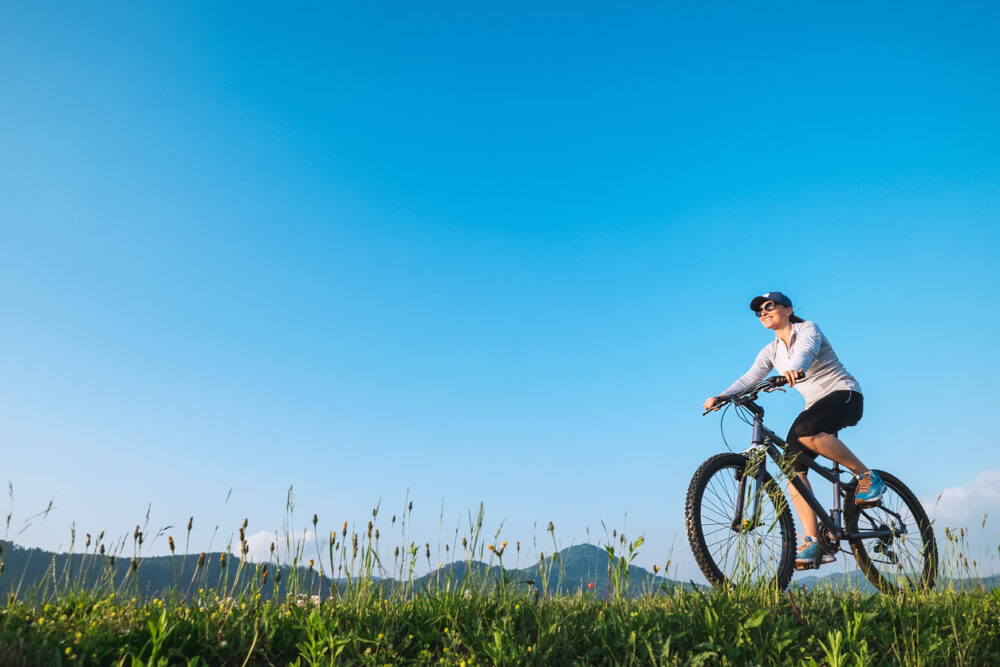
In cars, weather conditions are often seen as annoyances, and perfect sunny days go largely unappreciated behind climate-controlled windows. Cycling completely changes this relationship with weather, heightening appreciation for favorable conditions. This weather-awareness brings an unexpected psychological bonus: enhanced enjoyment of pleasant days. Bike riders catch themselves celebrating perfect mornings—moments previously overlooked in the daily rush.
Even challenging weather becomes a source of satisfaction when successfully navigated. Many cyclists develop a deeper connection to seasonal changes and natural cycles, noticing subtle shifts in temperature, light, and plant life that enrich their experience of time passing and connect them more deeply to the natural world.
9. Dead time transforms into the most valuable part of your day.
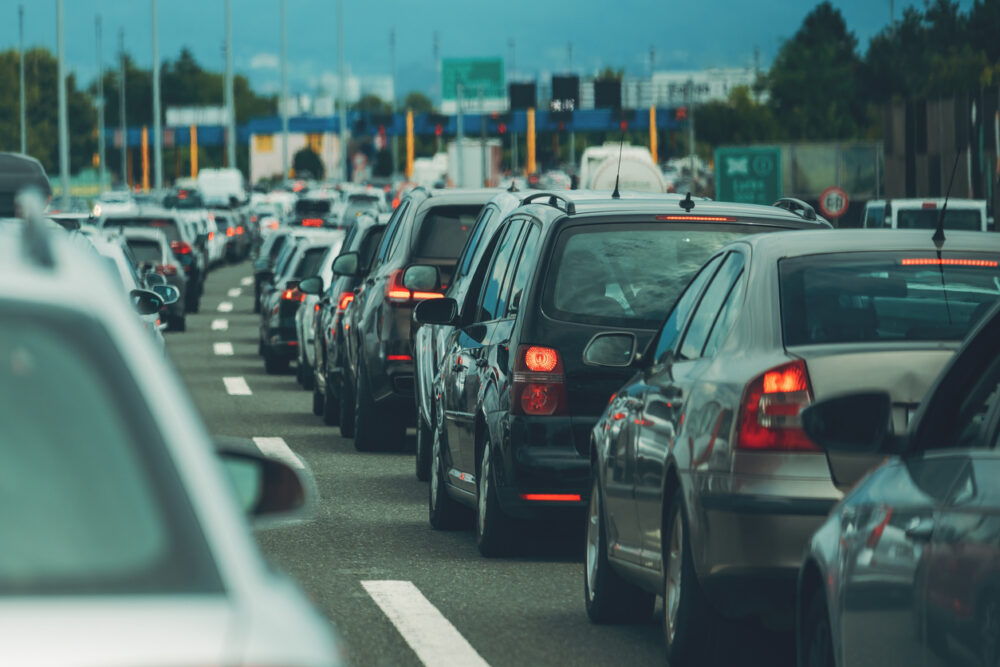
Car commuting represents one of modern life’s greatest time paradoxes—technically efficient but ultimately wasteful. Cycling converts this “dead time” into productive hours that simultaneously fulfill transportation needs, exercise requirements, and mental health maintenance.
This reclamation of time expands the day psychologically. Bike commuters often feel like they’ve gained hours rather than lost them, despite potentially longer travel durations. This perception comes from eliminating separate workout sessions and avoiding time wasted in traffic jams or hunting for parking. By consolidating multiple essential activities into one enjoyable experience, cycling creates a sense of time abundance rather than scarcity—a radical shift in how most people experience their busy lives.
10. City planning meetings suddenly become fascinating.
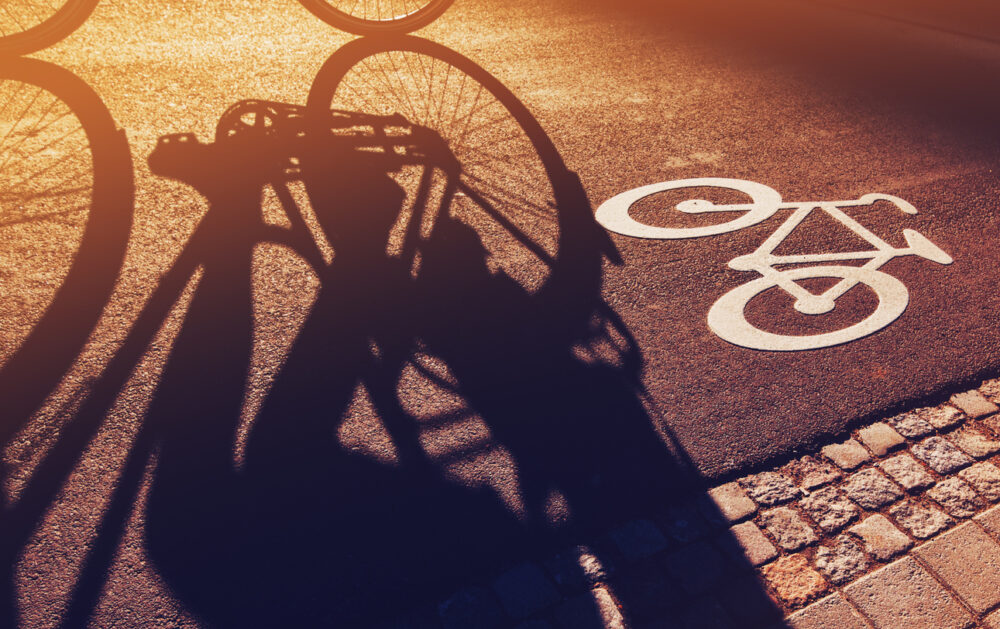
Cycling fundamentally shifts how people experience urban environments, highlighting infrastructure strengths and weaknesses invisible from inside a car. Bike riders develop intimate knowledge of street conditions and notice how transportation decisions affect community members. This awareness naturally sparks interest in local government processes.
Those who cycle regularly often evolve from passive residents to engaged citizens advocating for improved safety and accessibility. Something as simple as attending a city council meeting about a proposed bike lane can lead to deeper involvement in neighborhood associations or planning committees. This progression toward community involvement represents cycling’s ripple effect on civic engagement—turning individual transportation choices into collective action for creating more livable, connected, and sustainable cities.
11. Climate anxiety gives way to purposeful action.
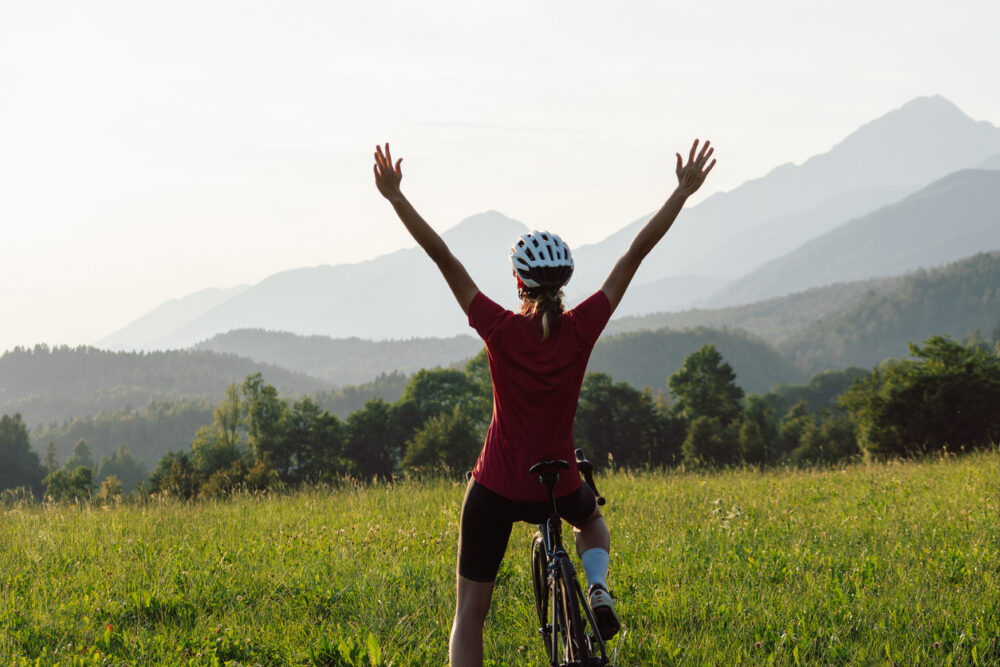
Replacing a 10-mile round-trip car commute with cycling prevents about 3,000 pounds of carbon dioxide emissions annually. Bikes require no fossil fuels, create no pollution, and need far fewer resources to manufacture and maintain than vehicles.
Perhaps more valuable is the psychological advantage of climate agency—knowing everyday choices actively contribute to environmental health. When climate challenges feel overwhelming, this personal contribution provides meaningful relief from eco-anxiety.
Instead of feeling paralyzed by environmental problems, bike commuters experience empowerment through tangible daily actions. This sense of making a real difference, however small, nurtures hope and ongoing engagement with broader sustainability efforts in ways that extend far beyond transportation choices.