
The world’s most breathtaking places are disappearing faster than you think.

That bucket-list trip you’ve been putting off? It might not wait for you. Climate change, rising sea levels, and environmental destruction are rapidly transforming the most stunning places on Earth—some beyond recognition. Once-pristine beaches are vanishing, iconic glaciers are melting, and delicate ecosystems are collapsing under the pressure of extreme weather, pollution, and mass tourism.
Delays, politics, and half-hearted conservation efforts aren’t keeping up with the damage. Some places are already beyond saving, while others are on borrowed time. The landscapes, wildlife, and cultures that make these destinations unique are changing fast, and soon, they may only exist in photographs. While locals fight to preserve what’s left, the window to experience these wonders is closing. If you’ve been dreaming of visiting, now might be your last chance. Here are 11 destinations disappearing faster than anyone expected.
1. Rising seas threaten to erase the Maldives from the map.
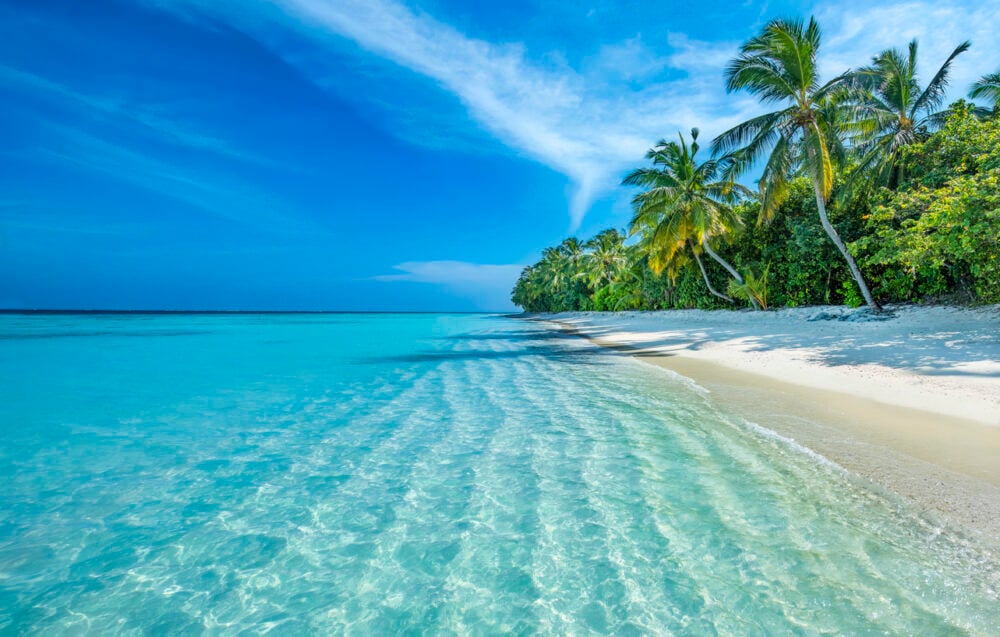
The Maldives, with its crystal-clear waters and overwater bungalows, is paradise on Earth. But its future is slipping away. Rising sea levels are swallowing coastlines, and with each passing year, more land disappears beneath the waves. Entire communities are being forced to relocate, and even the government is preparing for the worst, investing in floating cities as a last-ditch effort to keep the nation above water.
The International Finance Corporation projects that sea levels could rise by up to 0.9 meters by 2100, potentially submerging significant portions of the Maldives. Efforts to build artificial islands and protective barriers might buy time, but they can’t reverse the damage. Tourists still flock here for luxury getaways, but the window to visit this stunning destination is closing fast. If sea levels keep rising at this pace, the Maldives may become the world’s first fully submerged country.
2. Warming oceans are bleaching the Great Barrier Reef beyond recognition.
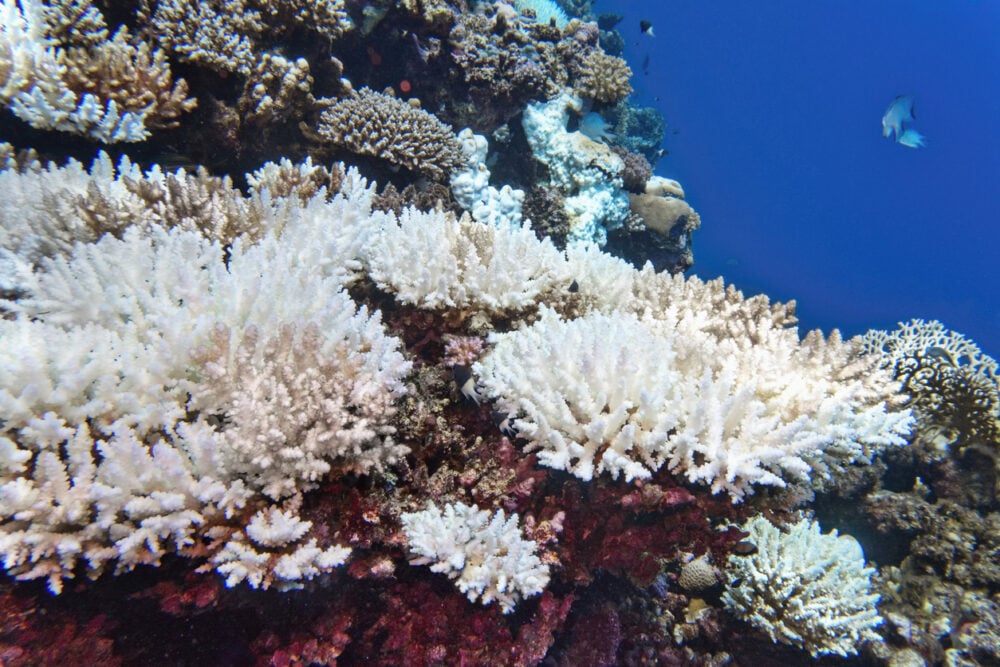
Once bursting with color and life, the Great Barrier Reef is fading into a ghostly graveyard. Rising ocean temperatures trigger mass coral bleaching, turning thriving reefs into lifeless skeletons. A study led by Glenn De’ath and published in the Proceedings of the National Academy of Sciences found that between 1985 and 2012, the Great Barrier Reef lost more than half its coral cover. What was once one of the most biodiverse places on Earth is now fighting for its future.
Conservationists are racing to restore damaged coral, but warming waters keep undoing their efforts. Some sections of the reef are already beyond saving, and if global temperatures continue climbing, the damage will be irreversible. Snorkeling or diving here today is nothing like it was decades ago, and soon, even those faded remains may be gone. Without drastic intervention, the Great Barrier Reef could become the largest underwater graveyard on the planet.
3. Venice struggles to stay afloat as flooding gets worse.
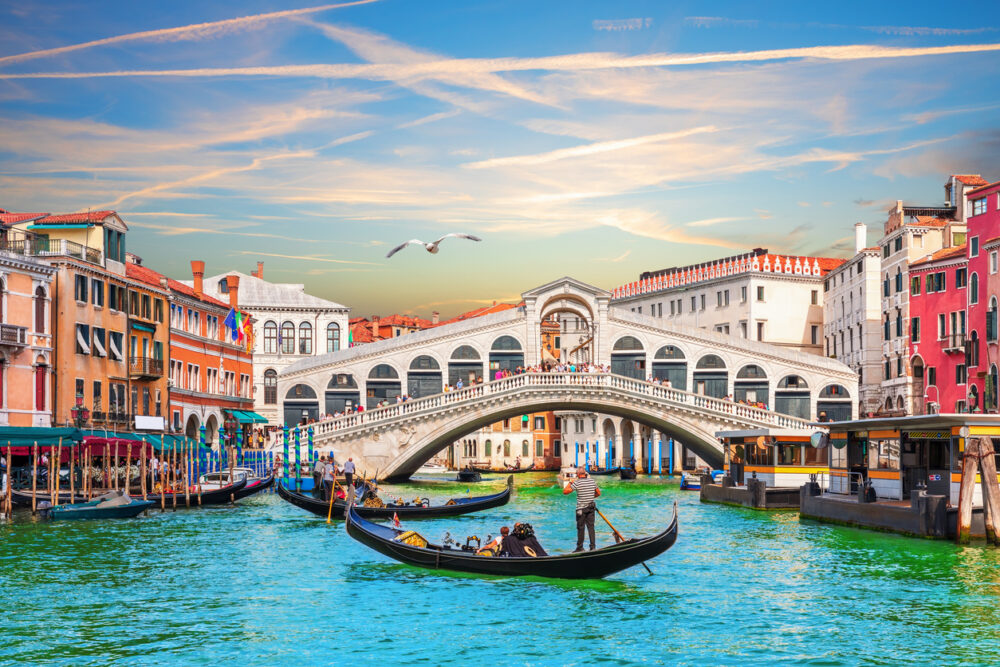
Venice has battled high tides for centuries, but now, the city is losing ground—literally. Rising sea levels and stronger storms are pushing floods to record highs, turning historic streets and piazzas into temporary canals. Climate projections cited by The Art Newspaper warn that Venice could be swallowed by up to 76 centimeters of rising water by 2100, turning daily floods into a permanent reality.
St. Mark’s Basilica has been repeatedly swamped, and ancient buildings are slowly crumbling from saltwater damage. The city has installed massive flood barriers, but they’re a temporary fix at best. With extreme weather events becoming more frequent, the future of Venice looks grim. Tourists may still enjoy a gondola ride through its canals, but if trends continue, those same canals could one day be all that’s left. The question isn’t if Venice will disappear—it’s how long it can hold on.
4. Deforestation and wildfires are tearing through the Amazon Rainforest.

The Amazon Rainforest is often called the “lungs of the planet,” but those lungs are collapsing under relentless destruction. Deforestation, wildfires, and illegal logging are stripping away vast sections of jungle, making it harder for the rainforest to recover. Over 17% of the Amazon has already been lost, and scientists warn that if that number hits 20-25%, the ecosystem may never bounce back.
Massive tracts of land are being cleared for agriculture, and wildfires—once rare—are now raging across the region, fueled by drier conditions and human activity. Every year, biodiversity suffers as species disappear before they’ve even been discovered.
Indigenous communities are fighting to protect what’s left, but political and corporate interests continue driving destruction forward. If deforestation continues at this rate, the rainforest could reach a tipping point where it can no longer sustain itself, transforming into a dry, savanna-like landscape.
5. Antarctica’s glaciers collapse into the ocean at record speed.
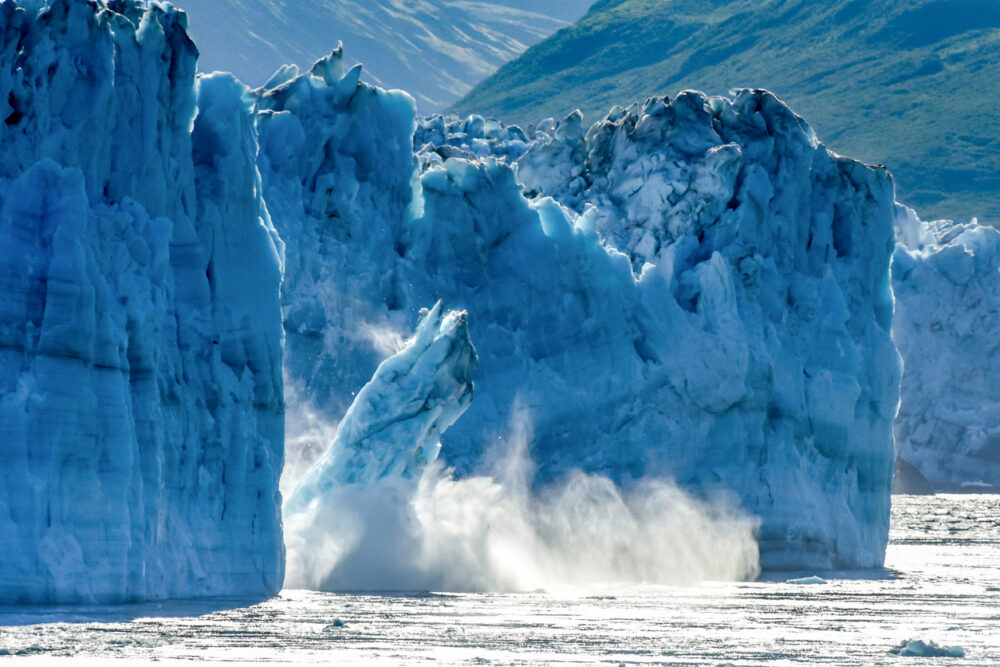
Antarctica is changing at a pace few expected. Glaciers that remained frozen for thousands of years are now melting rapidly, sending massive chunks of ice crashing into the sea. The Thwaites Glacier—nicknamed the “Doomsday Glacier”—is melting so fast that scientists predict its total collapse could raise sea levels by several feet, drowning coastal cities across the world.
Rising global temperatures are accelerating the process, and some glaciers are past the point of no return. Antarctica is losing about 150 billion tons of ice every year, reshaping coastlines and threatening entire ecosystems. Tourists can still visit this frozen wilderness, but the landscape is shifting fast. The towering ice formations and untouched snowfields that define Antarctica may not last another century. If global emissions don’t slow down, what’s left of Antarctica’s glaciers could be gone within our lifetimes.
6. The Dead Sea shrinks year after year, leaving behind salt flats.
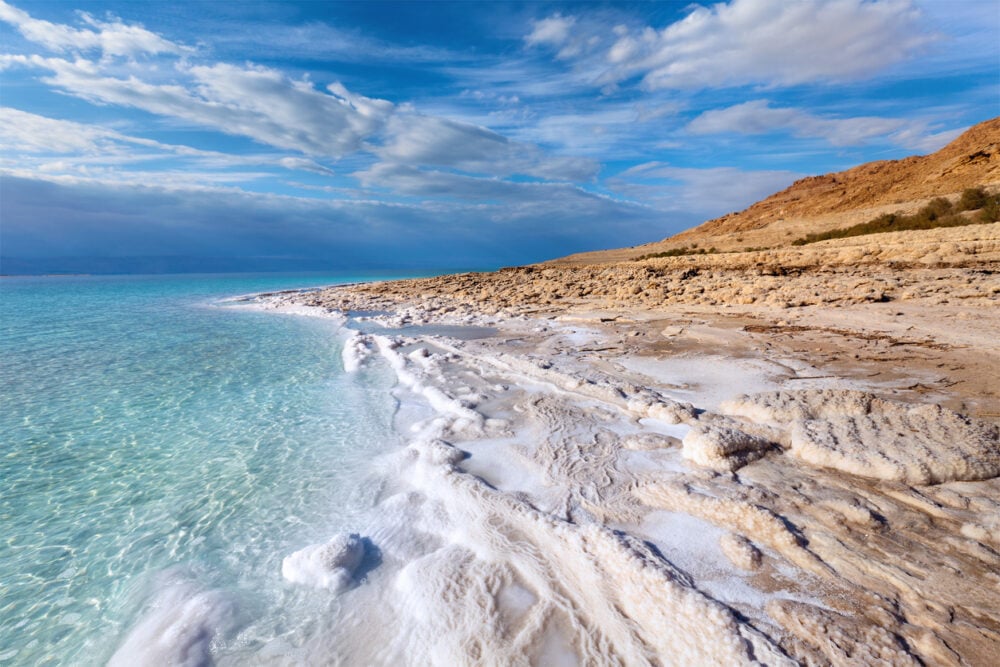
The Dead Sea’s otherworldly buoyancy and mineral-rich waters have drawn visitors for centuries, but those waters are vanishing. Every year, the sea’s water levels drop by more than three feet, leaving behind cracked salt flats where shimmering blue once stretched. The diversion of the Jordan River and excessive mineral extraction have accelerated the decline, and sinkholes are opening up around the shoreline as the ground destabilizes.
Once a popular destination for wellness tourism, the shrinking Dead Sea is becoming harder to access, with resorts struggling to stay open as the shoreline retreats. Some hotels that once sat right at the water’s edge are now miles away from it.
Without intervention, this iconic body of water could become little more than a salty wasteland within a few decades. Scientists are proposing massive water transfer projects to slow the process, but so far, none have moved past the planning stage.
7. Kilimanjaro’s legendary snowcaps melt faster than scientists predicted.

Mount Kilimanjaro’s towering snowcaps have inspired climbers and adventurers for generations, but they won’t be around much longer. Rising temperatures are melting the mountain’s glaciers at an alarming rate, with more than 85% of its ice cover already gone. If current trends continue, Kilimanjaro could be completely ice-free within the next few decades.
Unlike seasonal snow, these glaciers aren’t replenishing themselves. Reduced rainfall and warming air temperatures mean the ice is disappearing permanently, changing the mountain’s iconic appearance and threatening the local ecosystem.
Climbers still make the trek to see the legendary glaciers up close, but future generations may only know them through photographs. The shrinking ice isn’t just a loss for Kilimanjaro—it’s another warning sign that even the most majestic landscapes aren’t safe from climate change.
8. Rising tides push the Everglades closer to extinction.
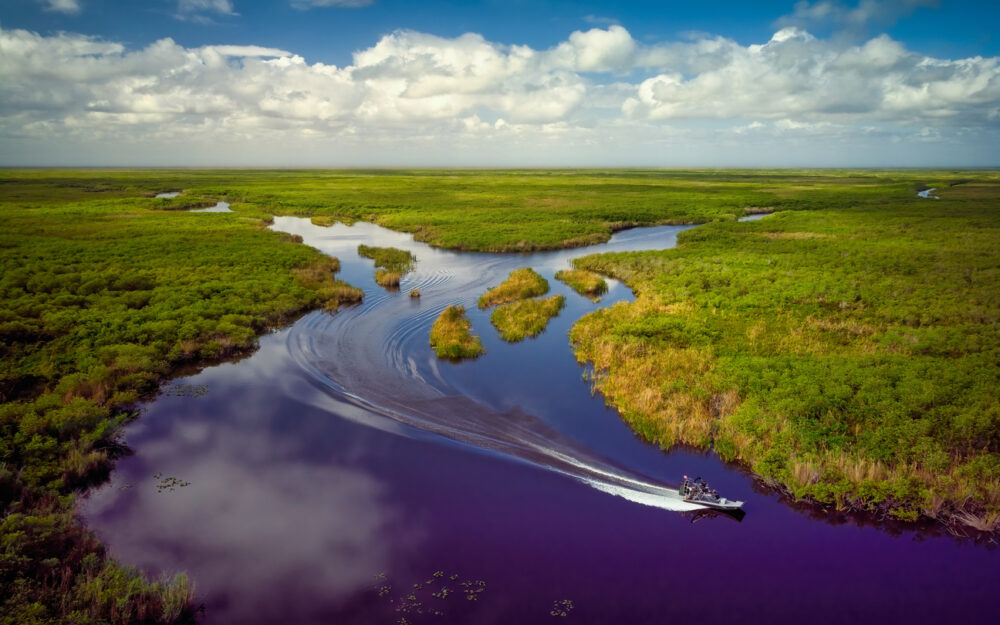
The Everglades is one of the most unique ecosystems in the world, but rising sea levels are turning this sprawling wetland into a watery grave. Saltwater is creeping into freshwater marshes, killing off plant life and threatening endangered species like the Florida panther and the West Indian manatee. At the same time, stronger hurricanes and heavier rainfall are overwhelming the ecosystem, making it harder for the wetlands to function naturally.
Decades of development and water mismanagement have already left the Everglades struggling. Now, climate change is accelerating its collapse. Restoration projects aim to redirect freshwater to the region, but the damage may be too severe to fully reverse. Without drastic intervention, the Everglades could become little more than a saltwater wasteland—one that no amount of conservation efforts can bring back.
9. Machu Picchu buckles under the strain of overtourism.
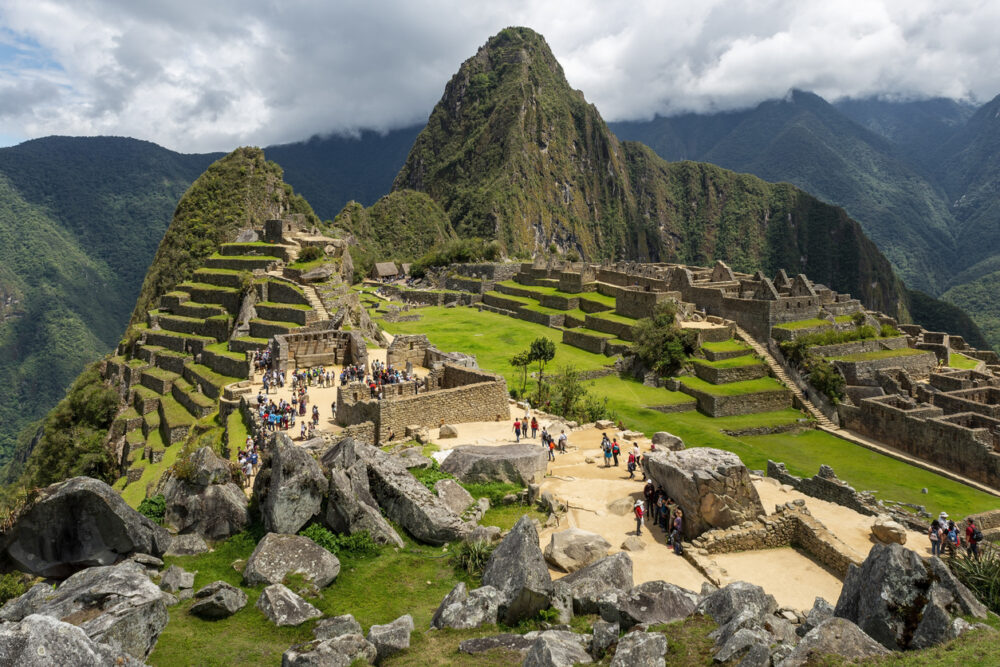
Perched high in the Andes, Machu Picchu has stood for centuries as a breathtaking reminder of the Inca civilization. But its popularity may be its downfall. Every year, millions of tourists trek through the site, eroding pathways, weakening stone structures, and leaving behind a trail of destruction. The pressure of so many visitors is making it harder to preserve the ruins, and the damage is piling up faster than experts can repair it.
Over the years, authorities have tried limiting daily visitors, enforcing strict trekking rules, and even considering closing off parts of the site. But with tourism as a major economic driver, balancing preservation with access remains a challenge. If Machu Picchu continues to endure unchecked foot traffic, landslides and structural collapses could permanently alter one of the world’s most treasured landmarks.
10. The Alps’ ski resorts brace for a future without snow.

Skiing in the Alps has always been a winter dream, but that dream is melting away. Warmer winters and declining snowfall are making it harder for resorts to stay open, forcing some to rely entirely on artificial snow. In lower-altitude ski towns, entire seasons are being cut short as natural snow becomes increasingly unreliable.
By 2050, experts predict that up to 70% of the Alps’ ski resorts may not have enough snow to operate. While artificial snow machines can offer a temporary fix, they come with environmental costs, draining water supplies and requiring huge amounts of energy. Some ski destinations are already pivoting to summer tourism, but for winter sports lovers, the Alps may never be the same.
11. Mass tourism and climate shifts endanger the Galápagos Islands.
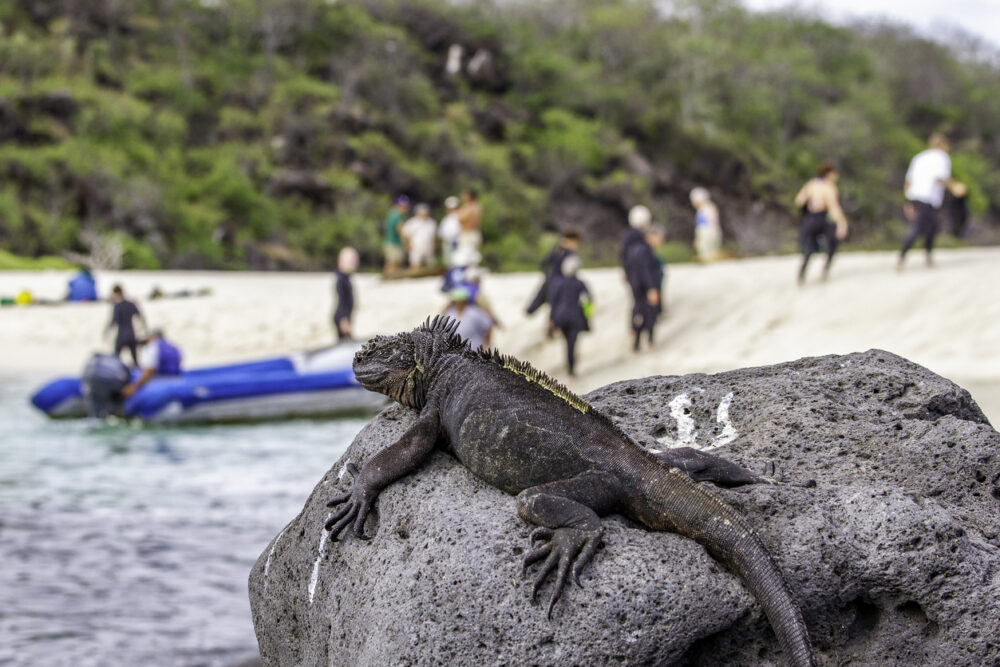
The Galápagos Islands helped shape Darwin’s theory of evolution, but now, human impact is threatening the delicate ecosystem that made them famous. Unchecked tourism, invasive species, and warming ocean waters are pushing native wildlife—including giant tortoises, marine iguanas, and blue-footed boobies—to the brink. The once-pristine landscapes are showing signs of stress, with coral reefs struggling and coastal erosion accelerating.
Strict conservation laws exist, but they can only do so much as global temperatures continue to rise. Warming seas are disrupting food chains, while frequent tourist traffic increases pollution and habitat destruction.
Some areas of the islands are already closed off to visitors, and if damage continues, more restrictions may follow. Future travelers may find themselves with limited access to this ecological wonder—or worse, a Galápagos that no longer resembles the paradise it once was.