
They blend in like background noise—but they’re messing with your body nonstop.
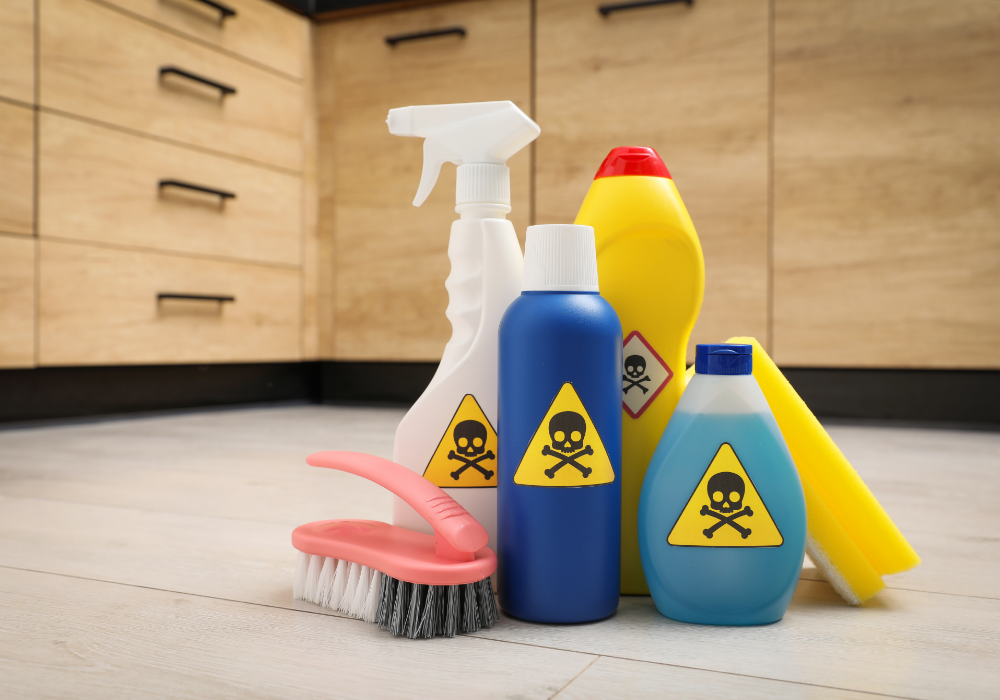
You probably think you’d know if something toxic was hanging around your everyday life. But these sneaky little troublemakers are experts at staying under the radar. They’re not just in obvious stuff like bleach or bug spray—they’re hiding in your shampoo, your receipts, your furniture, and even your air. And the worst part? You’ve probably been inviting them in without realizing it.
These aren’t just tiny irritants—they can mess with your hormones, energy, sleep, and long-term health. They don’t come with warning labels, and no one’s out here yelling, “Hey, this candle might mess with your endocrine system!” But they should be. Once you know where these toxins are creeping in, you can kick them out—or at least stop rolling out the red carpet. It’s not about perfection. It’s about knowing where the silent sabotage is happening and cutting it off at the source.
1. Scented candles turn self-care into a smog-filled ritual.

They smell like peace, but they burn like trouble. Many popular candles are made with paraffin wax—a petroleum byproduct—and synthetic fragrance blends that can release VOCs (volatile organic compounds) into the air as they burn. That means you’re breathing in chemicals like formaldehyde and phthalates while trying to vibe in a bubble bath.
Not exactly the wellness aesthetic you signed up for. According to Daniel Yetman for Healthline, burning scented candles can release VOCs like formaldehyde, which may increase cancer risk. However, they release less than half the recommended amounts set by the World Health Organization (WHO).
And while one candle probably won’t ruin your health, lighting them daily in a poorly ventilated space turns your chill time into low-key toxin exposure. If you’re dealing with headaches, sinus issues, or hormone weirdness, it could be your candles waving red flags in a cloud of vanilla mist. The fix? Swap them for ones made with beeswax or soy and scented with essential oils. You can still have the mood lighting—just without the side of chemical smog.
2. New car smell is just chemicals trying to charm you.

Everyone loves that fresh-off-the-lot scent, but it’s basically a showroom of off-gassing plastics. That new car smell comes from phthalates, flame retardants, adhesives, and other volatile compounds breaking down and releasing into the air. And when your windows are up and the sun’s out, you’re just sitting in a mobile gas chamber of your own making. Per Parham Koukia for Panda Hub, nearly all new cars contain flame retardants like tris(1-chloro-isopropyl) phosphate (TCIPP), which is being investigated as a potential carcinogen.
It doesn’t stop at the car, either. New furniture, rugs, and electronics all do the same thing—slowly release invisible toxins into your space over time. If you’ve ever gotten a headache in a brand-new space, this might be why. You can’t eliminate every exposure, but you can crack the windows, turn on a fan, and let things breathe before spending hours in that environment. Detoxing your life doesn’t have to mean ditching comfort—it just means being smarter about what you bring into it.
3. Receipts sneak BPA through your fingertips and into your bloodstream.

That quick moment at the checkout? It’s more toxic than it looks. Thermal paper receipts are often coated with BPA or BPS—chemicals known to interfere with your hormones. And because they absorb through your skin, even a casual touch is enough to let them sneak in. If you’re handling receipts often—say, for work, returns, or budgeting—you’re getting more exposure than you think. As stated by Tom Perkins for The Guardian, holding a receipt for just 10 seconds can expose you to BPS levels that exceed California’s Proposition 65 safety limits.
What makes this worse is that we don’t usually wash our hands after touching them. We stuff receipts in bags, wallets, and pockets, then touch our faces or eat without a second thought. These chemicals have been linked to everything from reproductive issues to insulin resistance. If you can, opt for digital receipts or just say “no thanks” when offered one. You’re not just skipping clutter—you’re skipping a tiny toxin delivery wrapped in thermal paper.
4. Sofas double as soft, squishy toxin traps.

Your favorite chill spot could be doubling as a toxin lounge. Many couches, especially older or cheaper models, are made with polyurethane foam treated with flame retardants. Over time, those chemicals don’t stay put—they slowly release into the air and dust in your home. So even if you’re not licking the couch (we hope), you’re still breathing it in and absorbing it through skin contact.
And the worst part? It’s not just the couch. It’s rugs, mattresses, pillows, and anything stuffed with synthetic foam. These toxins build up in your body, especially if your ventilation’s poor or your cleaning routine skips deep dusting. You don’t have to throw your furniture to the curb—just air out your space regularly, vacuum with a HEPA filter, and check labels next time you’re buying new. Your living room should feel like rest, not low-key chemical warfare.
5. Beauty routines often come with a side of hormone disruption.

If your beauty products were being honest, some would come with warning labels. Parabens, phthalates, and synthetic fragrances are hiding in everything from moisturizer to shampoo. These ingredients can disrupt hormones, trigger allergies, and contribute to long-term health issues—and yet, they’re still totally legal to use. The U.S. hasn’t updated many cosmetic regulations in decades.
That fancy face serum? It might be doing more than hydrating. And the worst part is that labels don’t always tell the full story—“fragrance” can be a loophole term for dozens of unlisted chemicals. If you wouldn’t eat it, why rub it on your skin every day? The good news: cleaner options exist, and many are just as effective. Apps like EWG’s Skin Deep can help you vet your go-to products. Your skincare shouldn’t come with side effects your dermatologist didn’t warn you about.
6. Tap water can carry more than just hydration.
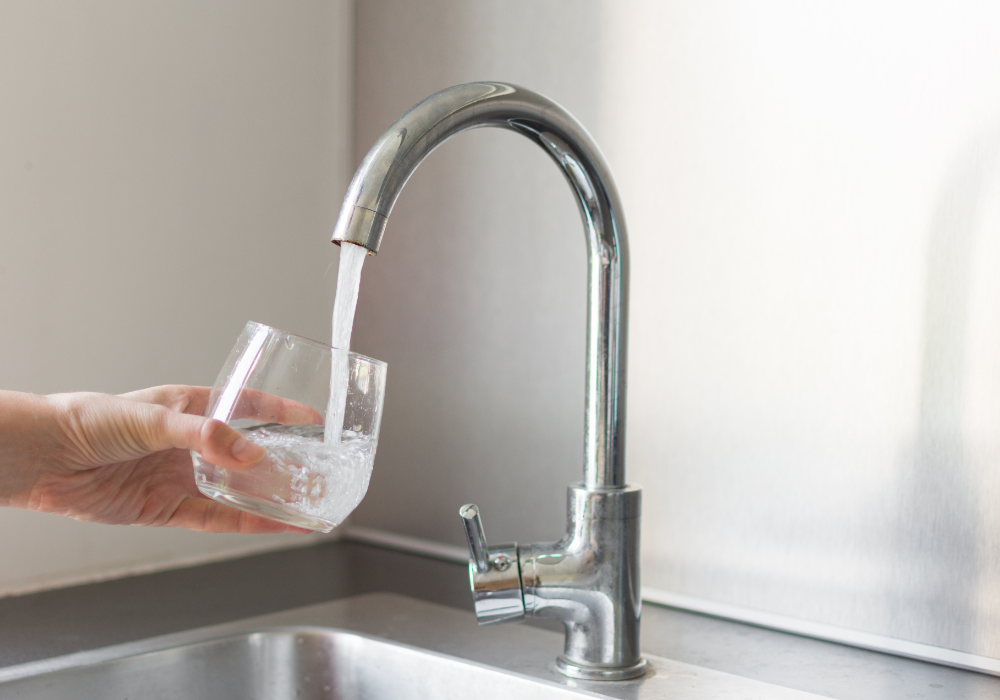
Most of us assume tap water is clean because it’s been treated—but “treated” doesn’t always mean toxin-free. In many areas, drinking water still contains trace levels of chlorine, lead, pesticides, PFAS (a.k.a. “forever chemicals”), and even pharmaceutical residues.
And while each might be within “safe” limits individually, the combined exposure over time adds up fast. Especially if you’re drinking it, cooking with it, and bathing in it daily.
This doesn’t mean you need to live in fear of every glass. But a good filter can make a huge difference. Whole-house or under-sink filters help remove the stuff your local plant leaves behind. Even a solid water pitcher filter can help cut down on contaminants. Clean water isn’t a luxury—it’s a baseline. And once you taste the difference (or feel it in your skin), you’ll wonder why you waited so long.
7. Fast food packaging comes with a bonus layer of chemicals.

Even if you skip the fries, the wrapper itself might be adding to your toxin load. Many fast food containers, paper cups, and greasy sandwich wraps are coated with PFAS to make them water- and oil-resistant. These chemicals don’t just keep your burger from soaking through the paper—they also leach into your food. Once they’re in your body, they stick around for years.
These forever chemicals have been linked to hormone disruption, immune system issues, and even cancer. The problem isn’t just the meal—it’s the packaging. So even if you’re just grabbing takeout once in a while, the exposure adds up. If you’re eating on the go, try transferring the food to your own container or skipping the wrapper entirely when you can. Sometimes the most toxic part of fast food isn’t what’s in it—it’s what it’s wrapped in.
8. Cleaning sprays can turn your home into a chemical cloud.
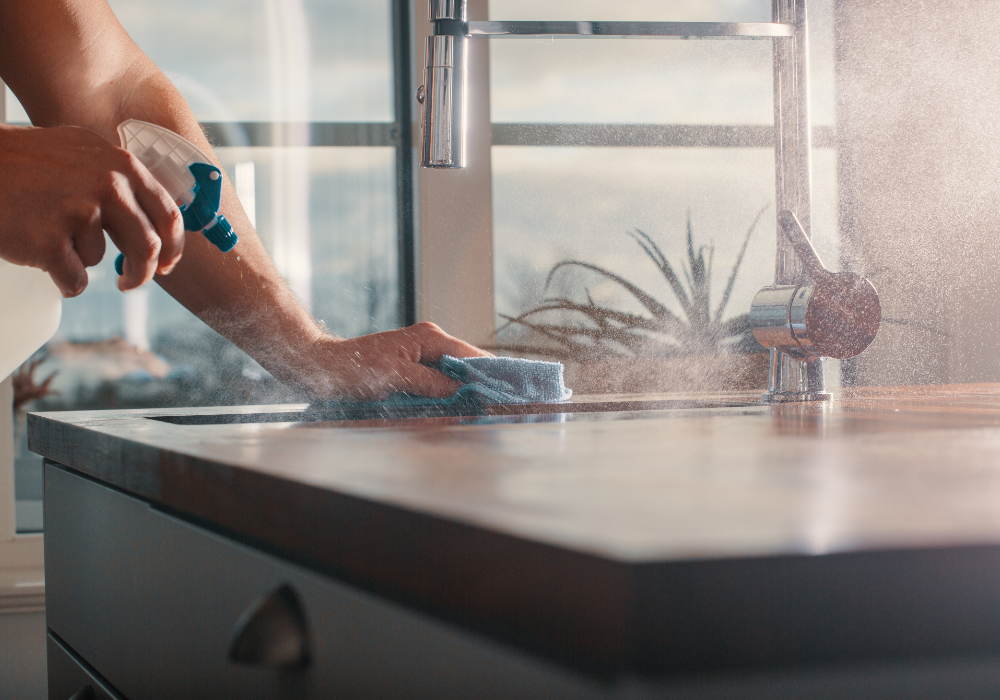
Fresh lemon scent, sparkling counters… and lungs full of questionable ingredients. Many household cleaning products contain harsh chemicals like ammonia, bleach, and synthetic fragrance. When you spray them into a room with poor ventilation, you’re not just killing germs—you’re also polluting your indoor air and possibly irritating your skin, eyes, and lungs.
Ironically, “clean” doesn’t always mean safe. Some products labeled as “natural” still include hidden ingredients that don’t have to be disclosed due to loose regulations. If you feel lightheaded, itchy, or short of breath while cleaning, that’s not just being sensitive—it’s your body sounding an alarm. Consider switching to simpler, fragrance-free products or even DIY solutions with vinegar and baking soda. You can disinfect without inhaling a lab experiment. A clean space shouldn’t come with a chemical hangover.
9. Nonstick pans leave behind more than a fried egg.
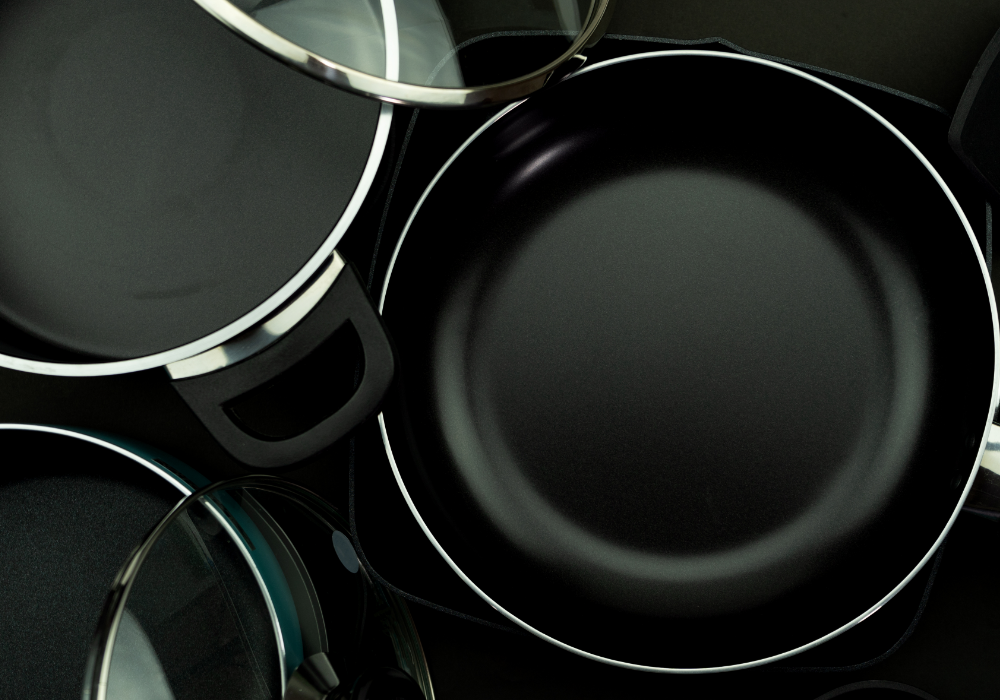
Cooking with nonstick pans seems like a kitchen win—less mess, no scraping, and eggs that glide like magic. But many nonstick coatings are made with PTFE or other PFAS chemicals, which can release toxic fumes when overheated. And no, you don’t have to burn the pan—just medium-high heat is enough to get them shedding.
These fumes have been linked to everything from flu-like symptoms (yes, that’s real—it’s called “Teflon flu”) to more serious long-term issues. Scratched or aging pans can be even worse, since flakes of coating may end up in your food. The switch? Go for cast iron, stainless steel, or ceramic-coated cookware that’s free of forever chemicals. They might need a little extra love, but they don’t come with a side of endocrine disruption. The only thing your pans should be serving is food.
10. Air fresheners are tiny toxin bombs in a pretty disguise.
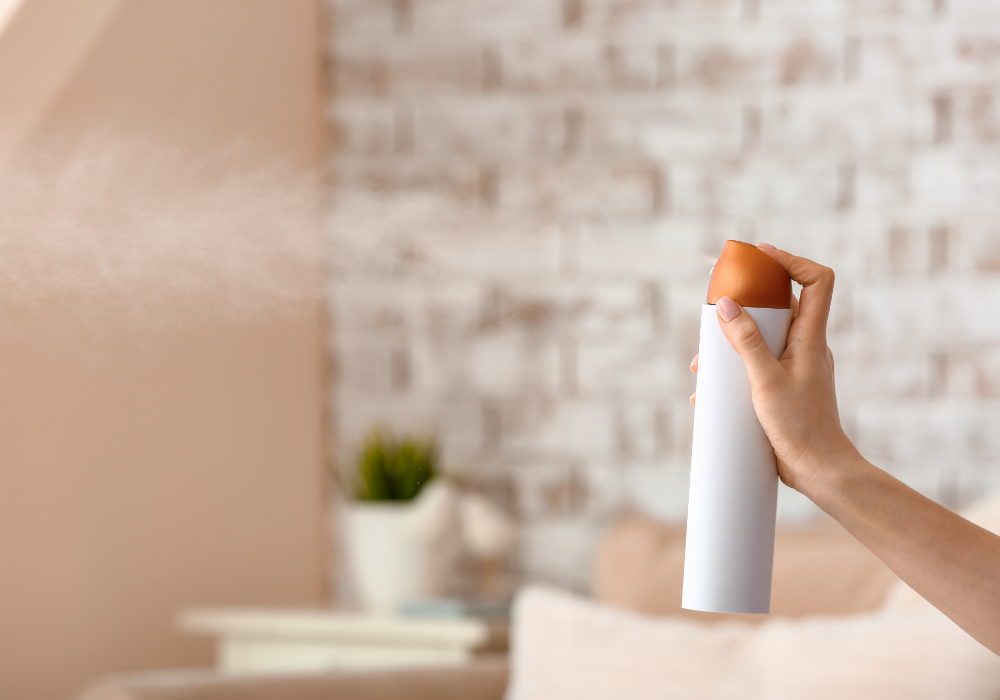
One quick spritz and the room smells like fake lavender bliss—but what you’re really breathing in is a mix of VOCs, phthalates, and synthetic fragrance chemicals. Air fresheners, plug-ins, and scented sprays don’t “clean” the air—they just mask odors while releasing toxins into your lungs. And those toxins can linger for hours.
People with asthma or allergies often feel the effects first, but even if you don’t notice immediate symptoms, your body still absorbs what’s in the air. Many of these ingredients are linked to hormone disruption, respiratory irritation, and even developmental issues in children. The better option? Crack a window, simmer some herbs on the stove, or use essential oil diffusers sparingly. A fresh-smelling home doesn’t need to smell like a chemical lab. You deserve air that feels as clean as it smells.
11. Dry cleaning tags along with more than just pressed clothes.
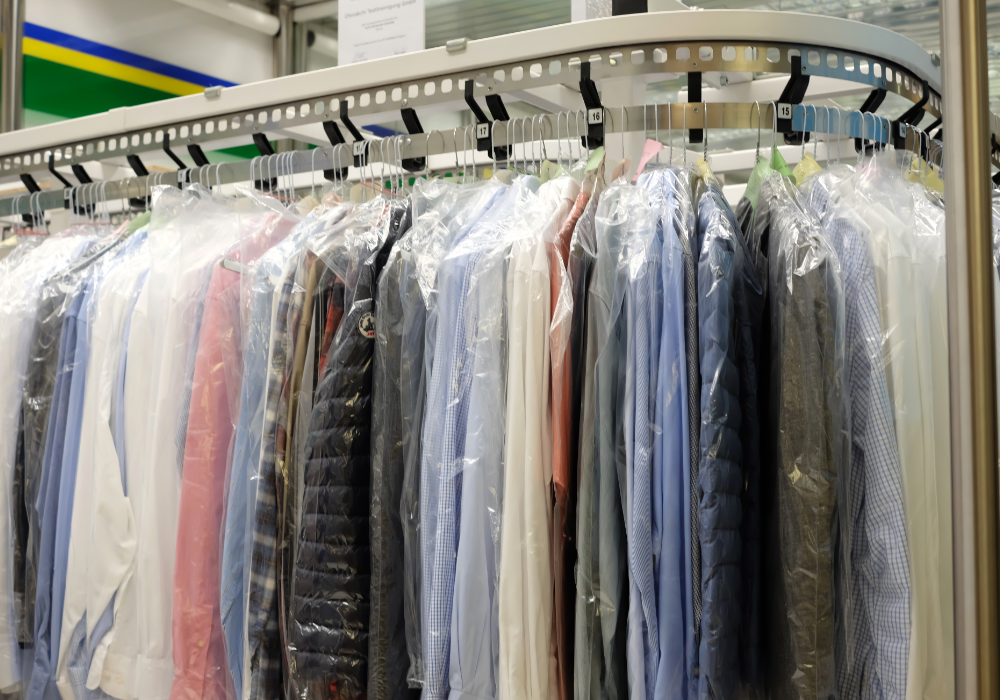
That “clean” smell from freshly dry-cleaned clothes isn’t actually clean—it’s chemical. Most traditional dry cleaners use a solvent called perchloroethylene (or “perc”) that’s been linked to everything from nervous system effects to cancer. The scent that lingers on your clothes? It’s not perfume—it’s residue. And the exposure doesn’t stop when you pick up your clothes—it follows you home and hangs in your closet.
Wearing freshly dry-cleaned garments, especially without airing them out, means you’re breathing in perc for hours. Some “green” dry cleaners use alternative solvents, but not all of them are actually safer. Look for ones that use liquid CO₂ or wet cleaning methods, and always remove the plastic covering to let your clothes breathe. Being wrinkle-free is great, but not if it comes with a side of chemical exposure you never asked for.