
The crisis feels huge, but these concrete actions give you real power.

It’s easy to feel paralyzed when you hear that the climate crisis is hurting—and even killing—children around the world. Rising temperatures, toxic air, and food and water shortages don’t just impact polar bears or distant glaciers; they’re hitting kids right now. But here’s the thing: you’re not powerless. You don’t have to overhaul your entire life overnight or move to a yurt in the woods to make a difference.
Real change starts with small, doable actions that add up. Each choice you make can help protect the most vulnerable and push for a healthier future. You don’t have to be perfect; you just have to start. These actions aren’t about guilt—they’re about stepping into your power and making sure kids have a fighting chance at a livable, joyful future.
1. Renewable energy choices at home slash your carbon footprint fast.
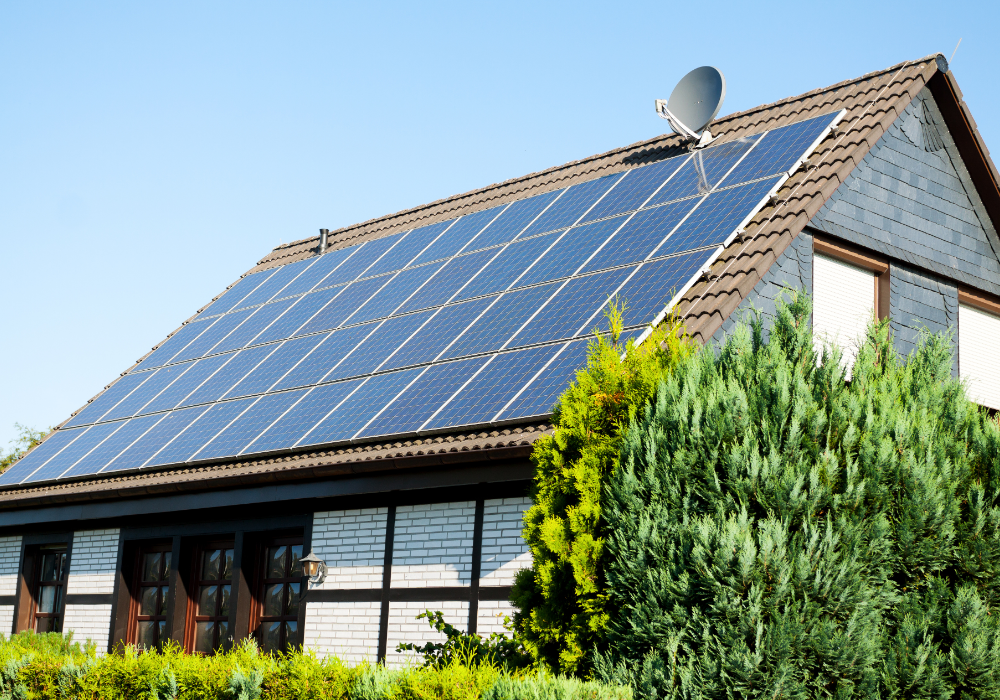
Your home is a powerhouse of potential change, and choosing renewable energy is one of the biggest levers you can pull. Many utility companies now let you opt into wind or solar energy without even installing panels. One quick sign-up, and suddenly your daily life—your morning coffee, your endless Zoom calls—is powered by cleaner sources.
By moving away from fossil fuels, you directly reduce the air pollution and emissions fueling asthma, heat waves, and food shortages hurting kids worldwide. It also sends a strong message to energy providers and policymakers that demand for renewables is rising. Every electric bill becomes a vote for healthier air and a safer climate future for children everywhere. It’s a powerful switch that’s easier than you think—and your future self will thank you.
2. Less meat on your plate means more hope for future generations.

The meat and dairy industries are among the top contributors to greenhouse gas emissions, deforestation, and water scarcity. Choosing to eat fewer animal products—even a couple of days a week—helps lower your carbon footprint dramatically. You’ll also reduce the strain on global food and water systems, which directly affects the health and nutrition of children in vulnerable regions.
Going fully plant-based isn’t necessary to make an impact. Try swapping beef for beans in tacos or using oat milk in your coffee. Small shifts lead to big collective change, and you might discover new meals that make you feel better physically and ethically. By rethinking what’s on your plate, you’re standing up for a world where kids don’t have to fight for basic resources—and you’ll feel proud every bite of the way.
3. Your vote can rewrite the story for millions of children.

No personal lifestyle change matches the power of systemic policy shifts. Casting your vote for leaders who prioritize climate action creates large-scale impact that individual choices alone can’t achieve. These decisions influence everything from clean energy funding to air quality regulations that directly protect children’s health and futures.
Beyond voting, show up at town halls, email your representatives, and talk to your community about climate-focused policies. Push for investments in renewable energy, green public transportation, and programs supporting vulnerable families.
Kids can’t vote yet—but you can use your voice to fight for them. By making climate a non-negotiable issue when you head to the polls, you help build a safer, more stable world for generations to come.
4. Young climate activists need your support and your solidarity.
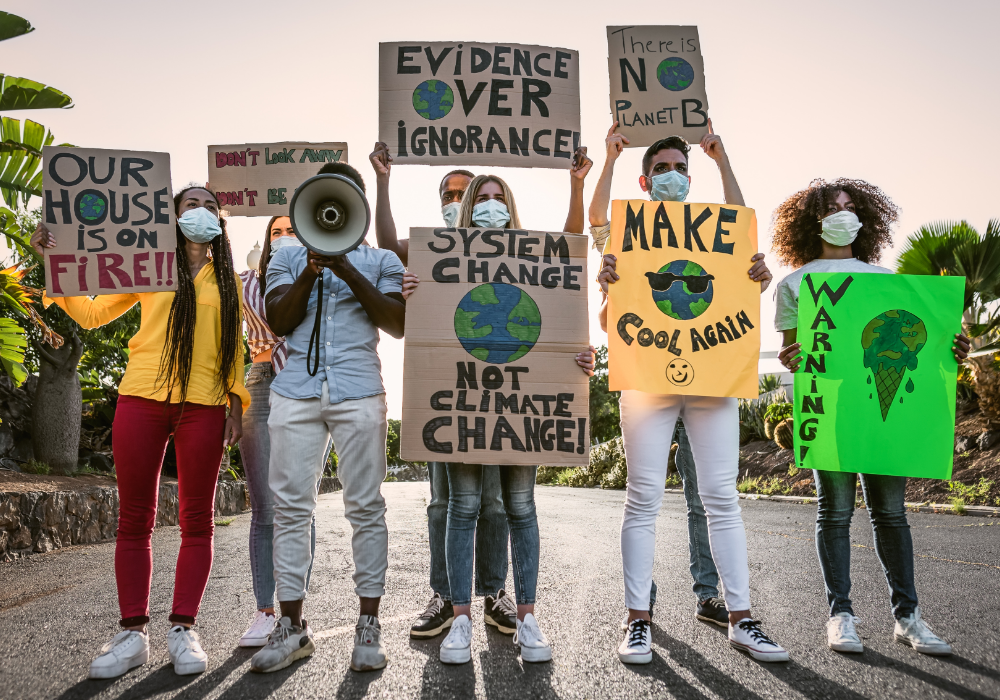
Today’s youth-led climate movements aren’t just inspiring—they’re essential. These young leaders are calling out inaction and demanding a future that’s actually livable. They bring urgency and authenticity to the fight that no politician can replicate. Supporting them—financially, vocally, or by simply showing up—magnifies their impact and keeps momentum strong.
Share their content, donate to their organizations, or attend their rallies. If you’re a parent, encourage your kids to learn about these movements and get involved if they’re interested. When adults back young activists, it validates their voices and helps protect them from burnout and backlash. Together, you help shape a future where children grow up empowered, heard, and hopeful instead of anxious about survival. Their courage deserves our backup—always.
5. Plastic-free habits fight pollution that poisons young bodies.

Plastic pollution isn’t just ugly litter—it’s a health hazard creeping into food, water, and even the air. Microplastics have been found in children’s bodies, raising serious concerns about long-term effects on development and health. Every time you refuse a plastic bag or skip a single-use water bottle, you help shrink this invisible threat.
Switch to reusable bags, bottles, and containers. Choose products with minimal or no plastic packaging. These small daily decisions collectively send a huge market signal: we want safer, cleaner alternatives.
By cutting down on plastic, you help lower exposure to chemicals and pollution that hurt the youngest and most vulnerable. Protecting kids starts with these everyday swaps, and once they become habit, you’ll never look at a plastic fork the same way again.
6. Clean transportation choices clear the air kids breathe.
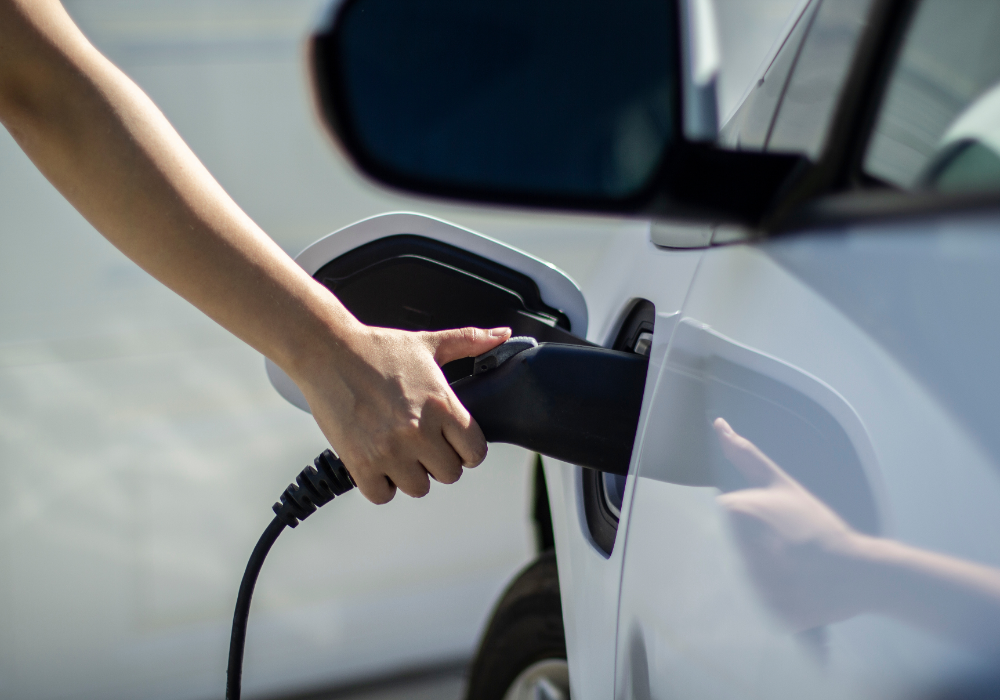
Cars and trucks are huge contributors to air pollution and greenhouse gas emissions. Poor air quality doesn’t just harm the planet—it’s linked to asthma, allergies, and developmental issues in children. Every time you choose to walk, bike, take public transit, or carpool, you help reduce the pollution floating around schoolyards and playgrounds.
Even small changes, like consolidating errands or choosing a hybrid or electric vehicle when possible, can make a big difference over time. Cleaner transportation also signals to city planners and policymakers that communities want safer, greener options. Healthier air means healthier kids who can run, play, and grow without breathing in toxic fumes. When you think of each ride as an investment in children’s health, skipping that solo car trip feels a lot more empowering.
7. Home energy efficiency upgrades create a ripple far beyond your walls.
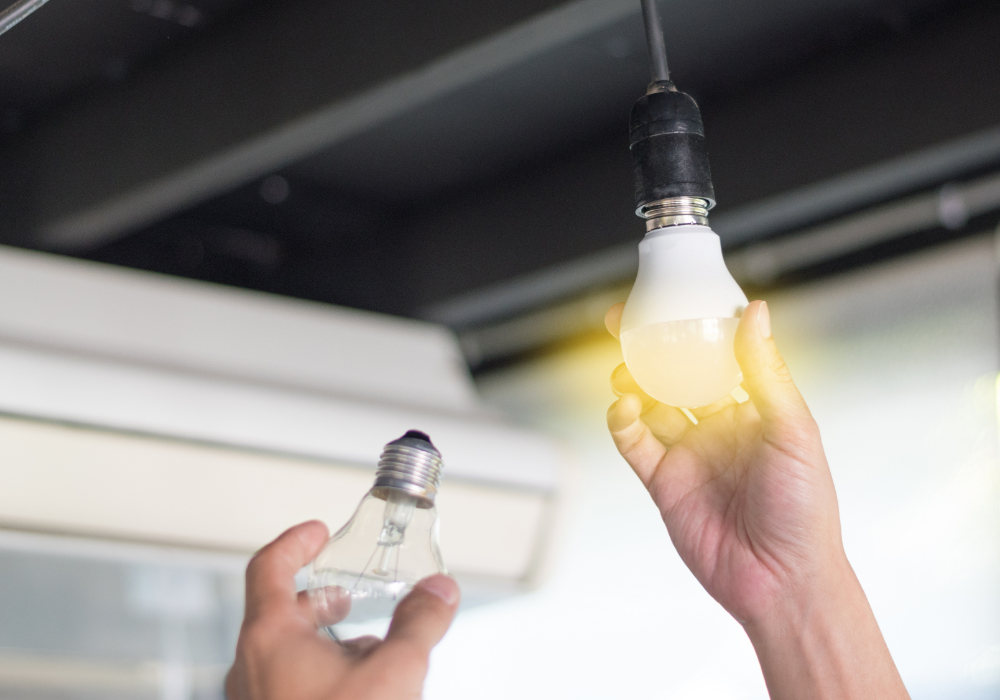
Drafty windows and inefficient appliances might feel like personal annoyances, but they actually fuel larger climate problems. Upgrading to energy-efficient light bulbs, sealing leaks, and using smart thermostats reduce your energy use and lower emissions that heat up the planet. Less energy wasted at home means less pollution in the air and fewer climate-driven disasters threatening kids globally.
Even if you start small, each step saves money on your bills and cuts down on harmful emissions. Sharing your upgrades with friends or neighbors can inspire them to make changes too, multiplying the impact. By treating your home like a mini climate action center, you create a ripple effect that extends far beyond your front door. It’s a powerful reminder that fighting climate change starts right where you live.
8. Community gardening empowers neighborhoods and supports local kids.
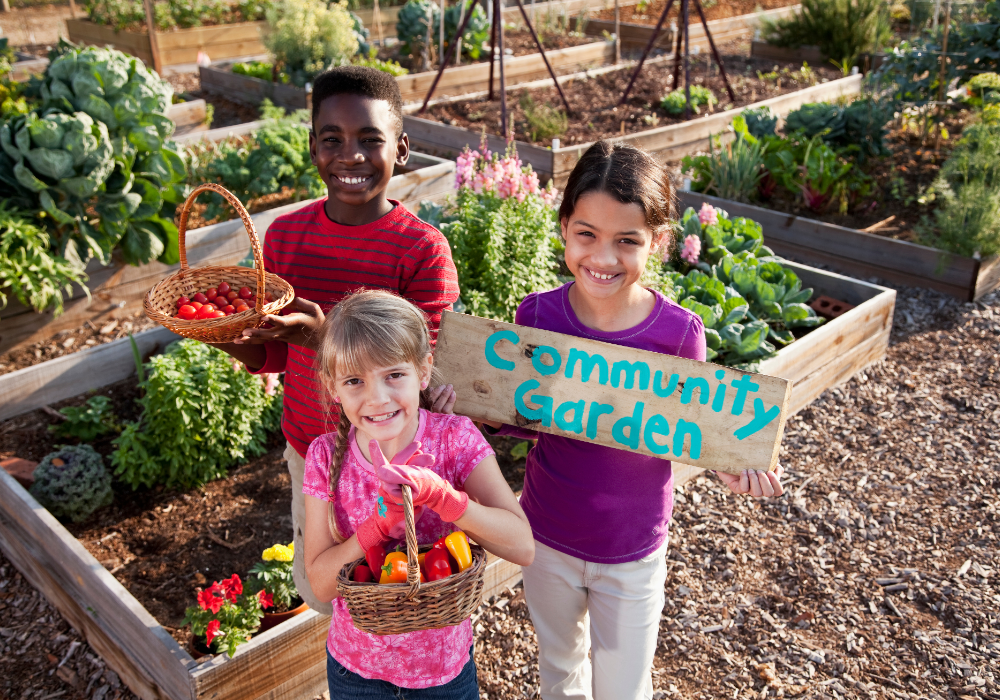
Local gardens do more than grow veggies—they build community resilience and improve food security. Neighborhood plots provide fresh produce, reduce dependence on carbon-heavy food supply chains, and create green spaces where kids can learn and play safely. When children get involved, they build healthy habits and connect with nature, which supports mental and physical well-being.
You don’t need to be a gardening pro to help. Volunteer at a community plot, support local urban farming programs, or start small with a shared herb garden on your block.
Watching food grow is magical for kids and teaches them about sustainability in the most hands-on way. Plus, gardens strengthen social ties and empower communities to support one another during climate-related challenges. Every seed planted is an act of hope and resilience.
9. Strong support for climate education empowers future leaders.
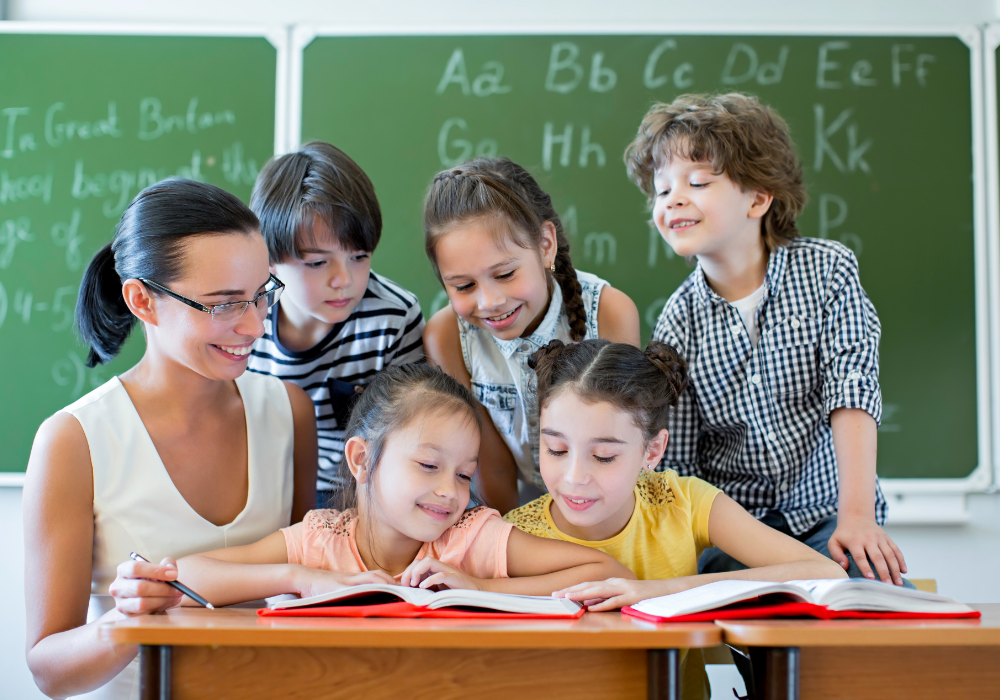
Education is one of the most underrated yet powerful climate tools we have. By supporting programs that teach kids about sustainability, science, and environmental justice, you help equip the next generation to tackle the crisis head-on. Schools that integrate climate education empower children to understand the stakes and inspire them to innovate real solutions.
You can advocate for better climate curriculum in your local schools or donate to organizations that develop youth-focused environmental programs. Even talking to kids in your life about climate in honest, age-appropriate ways makes a difference. Knowledge builds agency—and when kids feel empowered rather than terrified, they’re more likely to take action and lead with confidence. Raising informed, brave young voices is one of the best investments we can make for the future.
10. Financial choices can starve polluters and uplift clean solutions.

Where you put your money matters more than you might think. Big banks and investment firms often fund fossil fuel projects, deforestation, and other planet-wrecking activities. Shifting your savings to ethical banks, credit unions, or green investment funds cuts off financial support to polluters and boosts companies working toward a cleaner future.
Research where your bank or retirement accounts invest and switch if needed. Supporting businesses that prioritize sustainability further pushes the market toward climate-friendly practices. Money talks, and yours can either feed the problem or fuel the solution. These shifts might seem small individually, but collectively they send a loud message: we want a future where kids thrive, not one scorched by corporate greed. Every dollar redirected is a vote for their right to a safe, livable world.
11. Conversations spark collective courage to fight for kids’ futures.

Talking about climate change can feel awkward or heavy, but staying silent keeps the status quo firmly in place. Open, honest conversations with friends, family, and coworkers normalize climate action and inspire others to get involved. These small discussions ripple out, shifting perspectives and building a community mindset that prioritizes children’s health and future.
You don’t have to be an expert—just share your concerns, your small changes, and why it matters to you. When people see someone they trust caring deeply, it breaks down apathy and fear.
Encouraging even one other person to act creates a chain reaction stronger than you might imagine. The more we talk, the less alone we feel—and the more momentum we build to create a world where kids can grow up safe, healthy, and hopeful.