
We got more speed, but lost more soul than we realized.

Everything now fits on a screen. Your bookshelf? It’s an app. Your camera? Also an app. Even friendships, music collections, and daily routines have been shrunk into pixels and notifications. There’s no doubt tech makes life faster, more efficient, and in many ways, easier. But somewhere in that transition, we traded away things we didn’t realize we’d miss—until they were gone.
Analog life had a texture. A slowness. A sense of presence that’s harder to come by in a world buzzing with alerts and updates. It wasn’t perfect, but it was tangible. You could hold it, rewind it, hear the static, feel the weight. Now that we live through screens, a lot of the analog world feels like a dream we woke up from. But the truth is, some of that old reality might’ve been more real than what we’ve replaced it with.
1. Physical photos held memories in your hands, not in a cloud.
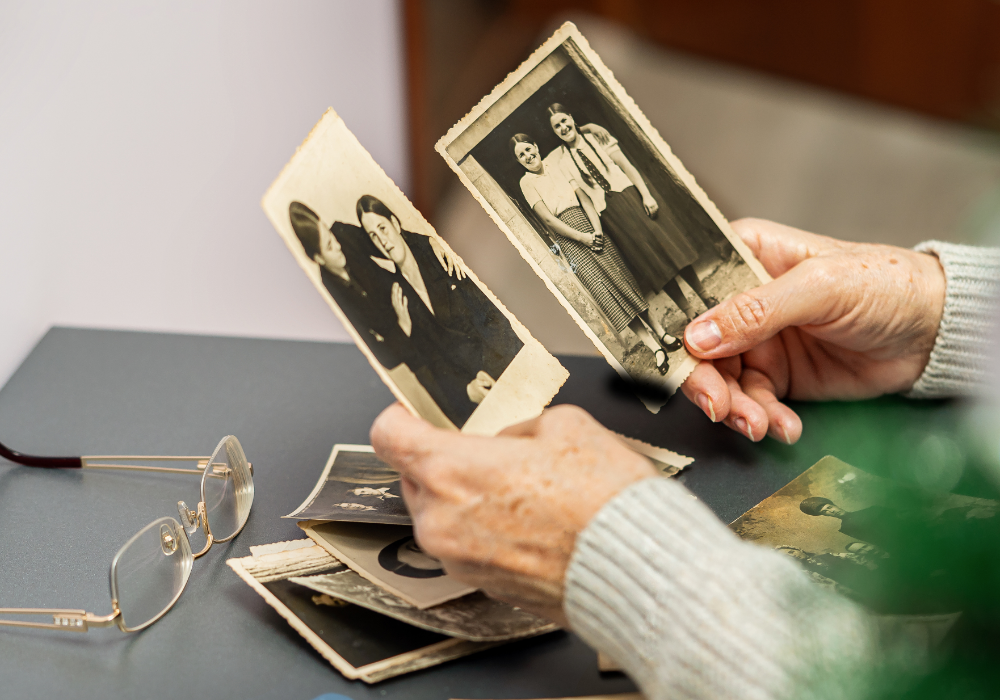
Remember flipping through an old photo album? Each picture had its own story, its own moment frozen in time—not just in pixels, but in paper, texture, even smell. Now we scroll endlessly through thousands of images on our phones, rarely printing any of them. It’s convenient, sure, but something gets lost in the flood.
Research published by Michael Nunes for ScienceDirect indicates that physical photographs, with their tangible presence, allow for direct physical interaction, capturing the essence of experiences more profoundly than digital alternatives. Today, most photos live in a cloud we barely visit, buried in endless digital noise. What used to live on the fridge now disappears into forgotten folders.
2. Handwritten notes felt personal in a way texts never can.
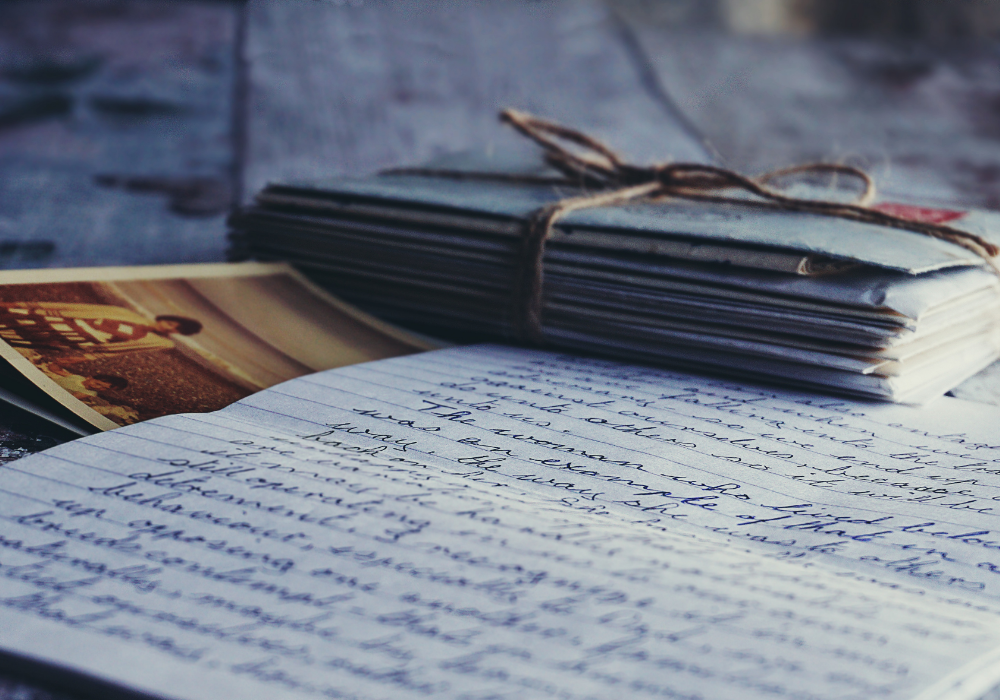
A sticky note on your mirror. A letter in the mail. Even a doodle in the corner of a notebook—these were the little gestures that carried weight. Handwriting was messy, unique, and impossible to replicate. According to Nova Weetman for The Guardian, handwriting personalizes memories, aids creativity, and strengthens memory retention, offering a deeply personal connection that digital communication often lacks.
Now it’s all typing—quick, clean, and impersonal. Texts get read and forgotten. Emails stack up. Digital messages don’t live in your drawer or get tucked away in a shoebox. We’ve gained speed, but lost warmth. A handwritten note lingers in a way a DM never will. And in a world obsessed with instant delivery, that slower, more thoughtful form of communication is quietly fading into memory.
3. Flipping through vinyl or tapes made music feel like an experience.

Music wasn’t always background noise. It used to be something you planned for. You sat with an album, flipped it over, memorized the track list, and read the liner notes. Whether it was a mixtape or a stack of vinyl, there was a ritual to it.
A 2023 study published by Michael Walsh for SageJournals indicates that streaming services have transformed music listening into a more passive activity, with platforms like Spotify encouraging background listening through algorithmically curated playlists. Streaming makes everything available, instantly. And that’s amazing, but it’s also overwhelming.
We skip around, half-listen, and rarely finish an album. With analog formats, you committed. You got to know every crackle, every skip, every surprise. That imperfection made it feel alive. Now music is cleaner, faster, and always on—but sometimes, it feels like we’re not really listening.
4. Real books offer focus that screens keep stealing.

Opening a paperback feels different. You settle in. You turn actual pages. You see how far you’ve come. With no pop-ups or messages pulling you away, it’s easier to stay immersed. Reading a physical book isn’t just about the story—it’s about the experience of slowing down, staying present, and giving your brain one job to do.
E-readers and apps may be convenient, but the distractions come built-in. Even the glow of the screen changes how you absorb information. With a book in your hands, your attention sharpens. You’re not skimming—you’re absorbing. And long after the last page, you remember the feeling of the paper, the weight of the story, and maybe even the smell of the ink. None of that fits in a swipe.
5. Old-school travel made room for curiosity and surprise.

Before smartphones gave us turn-by-turn directions, traveling felt like a personal challenge. You relied on printed maps, street signs, and advice from strangers. Sure, you got turned around sometimes—but those moments often led to the best memories. You discovered places by accident and connected with people you’d never meet through a screen.
Now we follow the fastest route, trusting the tech to get us there without question. But when every step is mapped out, there’s no space for spontaneity. Losing your way once meant finding something new. Today, it just feels like a glitch. Modern navigation keeps us efficient, but the old way helped us stay curious—and that’s something GPS can’t replicate.
6. Film photography brought intention to every shot.

Back when photos came with a price—per roll, per print—you didn’t just snap everything in sight. You paused. You composed. You hoped it would turn out, because there was no instant preview, no endless do-overs. And when the prints finally came back, it felt like opening a time capsule.
Today’s photos are fast and forgettable. We take dozens, maybe hundreds, and delete most of them without a second thought. But with film, every frame had weight. Blurry or perfect, each picture told a story, and you remembered the moment it captured. It wasn’t about chasing likes—it was about making memories last. Digital made photography easier, but film made it meaningful.
7. Making mixtapes meant effort that playlists just don’t require.

Crafting the perfect mixtape took time, patience, and heart. You chose every song for a reason, recorded it in real time, and maybe even decorated the case with doodles or liner notes. It wasn’t just music—it was a message. A love letter, a friendship tribute, a late-night mood in cassette form.
Now, with a few clicks, we can make a playlist in seconds. It’s easy, but it’s also effortless in a way that loses something. A mixtape meant you really listened—to the music and the person you made it for. It had a beginning, a middle, an end. It told a story. And whether it played in a Walkman or sat on a shelf, it felt like a piece of you. That kind of effort doesn’t live in shuffle mode.
8. Board games created connection that screens can’t replace.

Game nights used to bring people around a table, not behind separate screens. You sat face-to-face, laughed too hard, got a little competitive, and maybe even made up house rules. There were no ads, no lag, no in-app purchases—just time spent being present with other people.
Now, most games live in apps or online platforms. They’re quick, polished, and always available—but they often feel…flat. There’s no passing the dice, no playful arguing, no spilled snacks or shared reactions. Analog games required attention and interaction. They didn’t just pass the time—they created memories. Digital versions can mimic the game, but not the feeling of being fully in it, together.
9. Listening to the radio meant stumbling onto something unexpected.
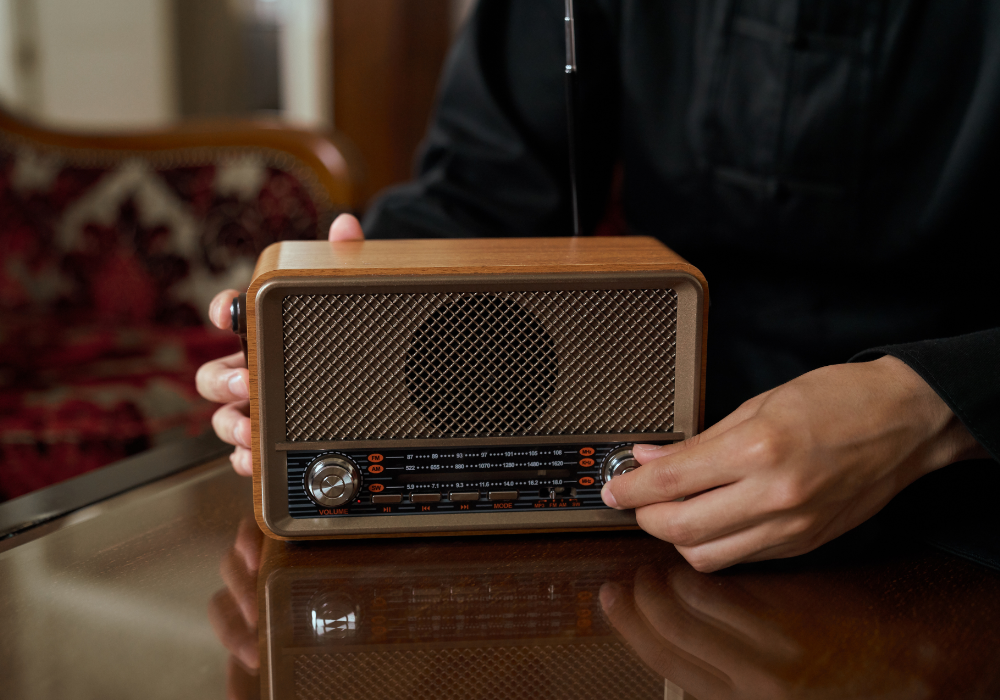
Before curated playlists and endless skips, radio was how we discovered new music. You never knew what would come next, and that unpredictability was part of the charm. You waited for your favorite song, learned about new artists, and maybe even called in to request a track or win concert tickets.
Streaming gives us total control, but also makes discovery feel forced. Algorithms try to guess what you’ll like, but they often feed you more of the same. With radio, you didn’t choose every track—and that’s what made it exciting. It wasn’t about tailoring everything to your taste. It was about opening up to something new. Sometimes, magic happens when you don’t pick the song.
10. Journals brought reflection to a world that now rushes past it.

There was something powerful about sitting down with a notebook and letting your thoughts spill out. No screens, no filters, no distractions—just a pen, some paper, and whatever was on your mind. Writing by hand gave your thoughts space to stretch out. It wasn’t about perfection—it was about presence.
Today, notes get typed and saved in the cloud, but they don’t feel as personal. Handwriting slows you down. It makes your thoughts feel real. Flipping back through an old journal is like meeting a past version of yourself. You see your growth in the ink, the crossed-out lines, the smudges. A screen can store your words, but a journal holds your voice.
11. Anticipation made simple moments feel bigger.

Waiting for something used to be part of the excitement. You circled album release dates, checked the mailbox, counted down the days until your favorite show came on. That build-up made everything feel a little more special. It stretched time in a way that made the reward sweeter.
Now we click, stream, and binge without pause. Everything’s immediate, and if it’s not, we get annoyed. But instant access takes something away. When you don’t have to wait, it’s harder to savor what you get. Analog life reminded us that the in-between moments matter too. That joy doesn’t just live in having—it lives in hoping.