
Entire industries are being transformed as algorithms take over roles once held by people.
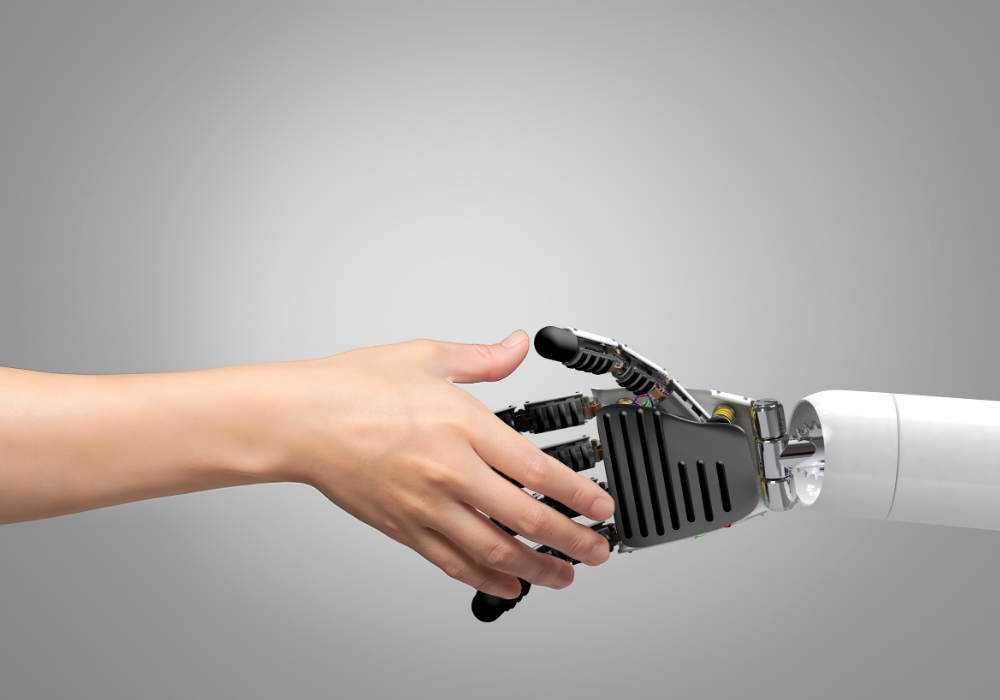
There was a time when all this tech sounded exciting. Smarter machines, faster software, endless automation—it was supposed to make life easier. And in some ways, it has. But while everyone was celebrating “the future,” something bigger was happening behind the shiny gadgets and apps. The same technology designed to boost productivity has quietly started replacing the people who used to do the work.
It’s not some distant threat. It’s here, right now. AI writes articles, robots stock warehouses, algorithms scan resumes, and virtual assistants answer phones. Entire careers that once seemed untouchable are vanishing or being hollowed out. Companies love the efficiency. Workers, not so much. The future didn’t sneak up on us—it sprinted in while everyone was busy downloading the next update. These 11 technologies aren’t theoretical anymore. They’re already rewriting the job market faster than anyone expected.
1. AI writing tools are churning out content that used to require human creativity.

Once upon a time, content creation was a distinctly human skill—writers, copy editors, and journalists crafting words that informed or entertained. Now? AI writing tools can generate blog posts, social media captions, product descriptions, and even full articles in minutes. Algorithms pull from massive language databases, spitting out polished drafts that require minimal human input.
While some companies still rely on humans for nuance, many are happy to cut costs by letting AI handle the bulk of writing tasks. Freelancers, entry-level copywriters, and even experienced journalists are watching their job markets shrink as algorithms produce acceptable—if soulless—content at scale. According to Josh Horwath at Exploding Topics, 81.6 percent of digital marketers believe content-writing jobs will be lost to AI, signaling how quickly the writing industry is transforming. Creativity is still valuable, but now it competes with software that never needs a coffee break.
2. Self-checkout machines are quietly replacing entire cashier workforces.

Grocery stores, big box retailers, and fast-food chains have embraced self-checkout as the new normal. What started as a “convenience option” quickly became a cost-cutting strategy to eliminate human cashiers entirely. Fewer employees mean lower wages to pay, and customers willingly do the scanning work themselves, often without realizing they’re doing someone else’s old job.
Per Annie D’Innocenzio for AP News, self-checkout now accounts for about 30% of all retail transactions—up from roughly 15% in 2018—while the Bureau of Labor Statistics reports cashier roles are expected to decline by another 10% over the next decade. Some stores even install more machines than manned lanes, subtly nudging shoppers to adapt. And while these systems still need occasional oversight, they reduce the number of full-time jobs dramatically.
For businesses, self-checkout means fewer sick days, no breaks, and endless scalability. For workers, it means shrinking opportunities in one of the few industries that historically provided reliable entry-level employment. The trade-off for faster lines is fewer jobs behind the register.
3. Automated warehouses run by robots are eliminating traditional warehouse jobs.
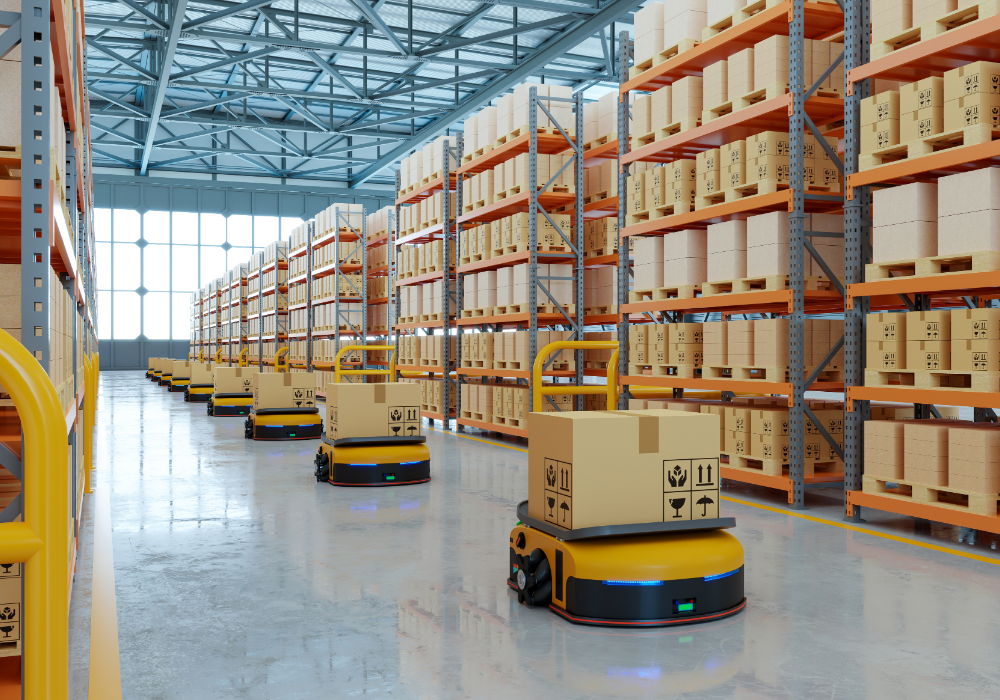
Massive e-commerce warehouses once bustled with workers pulling items off shelves and packing boxes. Today, those same warehouses are increasingly filled with fleets of robots zipping through aisles, retrieving goods with machine precision. Companies like Amazon have poured billions into warehouse automation, cutting labor costs while boosting efficiency.
As highlighted by writers for TBS Report, Amazon now deploys over 750,000 robots across its fulfillment centers—replacing an estimated 100,000 human jobs. Human workers are still needed—for now—to handle tasks robots struggle with, like quality checks or complex packaging. But as technology improves, the human role keeps shrinking. Entire shifts that once required hundreds of workers are now handled by a fraction of the staff, with robots tirelessly filling the gaps. Automation doesn’t strike with one big layoff—it chips away quietly, replacing tasks piece by piece until entire job categories slowly disappear. The warehouse of the future doesn’t need nearly as many people as it once did.
4. Customer service chatbots are taking over call centers one conversation at a time.

Customer service was once one of the largest global employers, with armies of people answering phones, emails, and support tickets. But AI-powered chatbots are rapidly carving into that workforce. Virtual agents now handle everything from basic troubleshooting to account management, guiding customers through issues without ever involving a human.
The more sophisticated these systems become, the fewer human agents companies need on staff. Chatbots don’t call in sick, don’t need training breaks, and can handle thousands of conversations simultaneously. Human agents are increasingly relegated to complex or escalated issues, while entry-level support jobs disappear. This shift saves companies millions but leaves countless workers scrambling to find new roles in industries where automation keeps creeping upward. The friendlier and more natural chatbots sound, the fewer people there are behind the screen.
5. Facial recognition systems are replacing human security and surveillance staff.
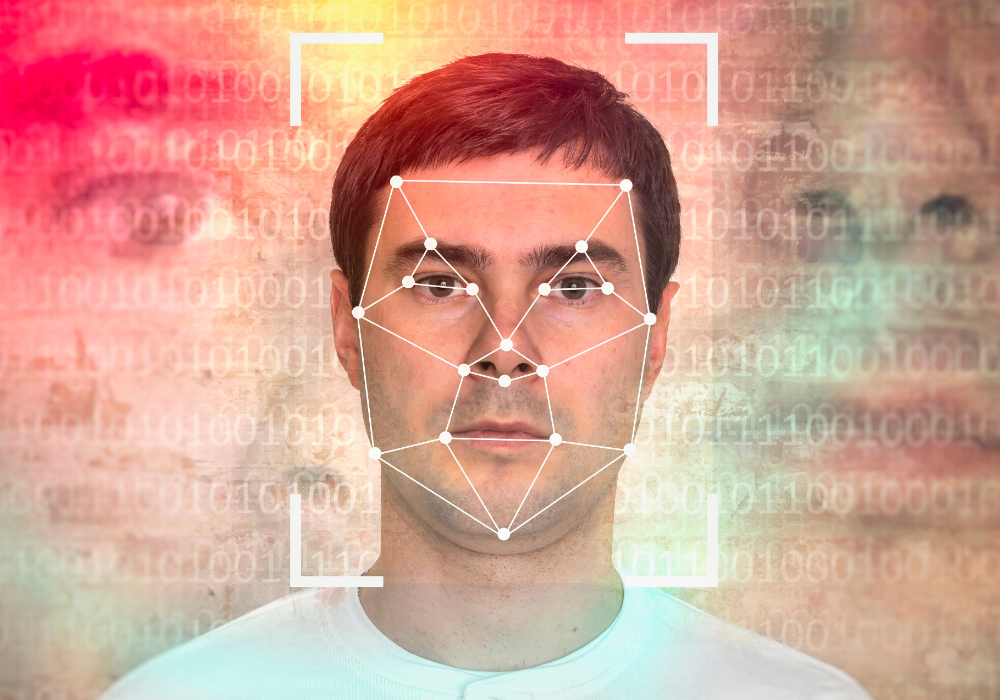
Security jobs once depended on guards watching video feeds or physically patrolling buildings. Now, facial recognition technology can scan thousands of faces instantly, flagging threats in real time without any human eyes involved. Airports, stadiums, and even private businesses are installing these systems to monitor crowds with ruthless efficiency.
The argument is always about safety and speed, but the hidden cost is human jobs vanishing as cameras and algorithms quietly do what once took entire teams of people. As facial recognition becomes more advanced—and controversial—it’s increasingly used to replace basic human oversight altogether. Security firms once reliant on large staffs now manage fewer people as machines take over the constant surveillance workload. The watchful eye has gone fully digital, and for security workers, that’s a shrinking job market with little room to fight back.
6. Robo-advisors are replacing financial planners with emotionless algorithms.
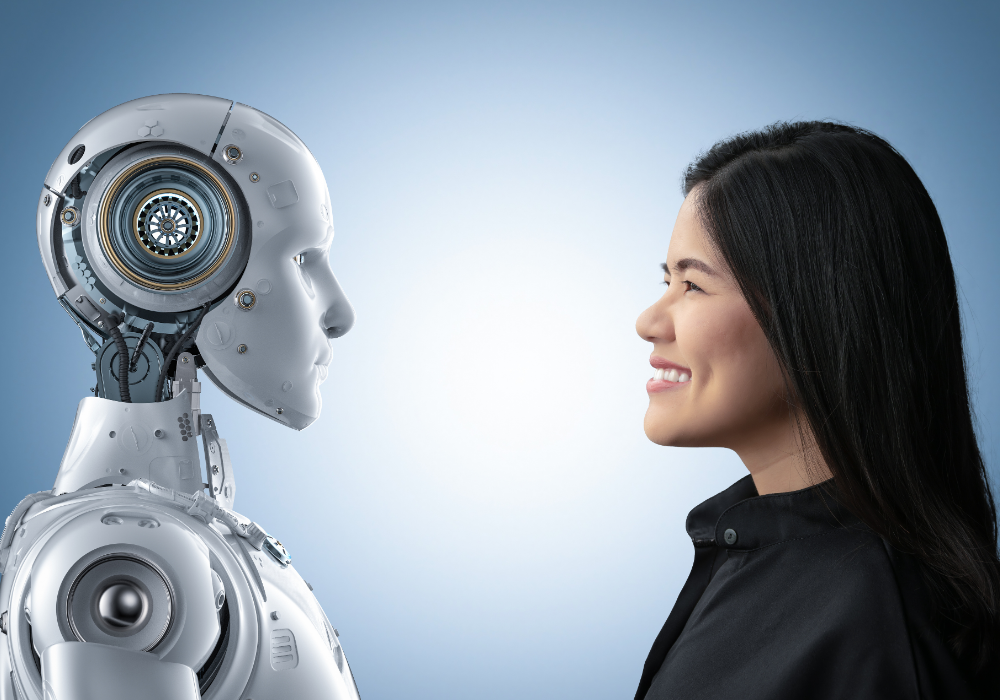
Investing used to require face-to-face meetings with financial advisors, who built customized portfolios based on client needs. Now, robo-advisors crunch data, assess risk profiles, and allocate assets automatically. With lower fees and 24/7 access, these platforms have lured millions away from traditional human advisors.
For entry-level financial planners and wealth managers, this shift cuts deep. Many clients—especially younger ones—prefer cheap, algorithm-driven investing over paying for human advice. While complex financial planning still benefits from personal expertise, vast portions of routine portfolio management have been handed off to software that never tires or second-guesses itself. What started as a niche tool has grown into a legitimate threat to an entire professional class that once seemed future-proof.
7. Autonomous farming machines are reducing the need for human agricultural labor.

Agriculture has always relied heavily on human labor—planting, harvesting, and managing crops across massive fields. But now, autonomous tractors, drones, and AI-powered irrigation systems are transforming modern farming. Machines can plant seeds with laser precision, monitor crop health from the sky, and harvest entire fields without anyone behind the wheel.
This shift means fewer seasonal workers and fewer full-time farmhands. Technology handles tasks that once required armies of laborers, offering efficiency gains that large agribusinesses eagerly embrace. Small farmers struggle to compete unless they invest in similar tech, accelerating consolidation. As these machines improve, the human role in food production continues to shrink, changing not just how we farm—but who gets to farm at all.
8. Automated hiring software is replacing human recruiters in early stages of job searches.

Landing a job used to involve humans reading resumes and conducting interviews. Now, AI hiring platforms screen applications, rank candidates, and even conduct video interviews analyzed by algorithms. Facial expressions, voice tone, and word choice are all scanned by machine learning to assess “fit” long before a human recruiter ever gets involved—if they do at all.
These systems save HR departments time and money, but they also introduce biases and errors that candidates can’t appeal. Many qualified applicants never get past the algorithm’s first filter. For entry-level recruiters and HR professionals, these tools eliminate much of the initial screening work that once defined their jobs. The gatekeepers are no longer people—they’re code, quietly sorting human applicants with no explanation or accountability.
9. Algorithm-driven legal software is chipping away at junior law firm positions.

Legal work has long been protected by its complexity. But now, AI software can scan contracts, review discovery documents, and conduct legal research at speeds no junior associate could match. Document review—the tedious, labor-intensive work that fueled entire armies of junior lawyers—is increasingly automated.
While senior attorneys still oversee strategy and courtroom appearances, many of the entry-level roles that once trained new lawyers are disappearing. Law firms save millions by replacing young associates with software that never misses a deadline or charges billable hours. The legal field still requires human expertise, but the traditional path of climbing the ladder is narrowing as AI chips away at the bottom rungs. What was once seen as safe, prestigious work is now being dissected by code.
10. AI-powered design tools are taking work from graphic designers and illustrators.

Design work was long considered safe from automation because it required creativity. But AI-powered design tools are now generating logos, ad layouts, and even complex illustrations with frightening speed and surprising quality. Platforms can analyze brand guidelines and produce dozens of polished designs instantly—often good enough for clients who prioritize speed and cost over artistic nuance.
Freelance designers and entry-level creatives face increasing competition from software that eliminates revision rounds and endless client meetings. While top-tier creative work still requires human vision, many businesses now use AI tools for everyday design needs that previously paid real people. The race toward faster, cheaper design chips away at an industry once built on human creativity, forcing designers to fight for the shrinking work that algorithms haven’t fully mastered—yet.
11. Advanced medical AI is starting to replace diagnostic roles once reserved for doctors.
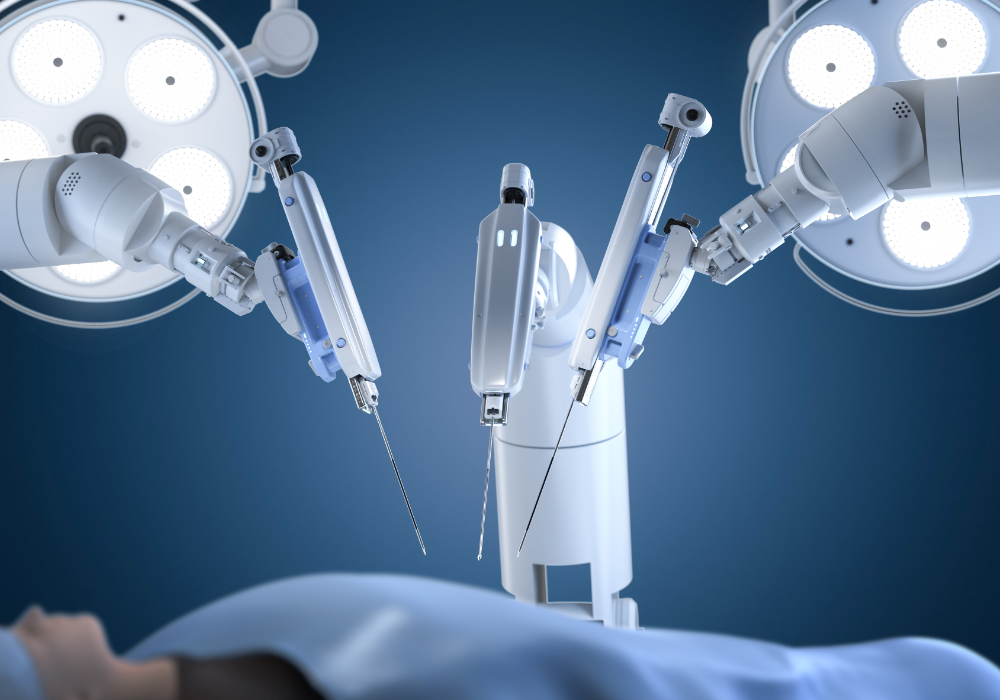
Medical AI systems are now analyzing X-rays, CT scans, and lab results with astonishing accuracy. In some studies, algorithms outperform human radiologists in detecting certain cancers and abnormalities. Machine learning models can sift through vast patient data to suggest diagnoses, recommend treatments, and flag high-risk cases.
While doctors still make final decisions, the initial stages of diagnosis are increasingly handled by AI. Radiology, pathology, and even primary care diagnostics face growing automation pressure. Fewer specialists may be needed as AI handles early screening and routine analysis, fundamentally reshaping healthcare careers that once seemed untouchable. The tech promises efficiency and cost savings, but it also signals that even highly trained professionals aren’t safe from the creeping march of automation.