
Under the yoga mat and supplements is just another sales pitch.

Wellness was supposed to be about slowing down, taking care of yourself, and tuning into what really matters. But somewhere along the way, it turned into another excuse to sell things. From $90 jade rollers to “must-have” adaptogens, the wellness industry has ballooned into a multi-trillion-dollar machine—one that profits off your stress, your insecurities, and your endless search for balance.
It’s not that green juice or meditation is bad. It’s that wellness culture often replaces genuine care with curated aesthetics and high-priced solutions. You’re not just healing—you’re shopping. And the more you feel like you’re not doing enough, the more products show up promising to fix it. This isn’t a rejection of self-care—it’s a reminder to look closer at who’s really benefiting when healing becomes a trend.
1. Wellness influencers push more products than actual practices.

Scroll through any wellness influencer’s feed, and you’ll probably see more discount codes than mindfulness tips. Their brand isn’t peace—it’s product placement. The yoga poses, smoothie bowls, and soft lighting all serve as backdrops for whatever they’re selling that day: detox teas, face oils, protein powders, or pastel workout gear.
What used to be about sharing rituals for feeling better is now a curated storefront disguised as a lifestyle. A 2023 study published by writers forLife360 found that only 16.4% of fitness influencers possessed fitness qualifications, despite 57% claiming to be fitness experts. They’re just good at selling a vibe. It turns wellness into performance and healing into a hustle. Real self-care rarely fits into a 15-second video, and it definitely doesn’t require a shopping list.
2. Self-care routines turned into expensive to-do lists.
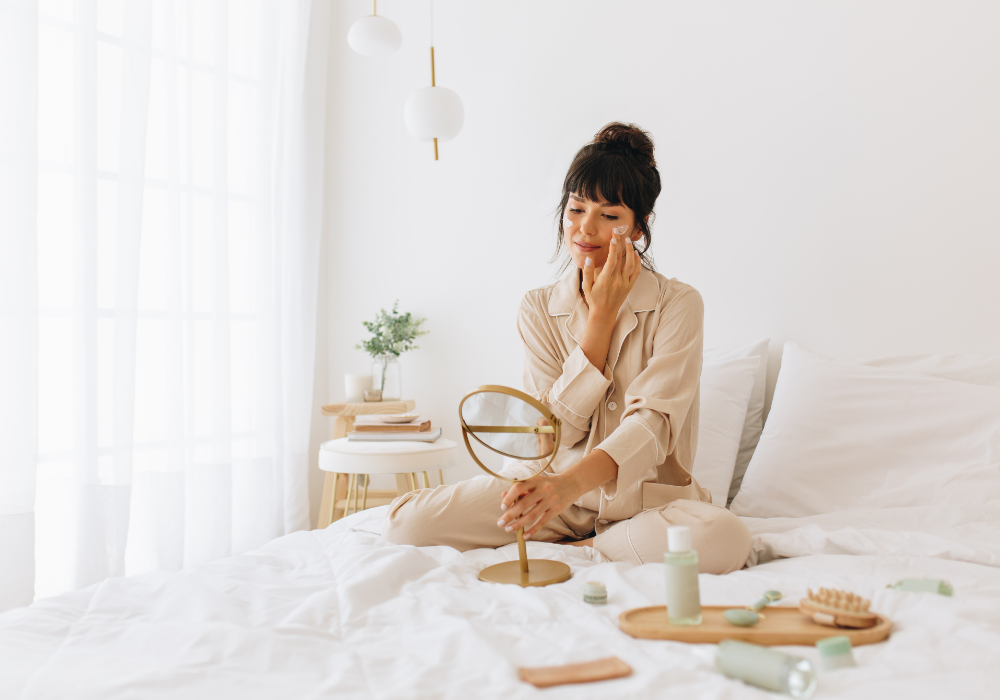
What started as simple ways to recharge—like taking a walk or setting boundaries—has morphed into multi-step, high-cost rituals. Now, self-care is marketed as something you need a haul of products for: special candles, luxury serums, affirmation decks, and color-coordinated bath salts. According to researchers at the Global Wellness Institute, the global wellness economy reached $6.3 trillion in 2023 and is projected to hit $9 trillion by 2028, highlighting the rapid commercialization of wellness practices.
The wellness industry took a moment meant for stillness and turned it into a performance. And the more steps, the more stuff you “need.” True self-care doesn’t demand a receipt. It’s not about doing more—it’s about doing less with intention. But when rest becomes something to perfect and post about, you’re not caring for yourself anymore—you’re consuming your way to burnout with prettier packaging.
3. Detox culture keeps you buying what your body doesn’t need.

The idea that your body is constantly full of toxins—and only a $60 cleanse or a special drink can fix it—is one of wellness culture’s most profitable myths. Per writers for Harvard Health, the human body has its own effective detoxification system—including the liver, kidneys, lungs, and digestive tract—and there is no scientific evidence that detox products enhance this natural process. But that doesn’t stop companies from selling supplements, juices, teas, and powders that promise to “reset” your system.
This manufactured anxiety makes you feel like your body is dirty or broken, and only a product can make it right again. It’s not health—it’s marketing dressed up as medicine. The detox trend doesn’t encourage long-term balance or trust in your body’s natural systems. It thrives on fear and quick fixes. When wellness starts treating your body like a problem to solve, it’s no longer about care—it’s about control.
4. Wellness brands sell insecurity disguised as empowerment.

The messaging sounds uplifting—“love yourself,” “glow from within,” “step into your power.” But when every affirmation is paired with a product link, it’s clear what they’re really promoting: your insecurity. These brands frame empowerment as something you can buy, turning confidence into a commodity. You’re not enough unless you’re also glowing, thriving, optimizing—and spending.
Instead of helping you feel whole, wellness marketing constantly suggests there’s something missing. One more supplement, one more skincare step, one more upgrade—then you’ll finally feel good.
But that version of wellness never ends, because it’s built on the belief that you need fixing. Real empowerment doesn’t come in a jar or require a discount code. It comes from learning to trust yourself, not just your shopping cart.
5. Clean beauty became a marketing buzzword, not a health revolution.

At first, the clean beauty movement felt like a win—less toxic stuff in your products, more transparency, fewer shady ingredients. But now “clean” is slapped on everything from $8 lip balm to $300 face serums, even when the standards are vague or meaningless. With no universal definition, brands make up their own rules and charge more for the label.
Many so-called clean products rely on fear-based marketing, suggesting anything not labeled “non-toxic” is dangerous—even when there’s no scientific backing. That fear drives up prices and keeps consumers chasing a safer, purer version of beauty that often doesn’t exist. True safety comes from regulation, not branding. And real health isn’t about replacing every item in your cabinet—it’s about understanding what actually matters.
6. Expensive wellness retreats promise healing—but really sell exclusivity.
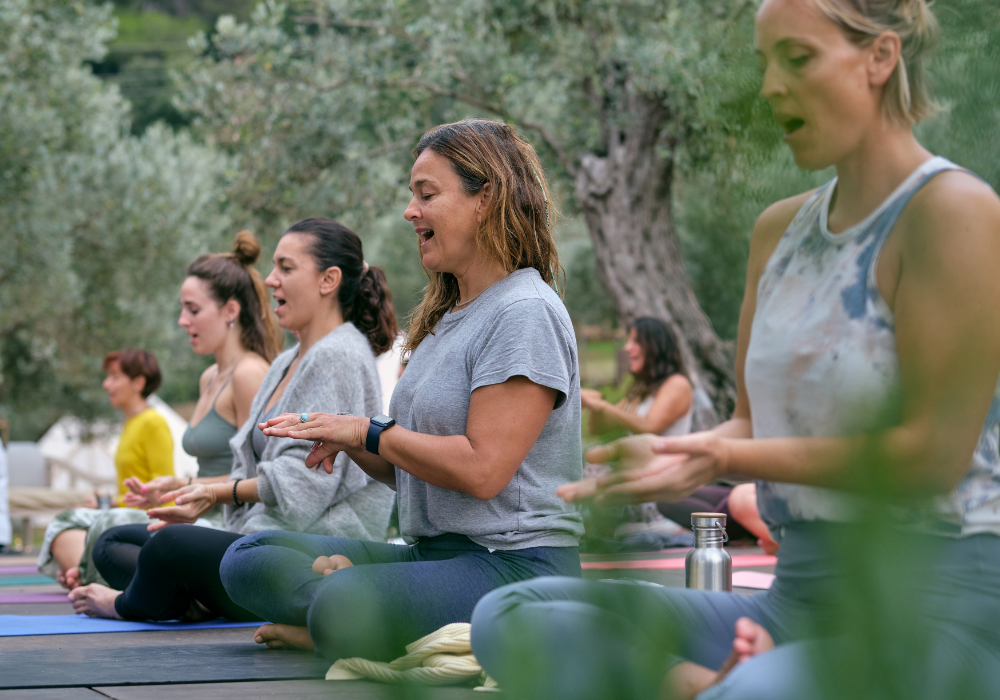
A weekend getaway to “reconnect with yourself” sounds lovely—until you realize it costs more than a month’s rent. Wellness retreats market themselves as transformative experiences, but many are really just luxury vacations wrapped in spiritual language. You’re paying thousands to meditate on a mountain, sip curated smoothies, and maybe cry in a circle with strangers—then go back home to the same stress.
These retreats sell more than relaxation. They sell status. The higher the price, the more exclusive it feels, and that exclusivity is part of the appeal. True healing isn’t about who can afford a five-star jungle detox. It’s about daily care, support, and access—not glamorized escapes. When peace becomes a luxury experience, it stops being wellness and starts being a privilege.
7. Mindfulness got rebranded into productivity fuel.

Mindfulness used to be about presence, awareness, and stillness. Now it’s being repackaged to make you more focused at work or less reactive in high-stress meetings. Apps, courses, and corporate training programs sell it as a way to become sharper, faster, and more efficient—less “human” and more optimized. The goal quietly shifted from peace to performance.
When a practice that once centered on self-acceptance gets turned into a way to tolerate overwork, it’s no longer wellness—it’s another productivity hack. You’re still burning out, but now you’re breathing through it.
Mindfulness can be powerful, but not when it’s twisted into a tool for making unsustainable systems feel more manageable. When the world tells you to meditate so you can work harder, it’s time to rethink who that practice is really serving.
8. Wellness diets turn eating into a moral test.

Food used to be nourishment, culture, connection. Now it’s a battleground of “clean,” “toxic,” “guilt-free,” and “super.” Wellness culture has turned eating into a moral scoreboard, where the “right” choices signal discipline and worthiness, while anything else is framed as indulgent or lazy. It’s not just about health anymore—it’s about identity, purity, and control.
Diets masked as “lifestyles” are everywhere, telling you what to cut, swap, or shame. Gluten-free, sugar-free, dairy-free—often without medical need, just wellness pressure. And behind it all is a booming industry of powders, plans, and influencers profiting from your food anxiety. Real health isn’t about restriction. It’s about freedom, flexibility, and listening to your body without judgment. When food becomes something to fear or flaunt, wellness has left the table.
9. Biohacking rebranded self-improvement as a tech obsession.

Sleep trackers, blue-light glasses, cold plunges, nootropics, wearable monitors—wellness culture didn’t just go digital, it went full sci-fi. Biohacking sells the idea that your body is a machine to constantly upgrade, optimize, and rewire. The promise? More energy, more focus, better performance. The reality? Expensive gadgets, obsessive routines, and a sense that you’re never quite doing enough.
What started as curiosity around peak health became a constant self-surveillance loop. You’re no longer just living—you’re tracking every breath, heartbeat, and REM cycle to squeeze out one more percent of productivity. But you’re not a robot. You’re a person. Rest, presence, and imperfection are part of being human. When wellness turns into a race toward endless optimization, it stops being about feeling good and starts being about being “better”—at any cost.
10. Spiritual practices got monetized into lifestyle brands.
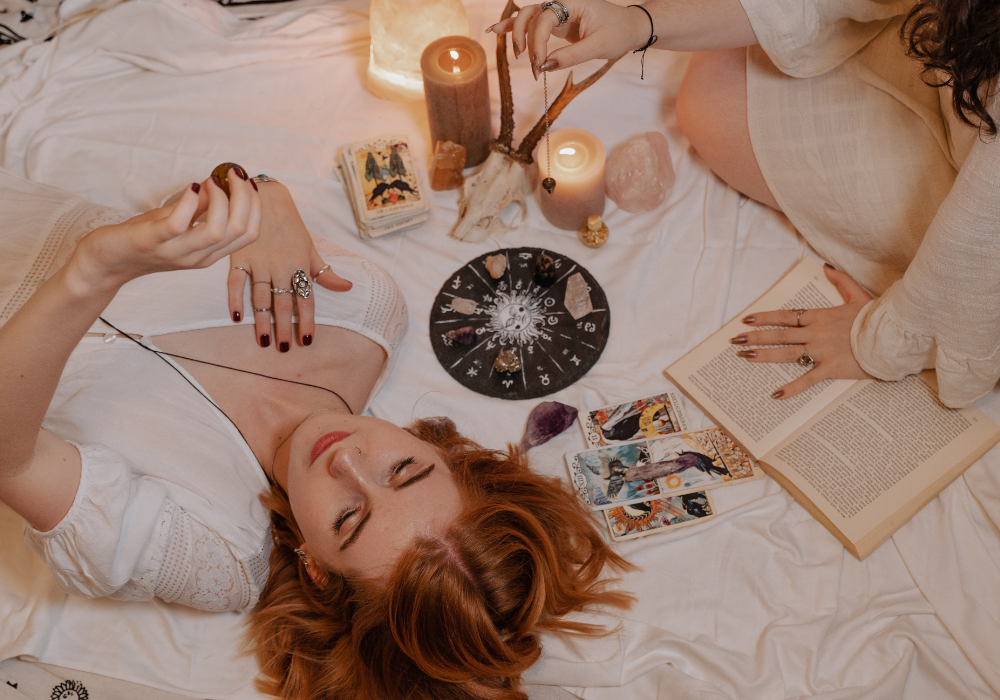
Crystals, tarot, sage, astrology apps, moon journals—spirituality is trending, and the wellness industry knows it. What were once deeply personal or sacred practices are now sold as curated aesthetics. Retailers slap ancient symbols on T-shirts, mass-market altars, and $75 intention candles, turning introspection into impulse buys.
These tools aren’t inherently bad—but they lose meaning when they’re stripped of context and sold for profit. When your path to “alignment” comes in a bundle with free shipping, it’s worth asking who’s benefiting.
Wellness culture has taken real spiritual practices and turned them into lifestyle accessories, pushing you to seek connection by filling a cart. True spiritual growth doesn’t require perfect lighting or branded incense. It asks for reflection, not consumption.
11. The endless pursuit of wellness leaves you feeling like you’re never enough.

At its worst, wellness culture creates a trap: the more you try to feel better, the more you’re reminded of what’s missing. There’s always a new routine to try, a new supplement to take, a new part of yourself to “work on.” And because the finish line keeps moving, you’re left with the feeling that you’re not doing wellness right—or not doing enough.
This is where the industry thrives. It builds on your desire to improve and profits from your uncertainty. But health isn’t about constant upgrading—it’s about knowing when to stop, breathe, and trust that who you are is already enough. When wellness becomes a never-ending project, it stops being care and starts being control disguised as self-love.