
The planet is sending warning signs, and we can’t afford to leave them on read.

Mother Nature used to be generous—clear skies, thriving forests, and seasons that made sense. But lately, she’s been pulling away. Wildfires rage year-round, heat waves break records like it’s a competition, and storms hit harder than ever. The warning signs aren’t subtle, and pretending not to notice won’t make them disappear.
Ignoring these red flags has already pushed the planet to its limits. Rising temperatures, extreme weather, and collapsing ecosystems are clear messages that we’ve taken more than we’ve given. Changing our habits, rethinking our impact, and acting with urgency are the only ways to repair the damage. Small shifts add up, and the sooner we make them, the better our chances of slowing the chaos.
Nature isn’t gone—but she’s exhausted. If we want a future where forests stay green, oceans stay blue, and the air stays clean, we need to stop taking her for granted and start making better choices.
1. Heat waves are getting hotter, longer, and more dangerous.

If it feels like summer is overstaying its welcome, you’re not imagining things. Every year, heat waves are getting more intense, lasting longer, and breaking temperature records left and right. Cities that were once comfortably warm are now hitting triple digits, and even colder regions are sweating through heat spells they never used to experience.
These extreme temperatures aren’t just uncomfortable—they’re deadly. The World Health Organization states that heat stress is now the leading cause of weather-related deaths and can exacerbate underlying illnesses such as cardiovascular disease. The solution? Reducing fossil fuel emissions, investing in green energy, and designing cities with more trees and green spaces to combat the urban heat island effect. If we don’t, summers will keep turning into saunas we can’t escape.
2. Storms are going from bad to catastrophic.
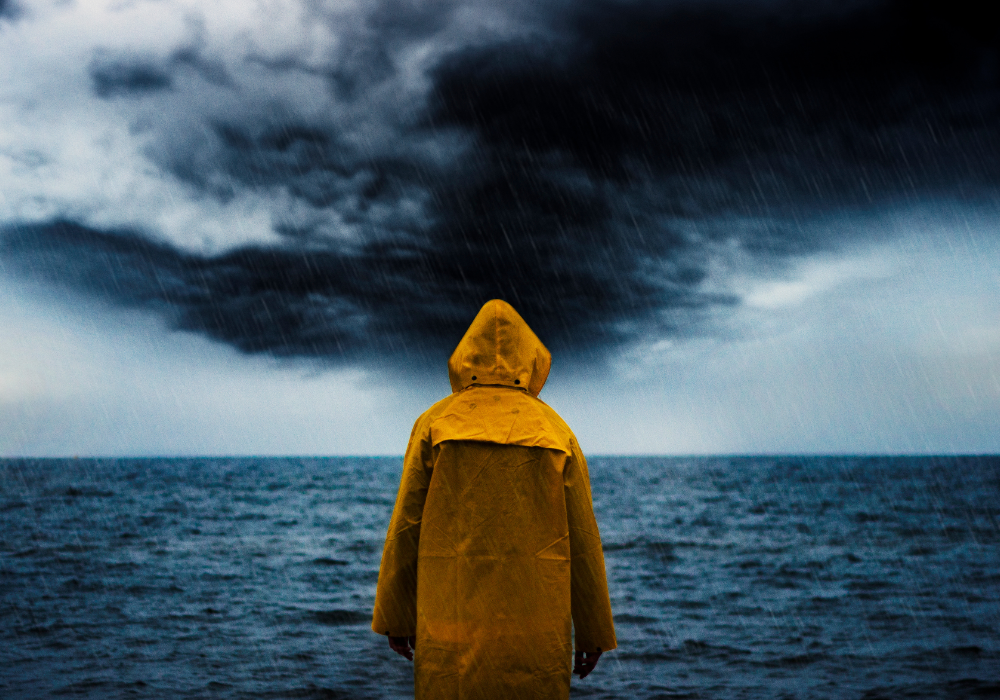
If Mother Nature were texting us, every storm warning would come with a bolded, all-caps message that says “THIS IS NOT A DRILL.” Hurricanes, typhoons, and even everyday thunderstorms have turned into full-blown natural disasters, leveling cities, flooding entire regions, and leaving communities in chaos.
As noted by Dr. Angela Colbert for NASA, warmer ocean waters fuel stronger storms, making them more destructive and unpredictable. Coastal cities that rarely worried about hurricanes now brace for them regularly, and inland areas aren’t safe either—flooding is wiping out neighborhoods that were once considered low-risk. Cutting emissions, restoring wetlands, and improving disaster preparedness are key to surviving this new era of superstorms. Otherwise, we’re looking at a future where the forecast is just “apocalyptic.”
3. Wildfires aren’t waiting for fire season anymore.
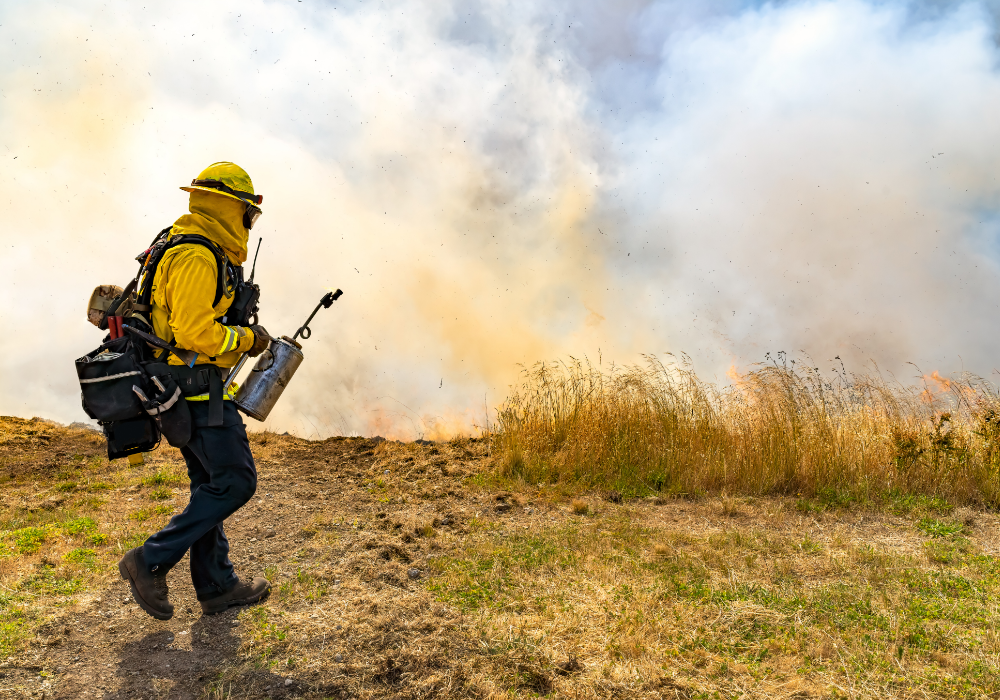
Wildfires used to be a summer problem. Now, they’re a year-round crisis, raging across forests, towns, and even places that were never considered fire-prone before. If fire emojis could talk, they’d be screaming for help.
Drier conditions, extreme heat, and poor land management are fueling these unstoppable infernos. The Center for Climate and Energy Solutions highlights that climate-induced warmer, drier conditions, increased drought, and a longer fire season are elevating wildfire risks. Not only do they destroy homes and habitats, but they also pump massive amounts of carbon into the atmosphere, making climate change even worse.
Fire prevention efforts—like controlled burns, reforestation, and better land management—are critical. Otherwise, we’re headed toward a world where everything is either on fire or covered in smoke.
4. Glaciers and ice caps are melting like they’re late for an exit.
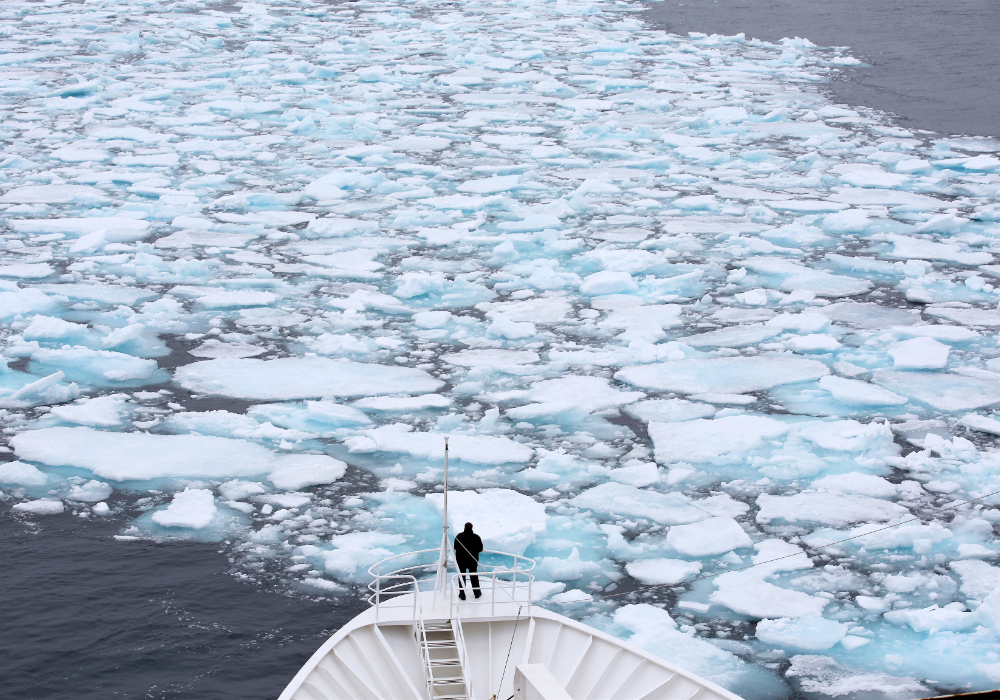
If glaciers could send breakup texts, they’d be saying “It’s not me, it’s you.” Ice caps in the Arctic and Antarctic are disappearing faster than ever, causing sea levels to rise and putting coastal cities in serious danger.
This isn’t just bad news for polar bears—it’s a global crisis. As ice melts, it contributes to flooding, erodes shorelines, and disrupts entire ocean ecosystems. Miami, Jakarta, and Venice are already dealing with rising tides, and the problem is only getting worse. Slashing carbon emissions and protecting our remaining ice is the only way to slow the meltdown. Otherwise, we’ll have to start GoFundMe campaigns to keep our cities above water.
5. Animals are going MIA, and it’s way too quiet out there.
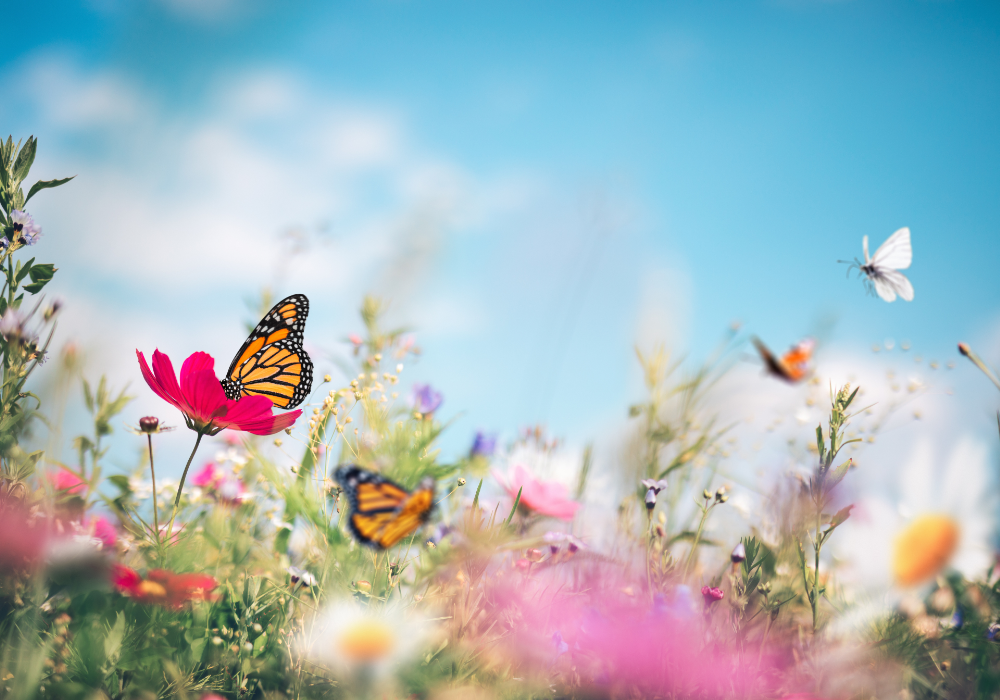
Ever notice fewer birds in the sky, fewer bees buzzing around, or fewer butterflies fluttering by? That’s because species are disappearing at a rate 1000 times faster than normal. If nature had a “Last Seen” status, too many species would be marked offline forever. Deforestation, habitat destruction, and climate change are wiping out wildlife left and right. Birds, insects, and mammals are struggling to survive as food sources vanish and environments change too fast for them to adapt.
Supporting conservation efforts, protecting natural spaces, and reducing plastic pollution can help slow the damage. But if we keep ignoring the warning signs, future generations might only see some animals in history books.
6. The seasons are acting like they forgot their own schedule.

Remember when summer actually felt like summer and winter brought real snow? Those days are fading fast. Seasons are all over the place, with unexpected heat waves in fall, spring flowers blooming in January, and snowstorms hitting in April.
If Mother Nature had a calendar, it would be spinning like a glitching app. This climate chaos isn’t just inconvenient—it’s messing with crops, confusing animal migration patterns, and making extreme weather events more common. Farmers are struggling to predict growing seasons, and wildlife is waking up at the wrong time. Cutting emissions, planting more trees, and protecting forests can help restore some balance. Otherwise, we’re stuck in a future where you pack both a parka and a swimsuit—just in case.
7. Droughts are turning lakes into dust bowls, and the taps are running dry.
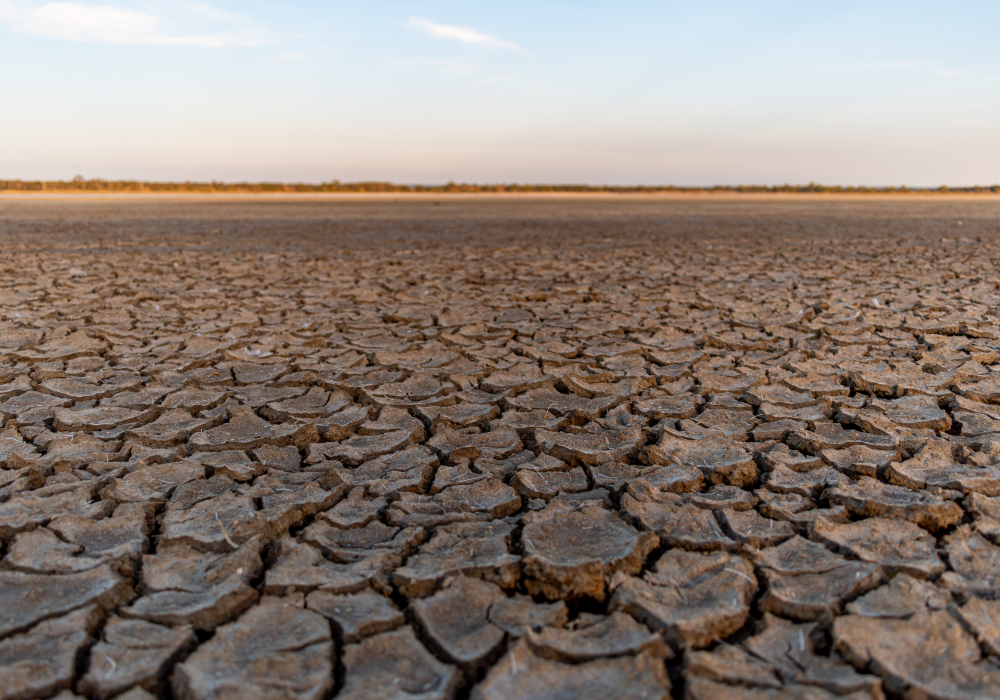
Rivers are shrinking, lakes are vanishing, and farmland is turning into cracked wastelands. Across the world, major water sources are disappearing, leaving behind dry basins where reservoirs used to be. Even the Colorado River and the Aral Sea, once lifelines for millions, are rapidly fading.
Unchecked water consumption, climate change, and deforestation are accelerating this crisis. Farms can’t grow crops without water, and entire communities are being forced to ration supplies. Fixing leaks, using water-efficient appliances, and supporting sustainable agriculture can help slow the drain. Without action, the world’s next big conflict might not be over oil—but over water.
8. Floods are swallowing entire towns, and the water isn’t receding.
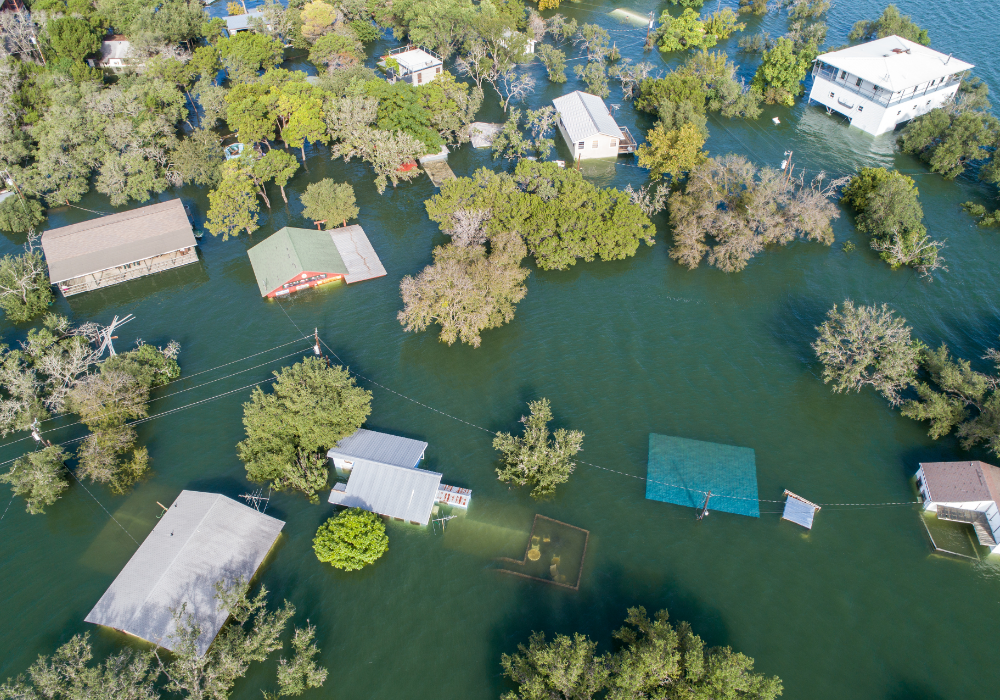
Heavy rainfall and rising sea levels are drowning cities that were never flood-prone before. Streets are turning into waterways, homes are being washed away, and communities are left rebuilding again and again. Once-in-a-century floods are now happening every few years, and many regions can’t keep up with the damage.
Deforestation and urban sprawl make flooding worse by stripping the land of natural water absorption. Wetlands, which once acted as nature’s sponge, have been paved over for roads and buildings. Restoring these ecosystems, improving drainage systems, and reducing carbon emissions are the only ways to stop communities from getting washed away. Otherwise, “waterfront property” is going to take on a much darker meaning.
9. The air we breathe is starting to feel more like smoke than oxygen.

Walking outside in some cities feels more like stepping into a gas chamber than getting fresh air. Industrial pollution, wildfires, and vehicle emissions are pumping so many toxins into the atmosphere that smog is becoming a permanent feature.
Some places barely see blue skies anymore. Poor air quality isn’t just an eyesore—it’s a global health crisis. Respiratory diseases, heart conditions, and even cognitive decline have been linked to air pollution. Cutting back on car use, pushing for cleaner energy, and planting more trees are essential steps toward reversing the damage. If nothing changes, oxygen masks might become a necessary travel accessory.
10. The ocean is heating up, and marine life is in serious trouble.
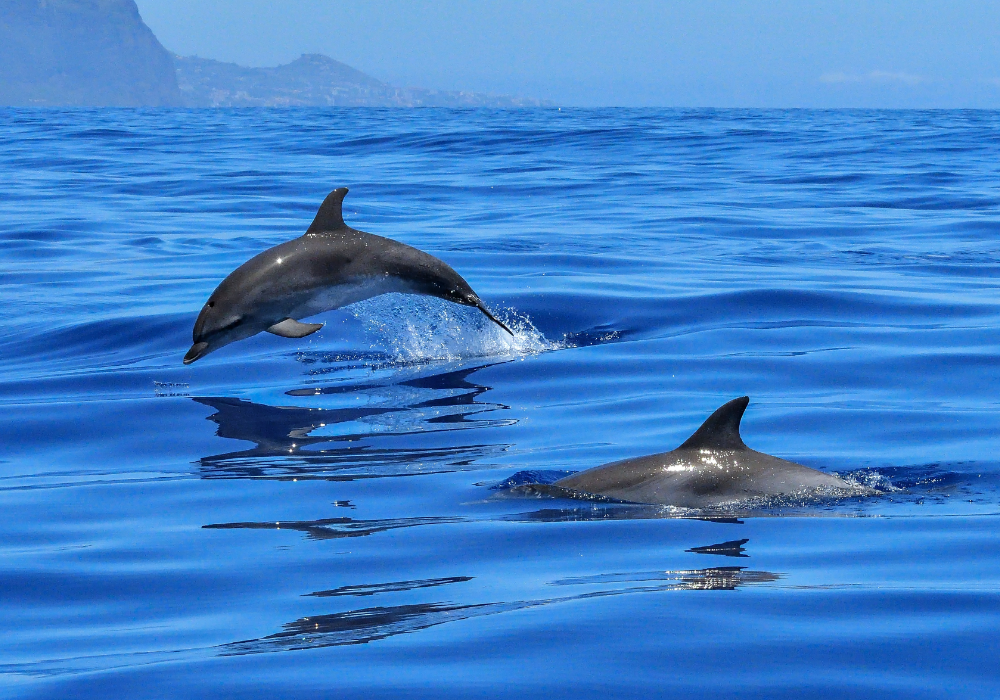
Coral reefs, once bursting with color and life, are turning ghostly white as rising ocean temperatures trigger mass bleaching events. Fish populations are vanishing from areas they once thrived in, leaving coastal communities struggling to sustain their livelihoods.
Hurricanes are intensifying, fueled by warmer waters, and rising sea levels are swallowing coastlines inch by inch. Pollution, overfishing, and carbon emissions are pushing marine ecosystems past their breaking point. Restoring mangroves, reducing plastic waste, and cutting fossil fuel use are essential steps to reversing this crisis. Without major intervention, the world’s oceans may never recover, and the effects will ripple across the entire planet.
11. Soil is losing its nutrients, making food harder to grow.
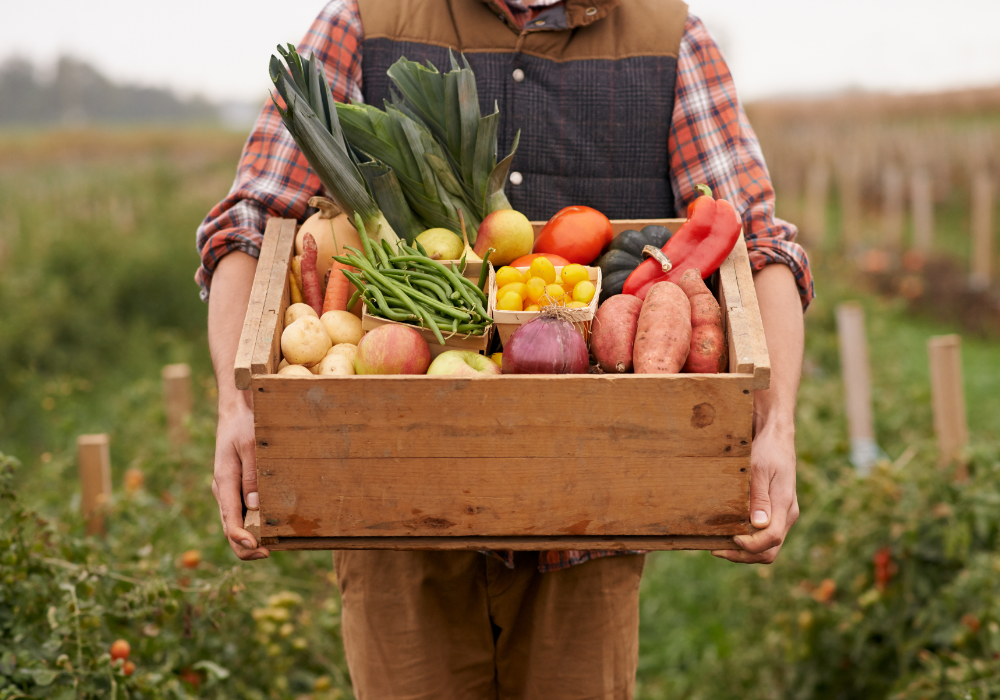
Agricultural land is reaching a tipping point as years of over farming, chemical-heavy practices, and deforestation strip the soil of its nutrients. Crops are growing weaker, yields are declining, and farmers are being forced to use more fertilizers just to maintain previous harvest levels. Without healthy soil, food security is at serious risk.
Regenerative agriculture, composting, and crop rotation can help restore soil health, but large-scale changes are needed to prevent irreversible damage. Treating land like an infinite resource has depleted its ability to nourish future generations. Rebuilding soil takes time, but without it, the world faces a food crisis that no amount of technology can fix.