
Every bite you take comes with a cost someone else has to pay.

You’ve probably tried to eat “better” at some point—local, organic, vegan, cruelty-free, fair trade. It feels good, right? Like you’re finally making choices that align with your values. But here’s the uncomfortable truth: there’s no such thing as a perfect plate. Behind every label, every swap, every so-called conscious decision is a mess of contradictions, trade-offs, and unseen consequences. That almond milk? Water-intensive. Those avocados? Often tied to cartel violence. The local beef? Still contributing to emissions.
It’s not about giving up or feeling guilty every time you eat—it’s about getting real. The food system is global, complex, and deeply flawed. No matter what you choose, someone or something is paying a price. So instead of chasing purity, maybe it’s time to question the system itself. Because the truth is, “ethical eating” isn’t a destination—it’s a constant, messy negotiation.
1. Almonds are marketed as clean, but they’re draining entire ecosystems.

Almond milk has become the go-to for people trying to ditch dairy, but it comes with its own environmental baggage. According to Kori Williams for Green Matters the water footprint of one California almond averages 12 liters (3.2 gallons), highlighting the significant water usage associated with almond farming. That means every splash in your smoothie might be contributing to water shortages, stressed ecosystems, and struggling farmers downstream.
Plus, industrial almond farms rely heavily on pesticides, which don’t just affect pests—they disrupt bee populations, contaminate soil, and make nearby communities sick. It’s wild how something that feels so “clean” can be part of such a messy, resource-heavy process. This doesn’t mean you have to give up almond milk entirely, but it’s worth questioning how ethical something really is when it’s drying out an entire region just to meet global demand for a wellness trend.
2. Avocados are trendy health food—but their supply chain is soaked in violence.
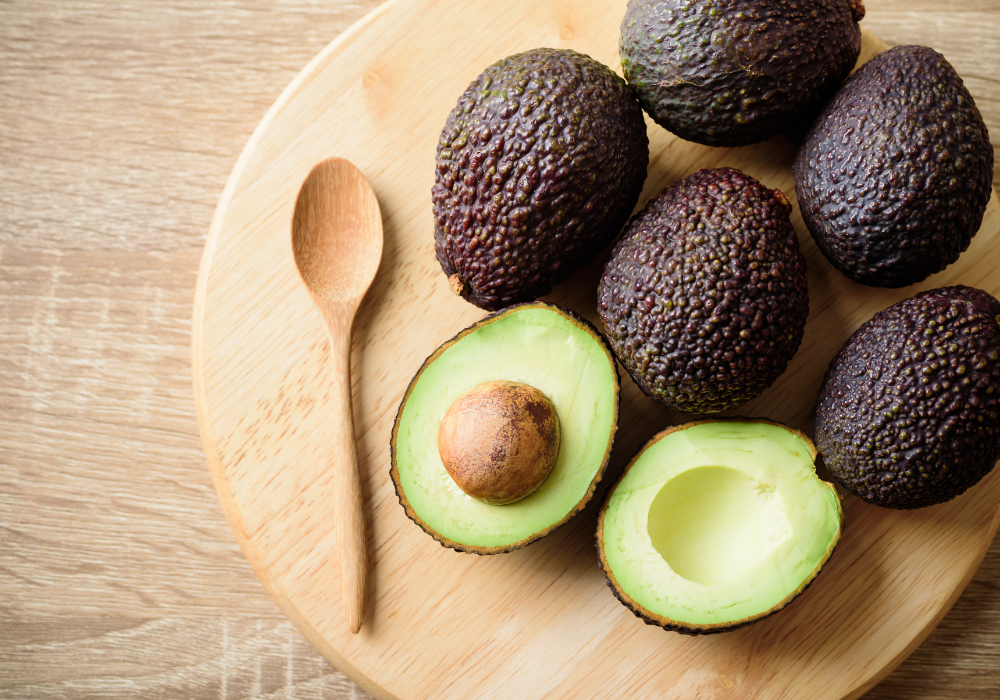
They’re on toast, in smoothies, and crowned the king of “clean eating”—but avocados have a dark side that rarely makes it to the table. In parts of Mexico, where a huge chunk of the world’s avocados come from, the trade is controlled by cartels.
These groups extort local farmers, take over land, and use violence to dominate the market. So while you’re enjoying your brunch, someone else might be paying for it with their safety.
Per a 2024 Reuters investigation, up to 70,000 acres in Michoacán and Jalisco have been illegally deforested for avocado farming, with cartels involved in extortion, land seizures, and violence against local communities. It’s not about canceling guac forever—but let’s stop pretending it’s a perfectly “green” choice. Because when a superfood fuels corruption and environmental damage, it’s not as guilt-free as it looks.
3. Organic produce still relies on labor that’s often exploited.
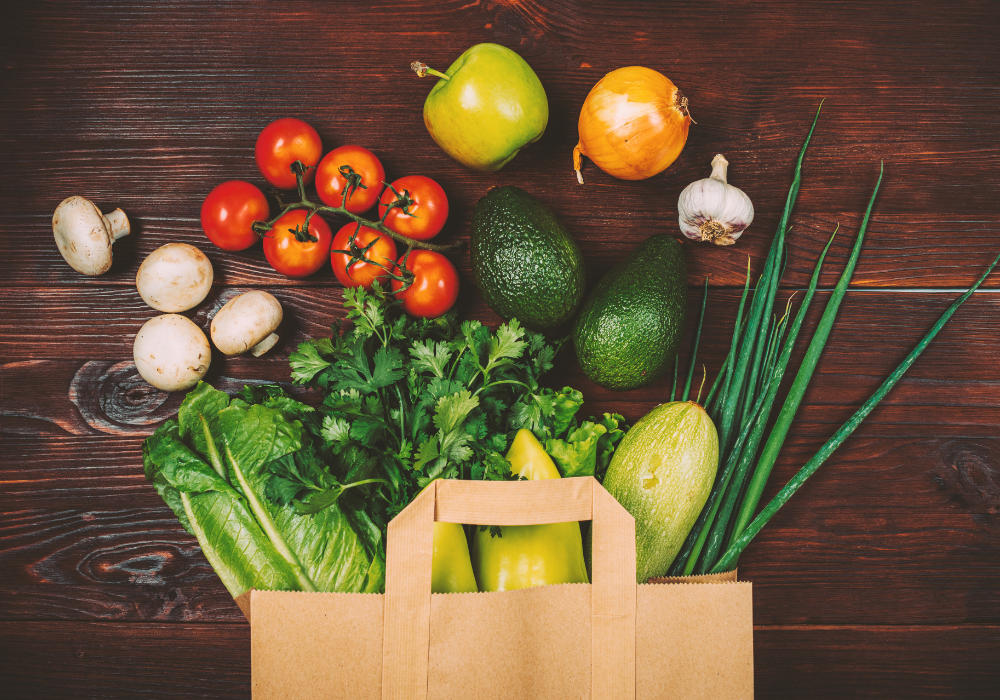
Buying organic sounds like a win—you’re skipping pesticides, protecting the soil, maybe even saving the bees. But what the label doesn’t tell you is how the people who grow that food are treated. A lot of organic farms, especially large-scale ones, still rely on underpaid, overworked laborers who don’t get basic protections. “Organic” says nothing about worker rights.
The reality is that many farmworkers—whether they’re picking conventional or organic crops—face long hours, unsafe conditions, and low wages. As researched by the Economic Policy Institute, farmworkers in 2022 earned about 40% less than comparable nonagricultural workers—regardless of whether the farm was organic or not. Because if the planet is protected but the people aren’t, that’s not sustainability—it’s selective awareness.
4. Local meat is still meat—and it comes with major climate costs.

It’s easy to romanticize the idea of buying beef from a nearby farm. The cows are grass-fed, the fields are open, and the farmer has a name. But here’s the catch: no matter how local or “happy” the cow, ruminant livestock still produce massive amounts of methane, a greenhouse gas way more potent than carbon dioxide. And emissions don’t shrink just because the farm is closer.
Transport makes up only a small fraction of food-related emissions. The bulk of the climate impact comes from how the food is produced—and raising cattle, even humanely, is still resource-heavy and emissions-intensive. So while local meat might feel like a better option, it’s not a free pass. It’s more ethical in some ways, sure, but it doesn’t erase the environmental reality of raising animals for food in a warming world.
5. Palm oil alternatives can be just as destructive as palm oil itself.

Palm oil gets dragged constantly—and for good reason. It’s tied to rainforest destruction, wildlife extinction, and brutal labor conditions. But here’s the twist: the ingredients we swap in to replace it aren’t always any better. Coconut oil, soybean oil, and almond oil all have their own environmental impacts. Some require even more land, water, or pesticide use.
The demand for palm oil is massive, and no single alternative can meet it without consequences. Plus, a total boycott can hurt small farmers in developing countries who rely on palm oil as their main income.
It’s one of those situations where the villain is real, but the solution isn’t simple. If you’re trying to avoid harm, focus on buying certified sustainable palm oil—imperfect, yes, but often less damaging than its so-called replacements.
6. Vegan diets reduce harm—but they don’t erase exploitation.
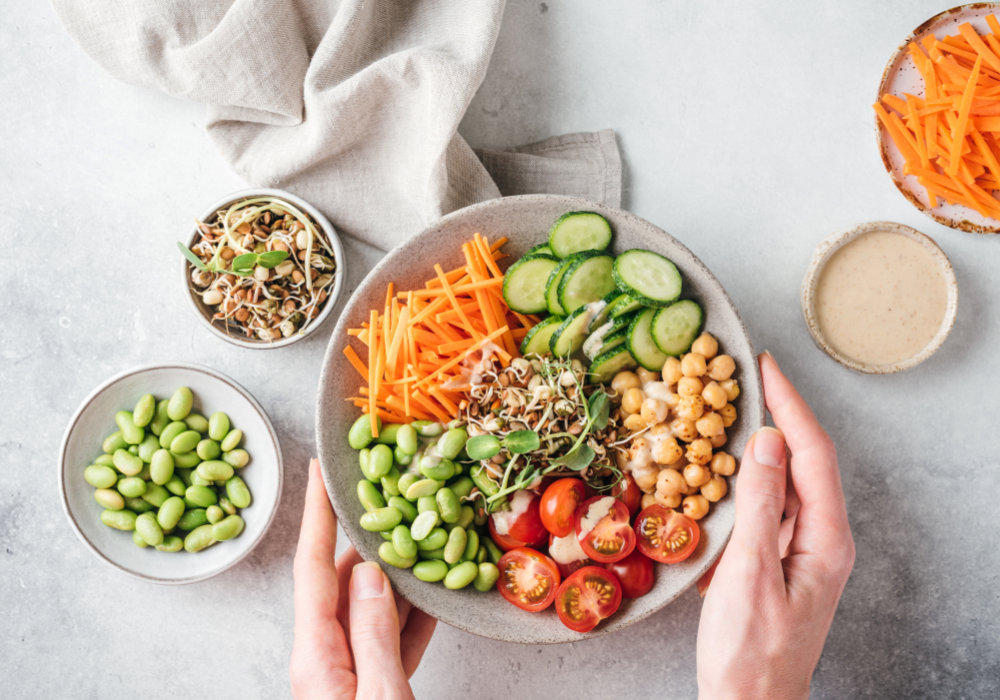
Going vegan is often framed as the most ethical choice: no animals harmed, lower emissions, better for the planet. And while plant-based eating does have a lower carbon footprint, it doesn’t automatically eliminate exploitation. Many plant-based staples—like quinoa, cashews, or soy—are grown under harsh conditions by underpaid laborers, often in countries with few worker protections.
Cashews, for example, are sometimes shelled by hand using acidic substances that burn workers’ skin. And industrial soy production has been linked to deforestation and land grabs in South America. So while veganism can reduce animal suffering, it doesn’t mean the human and environmental cost disappears. No diet is morally pure. It’s all about trade-offs—and pretending otherwise only hides the complexity behind a shiny label.
7. Imported superfoods often leave devastation at the source.
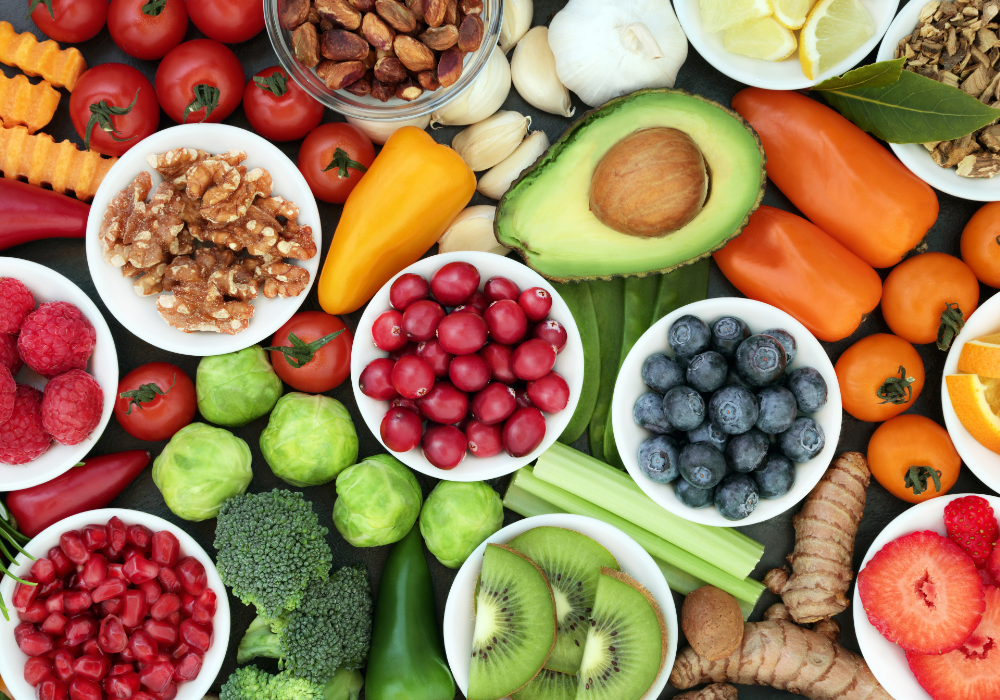
Chia seeds, acai, quinoa, goji berries—if it’s been labeled a superfood, chances are it’s being mass-harvested under sketchy conditions. The moment Western wellness culture falls in love with a crop, demand explodes. That drives up prices, strips local communities of their traditional foods, and encourages monoculture farming that damages ecosystems.
Quinoa is a prime example. Once a staple food in parts of Peru and Bolivia, it became too expensive for locals to eat regularly after global demand soared. Meanwhile, soil depletion and unsustainable farming practices took hold as farmers raced to meet the market. It’s a pattern we see again and again—trendy foods creating real harm far from the smoothie bowls they end up in. Ethical eating means zooming out. Because what’s good for your body isn’t always good for the people growing it.
8. Cage-free and free-range labels don’t guarantee animal welfare.
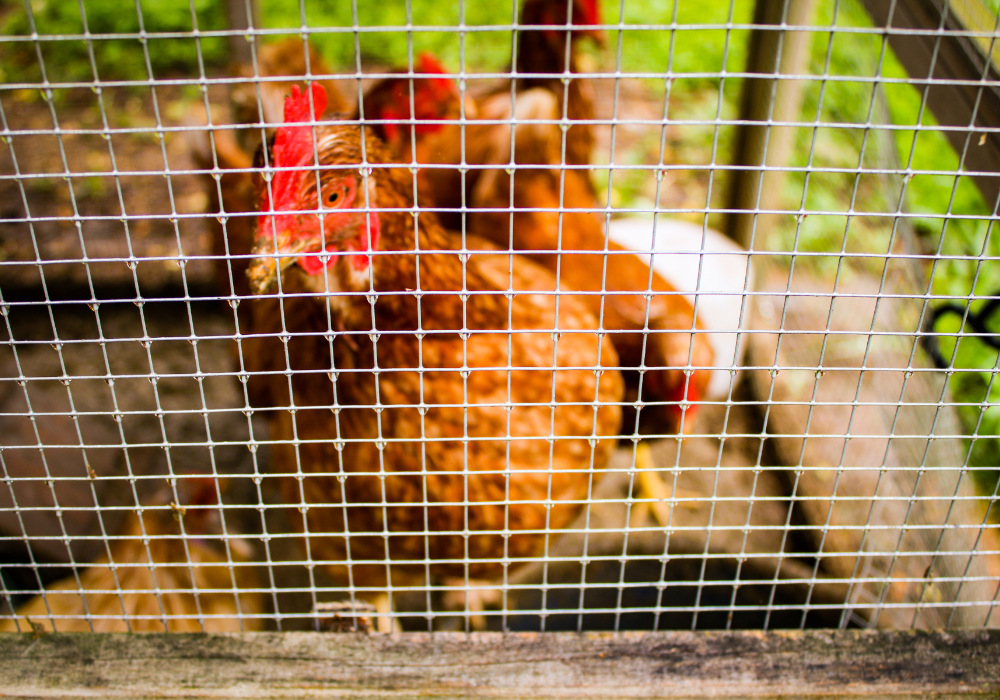
Seeing “cage-free” or “free-range” on eggs and meat packaging feels reassuring—like the animals lived a happy, humane life. But those labels often don’t mean what you think they do. In many cases, cage-free chickens are still packed by the thousands into massive barns with barely enough room to move. And “free-range” might mean they technically have access to the outdoors, but it could be a tiny door to a patch of dirt they never actually reach.
These terms are more about marketing than real reform. They make consumers feel better without demanding much actual change from the industry. If animal welfare is your priority, it takes more than trusting a label—you’ve got to dig into certifications, support small-scale farms, or opt out entirely. Because in industrial food systems, even the “better” options can still be deeply flawed.
9. Seafood labeled sustainable may still rely on destructive practices.
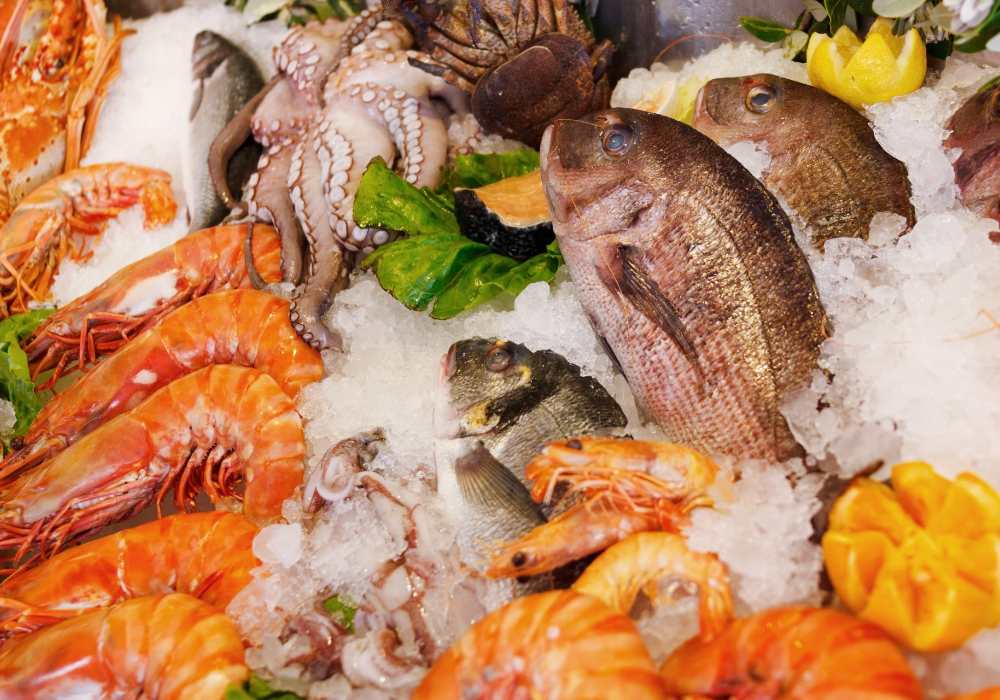
You grab the “sustainable” tuna or the shrimp marked “eco-certified,” thinking you’ve made a solid choice. But seafood labeling is a mess. Certification standards vary wildly, and many allow for harmful practices like bycatch, bottom trawling, or labor exploitation as long as quotas are met. Even “line-caught” fish can involve techniques that damage marine ecosystems.
Then there’s the issue of traceability. Once seafood is processed, it becomes almost impossible to know where it came from or how it was caught. That means even well-intentioned consumers can end up supporting overfishing or human rights abuses without knowing it. If you’re trying to make a better choice, look for smaller, local fisheries or skip high-demand species altogether. Because the ocean might be vast—but its supply chain is anything but clean.
10. Food packaging hides the true environmental cost of your meal.
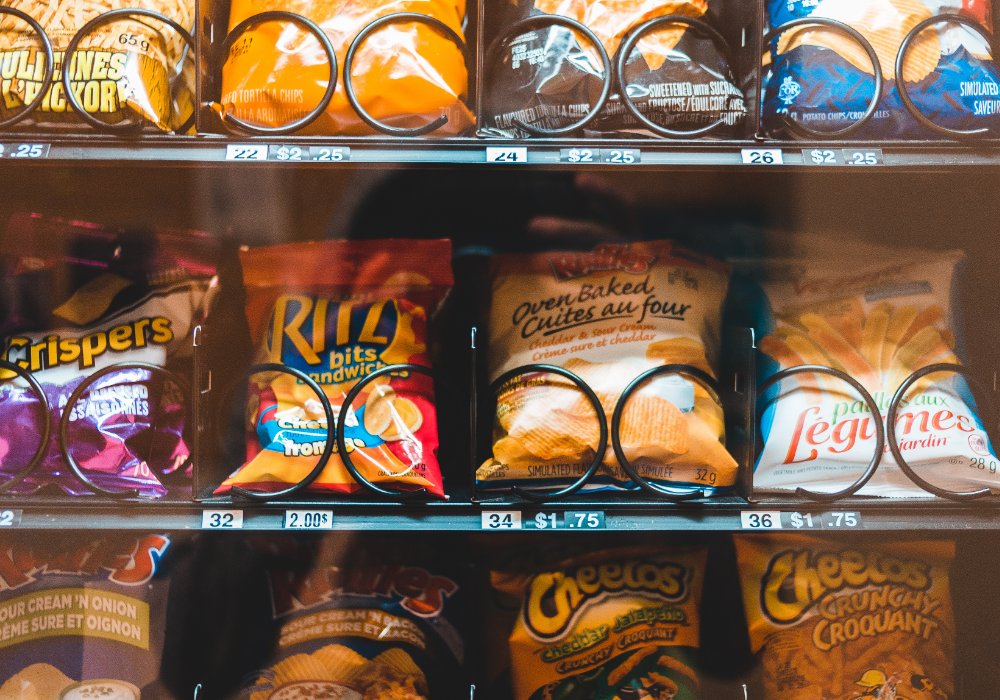
You might buy organic veggies or ethically sourced snacks, but if they’re wrapped in layers of plastic, you’re still contributing to one of the biggest environmental messes out there. Single-use packaging—especially for “healthy” convenience foods—is everywhere, and most of it isn’t recyclable. Even compostable options often end up in landfills where they won’t break down properly.
It’s easy to forget packaging counts when you’re focused on what’s inside the product. But those wrappers, seals, and boxes pile up fast. They clog oceans, leach chemicals, and leave a massive carbon footprint of their own.
Ethical eating isn’t just about ingredients—it’s also about how food gets to you. Choosing bulk bins, reusable containers, or brands with minimal packaging can make a difference. Because the sustainability of your food doesn’t stop at the edge of your plate.
11. Even “perfect” diets are built on privilege and access.
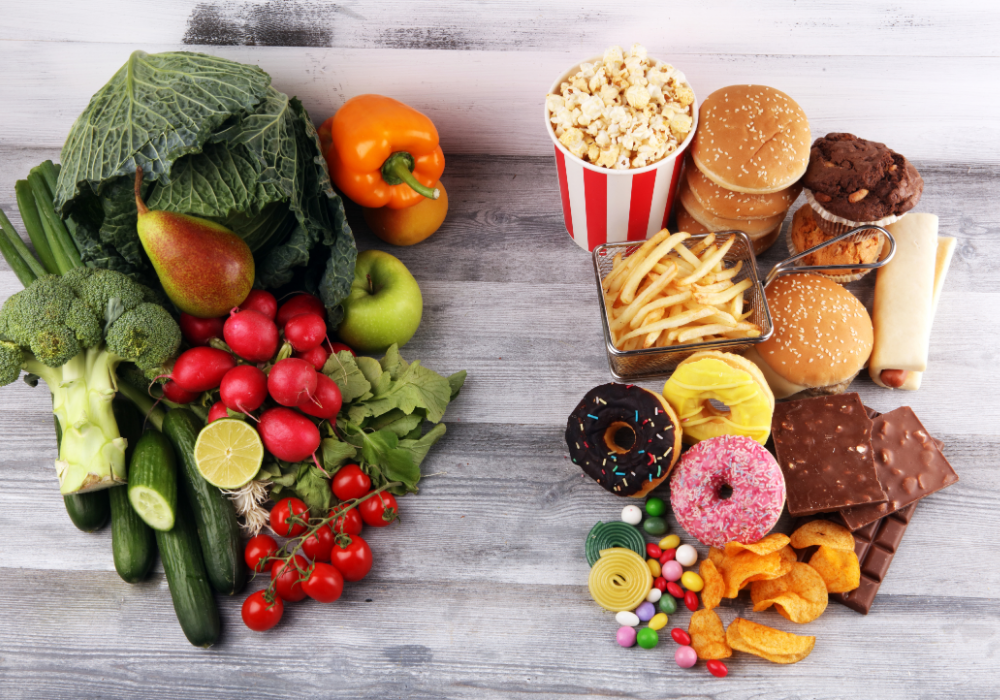
The ability to make ethical food choices often depends on factors that have nothing to do with willpower or values. Things like income, time, geographic location, and access to grocery options play a huge role. Not everyone lives near a farmers market. Not everyone can afford organic. And not everyone has the luxury of thinking about food beyond survival.
That’s the part the wellness world often skips. Eating ethically is hard enough when you have options—and nearly impossible when you don’t. Holding everyone to the same moral standard without addressing systemic barriers just reinforces inequality. So before judging someone’s food choices, it’s worth remembering that the “right” way to eat often starts with the ability to choose at all. Real change means shifting the system, not just shaming individuals.