
Rare and spectacular, these Earth phenomena look like they belong on distant worlds.

Throughout the planet, a variety of rare planetary phenomena occasionally paint the skies with awe-inspiring displays. From elusive atmospheric glows and haunting optical illusions to transient celestial alignments, these events reveal the dynamic relationship between Earth and the cosmos. Understanding how and when these phenomena occur enriches our appreciation of the planet’s place in the solar system. Authoritative research from NASA and other leading institutions sheds light on these captivating occurrences.
1. The mesmerizing glow of Earth’s own green auroras.
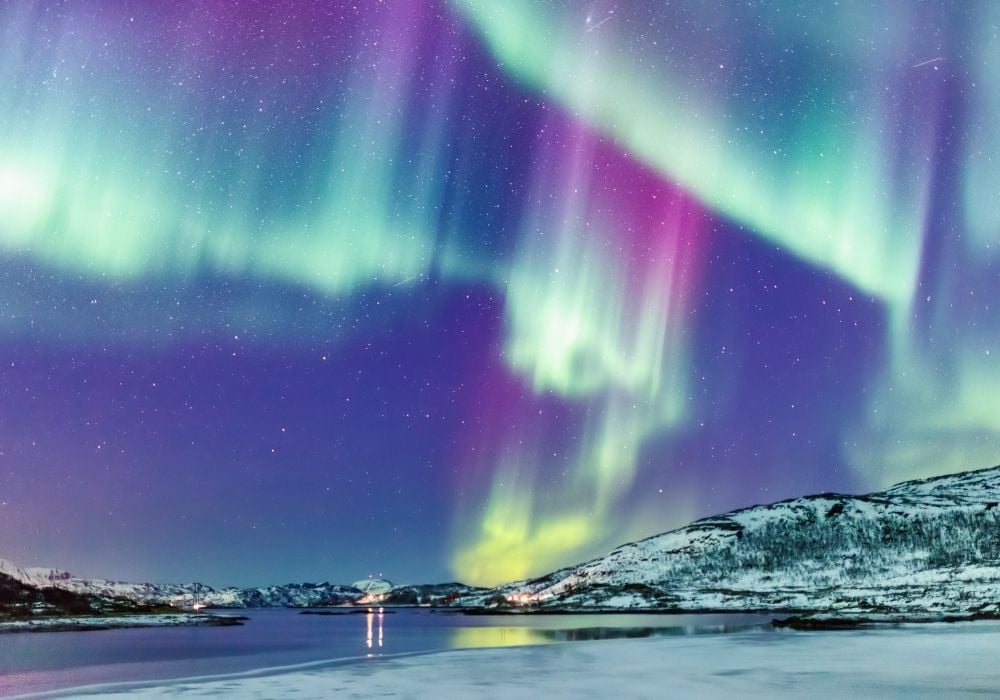
The green auroras, also known as aurora borealis, result from charged particles colliding with Earth’s atmosphere. These particles originate from the sun and are funneled by Earth’s magnetic field towards the polar regions, creating a luminous dance of green light.
Such displays are more frequent near magnetic poles, offering dramatic views especially in places like Norway or Alaska. The spectacle is affected by solar activity and atmospheric conditions. Observers often describe the experience as otherworldly, with shimmering lights painting the sky, resembling ethereal curtains swaying in the night air.
2. The rare spectacle of a total solar eclipse shadow.
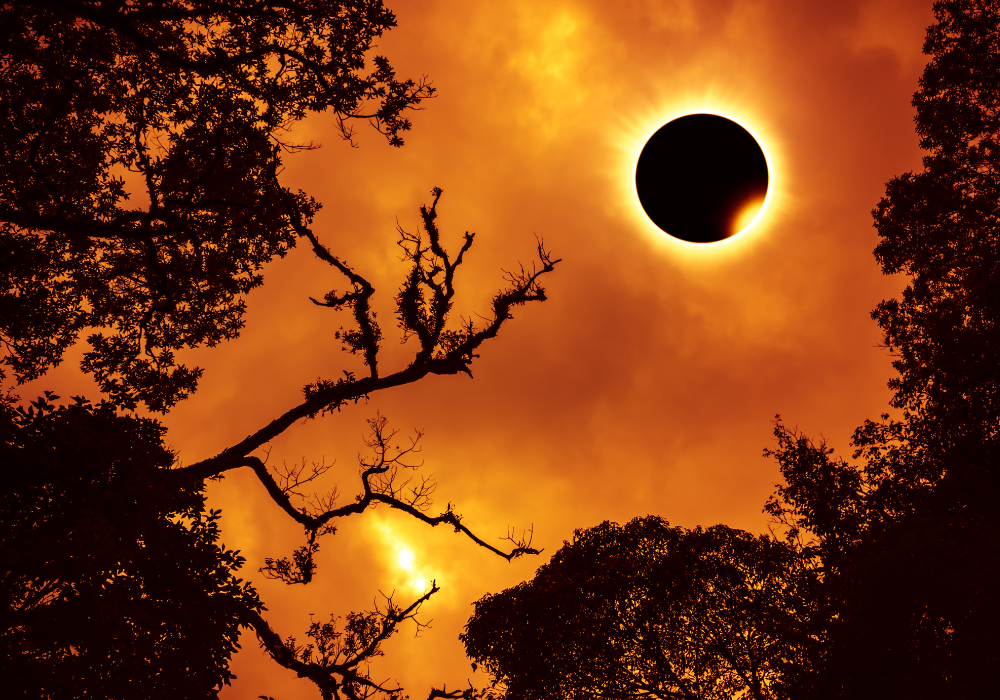
During a total solar eclipse, the moon covers the sun completely, casting a narrow shadow on Earth. Within this shadow, known as the path of totality, daylight momentarily transforms into an eerie twilight.
Experiencing this celestial event requires being in the right place at the right time, as the path is typically just a thin line spanning a small part of the globe. Observers within this path are enveloped in a chilling transformation of the sky that lasts only a few breathtaking minutes.
3. The optical illusion of sun dogs illuminating the sky.
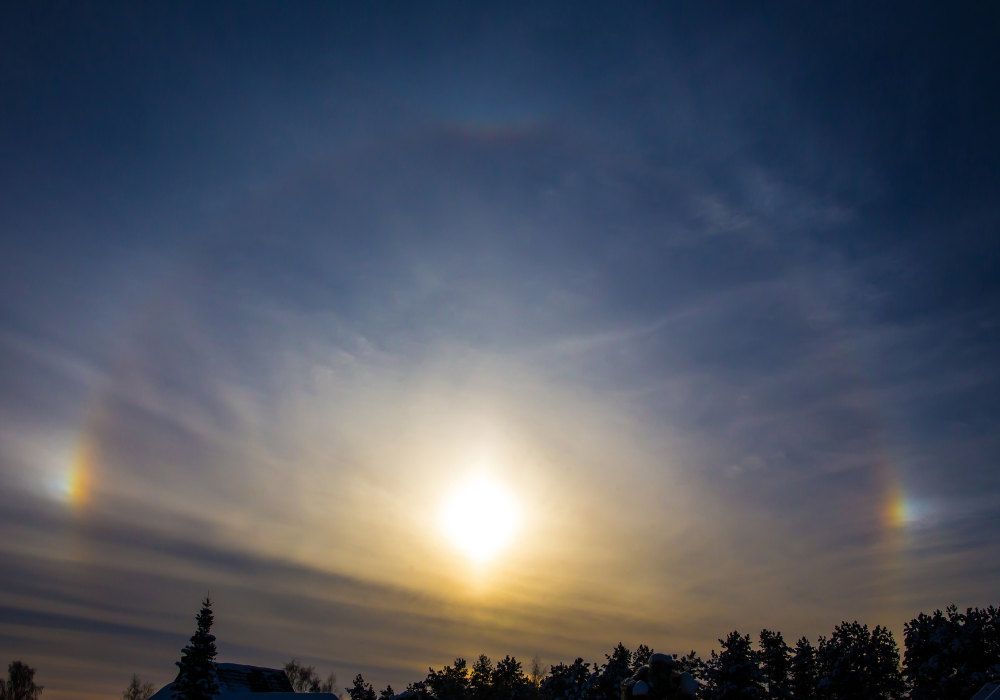
Sun dogs, or parhelia, emerge when sunlight refracts through ice crystals in cirrus clouds, creating bright spots on either side of the sun. These optical illusions often appear symmetrical, adding a surreal touch to clear, cold sky conditions.
Their brilliance is often mistaken for additional suns as they shimmer beside the real one. These phenomena are more apparent during the winter months at high latitudes, adding a magical quality to the frigid landscape.
4. The formation of red sprites during intense thunderstorms.

Red sprites are elusive bursts of light occurring above thunderstorms, formed by powerful lightning discharges. They illuminate the upper atmosphere with a brief red glow, typically invisible to the naked eye but captured through sensitive cameras.
Observing these high-altitude phenomena is challenging and requires clear night skies. Scientists study sprites to understand electrical interactions above storms, revealing insights into the energy transfers occurring far above the turbulent weather below.
5. The rare phenomenon of ball lightning in storms.
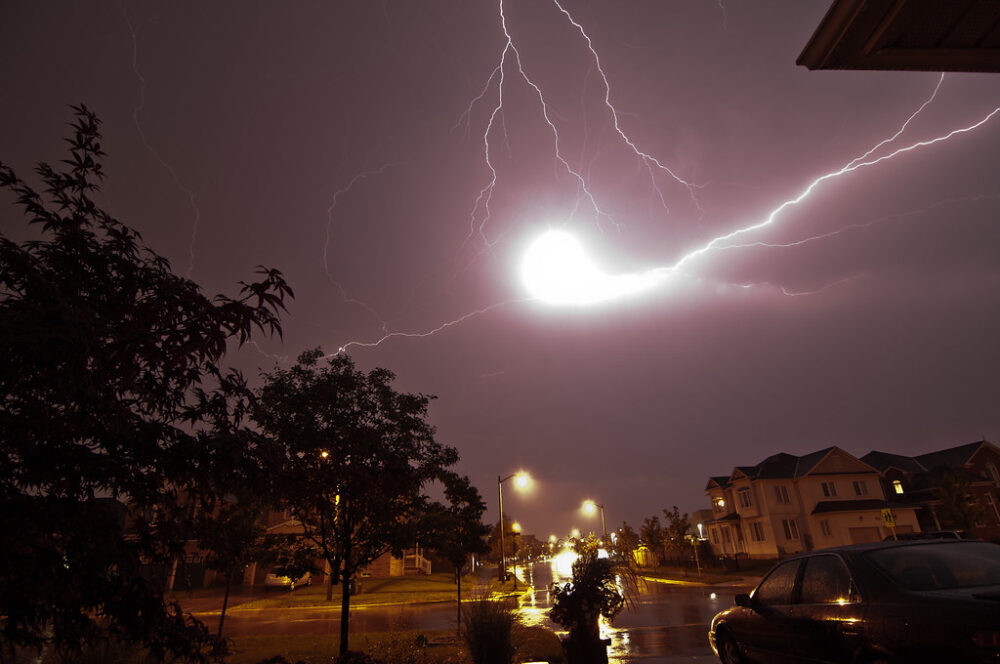
Ball lightning manifests during thunderstorms as glowing spheres, lasting from a few seconds to even minutes. This rare phenomenon remains mysterious, with reports of sizes ranging from a golf ball to a large beach ball.
Though scientists still strive to comprehend its formation, ball lightning continues to fascinate. Its unpredictability and potential proximity to observers make it both captivating and unsettling, sparking countless anecdotes and scientific inquiries throughout history.
6. The fleeting beauty of a lunar halo encircling the moon.
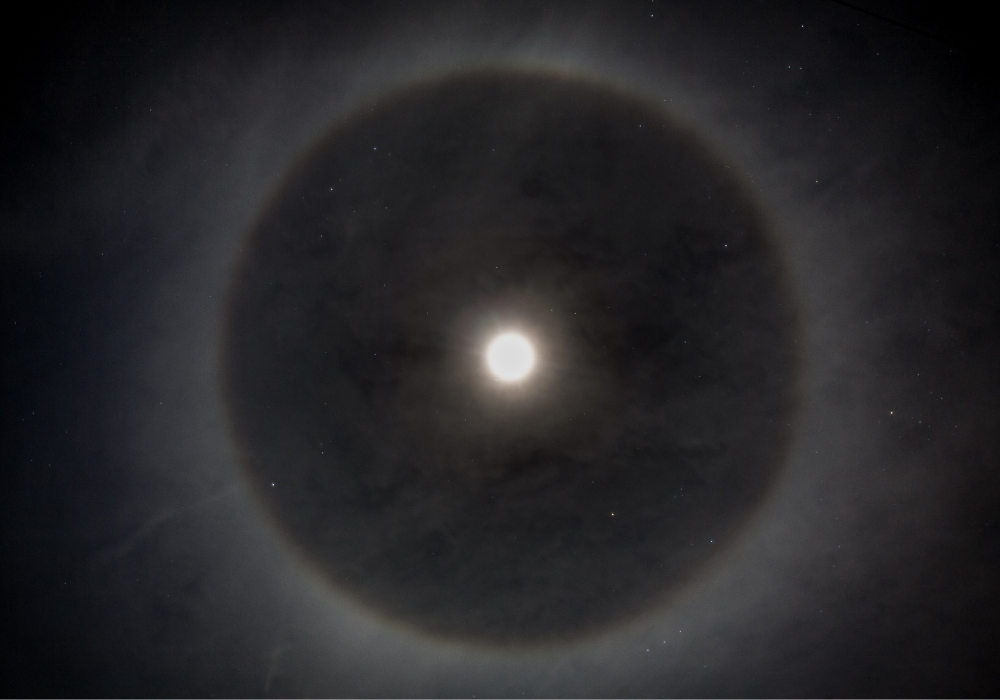
A lunar halo, a circular glow around the moon, materializes when moonlight passes through ice crystals in cirrus clouds. This enchanting spectacle creates a wide translucent ring, casting an ethereal glow in the night sky.
The brightness and size of the halo vary, captivating viewers on crisp nights. Such displays often signal incoming weather changes, possibly hinting at nearby storms. Observers find themselves awed by this natural nighttime crown, wondering at its delicate beauty.
7. Fire rainbows that create vivid bands across high clouds.
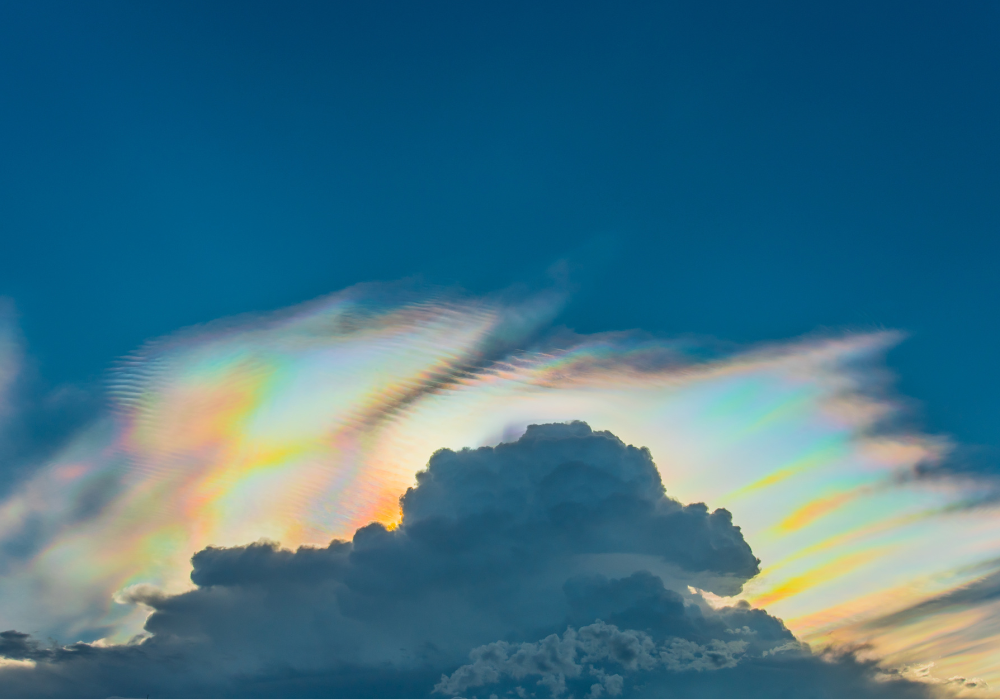
Fire rainbows occur when sunlight refracts through ice crystals in high-altitude clouds, generating vibrant spectral bands. These circumhorizontal arcs appear as a brilliant patchwork of colors in the sky, resembling an upside-down rainbow amidst a serene blue backdrop.
Despite their name, fire rainbows aren’t related to weather conditions like rainbows. Their rarity results from the precise alignment needed between the sun, clouds, and observer. Catching a glimpse is a rare delight, presenting a prism of colors as a reminder of nature’s artistry.
8. The mysterious green flash at sunset over open horizons.

Just as the sun sets over an unobstructed horizon, the green flash may appear. This fleeting optical phenomenon occurs due to Earth’s atmosphere refracting sunlight, causing a brief flash of green just as the sun vanishes below the horizon.
Such sightings are more common over the ocean, where clear views allow for unobstructed observation. While easily missed, this flash offers a magical ending to the day, sparking curiosity and awe in those fortunate enough to witness it firsthand.
9. The occurrence of strange ice circles on frozen lakes.

Ice circles, large rotating disks of ice, form in slow-moving currents of rivers or lakes. Their surreal, almost perfect circular shape arises from the gentle spin of the ice as mild currents subtly erode its edges.
These formations are a natural marvel and can span impressive sizes, sometimes growing several feet wide. The spectacle captivates those who stumble upon it, seeming almost as if a giant hand had spun the ice like a giant, frigid top.
10. The ghost lights known as will-o’-the-wisps in marshlands.

Will-o’-the-wisps, phantom lights hovering over marshy landscapes, are a blend of folklore and science. These luminous orbs, often bluish, result from the combustion of gases released by organic decay.
Their elusive nature fuels legends of spirits leading wanderers astray. Although rare today, particularly in urbanized areas, their occurrence evokes intrigue and wonder, merging science with the whispers of ancient tales that have captivated human imagination for centuries.
11. The atmospheric optical display called the glory around shadows.
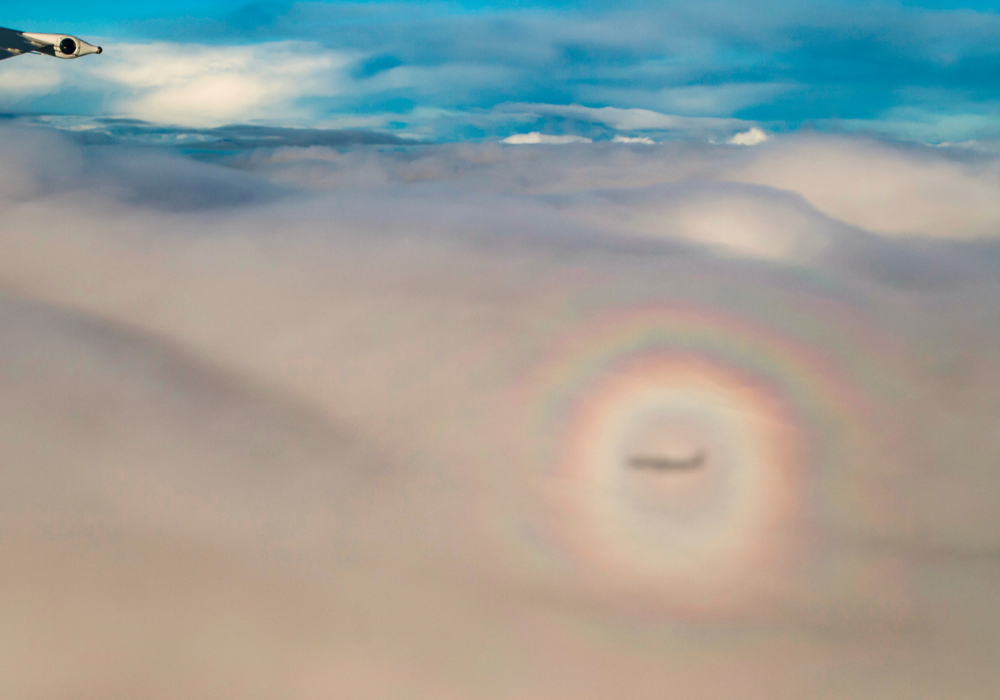
A glory is an intricate optical display appearing as rainbow-like rings around a silhouette, often seen around aircraft shadows over clouds. This phenomenon occurs when sunlight interacts with tiny droplets in clouds, causing complex refraction and scattering.
Pilots and passengers flying above clouds may glimpse their aircraft’s shadow encircled by these delicate rings. The captivating sight laces science with artistry, connecting observers with the atmosphere’s intricate dance of light and shadow.