
How centuries of displacement, violence, and broken promises continue to affect Native communities today.

More than 70% of Native Americans experience symptoms linked to historical trauma—such as grief, depression, and cultural disconnection—according to research cited by the National Library of Medicine. Yet this reality is often misunderstood or ignored by the broader public.
For centuries, Indigenous communities have endured forced removal, broken treaties, cultural erasure, and violence, with the effects compounding across generations. These harms are not confined to the past; they continue to influence health, education, and opportunity today. Ignoring this history allows systemic damage to persist. Understanding it is not about guilt, but about accountability, healing, and respect.
1. Forced assimilation shattered Native identities.
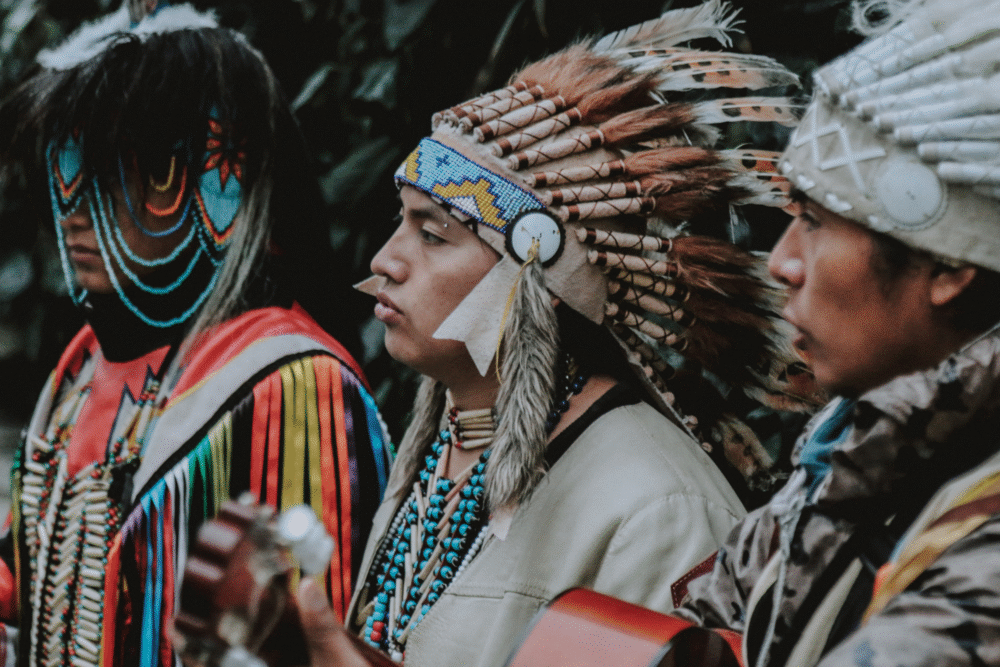
For decades, U.S. government policies aimed to erase Native culture by forcing children into boarding schools, banning spiritual practices, and punishing traditional language use. The goal wasn’t subtle—it was to “kill the Indian, save the man.”
Children were taken from their families and made to dress, speak, and behave like white Americans. The psychological damage was staggering. Many returned home unable to speak to their elders or connect with their heritage. These acts didn’t just target individuals—they decimated entire tribal identities.
The trauma continues today, passed down through generations who still carry the weight of that loss. It’s not just about cultural pride—it’s about the right to exist as you are without being stripped of your origins.
2. The boarding school system left deep emotional scars.
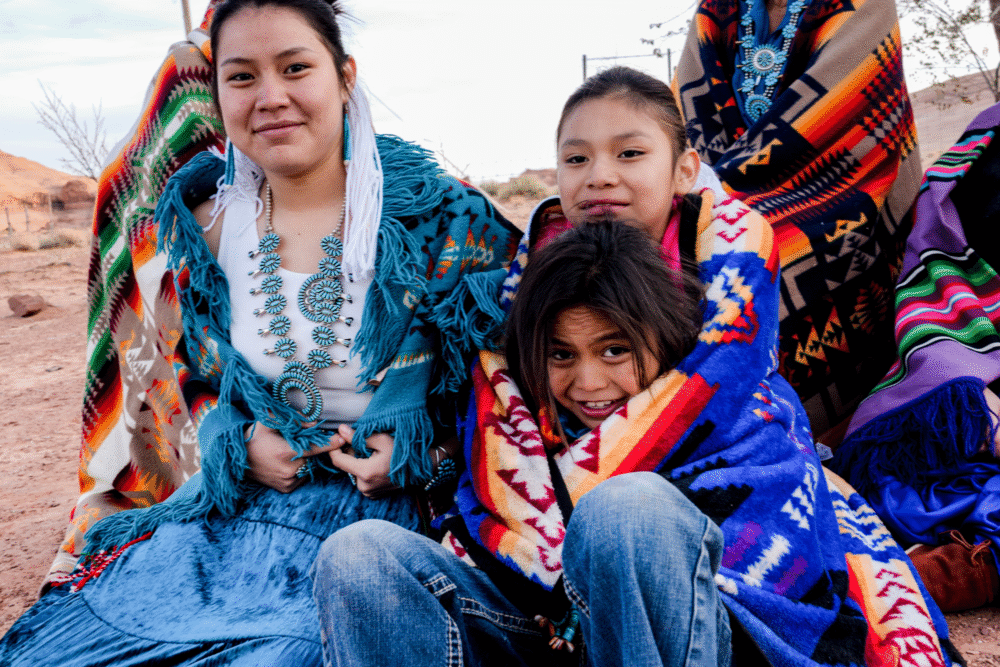
Between the 1800s and 1960s, more than 350 U.S. government-funded Indian boarding schools operated across the country. Children were often taken against their families’ will, cut off from their culture, and subjected to neglect, abuse, and punishment for speaking their language.
The grief, fear, and disconnection these children experienced didn’t disappear with time. Survivors speak of feeling like strangers in their own communities, unsure where they belonged. Many developed PTSD, substance abuse disorders, or struggled with parenting their own children.
These schools created cycles of trauma that ripple through Native families to this day. As Secretary of the Interior Deb Haaland, a member of the Laguna Pueblo, said, “The consequences of federal Indian boarding school policies are heartbreaking and undeniable.”
3. Broken treaties stole land and trust.
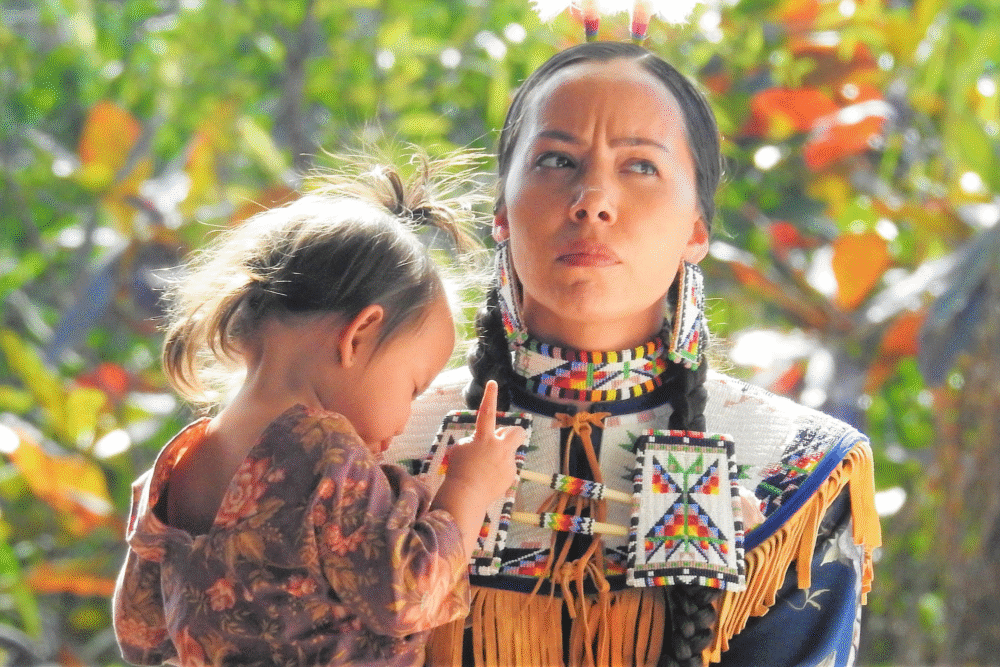
Over 500 treaties were signed between Native nations and the U.S. government—nearly all were violated. Promises of land, protection, and autonomy were ignored or revoked when they became inconvenient for expansion.
These betrayals weren’t just political—they were deeply personal. Tribes lost sacred lands, food sources, and the very foundation of their sovereignty. Generations grew up with the knowledge that their word meant less than someone else’s convenience.
The continued fight for land and water rights today is a direct consequence of this history. For many Native communities, there’s little reason to trust a system that has only ever taken and rarely honored its promises.
4. Native children are still overrepresented in foster care.
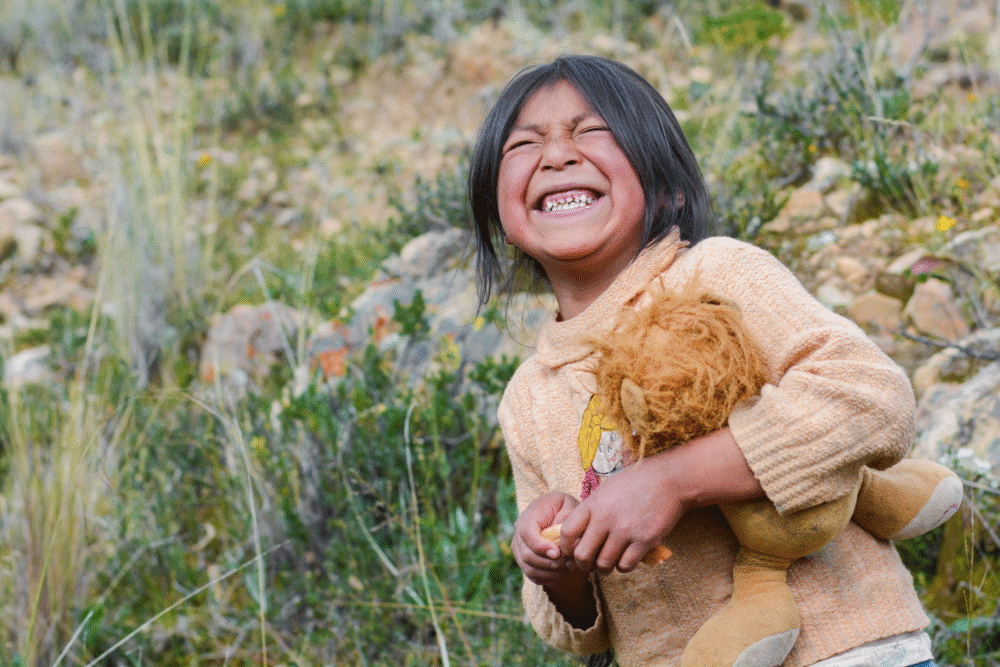
Despite efforts at reform, Native American children are far more likely to be removed from their homes and placed in foster care than white children. In some states, the rate is nearly 3 to 4 times higher.
This echoes the trauma of boarding schools, creating yet another form of forced separation from culture and community. Often, these children are placed with non-Native families who don’t understand—or even acknowledge—the importance of cultural connection.
Though the Indian Child Welfare Act (ICWA) was designed to protect tribal integrity, its enforcement is uneven. The legacy of family disruption continues, and it threatens the future of cultural preservation. Healing begins when Native families are supported, not dismantled.
5. Mental health services often miss the mark.

Native Americans experience higher rates of PTSD, suicide, depression, and substance abuse than most other racial groups in the U.S.—but culturally competent care remains limited. Many therapists and doctors lack training in Indigenous history, trauma, or healing traditions.
This can lead to misdiagnosis, mistrust, or flat-out dismissal of patients’ concerns. A Western model of mental health often overlooks the importance of community, spirituality, and ancestral grief.
As Dr. Karina Walters (Choctaw Nation), a leading researcher in Indigenous health, notes, “You cannot treat Native trauma with Western models alone. Healing must come through both cultural revival and systemic change.” Without that balance, therapy may feel alienating rather than helpful.
6. Environmental injustice hits Native communities hardest.
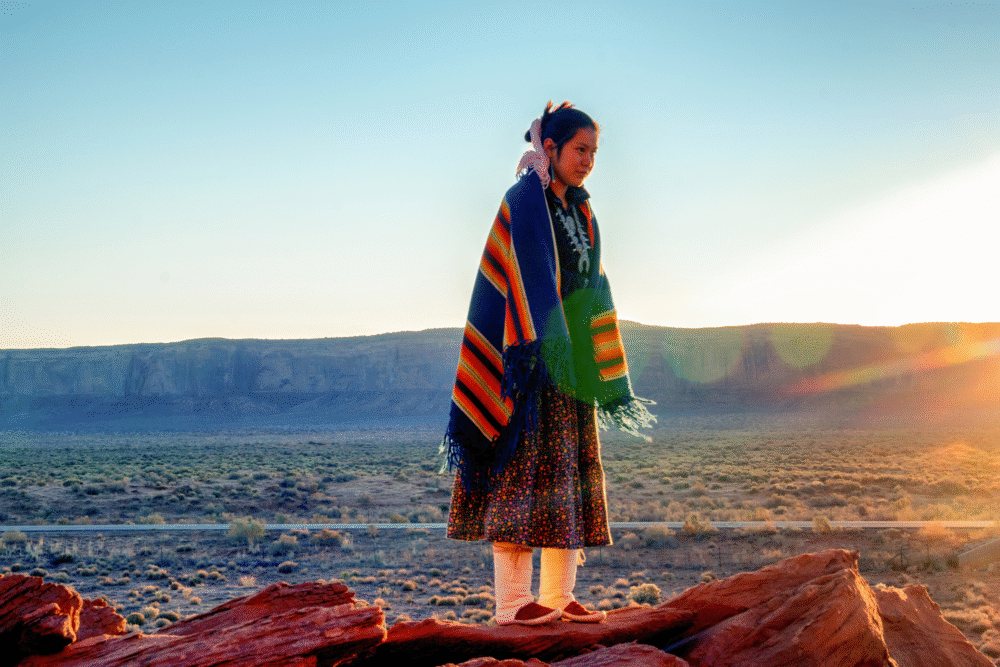
From uranium mining on Navajo land to pipeline construction through sacred Lakota territory, Indigenous communities are constantly on the front lines of environmental exploitation. These actions don’t just damage ecosystems—they damage the deep spiritual and cultural ties Native people have to their land.
Many reservations lack clean drinking water, suffer from toxic exposure, and are left out of national climate conversations. This ongoing harm ties directly to historical displacement and the government’s disregard for tribal sovereignty.
Protecting the environment isn’t separate from healing Native trauma—it’s central to it. For many tribes, the land is not a resource—it’s a relative. When it’s harmed, so are they.
7. Native women face epidemic levels of violence.
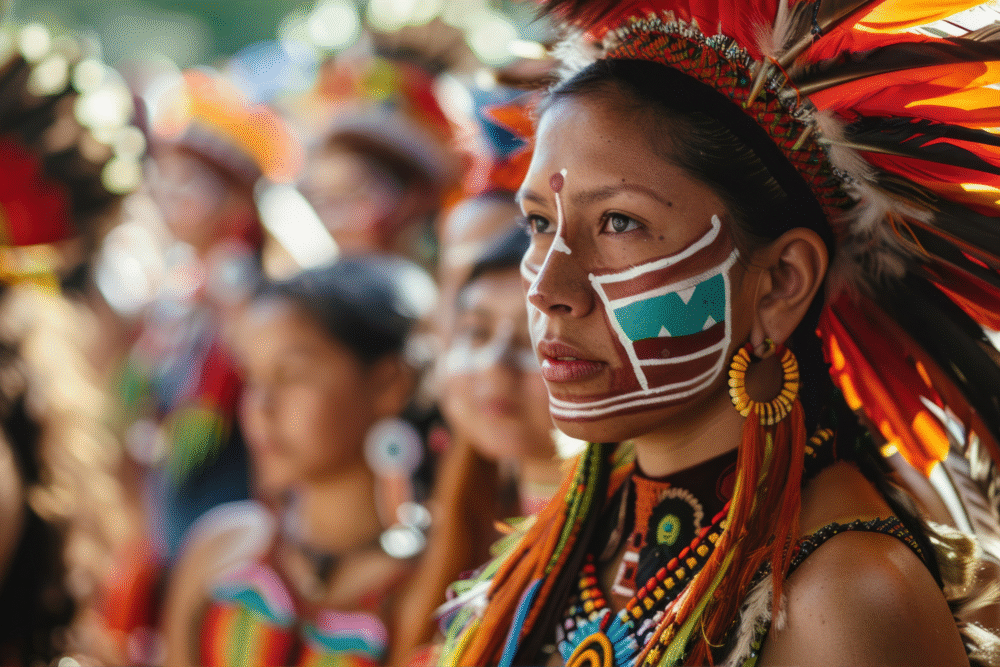
Indigenous women are more than twice as likely to be assaulted or murdered than any other racial group in the U.S. Many are victimized by non-Native perpetrators who are rarely held accountable. Jurisdictional gaps between tribal, state, and federal law often mean justice is delayed or denied.
For survivors, this isn’t just a crime—it’s a continuation of historical trauma. Colonization introduced patterns of gender-based violence that have never been properly addressed. This crisis tears through communities, often in silence, while law enforcement and the media look away. Healing can’t happen when so many women live in fear that their pain will be ignored—or repeated.
8. Stereotypes continue to erase real stories.
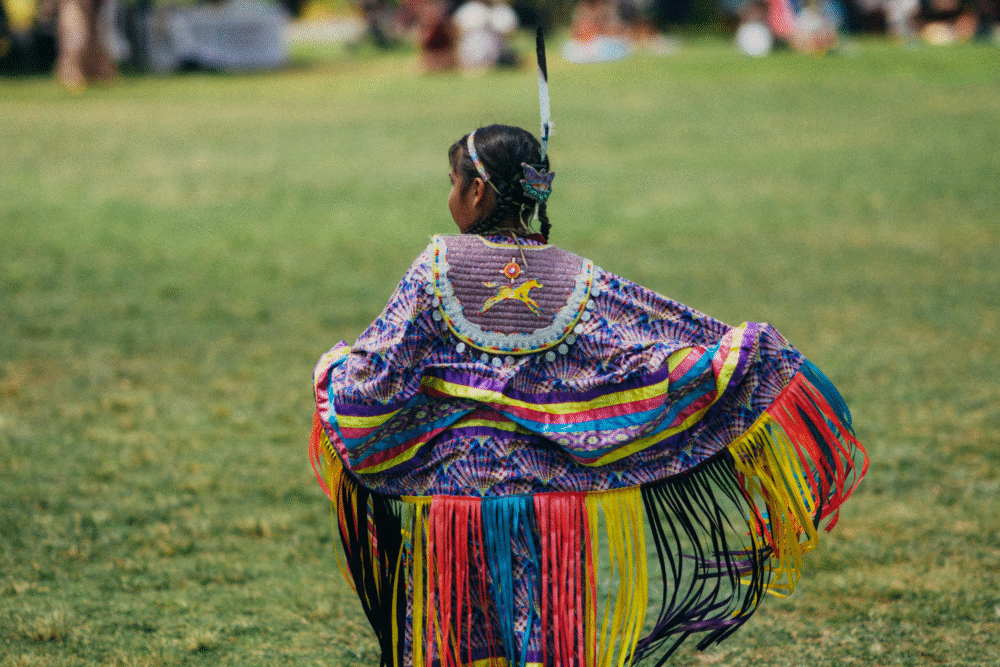
Hollywood still loves the stoic warrior, the magical elder, or the hypersexualized Native woman. These tropes may seem harmless, but they obscure the real, diverse lives of Indigenous people today.
When young Native people don’t see themselves reflected authentically in media, it reinforces invisibility. Worse, it lets non-Native people assume that modern Indigenous identities don’t exist—that Native people are stuck in the past.
This erasure is a form of trauma too. It strips away agency, complexity, and humanity. To move forward, we need to replace caricatures with real voices—and let Indigenous creators, leaders, and youth tell their own stories, their own way.
9. Language loss disrupts connection and healing.
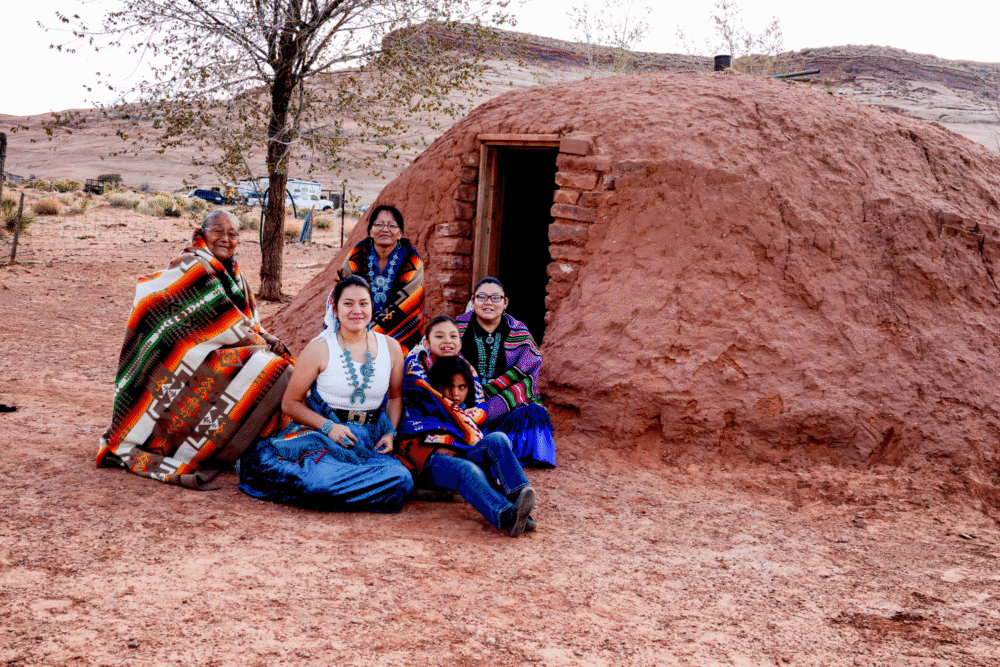
Before colonization, there were more than 300 Indigenous languages spoken across North America. Today, many are endangered or extinct. Language is more than words—it carries values, cosmology, humor, and identity.
When it disappears, so does a tribe’s unique way of understanding the world. Many elders who once spoke fluently were punished or shamed, leading them to withhold the language from younger generations.
This loss creates a gap in cultural memory—and in family relationships. Reviving language is a powerful form of resistance and healing. But without funding, educational support, and community leadership, this cultural reclamation remains an uphill battle.
10. Intergenerational trauma lives in the body.
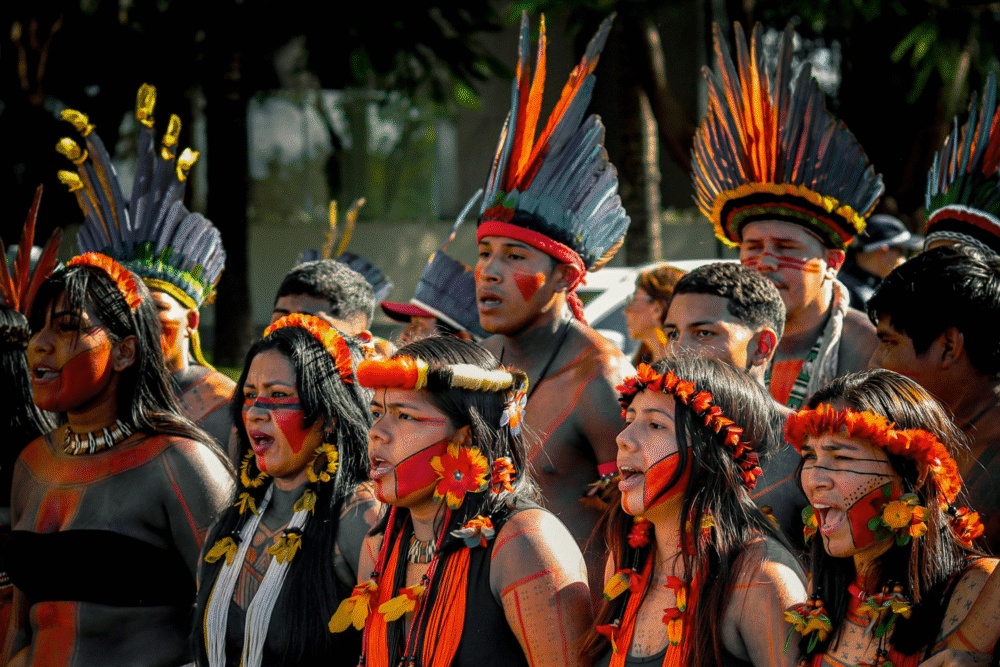
Trauma doesn’t stop with the person who experiences it—it echoes through families. Studies show that trauma can influence gene expression, making future generations more vulnerable to stress, addiction, and illness. Native communities live with this daily.
A grandmother’s boarding school experience becomes a mother’s anxiety, which becomes a child’s depression. This isn’t about blaming the past—it’s about recognizing how it continues to shape the present.
Acknowledging intergenerational trauma is the first step toward breaking its cycle. Healing isn’t just about the individual—it’s about honoring the pain of the past and building strength for the future.
11. Native resilience deserves more attention than Native trauma.
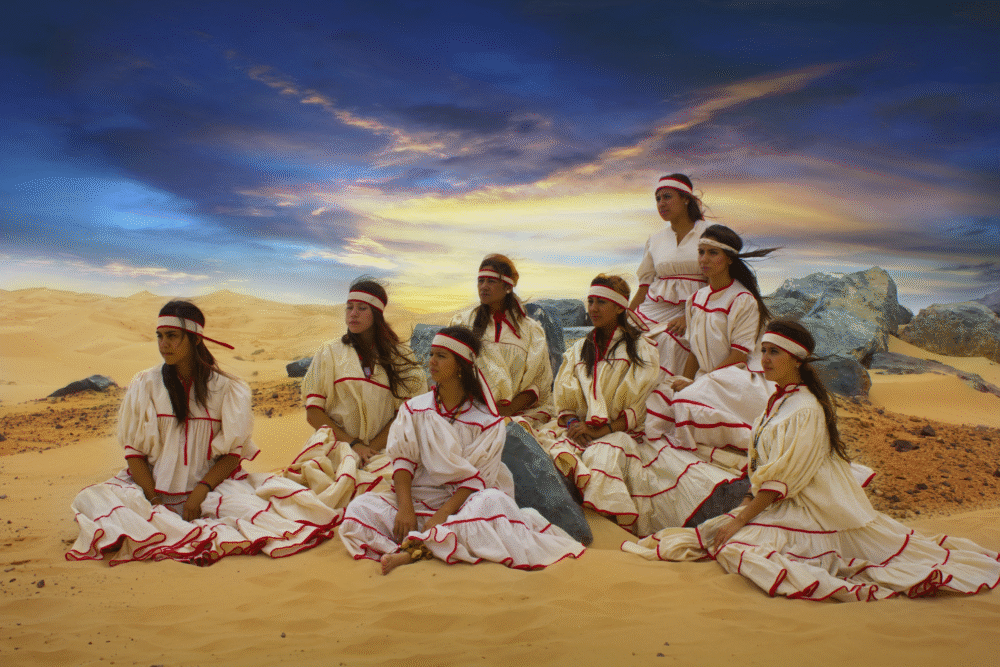
Yes, Indigenous communities carry heavy burdens—but they also carry astonishing strength. Language revival programs, tribal colleges, land rematriation efforts, and youth leadership movements are thriving across the country.
Despite centuries of harm, Native people are preserving their culture, fighting for their rights, and demanding justice. Focusing only on the trauma tells half the story. The other half is one of survival, creativity, and resistance.
Every powwow, protest, language class, and sacred ceremony is a declaration: We are still here. Recognizing trauma is necessary, but so is uplifting the power of Indigenous healing, wisdom, and joy.