
Major catastrophic events that follow predictable patterns and haven’t happened in decades.
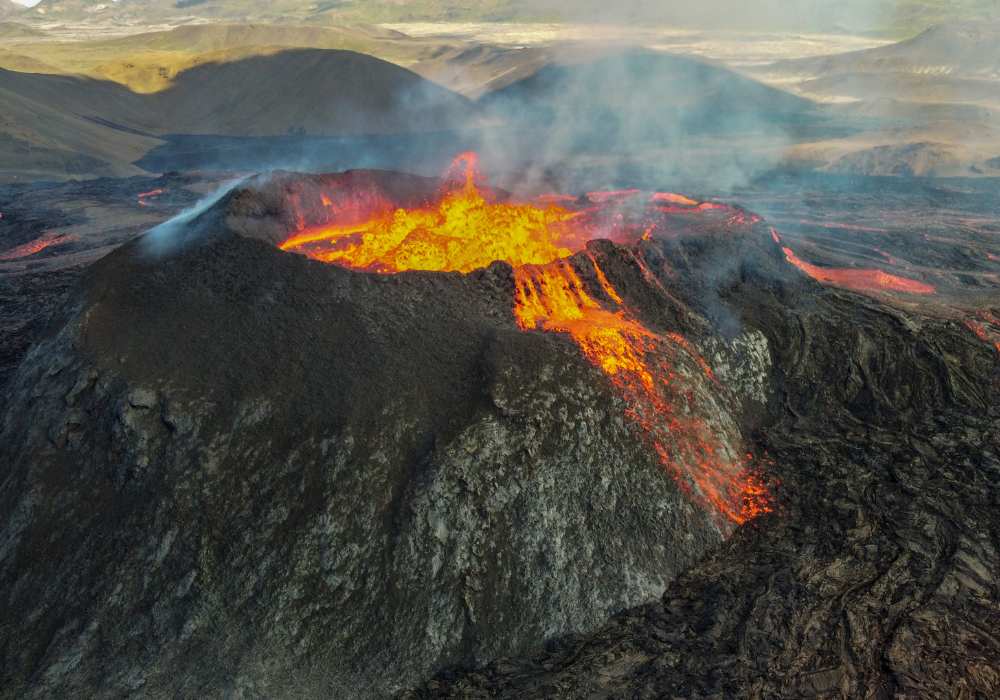
Nature operates on timescales that make human planning look adorably short-sighted. While we worry about quarterly earnings and election cycles, the Earth quietly builds up geological pressures that release catastrophically every few hundred years.
Scientists can read these patterns in rock layers, ice cores, and historical records with disturbing precision—massive earthquakes that strike every 300 years, supervolcanic eruptions that follow 600,000-year cycles, and mega-tsunamis that reshape coastlines every few centuries.
The terrifying part isn’t that these disasters will happen; it’s that many of them are statistically overdue based on historical patterns. Some have been building pressure for so long that seismologists, volcanologists, and other disaster scientists are essentially waiting for the other shoe to drop.
1. Yellowstone’s supervolcano is 40,000 years past its typical eruption schedule
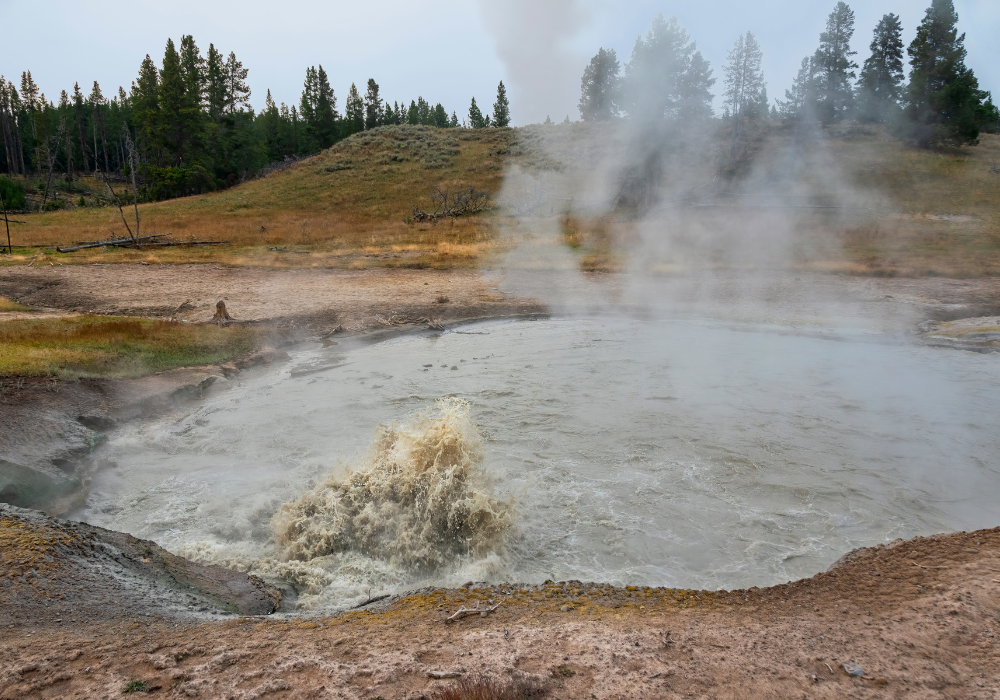
Yellowstone’s massive magma chamber has erupted catastrophically three times in the past 2.1 million years—roughly every 600,000-700,000 years. The last super-eruption happened 640,000 years ago, putting us well into the statistical danger zone based on historical patterns. When Yellowstone explodes, it doesn’t just affect the local area—it blankets half of North America in ash and triggers global climate cooling.
Recent monitoring shows increasing ground deformation, more frequent earthquake swarms, and changes in hydrothermal features that suggest the magma chamber is becoming more active. While an eruption isn’t imminent in human terms, geological evidence indicates that super-eruptions can develop relatively quickly once certain triggers are reached. The ash fallout alone would make agriculture impossible across vast areas of the American Midwest.
2. A magnitude 9+ earthquake is brewing along the Cascadia Subduction Zone
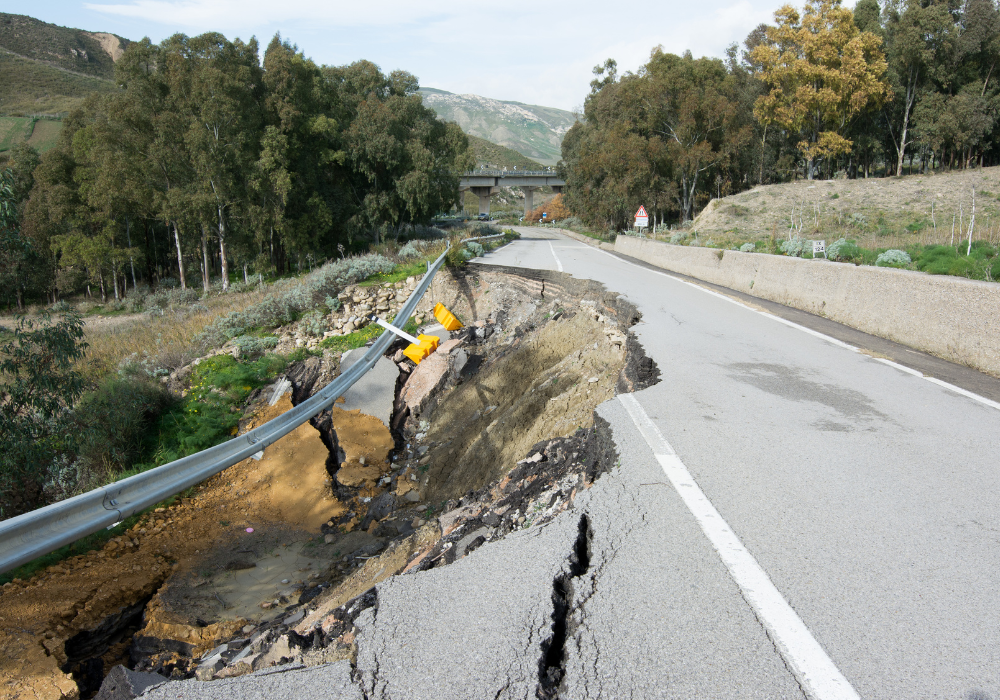
The Pacific Northwest’s major fault line produces massive earthquakes roughly every 300-500 years, with the last one occurring in 1700. Geological evidence shows that Cascadia has generated at least 40 major quakes in the past 10,000 years, making the current 300+ year gap statistically concerning for seismologists.
When the Cascadia fault finally ruptures, it will likely generate a magnitude 9.0+ earthquake that lasts 4-6 minutes and triggers tsunamis reaching 100+ feet high along the Pacific coast. The earthquake will be felt from Northern California to British Columbia, potentially killing thousands and causing hundreds of billions in damage to cities never designed for such massive shaking.
3. Istanbul sits on a fault that produces devastating earthquakes every century
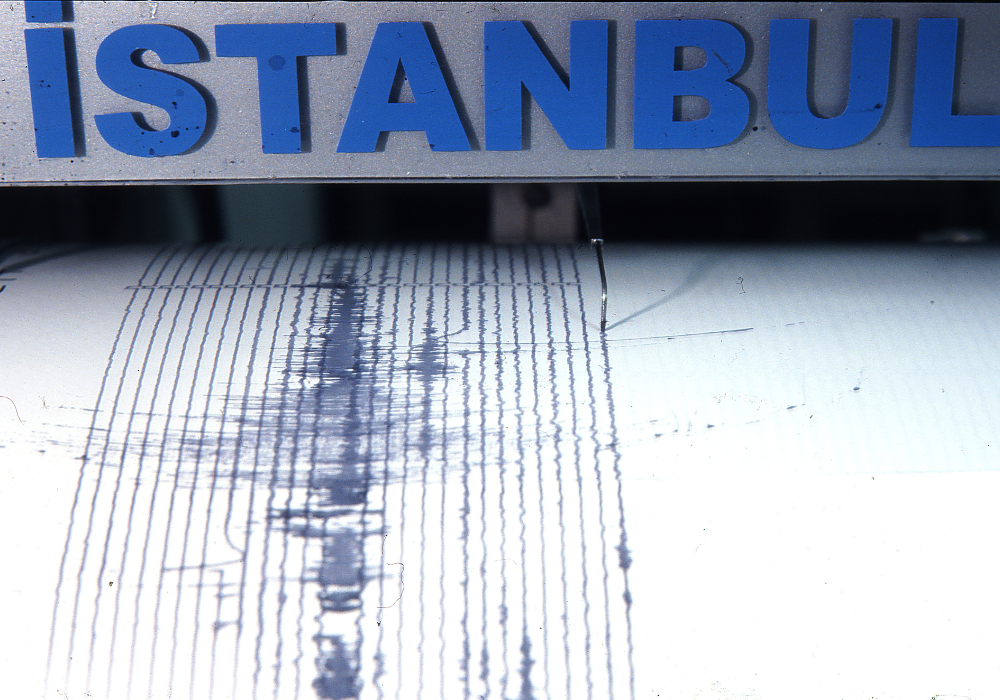
The North Anatolian Fault has generated major earthquakes in a predictable pattern moving westward toward Istanbul over the past century. Historical records show that Istanbul experiences catastrophic earthquakes roughly every 250 years, with the last major one occurring in 1766—making the city statistically overdue for disaster.
Modern Istanbul houses 15 million people in buildings that largely predate current earthquake codes, creating a scenario that seismologists describe as one of the world’s most dangerous urban earthquake risks. The fault has been building pressure for over 250 years, and when it finally ruptures, the economic and human toll could exceed any earthquake in recorded history.
4. The New Madrid fault zone could split America’s heartland again
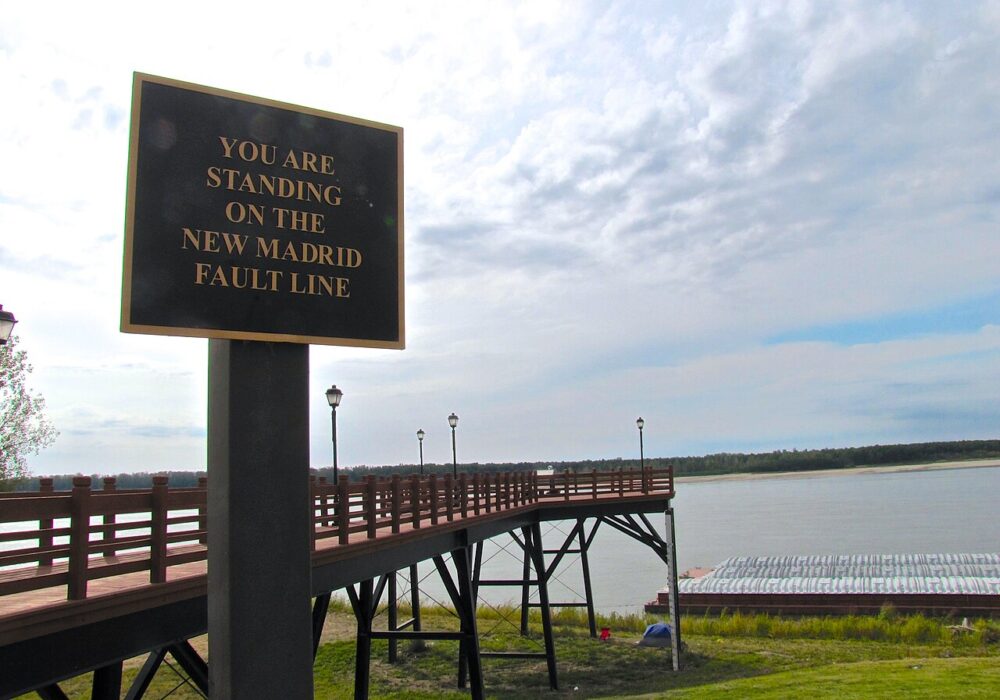
The New Madrid Seismic Zone in the central United States produced three of the most powerful earthquakes in American history during the winter of 1811-1812, temporarily reversing the flow of the Mississippi River and ringing church bells as far away as Boston. These intraplate earthquakes occur roughly every 500-1,000 years in the region.
The fault system remains active beneath Missouri, Arkansas, Tennessee, and Kentucky—an area with millions of residents living in buildings never designed for major seismic activity. A repeat of the 1811-1812 sequence would be catastrophic for modern infrastructure, potentially disrupting transportation, power grids, and commerce across the American heartland for months or years.
5. Mount Vesuvius hasn’t erupted in 80 years but sits under 3 million people
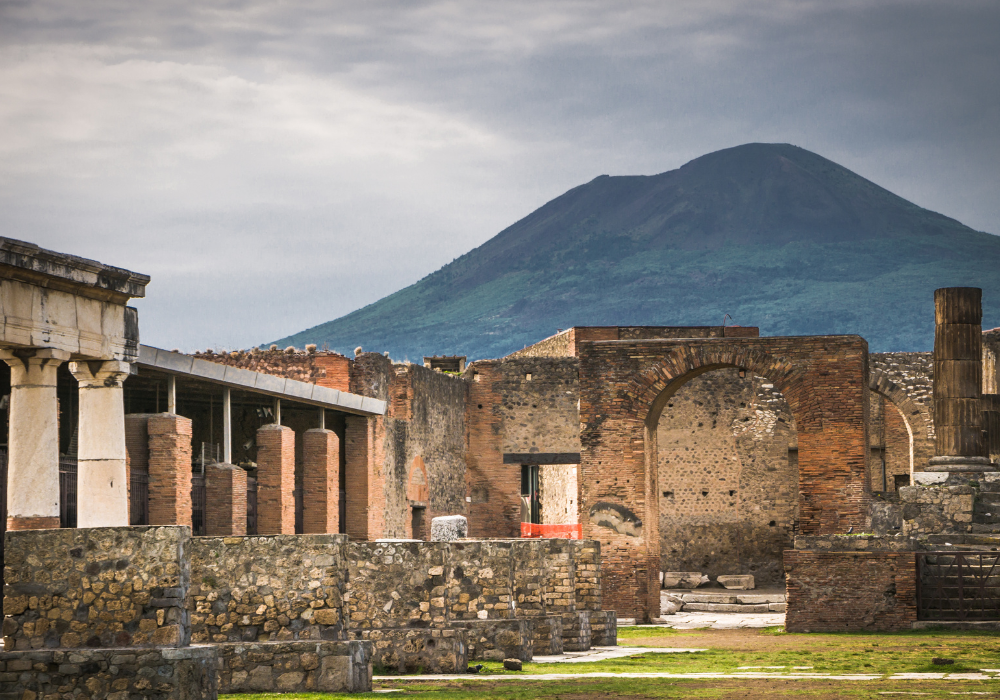
Italy’s most famous volcano follows a pattern of major eruptions roughly every 100-300 years, with smaller eruptions occurring more frequently. Vesuvius last erupted in 1944, and the current quiet period is approaching the upper range of historical cycles. The volcano sits in one of the world’s most densely populated volcanic regions, with Naples and surrounding areas housing over 3 million residents.
Geological monitoring shows that magma continues to accumulate beneath Vesuvius, while ground deformation and gas emissions indicate increasing pressure within the volcanic system. The next major eruption could happen with little warning, potentially requiring the largest volcanic evacuation in human history while threatening one of Europe’s major population centers.
6. A massive landslide tsunami in the Canary Islands could devastate Atlantic coastlines
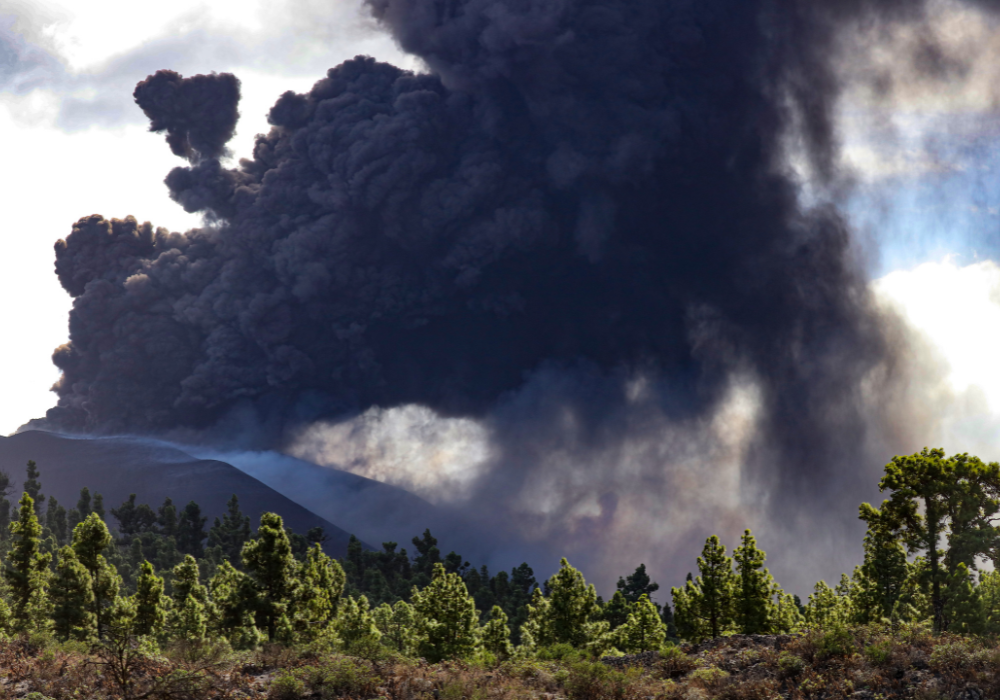
The Cumbre Vieja volcano on La Palma island contains a massive unstable rock formation that could collapse into the Atlantic Ocean during a future volcanic eruption. Geological surveys indicate that similar mega-landslides have occurred every 100,000-200,000 years, generating tsunamis that reach across entire ocean basins.
Computer models suggest that a complete flank collapse could generate tsunamis 100+ feet high that would reach the eastern United States in 8-9 hours, devastating coastal cities from Boston to Miami. While the probability of complete collapse during any single eruption is debated, the geological evidence shows that such events are inevitable on geological timescales.
7. The Hayward Fault threatens San Francisco Bay with “the big one”
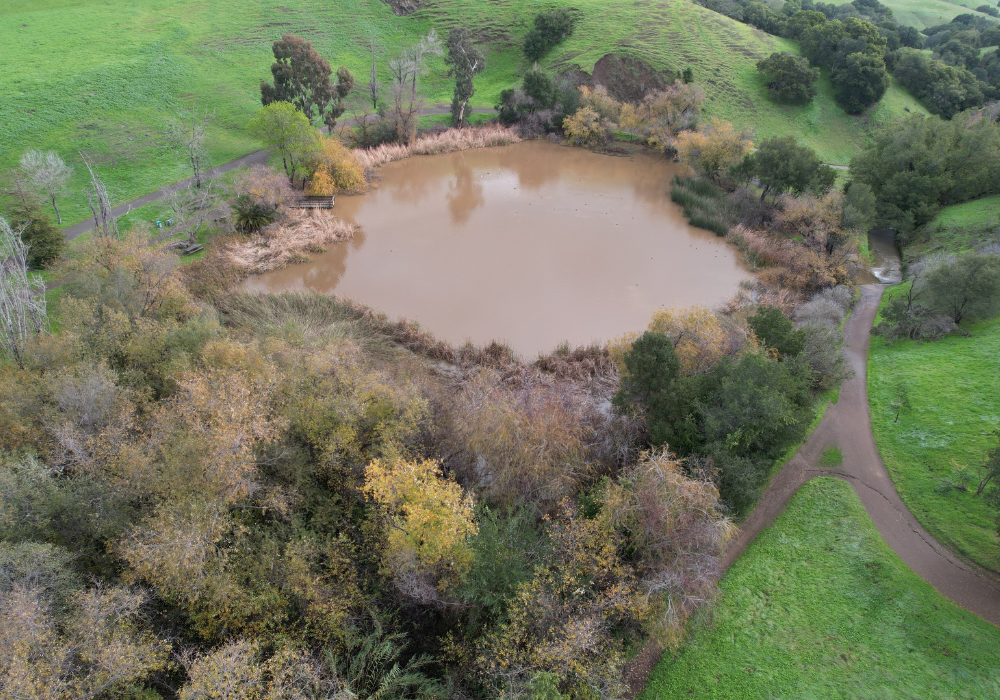
California’s Hayward Fault produces major earthquakes roughly every 140 years, with the last significant rupture occurring in 1868. The fault runs directly through densely populated areas of the San Francisco Bay Area, passing beneath critical infrastructure including the University of California Berkeley, major highways, and thousands of unreinforced buildings.
Seismic monitoring shows that the Hayward Fault is “locked” and building up stress that will eventually release in a major earthquake. The United States Geological Survey estimates a 30% probability of a magnitude 6.7+ earthquake on the Hayward Fault within 30 years, which would likely cause more damage than the famous 1906 San Francisco earthquake.
8. Lake Toba’s supervolcano in Indonesia last erupted 74,000 years ago
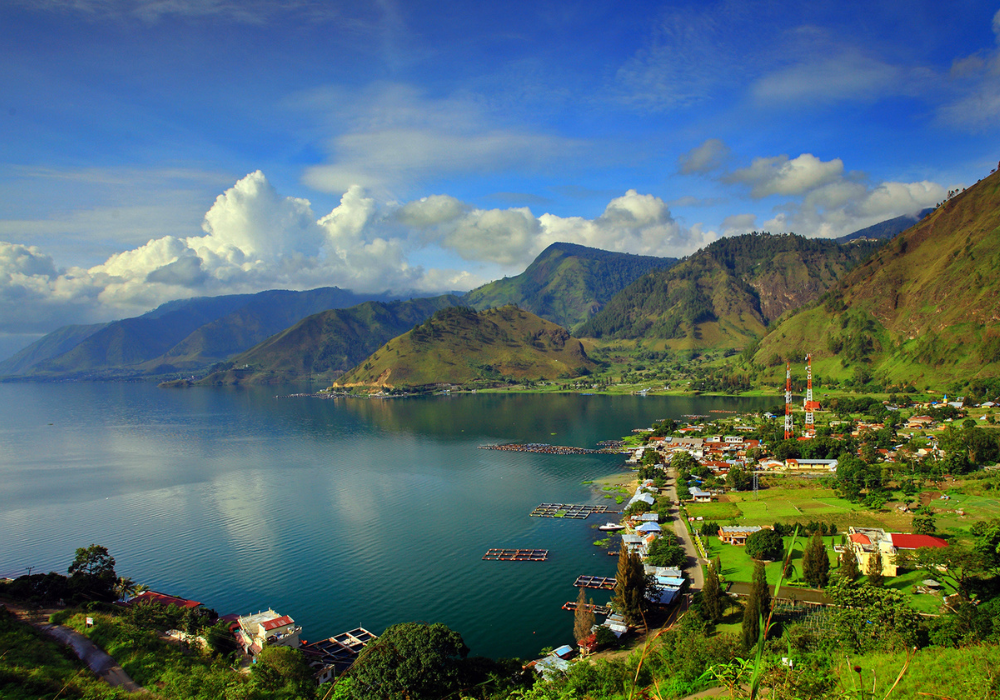
Indonesia’s Lake Toba represents the caldera of a supervolcano that produced the most recent super-eruption in Earth’s history, creating a volcanic winter that nearly drove humans to extinction. The eruption cycle for Toba appears to be roughly 300,000-400,000 years, but increased seismic activity and ground deformation suggest the system may be reactivating.
Modern Indonesia has over 270 million people, many living within the potential impact zone of a future Toba eruption. A repeat of the 74,000-year-ago eruption would not only devastate Southeast Asia but could trigger global climate effects and agricultural failures that would affect the entire planet’s population.
9. The Alpine Fault in New Zealand is 300 years overdue for a major rupture
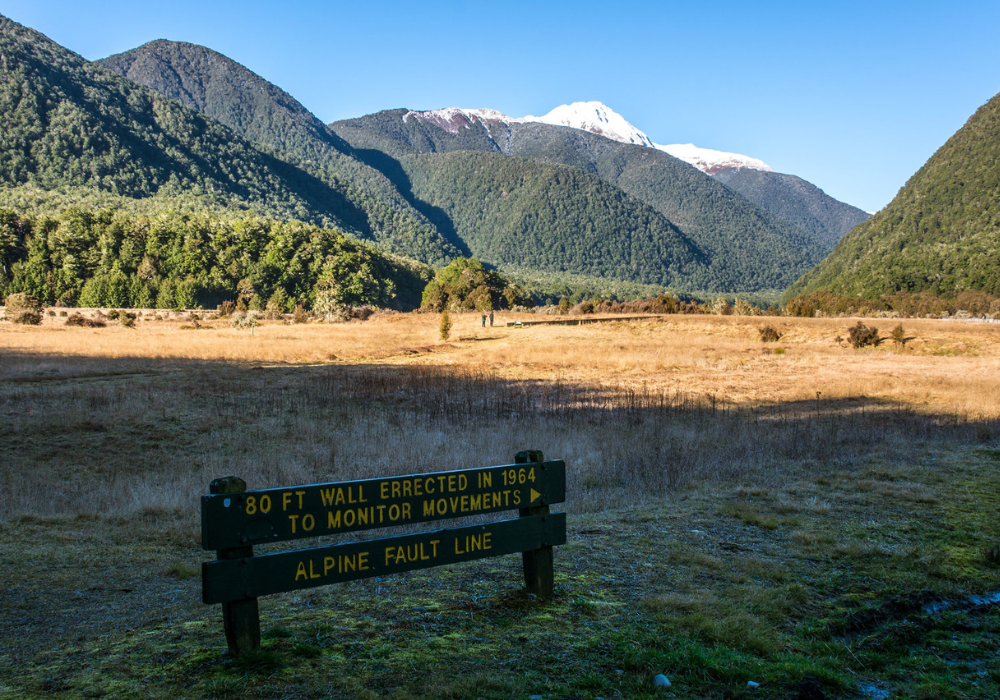
New Zealand’s Alpine Fault produces magnitude 8+ earthquakes roughly every 300 years based on geological evidence, with the last major rupture occurring around 1717. The fault system shows clear signs of accumulated stress and is considered one of the world’s most likely sources for a near-future major earthquake.
When the Alpine Fault ruptures, it will likely generate severe shaking across New Zealand’s South Island and could trigger landslides that temporarily dam major rivers, creating flood risks for downstream communities. The economic impact would be enormous for a small island nation heavily dependent on agriculture and tourism.
10. Mount Fuji hasn’t erupted since 1707 but remains an active volcano
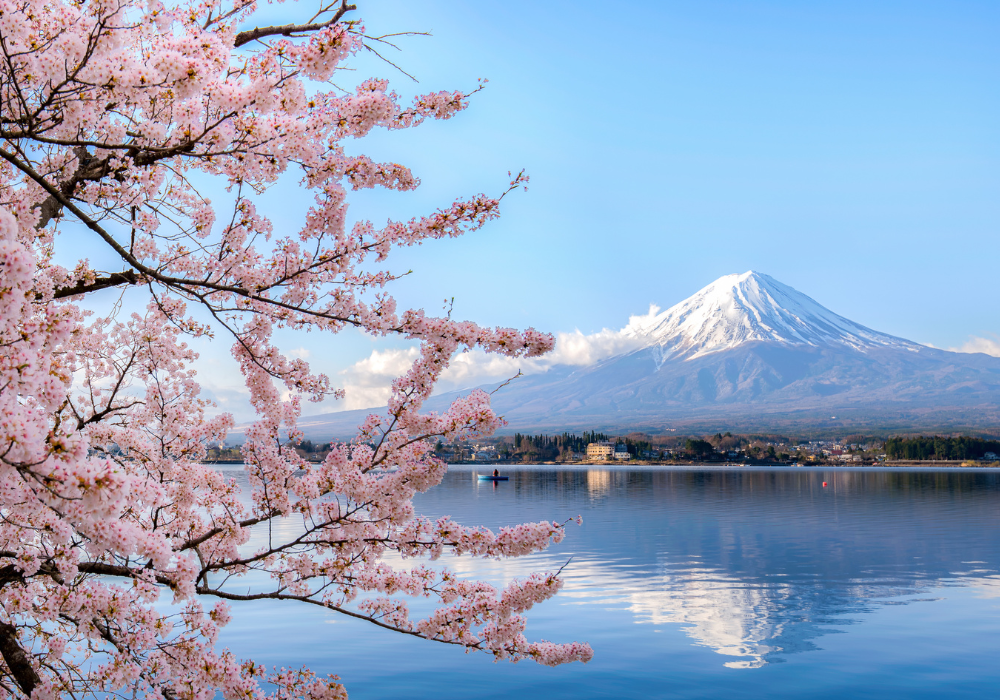
Japan’s iconic volcano has erupted roughly every 100-300 years throughout recorded history, with the most recent eruption occurring over 300 years ago. Mount Fuji sits just 60 miles from Tokyo and could disrupt the world’s largest metropolitan area if it erupts again with little warning.
Recent seismic activity beneath Mount Fuji has increased following the 2011 Tohoku earthquake, suggesting that the volcanic system may be destabilizing. An eruption would not only threaten millions of residents but could shut down Tokyo’s airports, disrupt global supply chains, and create economic impacts far beyond Japan’s borders.
11. The Reelfoot Rift could trigger another massive earthquake in America’s midsection
The Reelfoot Rift beneath the central United States represents an ancient failed continental break that continues to generate significant seismic activity. The rift system produced the devastating New Madrid earthquakes of 1811-1812 and continues to show signs of ongoing stress accumulation that could trigger future major events.
Modern seismic monitoring reveals continued activity along the rift system, with scientists debating whether the area is capable of generating magnitude 7+ earthquakes that could affect millions of people across multiple states. The region’s buildings and infrastructure remain largely unprepared for major seismic events, creating vulnerability that extends far beyond traditional earthquake zones.