
Groundbreaking breakthroughs in space, medicine, and technology are changing life as we know it.

From unlocking the secrets of the universe to developing life-saving medical advances, scientists are making discoveries at a pace few could have imagined a decade ago. Recent breakthroughs include progress in artificial intelligence, quantum computing, and cancer research — along with new insights into space, genetics, and energy. Together, these findings highlight a turning point in human innovation, as science pushes the boundaries of what’s possible and reshapes how we understand life, technology, and the cosmos itself.
1. AI Models Are Now Helping Drive Scientific Discovery

Artificial intelligence is reshaping how science is done. Researchers are using powerful AI models to analyze enormous datasets, identify chemical compounds, and even design new materials faster than ever before. Some of these systems are generating hypotheses that would have taken human teams months to develop.
This leap in computing power means scientific progress is accelerating at an unprecedented rate. However, experts warn that AI should remain a partner, not a replacement. Human oversight is essential to verify results, ensure accuracy, and maintain ethical standards as machines begin shaping the future of discovery itself.
2. Immune “Regulator” Cells Win Nobel Medicine Prize
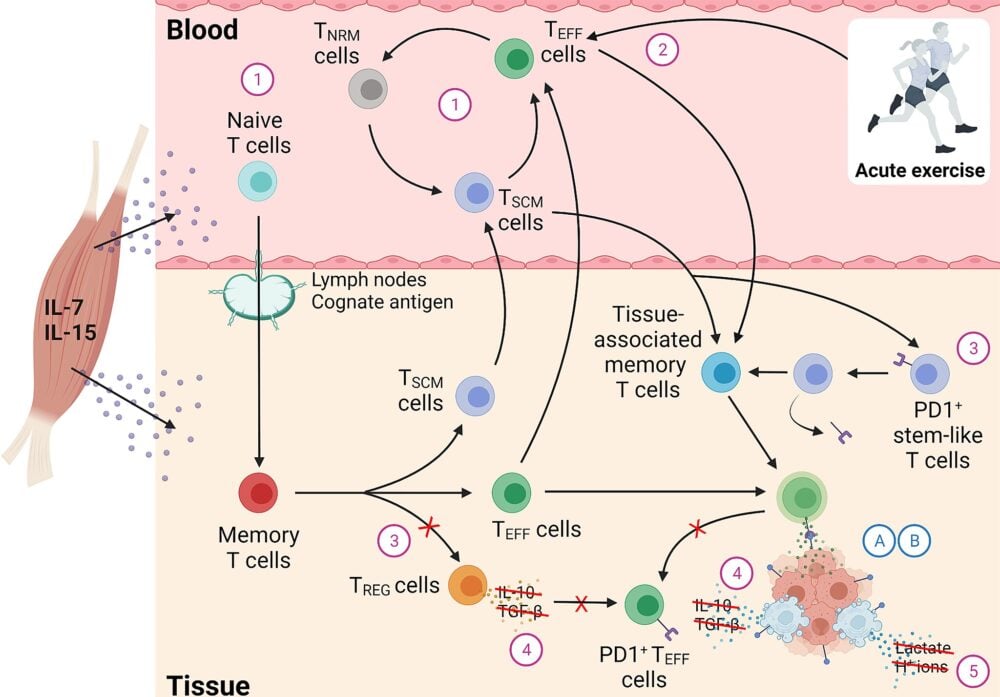
The 2025 Nobel Prize in Physiology or Medicine honored scientists who uncovered how regulatory T cells keep the immune system in balance. These specialized cells prevent the body from attacking its own tissues, protecting against autoimmune diseases like lupus or Type 1 diabetes.
By understanding how these “peacekeeping” cells work, researchers can develop new therapies that fine-tune immune responses instead of suppressing them entirely. This discovery opens the door to targeted treatments for inflammation, cancer, and transplants — offering hope for millions affected by chronic immune disorders.
3. Night-Vision Contact Lenses Are No Longer Sci-Fi

Engineers have developed prototype contact lenses that detect near-infrared light, effectively giving wearers a kind of night vision. The lenses use microscopic sensors embedded in flexible material to capture wavelengths invisible to the human eye.
While still experimental, this technology could be a game changer for security workers, rescue teams, and even everyday consumers. Researchers are now focused on improving image clarity, power efficiency, and long-term comfort — bringing science fiction one step closer to reality.
4. A Gene Therapy Cure for Sickle Cell Disease
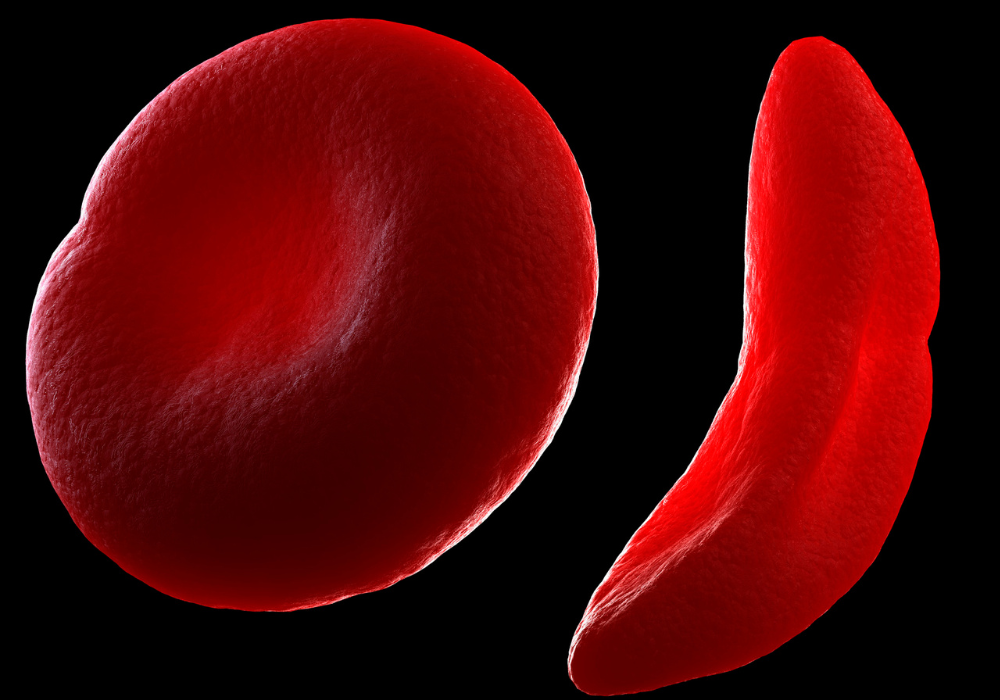
A groundbreaking gene therapy known as Lyfgenia has cured a patient with sickle cell disease, one of the most common inherited blood disorders. The treatment edits a patient’s own stem cells so they can produce healthy red blood cells instead of the sickled ones that block blood flow and cause pain.
This marks one of the first true genetic cures for a major disease. If long-term trials confirm success, gene-editing therapies could transform how doctors treat not just sickle cell, but other inherited disorders — replacing lifelong management with a permanent solution.
5. A Vaccine Shows Promise Against Pancreatic Cancer Recurrence

Researchers are testing a new mRNA-based vaccine designed to prevent pancreatic cancer from returning after surgery. The vaccine teaches the immune system to recognize cancer-specific proteins and attack any lingering tumor cells before they can grow again.
Early trial results are promising, showing a significant drop in recurrence rates among participants. If future studies confirm these findings, it could lead to similar vaccines for other aggressive cancers, redefining how doctors prevent relapse and dramatically improving patient survival rates.
6. Lab-Grown Spinal Tissue Advances Spine Repair
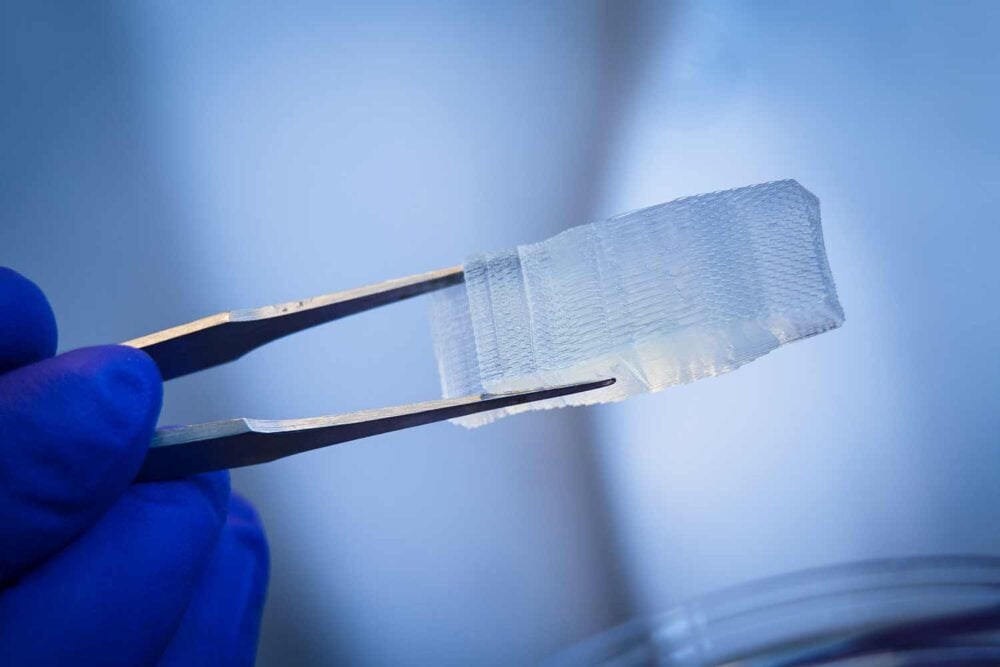
Scientists have successfully grown a structure called a notochord — the foundation for the spinal column — from human stem cells. This is a crucial step toward repairing or regenerating damaged spinal tissue.
The breakthrough could eventually lead to therapies that restore movement and function after spinal injuries or correct congenital defects. Researchers are now studying how to integrate lab-grown tissue with living cells safely, moving one step closer to turning regenerative spinal medicine into reality.
7. Solar Reactor Prototype Makes Green Hydrogen Using Sunlight
A new solar reactor has achieved a major sustainability milestone by producing hydrogen fuel directly from sunlight and water. The device uses photocatalytic materials that harness solar energy to split water molecules — creating a clean, renewable energy source.
This process eliminates the need for fossil fuels, which are still used in most hydrogen production today. If scaled up, the technology could make green hydrogen affordable for powering vehicles, heating homes, and running factories — a critical step toward reducing global carbon emissions.
8. Panda Cells Reprogrammed Into Stem Cells for Conservation

Chinese scientists have reprogrammed panda skin cells into induced pluripotent stem cells, capable of developing into almost any tissue type. This breakthrough gives conservationists powerful new tools for protecting endangered species.
The technique could help scientists preserve genetic diversity, improve breeding programs, and possibly restore threatened populations. While still early in development, it’s a groundbreaking example of how biotechnology can play a direct role in saving animals on the brink of extinction.
9. A New Molecular Pathway Identified in Lupus

Researchers have identified a key molecular pathway that drives lupus, a chronic autoimmune disease that attacks the body’s tissues. By targeting the pathway with a specific therapy, scientists have been able to reduce inflammation in lab studies.
This discovery gives doctors a clearer picture of how lupus develops and how to treat it without suppressing the entire immune system. It could lead to safer, more effective medications that bring lasting relief to millions who currently depend on powerful drugs with difficult side effects.
10. IVF Success Could Help Save Nearly Extinct Rhinos
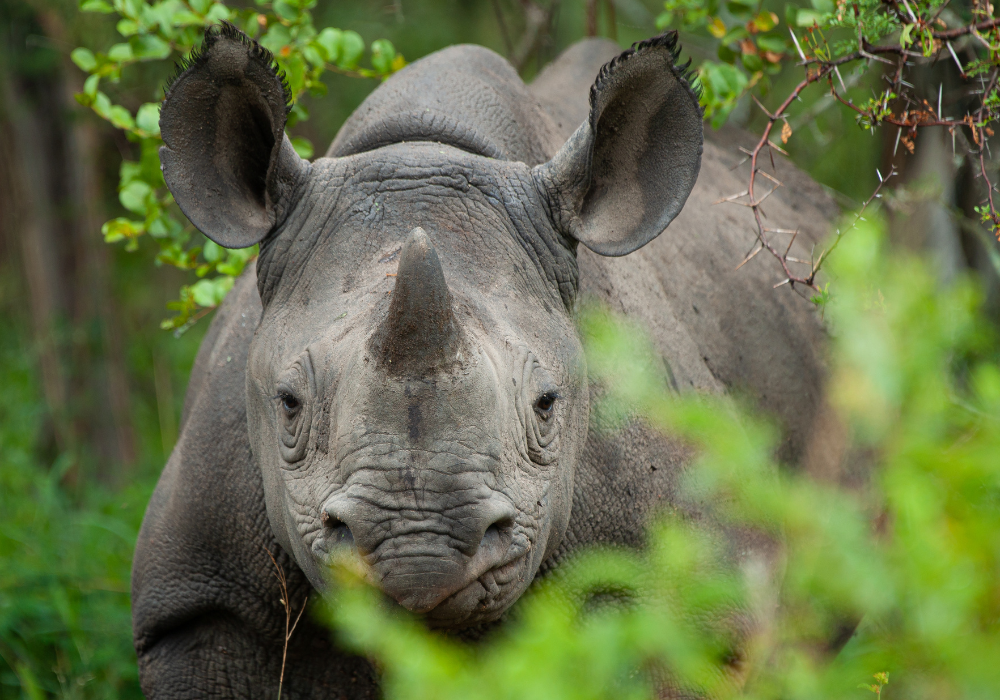
In a conservation milestone, scientists achieved the first successful in vitro fertilization of a southern white rhino using frozen sperm and a surrogate mother. This technique could soon be applied to the critically endangered northern white rhino, which has only two surviving females.
The success proves that advanced reproductive technology can help rescue species on the verge of extinction. Researchers hope to use similar methods to preserve genetic material and restore populations of other threatened animals around the world.
11. A Light-Based “Chewable” Flu Test

Scientists have designed a chewable strip that can detect influenza by changing flavor when exposed to viral molecules. The innovation uses light-responsive compounds that trigger a chemical taste signal when flu proteins are present in saliva.
This “taste test” for illness could revolutionize public health, especially in low-resource settings. It offers a fast, painless, and affordable way to diagnose infections — potentially replacing swabs and lab tests with something as simple as chewing gum. The idea is still in development, but researchers say it’s one of the most creative approaches to disease detection yet.