
New research suggests the human mind works in ways that challenge how we think awareness and reality really function.

Human consciousness is often oversimplified, but it is a complex blend of mental processes, emotions, and perceptions that constantly interact. Contrary to common assumptions, consciousness is not fixed or fully understood; it shifts naturally and is deeply influenced by unconscious factors, culture, and memories.
Gaining clarity about these surprising aspects helps us appreciate the nuanced nature of awareness and challenges many traditional beliefs about the mind.
1. Consciousness extends beyond simple awareness and involves complex mental processes.

Human consciousness involves intricate mental processes, not just simple awareness. Complex interactions between perception, memory, and thought contribute to a rich conscious experience. Consider an artist deeply engrossed in painting, lost in layers of creativity beyond mere awareness.
Beyond the surface, our minds manage countless processes simultaneously, making our notion of consciousness more layered than traditionally believed. It’s a dynamic arena where imagination weaves with reality, crafting experiences that defy linear definitions. This complexity challenges ideas about consciousness being just a singular, static awareness.
2. Human consciousness is not fixed and can shift between various states naturally.

Shifting states of consciousness occur naturally, moving through levels of alertness, sleep, and more. These transitions aren’t isolated; they fluidly blend, reflecting the mind’s adaptability. For instance, daydreaming offers a gentle switch from focused tasks to relaxed creativity.
Humans can seamlessly navigate between these varying states, adapting to situational demands or inner needs. The ability to move through these phases both benefits mental resilience and highlights consciousness’s fluid nature. Traditional views often underestimated this versatile transformation, but such shifts are integral to human experience.
3. The mind and body are deeply interconnected in shaping conscious experience.

Mind and body collaborate extensively to shape conscious experiences. Neurological activity influences physiological responses; even a thought can trigger a heartbeat change or sweat. Picture the flutter of anticipation before a thrilling event.
This interplay emphasizes that consciousness cannot be dissected and confined to the brain alone. The body experiences, feels, and reacts, each interaction coloring the canvas of our awareness. Understanding this relationship reveals why mental and physical well-being interweave, forming a robust, interconnected system.
4. Consciousness influences perception and how individuals interpret reality differently.

Personal perceptions craft individualized interpretations of reality; different viewpoints highlight consciousness’s subjective nature. One person’s vibrant sunset might appear ordinary to another, illustrating diverse interpretations. Such variations arise from unique mental frameworks and highlighting the impact of conscious influence.
Reality isn’t a universal constant. Instead, consciousness filters and frames an individual’s experience, deeply affecting how life is perceived. This challenges the belief that everyone views the world in a singular manner, showcasing the nuanced personal filter through which reality is interpreted.
5. Self-awareness is a key aspect that separates human consciousness from other life forms.
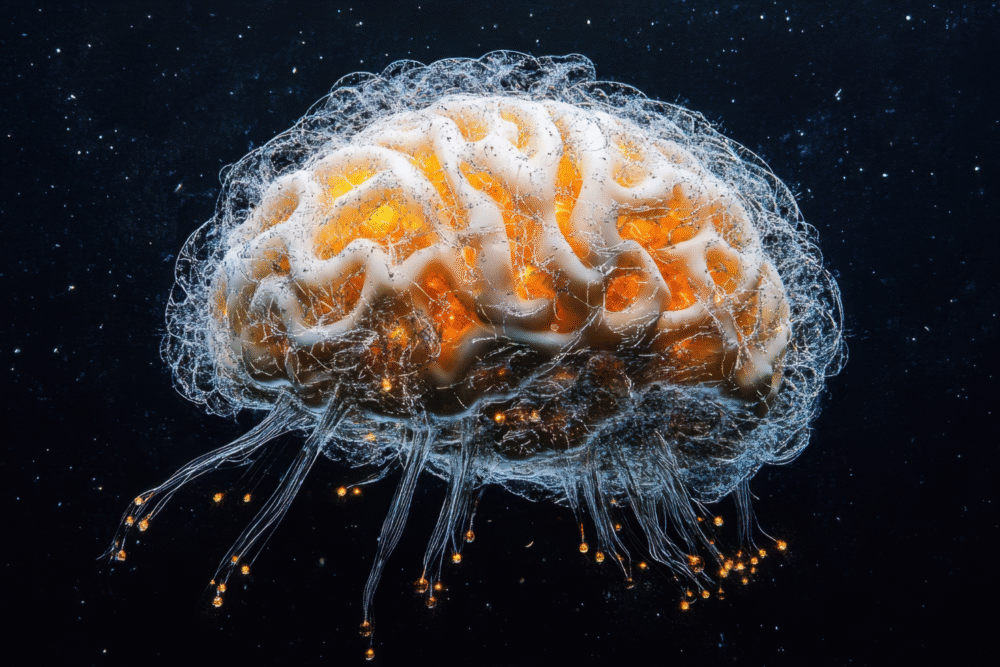
Self-awareness is crucial in distinguishing human consciousness from that of other species, facilitating introspection and self-reflection. Humans can ponder their thought patterns, unlike most animals. This reflective capacity allows recognizing one’s identity across time.
While animals may possess basic awareness, human self-awareness provides a uniquely profound depth of understanding. It permits insight into one’s existence, emotions, and desires, enriching conscious experiences. However, this doesn’t suggest other life forms lack consciousness; instead, it highlights a distinctive facet of humanity.
6. Emotions play a central role in shaping and directing conscious thought patterns.

Emotions significantly shape conscious thoughts, acting as internal compasses directing mental processes. Picture the joy felt when recalling happy memories, distinctly coloring the present mood. These emotional influences can shift focus and priority among thoughts.
They act as reactions and interpretations of circumstances and inform decision-making. Conscious thought patterns resonate with emotional undertones, weaving a tapestry that interprets reality, illustrating why rationality alone seldom dictates human behavior. Science continues exploring this emotive influence, illuminating the mind’s intricate pathways.
7. Unconscious processes contribute significantly to decisions made without deliberate thought.

Unconscious processes have a powerful hold over decisions made without deliberate thought. The subconscious mind operates behind the scenes, quietly influencing choices before conscious recognition. Patterns become evident, like reaching for comfort foods during stress.
These processes work silently, informing decisions to ease routine tasks or tackle complex problems. They underscore the mind’s capacity to perform high-level computations outside active awareness. This revelation challenges the view of decisions being entirely conscious, urging an appreciation for the subconscious’s subtle guidance.
8. Consciousness is not necessarily continuous and can fluctuate throughout daily life.

Consciousness does not operate as a continuous stream but naturally fluctuates. These shifts occur during activities like zoning out in a meeting or losing track of time while engaging in a hobby. Such transitional phases are part of human life.
This interruptive nature makes acknowledging periodic lapses crucial, as they offer mental renewal and reflection opportunities. Consciousness’s ebbing and flowing defy the notion of a constant presence. Instead, this fluctuation provides mental elasticity, balancing stability and adaptability.
9. Memory and past experiences form a framework that underpins present consciousness.

Memory and past experiences underpin consciousness, forming an internal narrative that influences present awareness. Memories act as a backdrop, tinting perceptions and attitudes toward current events. A familiar scent might evoke nostalgia, affecting mood and perspective.
Reflecting upon past experiences enriches conscious understanding, providing a reservoir of wisdom. Conscious awareness is thus deeply colored by these accumulated memories, which continually shape and reshape perception. This interplay underscores memory’s essential role in forging personal identity and guiding conscious development.
10. Cultural and social environments profoundly shape how consciousness is expressed.

Cultural and social environments sculpt how individuals express consciousness, influencing behaviors and perspectives. Social norms, language, and traditions contribute to shaping beliefs and thoughts, impacting self-expression. A gathering of family and friends can illustrate these social influences profoundly.
Through shared stories and customs, individuals see reality through culturally-tinted lenses, highlighting environmental influences on consciousness. Variations in cultural backdrops provide differing foundations for perceiving the world, showing how deeply woven social contexts are into the consciousness fabric.
11. Altered states of consciousness reveal hidden layers of human mental functioning.
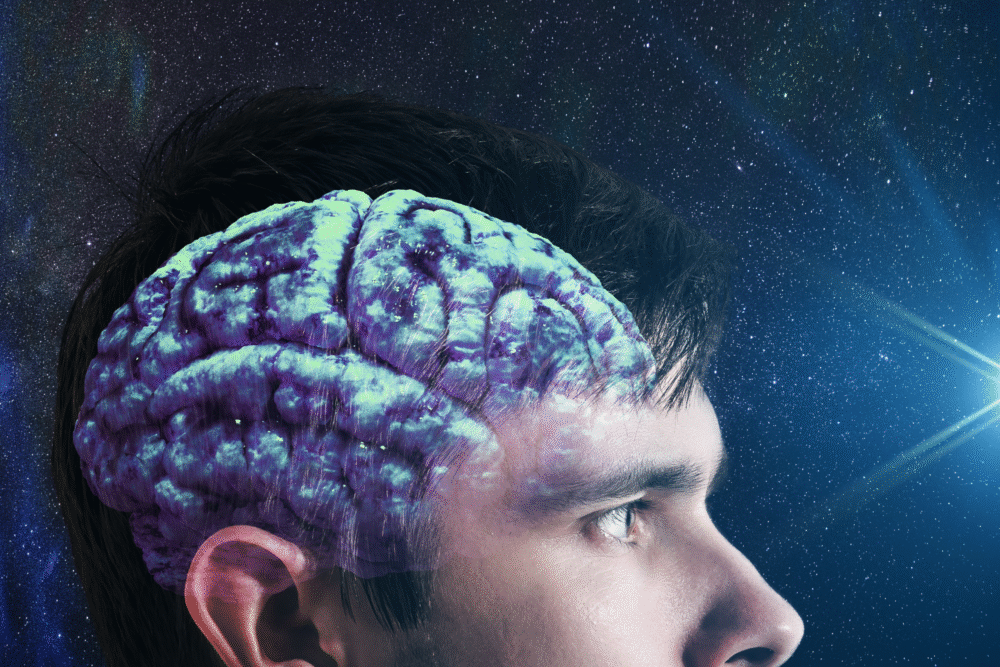
Altered states of consciousness reveal complex mental layers beyond standard waking awareness. These states, such as lucid dreaming or meditation, uncover hidden cognitive realms not typically accessed. Such experiences offer glimpses into otherwise concealed mental pathways.
They emphasize the diversity within consciousness, uncovering profound insights about human capability and potential. By venturing into these states, individuals recognize consciousness’s expansive nature, challenging the idea that typical waking states encompass all mental experiences. This exploration highlights new dimensions of cognitive exploration.