
They’re not just pests—they’re a full-scale ecological takeover.

They don’t look like much at first. A pretty plant. A bug with strange coloring. A bird that’s not from around here. But some of the most harmless-looking species are quietly doing massive damage behind the scenes—and most people have no idea. Invasive species aren’t just annoying. They’re ecosystem wreckers. They crowd out native plants and animals, mess with food chains, spread diseases, and cost billions to control.
Once they take hold, they don’t let go. They spread fast, adapt easily, and throw nature completely off balance. And as climate change warms up habitats and global trade keeps moving things around, these invaders are finding more ways to dig in. This isn’t about a few weird weeds or bugs—it’s about species so disruptive, they can collapse entire environments. And we’re running out of time to get ahead of them.
1. Feral hogs are tearing up farmland and threatening entire ecosystems.
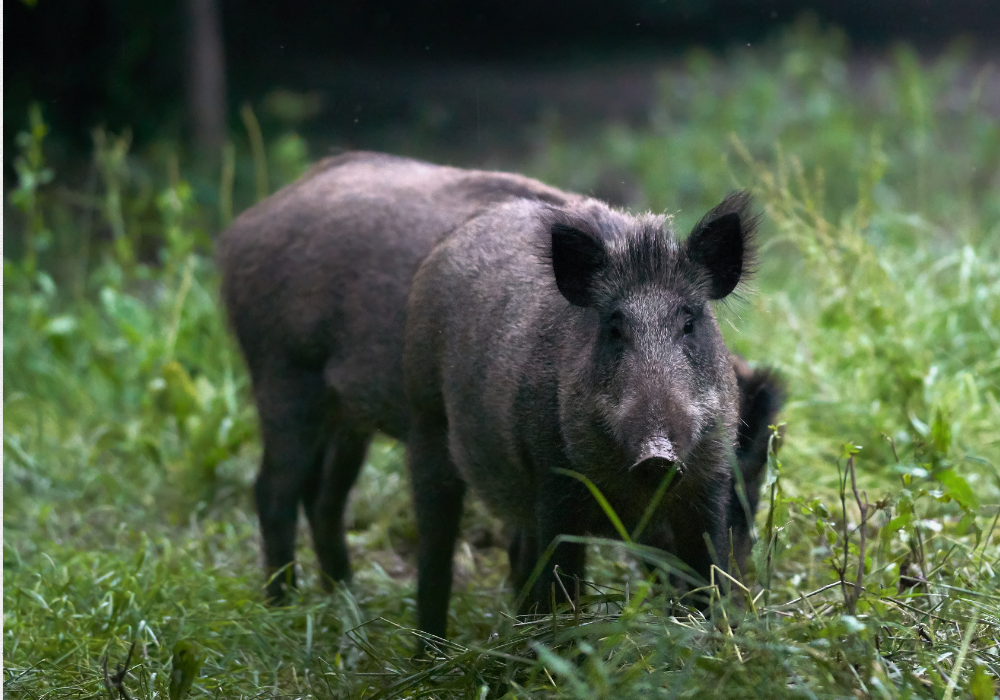
They’re smart, fast, and multiplying at insane speeds. Feral hogs are running wild across over 30 states, rooting through farmland, wrecking forests, and bulldozing native habitats like four-legged tanks. As reported by Janet McConnaughey for the Associated Press, feral hogs are responsible for widespread ecological and agricultural destruction, with damages totaling billions annually across the U.S.
These aren’t your average pigs. They’re aggressive, disease-carrying, and nearly impossible to stop once they establish a population. Hunters can’t keep up. Fences can’t stop them. And poison baits come with their own risks. Worse, they destroy the soil as they forage, which makes it harder for native plants to recover even after the pigs are gone.
2. Zebra mussels are clogging pipes, killing fish, and spreading like wildfire.
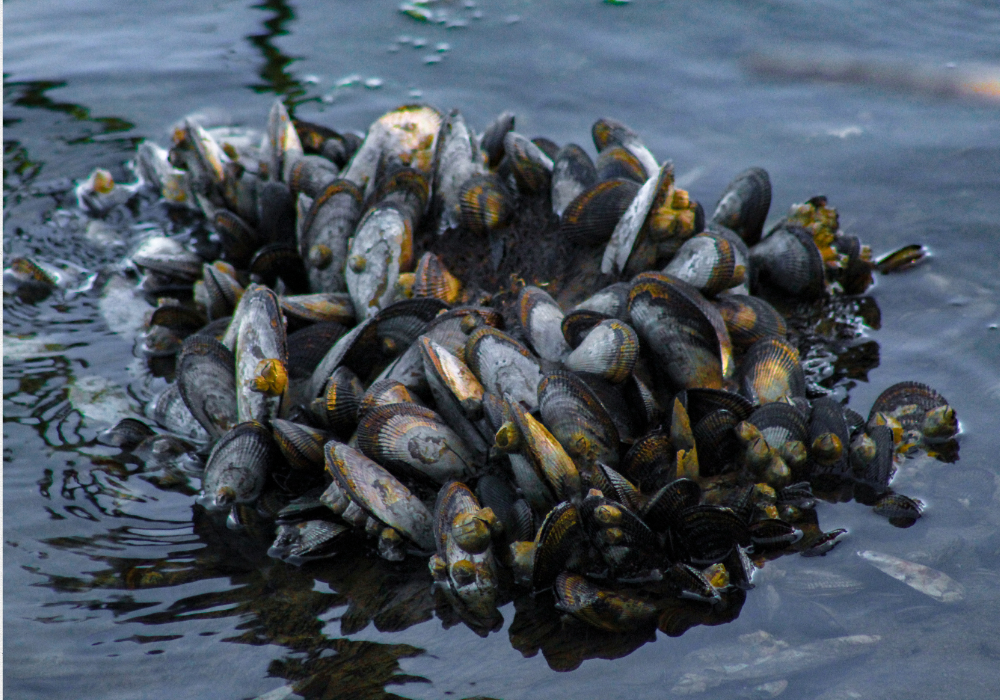
They’re tiny, but they’re a nightmare. Zebra mussels latch onto anything underwater—boats, docks, water intakes—and multiply by the millions. Once they move in, they block pipes, damage infrastructure, and suck the life out of freshwater ecosystems by devouring the plankton that native species rely on. According to the U.S. Geological Survey (USGS), zebra mussels negatively impact ecosystems by filtering out algae that native species need for food and by attaching to—and incapacitating—native mussels.
Originally from Europe, they hitched a ride in ballast water and now infest major U.S. waterways, including the Great Lakes. They’re sharp, impossible to walk on barefoot, and almost impossible to remove once established. Cleaning them out takes millions—and they keep coming back. If there’s a poster child for “small but devastating,” zebra mussels are it.
3. Burmese pythons are silently devouring the Everglades.
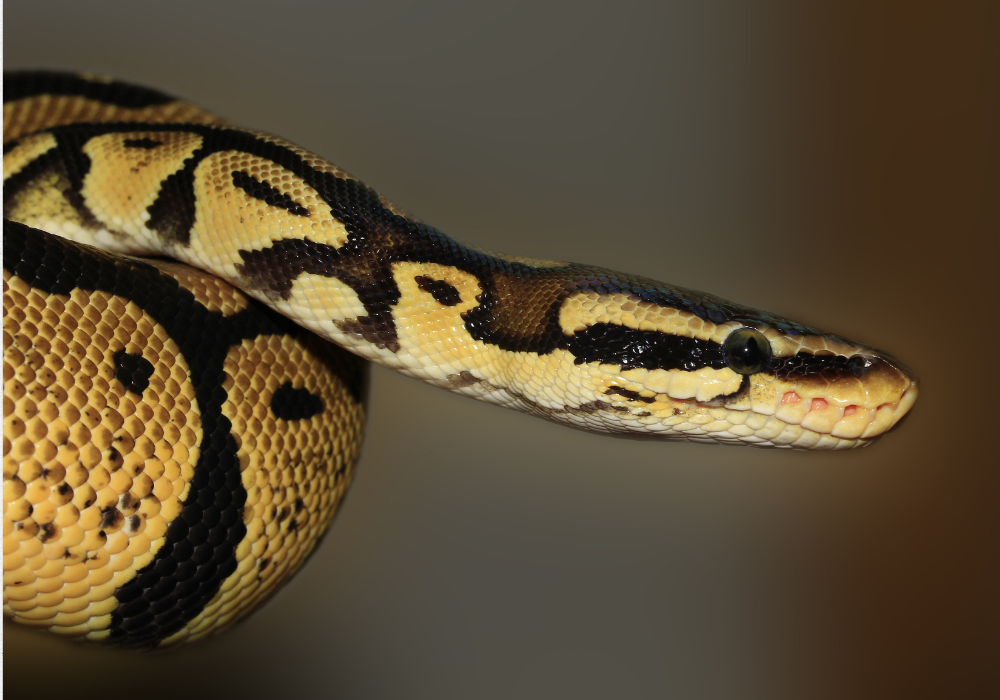
Imagine an apex predator with no natural enemies, hiding in thick brush, growing over 15 feet long—and breeding like crazy. That’s the Burmese python, and it’s taken over Florida’s Everglades.
These snakes were once exotic pets, but after being released (accidentally or not), they started multiplying in the wild. A study published by Michael Dorcas in the Proceedings of the National Academy of Sciences found that mammal populations in Everglades National Park have declined by over 90% in areas where Burmese pythons are established
They’re wiping out native mammals, birds, and even alligators. Entire species are disappearing from areas where pythons have taken hold. The Everglades’ fragile ecosystem wasn’t built to handle a predator this powerful—and without serious intervention, the damage might be permanent. What looks like a single snake is actually a slow, slithering collapse of biodiversity in one of the country’s most unique wild spaces.
4. Spotted lanternflies are turning forests and orchards into feeding grounds.
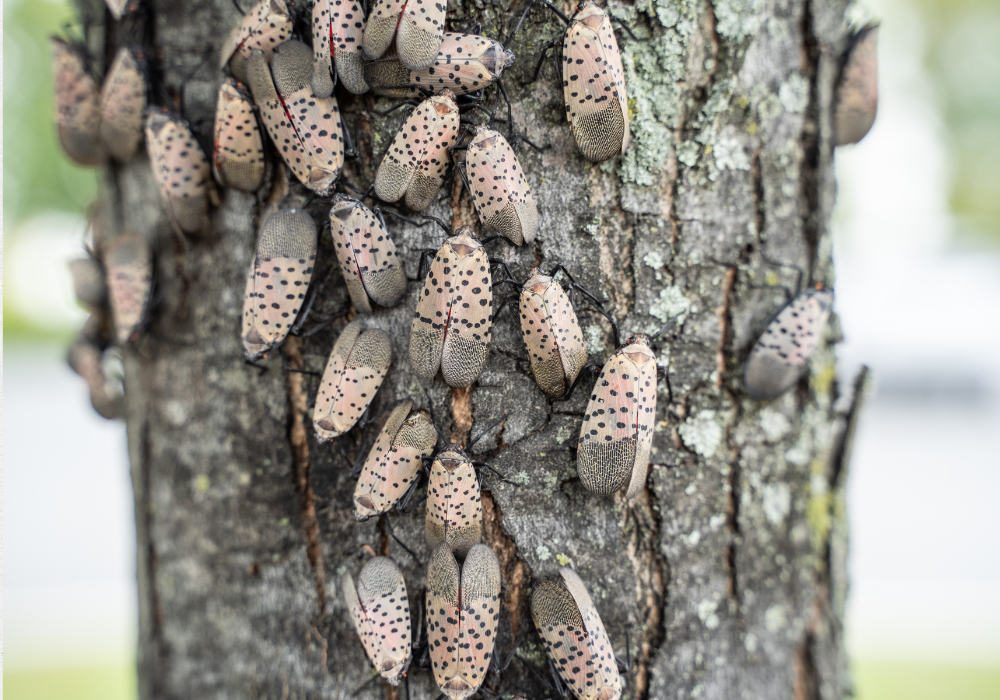
They look pretty, but they’re bad news. Spotted lanternflies have spread across the eastern U.S. with shocking speed, and they’re targeting grapes, apples, hops, and hardwood trees. These pests suck the sap from plants and trees, leaving behind a sticky residue that leads to mold growth and decay.
They’re especially devastating to vineyards and fruit orchards, where infestations can wipe out entire harvests. Even worse, they have few predators here, reproduce quickly, and hitch rides on everything from cars to firewood.
States are urging people to kill them on sight, and even that’s barely slowing them down. Forests, farms, and backyards are all fair game, and with climate conditions becoming more favorable, they’re expected to expand even further. The economic hit is already in the hundreds of millions—and the environmental damage is just catching up.
5. Nutria are chewing through wetlands like living weed whackers.
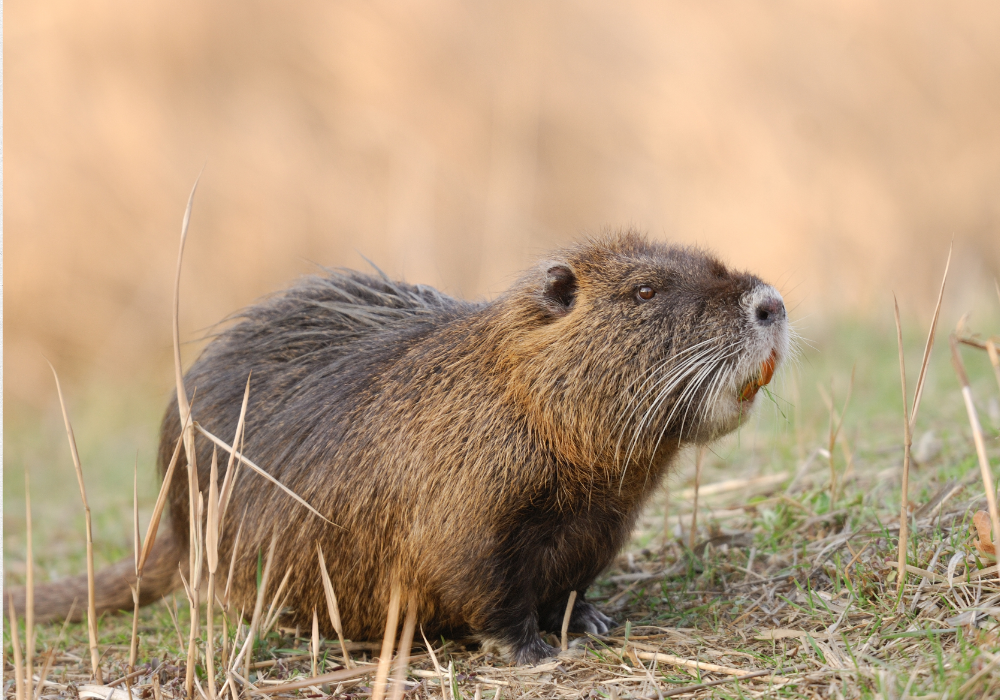
They might look like overgrown hamsters, but nutria are one of the most destructive forces in American wetlands. These semi-aquatic rodents were brought over for fur farming and quickly escaped into the wild. Now, they’re tearing through marshes in Louisiana, Maryland, and beyond—eating vegetation down to the roots and leaving nothing behind.
This isn’t just about hungry animals—it’s about ecosystem collapse. Wetlands protect against flooding, filter water, and support tons of wildlife. When nutria rip them apart, it turns once-rich habitats into open water or mud flats. They also dig massive burrows that weaken levees, roadways, and irrigation systems. And with a reproductive rate that would make rabbits jealous, they’re impossible to manage once established. Wetlands don’t stand a chance if nutria keep multiplying—and that means neither do the species that depend on them.
6. European green crabs are bulldozing through native marine life.
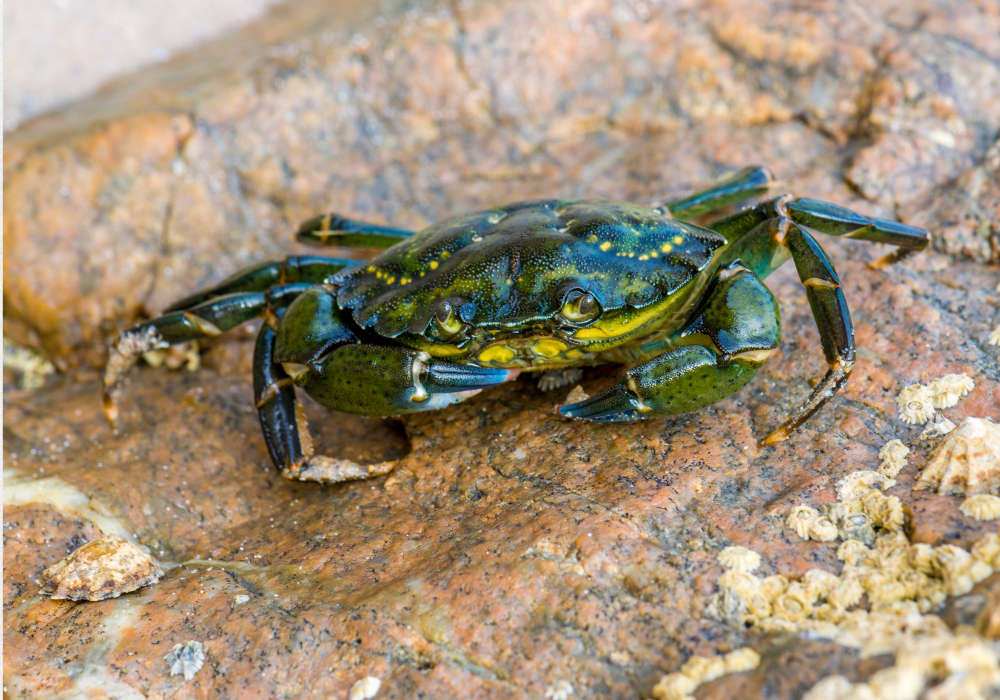
They’re small, aggressive, and clawing their way across America’s coasts. European green crabs first showed up in U.S. waters in the 1800s, and they’ve been on the move ever since. These little invaders compete with native crabs, dig up eelgrass beds, and devour clams, oysters, and mussels at alarming rates.
Fisheries are already taking a hit. Shellfish farms in New England and the Pacific Northwest are losing product to green crab infestations, and native species can’t keep up. They’re also ecosystem engineers—in the worst way possible—ripping up habitats and altering water chemistry with their digging. Efforts to trap and remove them help, but they’re tough, adaptable, and constantly spreading. With rising ocean temperatures, they’re only getting more comfortable—and that’s bad news for coastal economies and biodiversity alike.
7. Kudzu is swallowing the South one tree at a time.
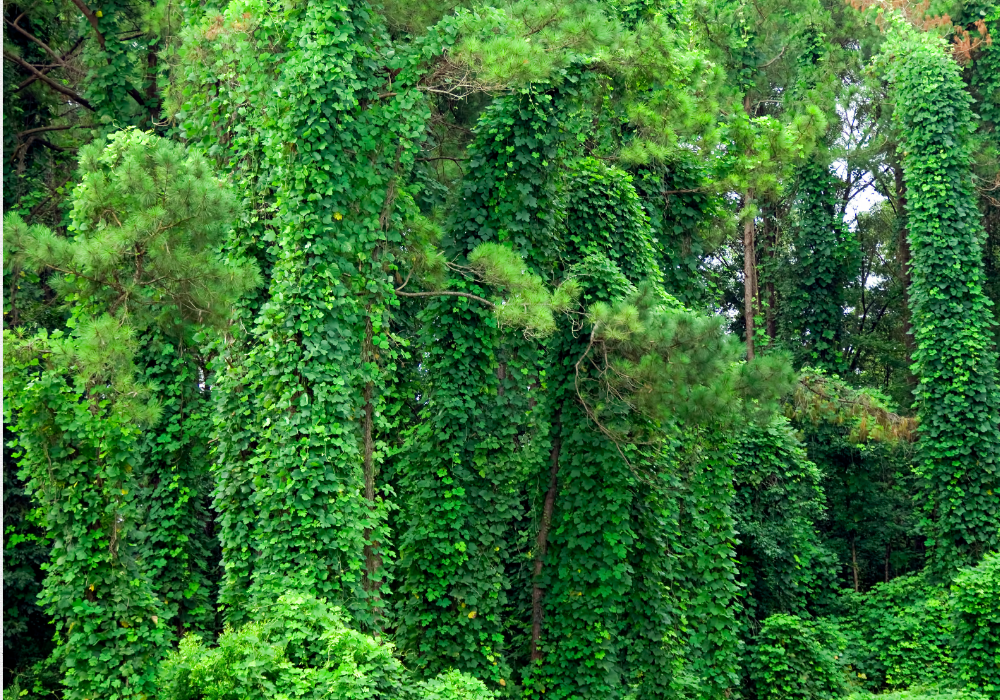
Nicknamed “the vine that ate the South,” kudzu was introduced from Asia in the late 1800s to control erosion. It did that—and then kept going. Kudzu grows up to a foot a day in summer, blanketing everything in its path. Trees, houses, power lines—nothing is safe.
It outcompetes native plants by blocking sunlight, smothering understory vegetation, and altering entire ecosystems. Once it takes root, removal is incredibly difficult. Cutting it back only encourages more growth, and herbicides offer limited relief. It thrives in heat and humidity, which makes the warming climate an open invitation.
And while it may look lush and green, it’s a death sentence for biodiversity. Where kudzu spreads, forests thin out, pollinators lose resources, and native plants vanish under the weight of relentless vines.
8. Asian carp are hijacking rivers and outcompeting everything in their path.
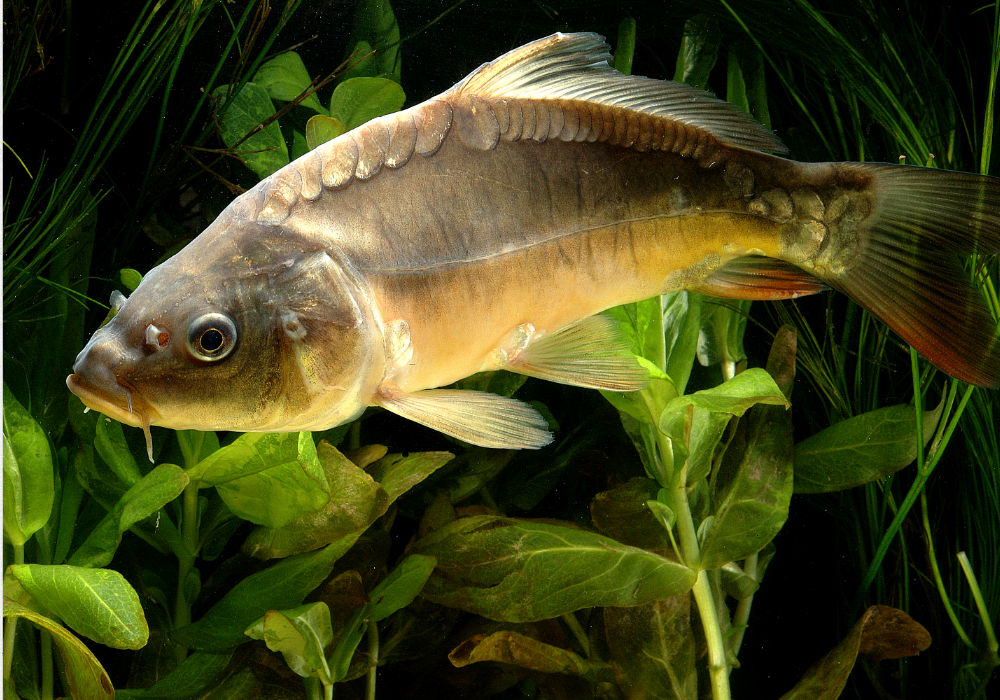
These fish were originally brought to the U.S. to clean aquaculture ponds—but they escaped, and now they’re everywhere. Asian carp, especially silver and bighead carp, have taken over large stretches of the Mississippi River and its tributaries, eating so much plankton that native fish don’t stand a chance.
They’re filter-feeders with massive appetites, capable of consuming up to 20% of their body weight daily. That might not sound like much until you realize they grow big, breed fast, and push out everything else. They’re also a serious hazard to boaters—silver carp can leap out of the water when startled, injuring people and damaging equipment. And the biggest fear? That they’ll reach the Great Lakes, where they could decimate native fish populations and ruin commercial fisheries. Containment efforts are expensive and complex—and the clock is ticking.
9. Cane toads are poisoning predators and throwing food chains into chaos.
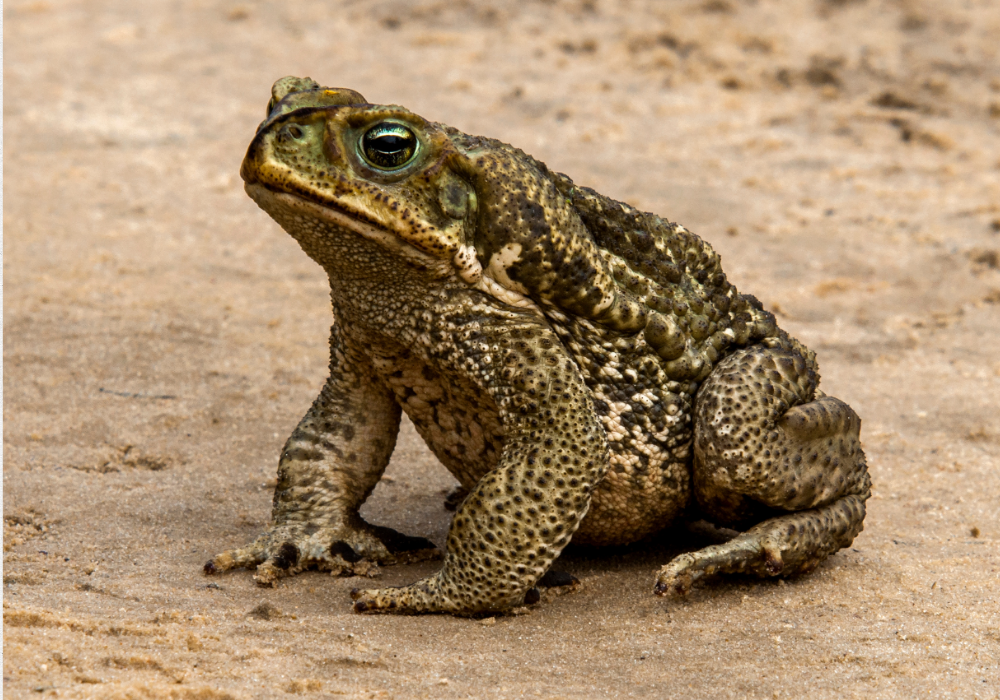
Cane toads were introduced to control crop pests in places like Florida and Hawaii. Big mistake. Not only did they fail at their original job—they became the problem. These toads secrete a powerful toxin that kills almost any predator that tries to eat them, from snakes to dogs to birds.
They breed quickly, eat almost anything, and can survive in tough conditions. What’s left behind is a food chain in disarray. Predators that normally help control ecosystems are dying off, while cane toads keep multiplying. Unlike native frogs, nothing wants to eat them—so they thrive, unchecked. And their toxic secretions can linger, poisoning water and soil if not properly removed. It’s not just that they’re invasive—it’s that they turn every creature that interacts with them into collateral damage.
10. Tree of heaven is helping invasive insects wipe out forests.
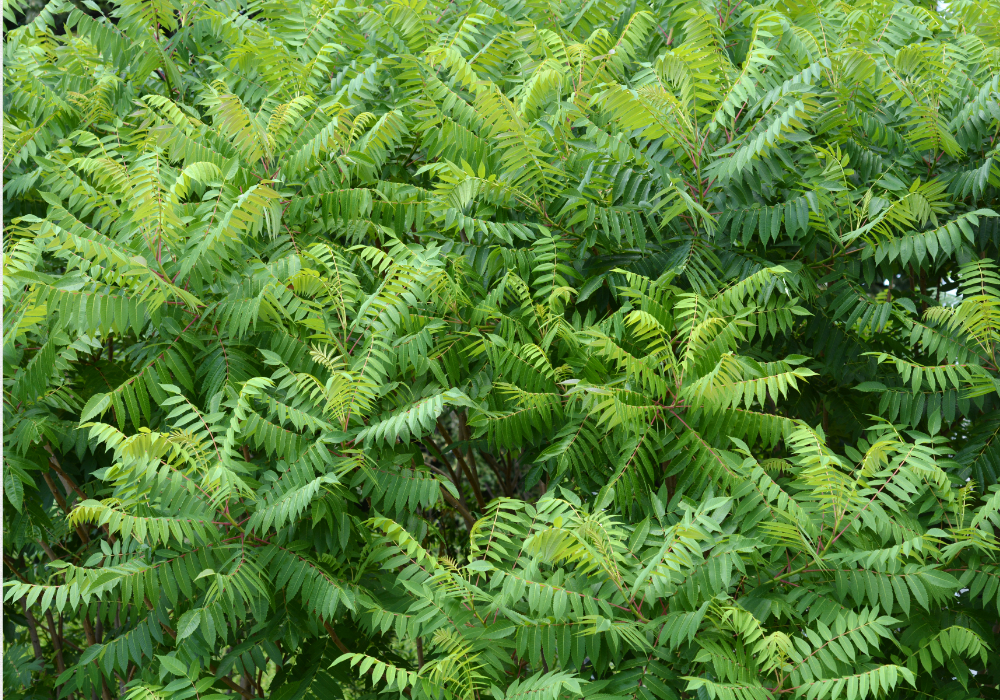
The name sounds lovely, but tree of heaven is more like a fast-growing, forest-destroying weed. It spreads rapidly, chokes out native plants, and creates monocultures where biodiversity used to thrive. But its biggest danger? It’s the preferred host plant of the spotted lanternfly—one of the most destructive invasive insects in the U.S.
This tree supports the lanternfly’s life cycle, helping the pest spread faster and hit harder. Once tree of heaven moves into a forest or urban area, it paves the way for lanternflies to follow. Together, they create a one-two punch of destruction: damaged crops, weakened trees, and disrupted habitats. It’s also hard to kill—the tree produces chemical compounds that inhibit other plant growth, and cutting it down just triggers more shoots. Fighting it means fighting an entire invasion support system from the roots up.
11. Lionfish are overrunning reefs and eating everything in sight.

They’re beautiful, but deadly—lionfish are invasive predators in the Atlantic and Caribbean that are wreaking havoc on coral reef ecosystems. Originally from the Indo-Pacific, they were likely released from home aquariums. Since then, they’ve spread at an alarming rate, devouring juvenile fish and crustaceans that reefs depend on.
Lionfish have no natural predators in these waters, reproduce year-round, and can consume prey up to half their own size. That means they’re clearing out the base of the food chain and threatening reef health from the bottom up.
Native species like grouper, snapper, and parrotfish are disappearing in invaded areas. And with reefs already under pressure from warming waters and pollution, lionfish are accelerating collapse. Divers and spear-fishing tournaments help, but they can’t keep up with the rate of spread. What started as a pretty fish is now a full-blown underwater invasion.