
As fresh water supplies dwindle, some of the world’s largest cities are preparing for a thirsty future.
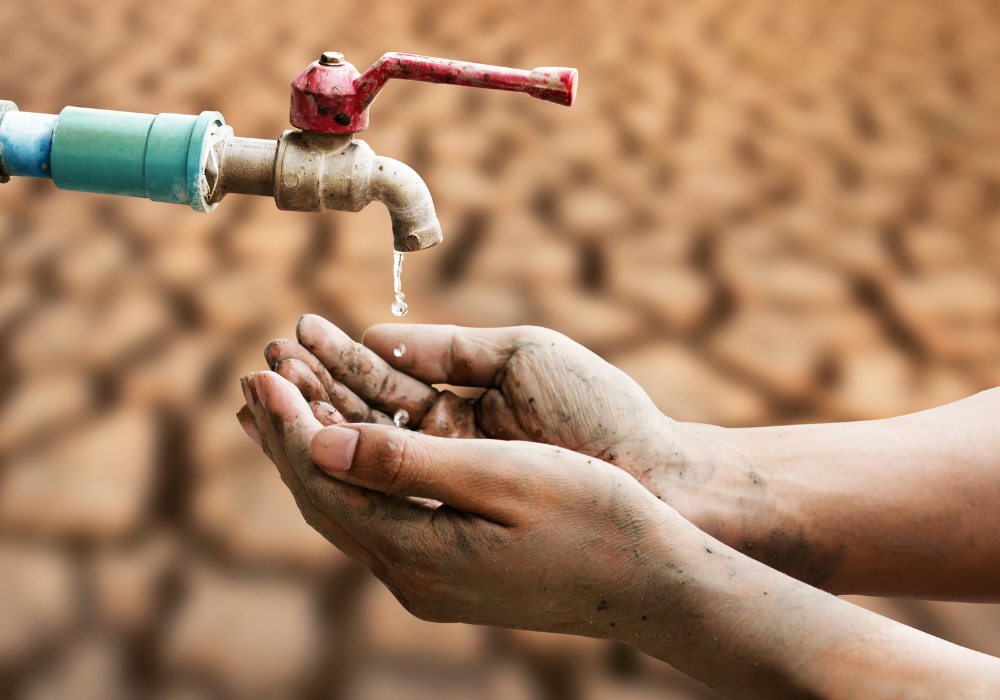
While you turn on the tap and clean water flows out without a second thought, major cities worldwide are quietly preparing for a reality where that simple act becomes impossible. From Cape Town’s “Day Zero” crisis to Chennai’s complete reservoir depletion, urban water supplies are failing faster than anyone predicted, forcing millions of people to confront a future where fresh water becomes more valuable than oil.
These aren’t distant developing world problems—cities like Los Angeles, London, and Tokyo are implementing emergency water strategies that would have seemed unthinkable just a decade ago. The race to secure water is reshaping global politics, urban planning, and daily life in ways that make the energy crisis look manageable by comparison.
1. Cape Town pioneered “Day Zero” planning when taps nearly ran completely dry

Cape Town came within months of becoming the first major city in modern history to completely run out of water, forcing officials to develop detailed plans for shutting off municipal water supplies to 4 million residents. The crisis revealed how quickly urban water systems can collapse when drought, population growth, and infrastructure failures converge simultaneously.
The city’s emergency response became a blueprint for water crisis management that cities worldwide now study and adapt. Residents learned to survive on 50 liters per day—about one bathtub’s worth of water for drinking, cooking, cleaning, and sanitation. Cape Town’s experience proved that water rationing could maintain basic urban functions, but only with unprecedented levels of citizen cooperation and government enforcement.
2. Singapore turns toilet water into drinking water and calls it “NEWater”
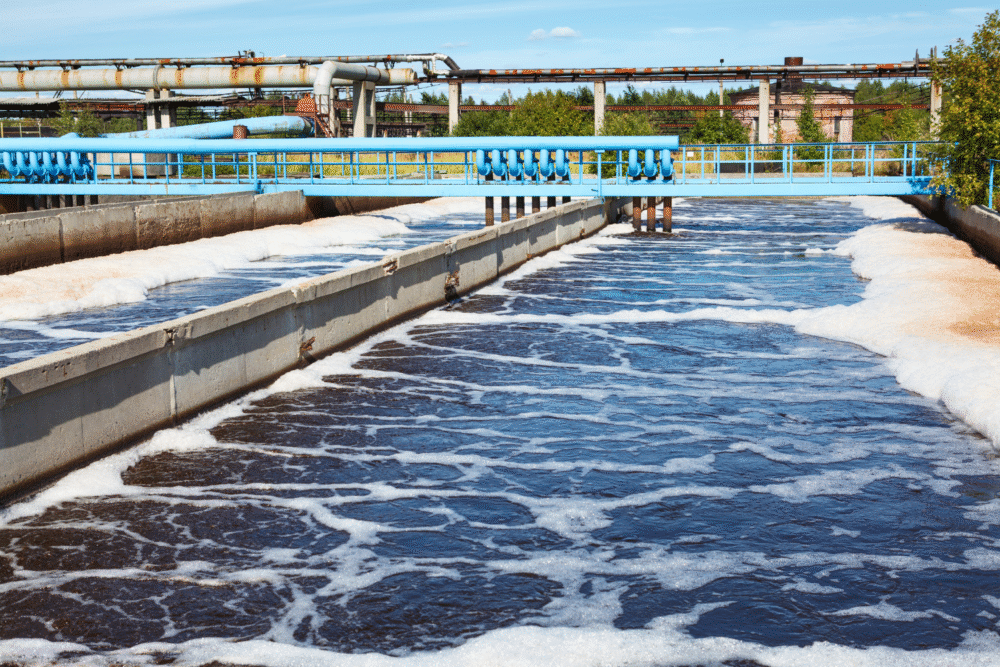
Singapore has perfected a closed-loop water system that recycles wastewater through advanced filtration and purification technologies to create ultra-clean drinking water. The “NEWater” program now provides 40% of the city-state’s water supply and could theoretically recycle water indefinitely if needed.
The technology involves microfiltration, reverse osmosis, and UV disinfection that produces water cleaner than most natural freshwater sources. Singapore markets NEWater as a premium product to overcome the psychological barrier of drinking recycled wastewater, even bottling it for public events to demonstrate confidence in the technology. The success has made Singapore a global consultant for water-stressed cities.
3. Los Angeles is sucking water straight out of the Pacific Ocean

California’s massive desalination plants now convert seawater into fresh water at a scale that seemed impossible just 20 years ago. The Carlsbad desalination facility produces 50 million gallons of fresh water daily—enough to supply 400,000 people—by forcing seawater through specialized membranes that filter out salt and impurities.
While desalination is energy-intensive and expensive, technological improvements have cut costs dramatically while renewable energy makes the process more sustainable. Los Angeles is planning multiple new desalination facilities as insurance against future droughts that could last decades. The Pacific Ocean contains unlimited water supplies if cities can afford to process it.
4. Chennai’s reservoirs went completely empty, forcing radical water rationing

India’s sixth-largest city ran completely out of reservoir water in 2019, forcing 4.6 million residents to depend on emergency water deliveries by truck. Hotels closed, businesses relocated, and residents waited in line for hours to fill containers from municipal tankers—a preview of urban water collapse that experts warn could spread to dozens of cities.
The crisis forced Chennai to implement some of the world’s most aggressive water recycling and rainwater harvesting mandates. New buildings must capture and store rainwater, while industrial facilities face severe restrictions on freshwater use. The city’s recovery strategy focuses on diversifying water sources so that no single supply failure can trigger complete collapse again.
5. Melbourne survived a 13-year drought by changing how an entire city thinks about water

Australia’s second-largest city endured the “Millennium Drought” by implementing water restrictions so severe that residents learned to shower in under 4 minutes and let gardens die to save water for essential uses. The experience fundamentally changed urban water culture, with conservation habits persisting long after the drought ended.
Melbourne invested heavily in water recycling infrastructure and alternative sources during the crisis, building systems that can now supply the city indefinitely even during severe droughts. The city’s water trading system allows efficient users to sell excess allocations, creating economic incentives for conservation that have reduced per-capita water use by 50% compared to pre-drought levels.
6. Tokyo is building underground mega-reservoirs to capture every drop of rain
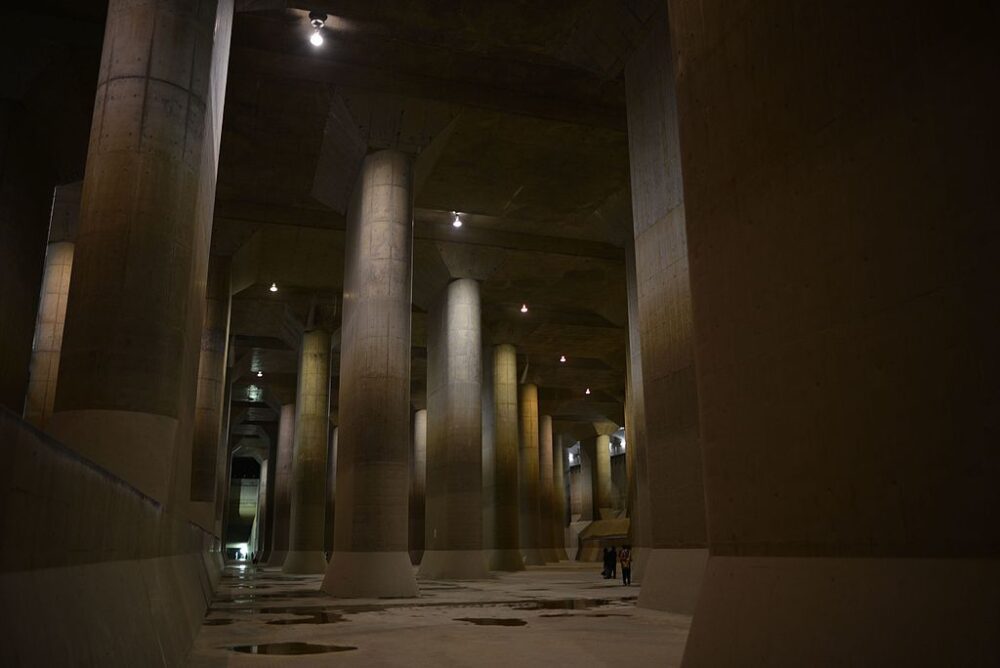
Japan’s capital has constructed massive underground water storage systems that capture and treat stormwater for municipal use, turning flooding problems into water security solutions. These subterranean reservoirs can hold millions of gallons of rainwater that would otherwise flow into the ocean unused.
The infrastructure includes sophisticated treatment systems that can process contaminated urban runoff into drinking water within hours of collection. Tokyo’s approach recognizes that climate change is making rainfall more erratic—cities must capture and store water during wet periods to survive increasingly severe dry periods.
7. Phoenix is pumping groundwater from aquifers that took millennia to fill

Arizona’s largest city sits in the middle of a desert but supports nearly 5 million people by extracting “fossil water” from underground aquifers that accumulated over thousands of years. These ancient water stores are being depleted far faster than they can naturally recharge, essentially mining water like a finite mineral resource.
Phoenix has implemented some of America’s most advanced water recycling systems and signed agreements to import water from increasingly distant sources as local supplies dwindle. The city’s growth management policies now directly link new development to verified long-term water supplies, acknowledging that continued expansion depends on solving the water equation first.
8. Istanbul cuts water supplies to neighborhoods on rotating schedules

Turkey’s largest city regularly implements neighborhood-by-neighborhood water rationing during dry periods, with different districts receiving municipal water on alternating days. This rotation system prevents complete system failure while maintaining basic services across the metropolitan area of 15 million people.
The rationing system requires sophisticated coordination and has forced residents to install private water storage tanks and develop household water management strategies. Istanbul’s experience shows how cities can maintain function during water shortages, but only by fundamentally changing how residents interact with water infrastructure on a daily basis.
9. London is losing 25% of its water to ancient, leaking pipes

The UK capital loses approximately 650 million liters of treated drinking water daily through deteriorating Victorian-era infrastructure that was never designed for modern urban demands. Thames Water is undertaking the largest pipe replacement program in British history, but the scale of repairs needed approaches the cost of rebuilding the entire system.
London’s water loss percentage actually represents efficient infrastructure by global standards—many cities lose 40-60% of treated water to leaks. The city combines aggressive leak detection technology with demand management programs that charge residents progressively higher rates for excessive water use, creating powerful conservation incentives.
10. São Paulo’s 22 million residents learn to live with empty reservoirs

Brazil’s largest metropolitan area regularly experiences water crises that force the city to pump “dead volume” water from the very bottom of reservoirs—water so low that it requires emergency pumping systems never intended for regular use. The recurring crises have normalized water insecurity for nearly 22 million residents.
São Paulo has invested in interconnected reservoir systems that can share water across different watersheds, while implementing some of Latin America’s most advanced water recycling programs. The city’s experience demonstrates how megacities can adapt to chronic water stress through infrastructure improvements and behavioral changes, but only at enormous financial and social costs.
11. Perth transforms seawater into half its drinking supply through massive desalination

Western Australia’s capital now produces nearly 50% of its municipal water through seawater desalination, making it one of the most seawater-dependent major cities in the world. Two massive desalination plants can produce enough water to supply the entire metropolitan area during extended droughts.
Perth’s transition to desalinated water required rebuilding water infrastructure to handle the different chemical properties of processed seawater, while renewable energy systems power the energy-intensive desalination process. The city’s success proves that coastal cities can achieve water independence through technology, but requires massive upfront investments and ongoing energy commitments that smaller cities struggle to afford.