
Landscaping fads are wiping out the wildlife we need most.

Not all greenery is created equal. While modern landscaping trends promise clean lines, curated blooms, and curb appeal, they often do more harm than good. The push for tidy, Instagram-worthy yards has quietly turned residential spaces into ecological dead zones. Native plants are ripped out, wildlife is pushed away, and entire microhabitats vanish beneath mulch, stone, or ornamental imports. This results in a patchwork of sterile outdoor spaces that might look beautiful—but leave nothing behind for birds, bees, or biodiversity.
What’s marketed as low-maintenance or pollinator-friendly is often just another version of control: controlling weeds, controlling wildlife, controlling nature. But when everything’s been engineered for appearance, there’s little room left for the messy, complex systems that actually keep ecosystems alive. If you care about the planet, it’s time to question what’s growing in your yard—and what’s been lost to make it look that way.
1. Monoculture lawns turn vibrant ecosystems into sterile carpets.
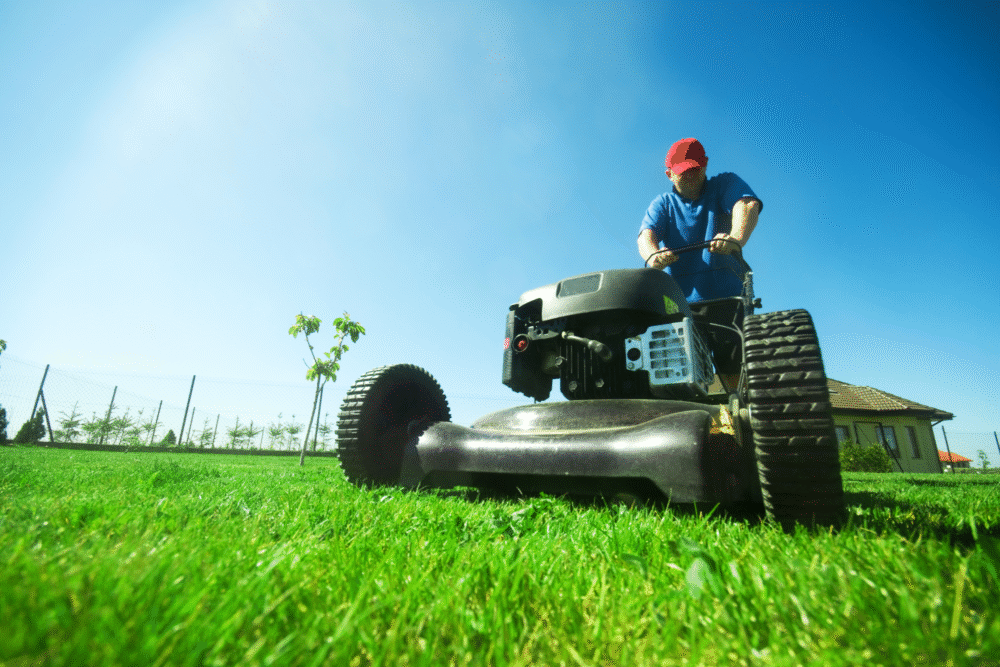
A perfectly green lawn might be a homeowner’s pride, but it’s an ecological void. Mark Simmons and colleagues write in Ecological Engineering that traditional turfgrass lawns support significantly less biodiversity than native landscapes, providing minimal habitat for birds and insects. Birds can’t forage in it. Pollinators can’t feed from it. And it requires constant inputs to survive. From synthetic fertilizers and pesticides to frequent watering, lawns are a high-maintenance drain dressed up as simplicity.
The chemicals often leach into waterways, while the emissions from mowers and blowers pile on. Native ground covers like clover or creeping thyme offer a far better alternative. But the real shift begins when we stop treating nature like a decoration and start letting it function.
2. Invasive ornamental plants escape gardens and overrun wild spaces.
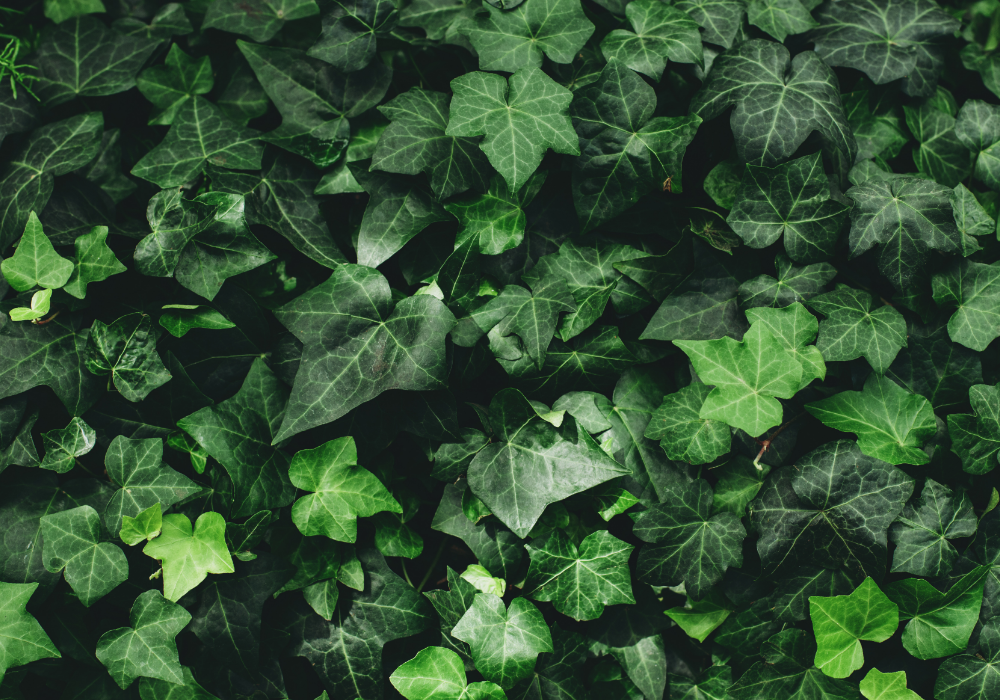
Popular landscape plants like English ivy, Japanese barberry, and Bradford pear trees might look harmless in a nursery. But once planted, they often spread beyond their intended zones.
Emily Grebenstein notes on the Smithsonian site that invasive ornamentals often spread through wind or animal dispersal, allowing them to outcompete native plants in nearby habitats. These invasives thrive because they have few natural predators in their new environments. They displace the plants that local insects and birds rely on, throwing food webs into disarray.
What starts as a decorative choice quickly becomes a region-wide problem. The worst part? Many garden centers still sell these plants with zero warnings. Looking good in a pot doesn’t mean it belongs in your yard.
3. Over-mulching smothers soil and kills beneficial insects.
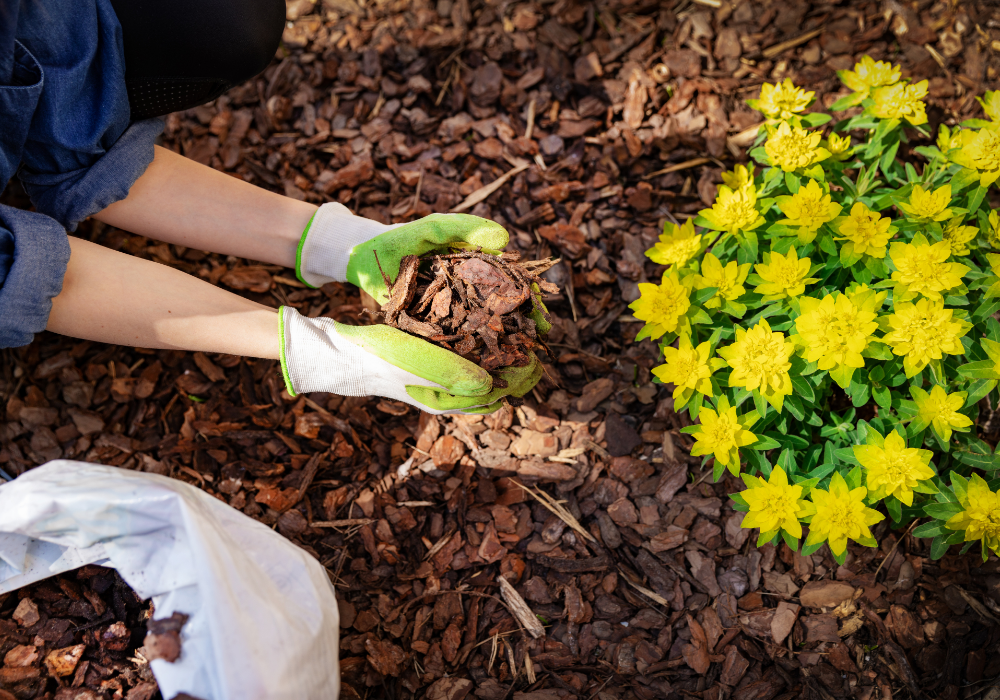
Mulch can be great in moderation, but too much of it suffocates your garden’s most important allies. Thick layers of bark or dyed wood chips prevent water and air from reaching the soil. They trap heat, repel native insects, and often create the perfect conditions for mold and rot. Instead of enriching the ground, they seal it off.
Professionals at NatureScapes explain that dyed mulch is frequently made from repurposed pallets or pressure-treated wood, which may contain toxins harmful to soil and plant life. These materials can leach chemicals and provide zero nutritional value to the soil. Insects, fungi, and native microbes all struggle under the weight of a heavy mulch layer. A living mulch—like low-growing plants or leaf litter—is usually better for both your plants and the life beneath them.
4. Decorative gravel and hardscaping destroy soil life.
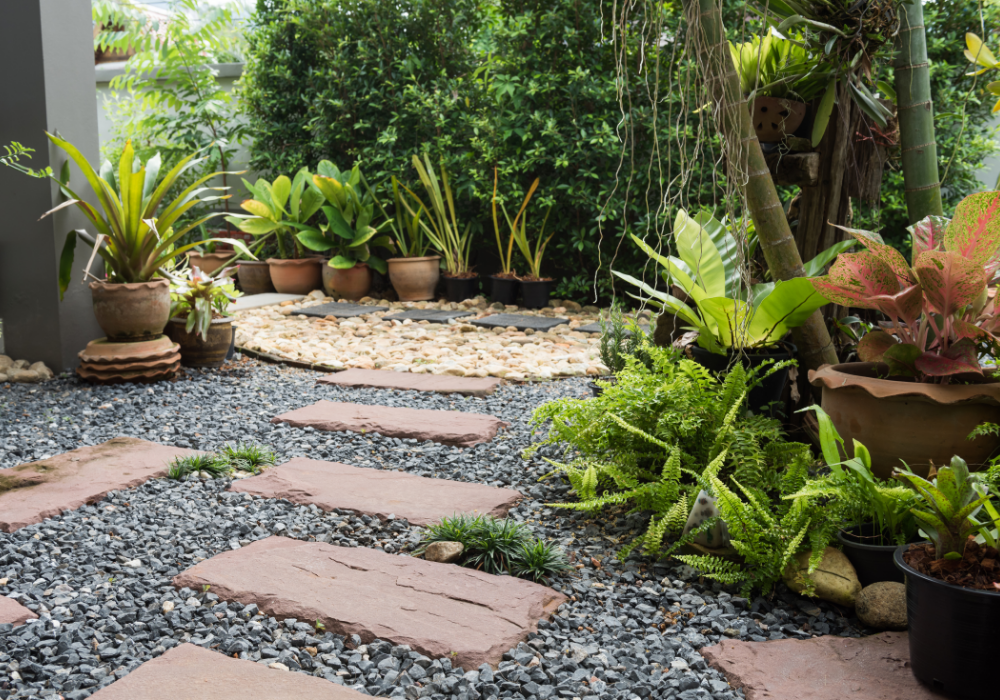
The minimalist trend of gravel beds, paver patios, and decorative stone may be chic, but it’s hostile to the ecosystem. These materials trap heat, shed water instead of absorbing it, and provide zero habitat value. Beneath them, soil dies—cut off from moisture, microbes, and root systems.
What looks clean to us is catastrophic for underground life. Earthworms disappear. Mycorrhizal fungi stop forming. Native plants can’t take hold. Gravel might feel like a low-maintenance option, but its environmental cost is steep. You’re not just suppressing weeds—you’re silencing an entire layer of biodiversity just beneath your feet.
5. Exotic flowers can be useless—or even harmful—to pollinators.

Not all flowers feed the bees. Many exotic ornamentals have been bred for visual appeal, not nectar or pollen production. Some are even sterile, offering no food at all to local insects. Others bloom out of sync with native species, disrupting pollination cycles and crowding out plants that would actually support local wildlife.
While these flowers might attract human compliments, they can actively confuse and mislead pollinators. Bees spend energy visiting blooms that offer no reward, wasting precious time during short foraging windows. Native wildflowers, on the other hand, evolved alongside local insects—making them reliable sources of food and habitat. A beautiful garden shouldn’t be a dead end for the creatures that keep it alive.
6. Mowed edges and tidy borders wipe out nesting habitats.

It’s tempting to keep garden edges neat—crisp grass lines, no overgrowth, nothing spilling out of place. But those unkempt areas are exactly where life happens. Ground-nesting bees, frogs, toads, and birds rely on dense brush, tall grasses, and leaf litter to raise young or hide from predators. When we manicure every edge, we evict the wildlife that once lived there.
Even small strips—like the back corner of a yard or an untended fence line—can support surprising biodiversity if left alone. But most landscapes treat these zones as messy or lazy, something to trim back or mulch over. In reality, they’re some of the last refuges in an otherwise artificial world. Wildlife doesn’t care about aesthetics—it needs cover, not curb appeal.
7. Synthetic fertilizers fuel green lawns and dying waterways.
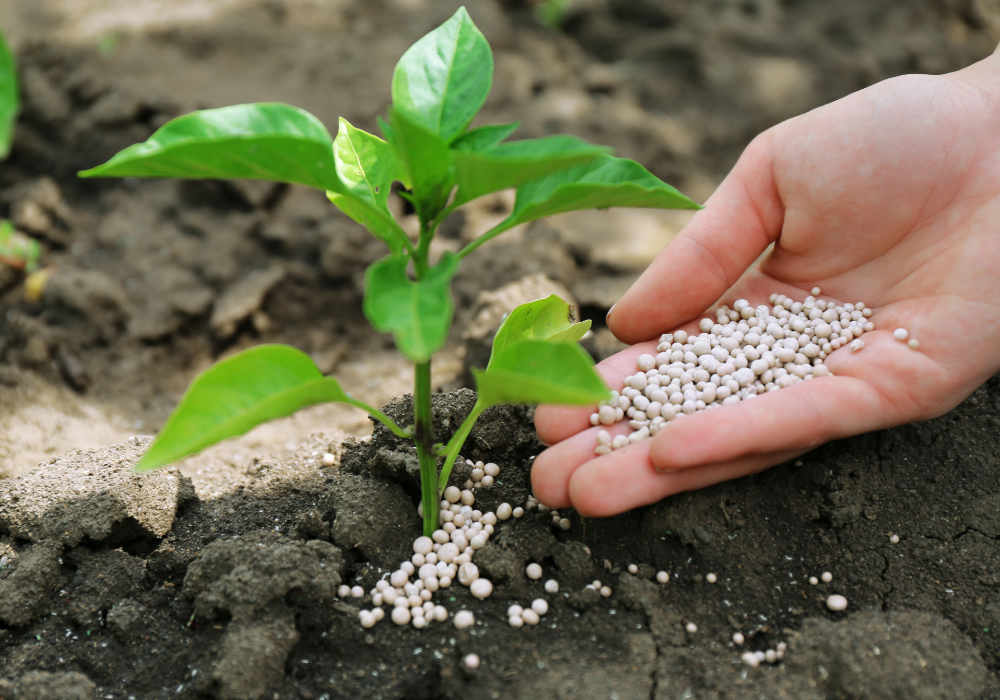
To keep non-native grass lush, many gardeners rely on synthetic fertilizers packed with nitrogen and phosphorus. These chemicals don’t stay put. They wash into storm drains, streams, and lakes—where they fuel algal blooms that suck oxygen from the water and kill off fish. What starts as a greener lawn ends in a suffocating river.
Over time, synthetic fertilizers also degrade the soil’s natural fertility. They feed plants directly, bypassing the microbial networks that create healthy, resilient ecosystems underground. That means more dependency on chemicals year after year. A native, self-sustaining landscape doesn’t need synthetic inputs to thrive. It creates its own cycles—and doesn’t poison the water downstream.
8. Pest control sprays kill the wrong insects—and then some.
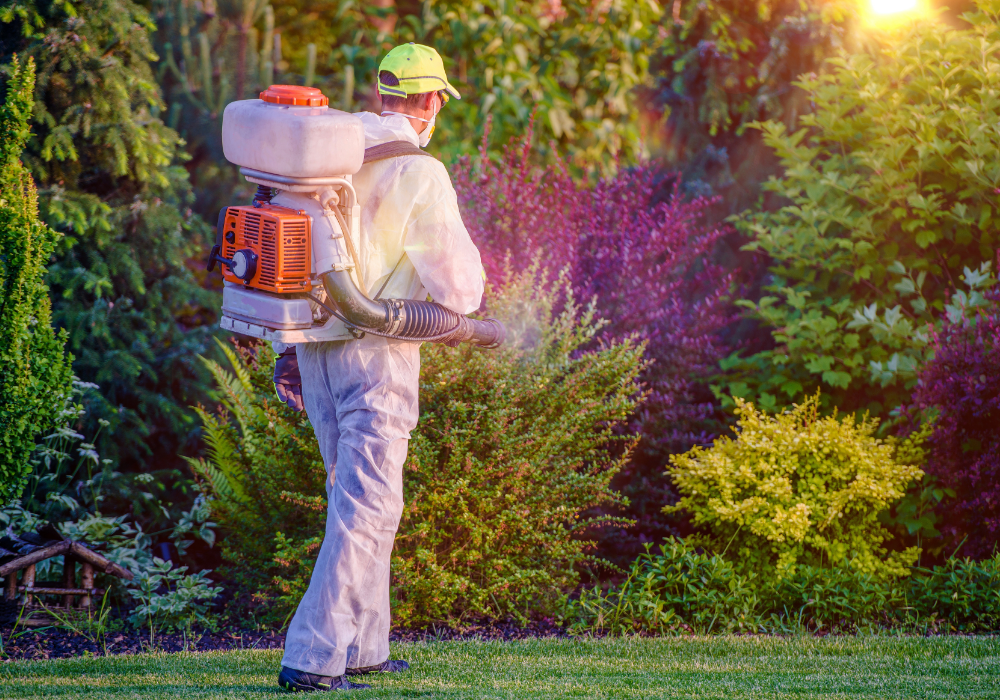
Pesticides and herbicides might solve short-term problems, but they create long-term damage. Broad-spectrum sprays don’t just target pests—they hit pollinators, beetles, butterflies, and the countless other insects that support plant reproduction and bird populations. Even “natural” or “organic” formulas can cause harm when overused or misapplied.
And once the beneficial bugs are gone, the pests often bounce back stronger—creating a cycle of dependency that weakens your garden’s resilience. Birds lose food sources. Soil health declines. The web frays. A better approach is to attract natural predators by planting diverse native species and allowing nature’s checks and balances to return. The goal isn’t control. It’s balance.
9. Artificial turf replaces nature with heat-trapping plastic.
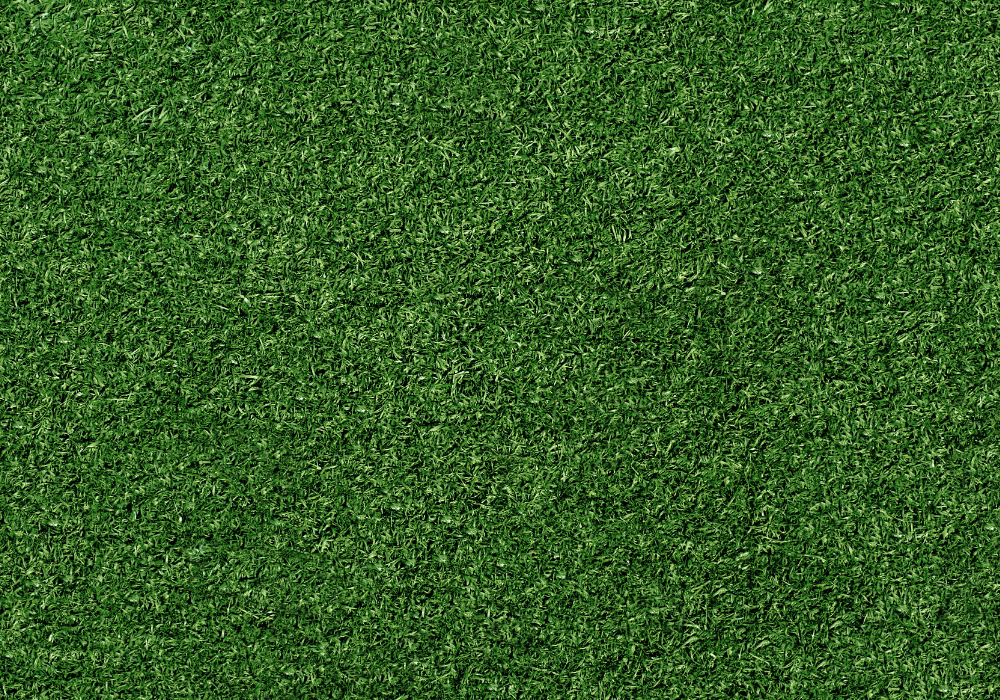
Plastic grass might seem like an eco-friendly shortcut—no watering, no mowing—but it creates more problems than it solves. Artificial turf traps heat, sheds microplastics, and completely eliminates habitat for insects and soil life. Beneath it, the ground suffocates. Above it, the surface gets hot enough to burn skin on sunny days.
What’s marketed as “low maintenance” is really just synthetic lifelessness. No pollinators. No regeneration. Just plastic carpet that has to be replaced every few years, ending up in landfills. The real low-maintenance alternative? Native plants that thrive without chemicals, watering, or fake greenness.
10. “No-mow May” alone isn’t enough to rebuild ecosystems.

Skipping the mower for a month gets attention, but real ecological recovery takes more than one-time trends. Leaving your lawn to grow wild for a few weeks might help pollinators temporarily, but if you return to regular mowing and herbicides in June, the benefit is quickly erased.
Worse, some people treat “No-mow May” like a get-out-of-guilt card while keeping invasive plants and synthetic inputs year-round. A one-month pause doesn’t make a wildlife-friendly yard.
True habitat restoration means planting native species, reducing lawn areas, and allowing complex plant communities to take root. It’s not a calendar challenge—it’s a mindset shift.
11. “Pollinator gardens” sometimes favor aesthetics over ecology.

It’s become trendy to plant “pollinator-friendly” gardens, but not all of them live up to the hype. Many use store-bought seed mixes that include non-native or invasive species. Others rely on showy, overbred cultivars that produce less nectar and bloom out of sync with local insects’ needs. The result is a garden that looks right but functions poorly. A real pollinator garden is messy, layered, and specific to your region.
It supports multiple species throughout the seasons, not just a summer burst of color. If your yard is packed with blooms but still silent, it may be time to reassess. Wildlife doesn’t follow marketing trends—it follows the plants it’s evolved with for thousands of years.