
Diet culture got it wrong—these ingredients are actually on your side.

You’ve probably side-eyed these foods in the grocery store. Maybe you skipped the yolk, swapped the white rice, or turned down the potato—because someone, somewhere, once said they were “bad.” But here’s the thing: a lot of that advice was based on outdated science, diet trends, or flat-out fearmongering. These so-called villains? Many of them are nutritional powerhouses in disguise.
Diet culture loves extremes. It tells you to label food as good or evil, clean or dirty, worthy or shameful. But your body doesn’t speak in absolutes—it speaks in balance. And some of the foods you’ve been avoiding might be exactly what your system’s been craving. No more tiptoeing around toast or feeling guilty about fruit. These 11 foods were never the enemy. In fact, they might just be the heroes of your next grocery haul.
1. Egg yolks aren’t little cholesterol grenades—they’re brain fuel.
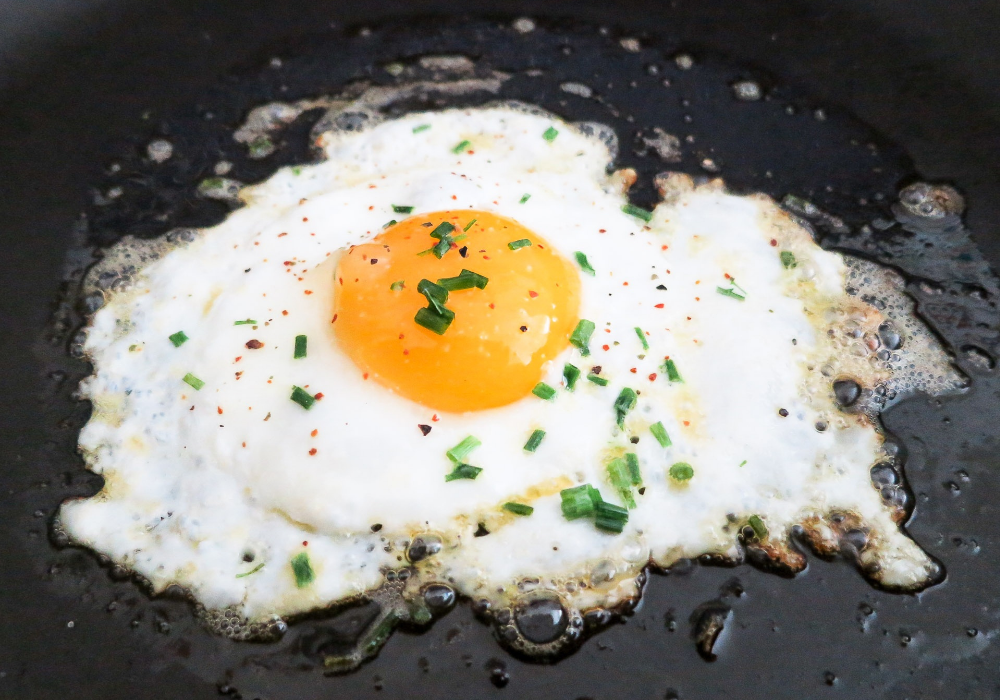
For years, egg yolks were public enemy number one thanks to their cholesterol content. But newer research shows dietary cholesterol doesn’t mess with your blood levels nearly as much as we thought. As experts at Harvard Health report, “for most people, an egg a day does not increase your risk of a heart attack, a stroke, or any other type of cardiovascular disease.” They also have vitamin D, healthy fats, and antioxidants like lutein that protect your eyes.
Skipping the yolk to “play it safe” actually means ditching the part of the egg with most of the benefits. The yolk isn’t the problem—our fear of it is. Unless your doctor gives a specific reason to avoid them, go ahead and eat the whole egg. Scramble it, soft-boil it, put it on toast. Your body isn’t looking for perfection—it’s looking for nourishment. And the yolk’s been unfairly benched for way too long.
2. White potatoes aren’t the enemy—they’re comfort food with benefits.

Potatoes have been villainized as empty carbs, but the truth is they’re packed with fiber, potassium, vitamin C, and complex carbs your body actually knows how to use. According to writers for Potatoes USA, a medium potato with the skin provides about 620 mg of potassium—more than a banana—and 27 mg of vitamin C, which is roughly 30% of your daily value, making it a nutrient-dense source of complex carbohydrates.
It’s not the potato—it’s what we do to the potato. It’s not the potato—it’s what we do to the potato. Fry it in oil, drench it in cheese, eat a mountain of them? Sure, that’s not ideal. But a roasted, boiled, or baked potato? That’s basic, real nourishment.
They’re also incredibly satisfying, which means you’re less likely to go hunting for snacks an hour later. And let’s be honest—comfort food is a legitimate part of health too. If your version of wellness means banning the foods that feel grounding and familiar, it’s probably not sustainable. Potatoes have been feeding generations for a reason. So yes, you can have the mash, the hash, or the crispy roasted version. The guilt? That’s what actually needs to go.
3. Whole milk has nutrients low-fat versions leave behind.
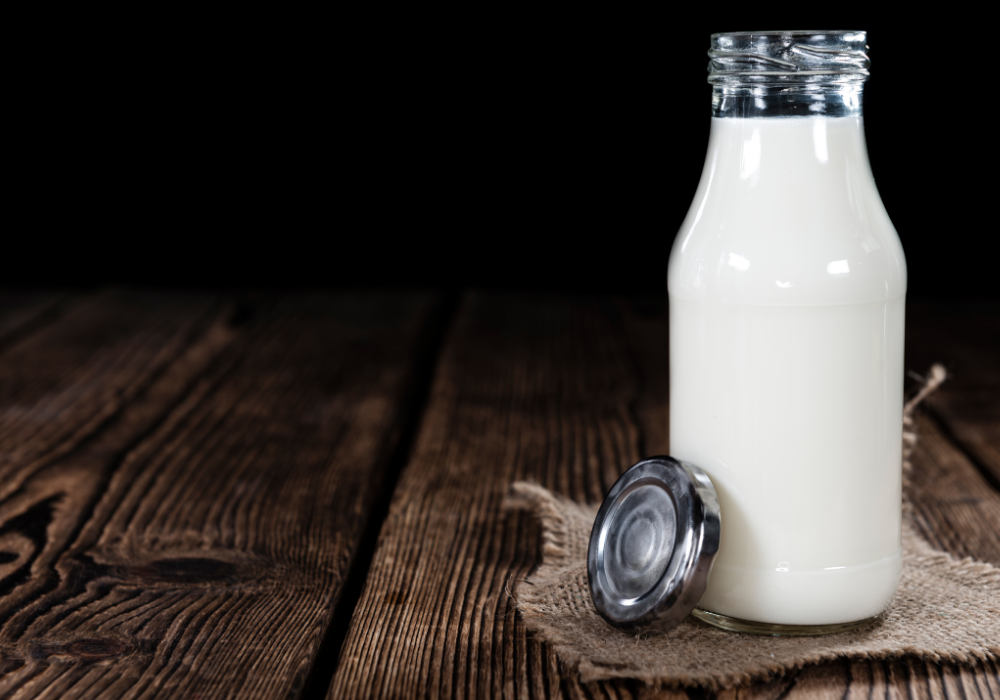
Remember the fat-free craze? We were told to fear fat in every form—especially in dairy. But stripping fat from milk doesn’t just remove calories, it also takes out important fat-soluble vitamins like A, D, E, and K. Whole milk has a better nutritional profile, keeps you fuller longer, and actually helps your body absorb those nutrients. Per doctors at the Mayo Clinic, observational studies suggest that consuming full-fat dairy products such as whole milk, cheese, and yogurt “may not have negative effects on heart or vascular health as previously thought,” highlighting that full‑fat dairy can be part of a heart‑healthy diet.
Also: taste matters. Food satisfaction isn’t just about what fills you up—it’s about what feels satisfying. Skimping on fat often leads to feeling less full and less content, which can push you toward more snacking later. If you enjoy dairy and tolerate it well, whole milk isn’t something to fear—it’s something to enjoy in moderation. Your morning coffee just got an upgrade, and your bones will thank you for it.
4. Pasta is not your enemy unless you’re eating four plates.
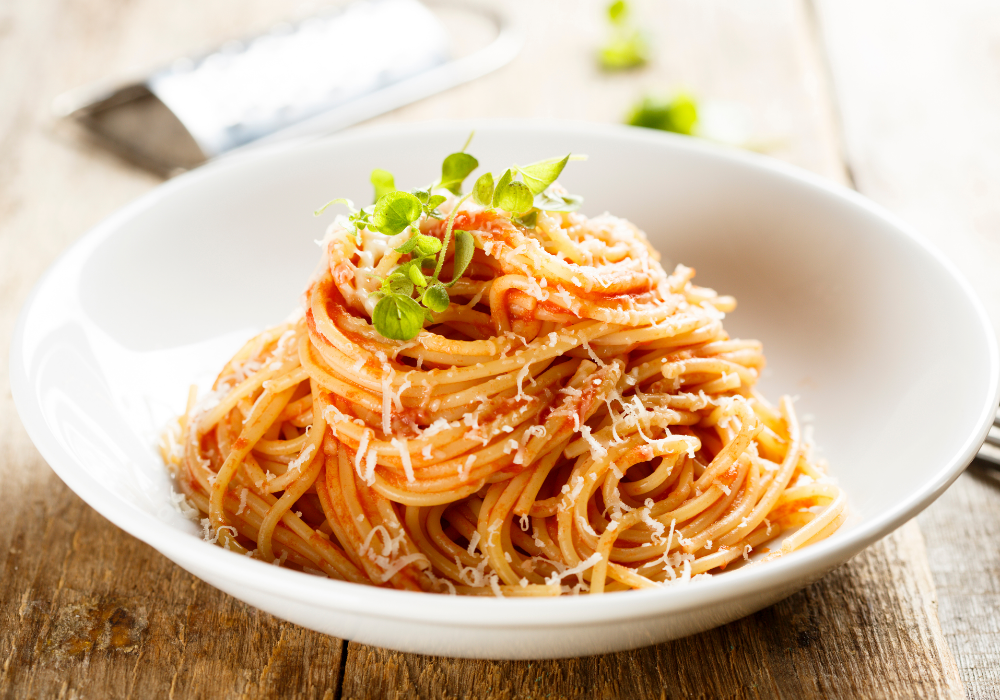
Pasta gets blamed for everything from weight gain to sluggish energy, but it’s not the villain—it’s the portion sizes and what we pile on top. Real pasta (especially when cooked al dente) has a low glycemic index, meaning it won’t spike your blood sugar like many people think. Plus, it’s a great delivery system for fiber, protein, and veggies—if you build your plate with balance.
And let’s talk about joy for a second. Restrictive eating often fails because it forgets food is emotional. Pasta is part of cultural traditions, family dinners, and meals that feel like home. You can absolutely enjoy it without guilt. Add olive oil, greens, beans, or a protein. Make it work with your body, not against it. Pasta isn’t trying to sabotage your goals—it’s just trying to feed you. And sometimes, that’s exactly what you need.
5. Bananas aren’t sugar bombs they’re nature’s fast fuel.
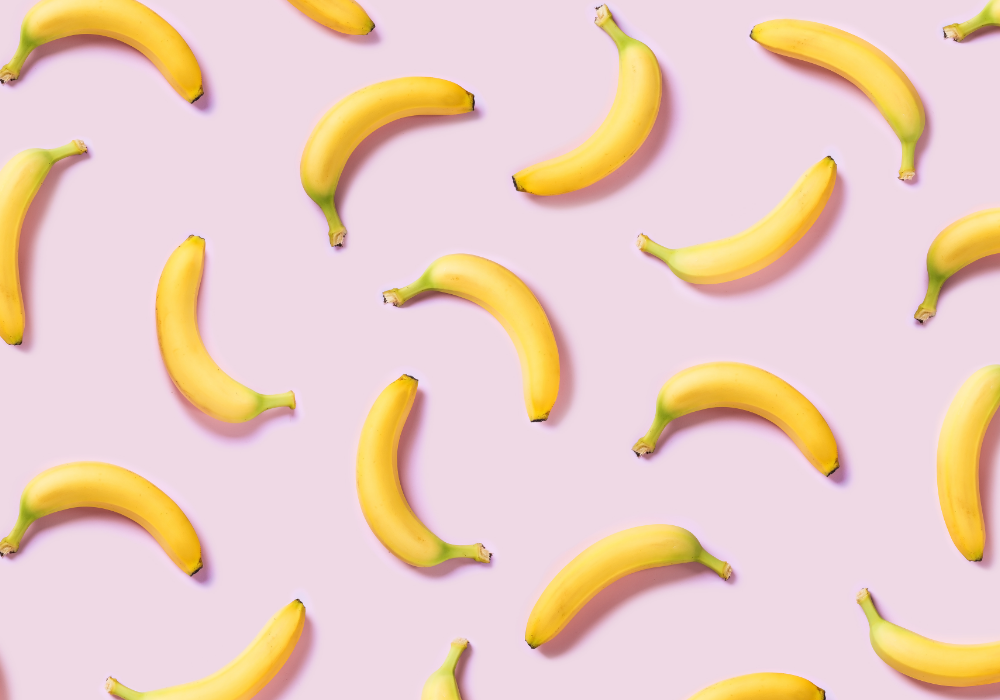
People love to trash bananas for being “too sugary,” but that sugar comes wrapped in fiber, potassium, and natural compounds that support digestion, heart health, and energy regulation. Unlike processed sugar, bananas come with built-in benefits. They also contain resistant starch when slightly underripe, which acts like fiber and supports gut health.
Bananas are portable, affordable, and easy to digest—making them a perfect snack before workouts, during busy mornings, or when your blood sugar needs a gentle lift. Demonizing fruit because it’s sweet? That’s diet culture doing the most. Bananas have been around long before we started nitpicking them, and they’re still one of the most nutrient-dense, satisfying snacks you can grab. The next time someone calls them unhealthy, hand them a banana and tell them to chill.
6. Peanut butter isn’t just a guilty pleasure—it’s protein-packed and heart-smart.
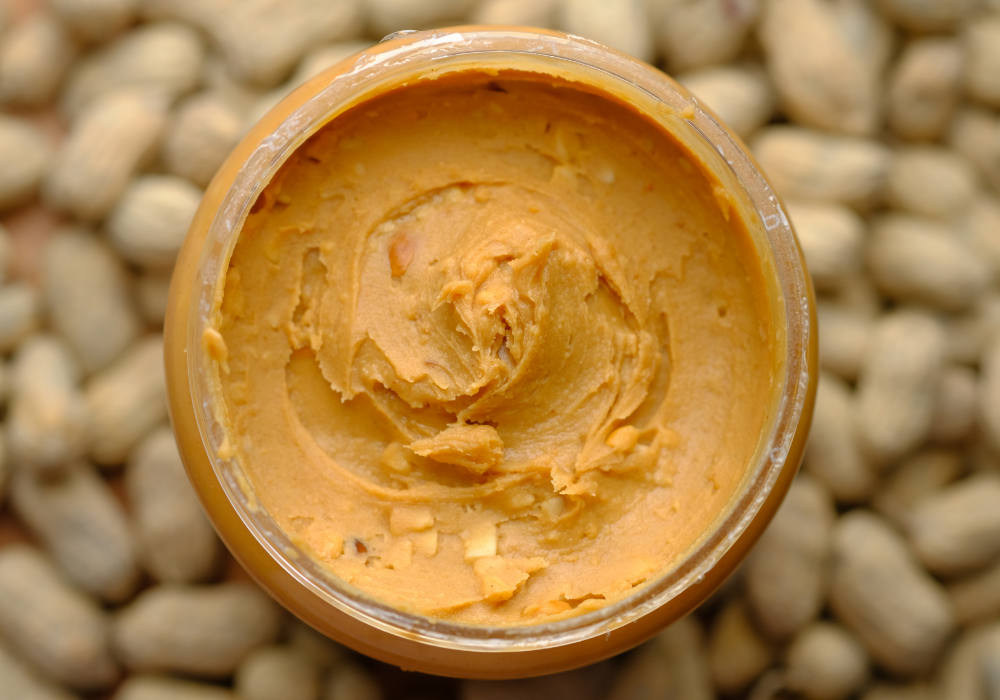
Peanut butter’s gotten a bad rap for being high in fat and calories, but here’s the truth: it’s full of healthy monounsaturated fats, plant-based protein, and nutrients like magnesium, vitamin E, and niacin. It’s also incredibly satisfying, which means it can help prevent overeating later on. The problem isn’t the peanut butter—it’s the portion sizes and the sugary, processed versions pretending to be healthy.
Look for brands with minimal ingredients—just peanuts and maybe a pinch of salt. Avoid the ones stuffed with added oils and sugar. A spoonful of peanut butter on toast, in oatmeal, or paired with fruit can actually help stabilize blood sugar and keep you energized. Diet culture might whisper that it’s “too indulgent,” but your body knows better. Fat isn’t the enemy. Hunger isn’t shameful. And peanut butter is not a crime—it’s a comeback.
7. White rice isn’t a nutritional wasteland it’s digestible, versatile, and underrated.

White rice gets sidelined for being “stripped” and less fiber-rich than brown rice, but it’s not the nutrition disaster it’s made out to be. In fact, white rice is gentler on the digestive system, making it ideal for people with sensitive guts or during recovery. It’s often enriched with iron and B vitamins, and it pairs beautifully with fiber-rich sides and protein to create a balanced meal.
Athletes and dietitians alike swear by it for a reason—it provides clean, fast energy. And let’s not ignore the cultural angle: white rice is a staple in cuisines across the globe, from sushi to curry to stir-fry. Pretending it’s “bad” erases traditions and ignores context. You don’t need to swap it for quinoa unless you actually like quinoa. White rice isn’t lazy. It’s classic, comforting, and still holding its own on billions of plates.
8. Butter isn’t evil if you’re using it like a grown-up
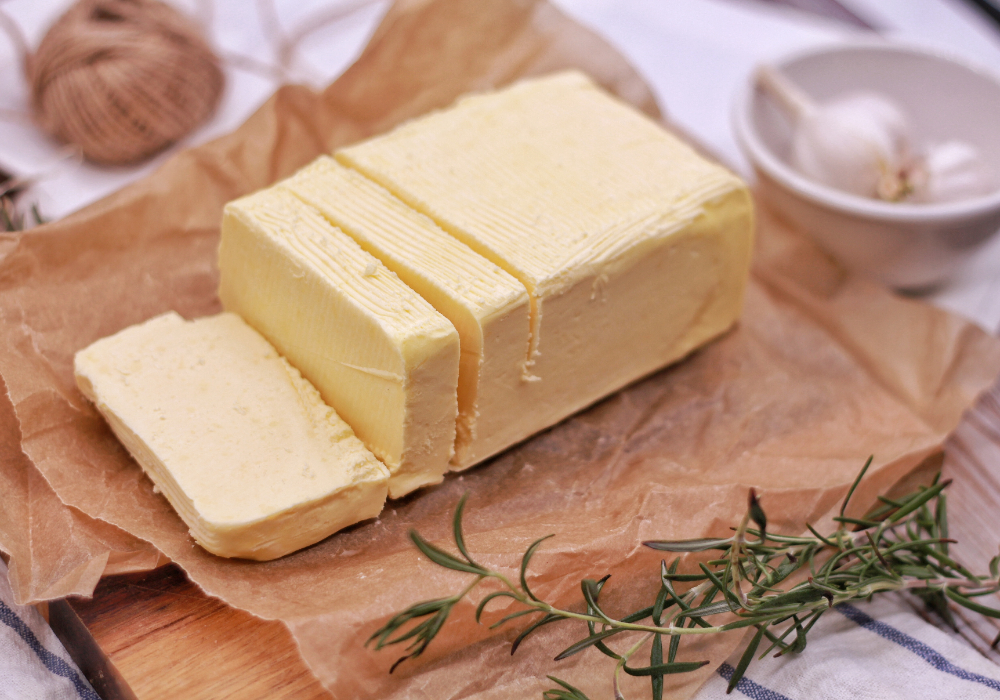
Butter’s been through it. One decade it’s out, the next it’s back. But moderate amounts of real butter (especially from grass-fed sources) can be part of a healthy diet. It contains fat-soluble vitamins like A, D, and K2, plus conjugated linoleic acid (CLA), which may support metabolism. And unlike margarine or heavily processed spreads, butter is minimally refined and recognizable as food.
The key is using it wisely. A little bit goes a long way to make vegetables tastier, scrambled eggs more satisfying, or toast worth waking up for. It’s not about slathering everything in butter—it’s about not fearing a perfectly normal fat. Your body needs fat for brain function, hormone balance, and nutrient absorption. So go ahead—melt a little butter on those steamed greens. Real food doesn’t need to be feared. It just needs to be understood.
9. Salt isn’t a health destroyer—it’s essential for survival.

Somewhere along the line, salt got turned into poison. And sure, excessive sodium in processed food is a real issue. But your body needs salt—especially if you’re active, sweating, or eating mostly whole foods. Sodium regulates fluid balance, nerve function, and muscle contractions. Cutting it too low can lead to fatigue, dizziness, and even cognitive fog.
The trick is knowing the difference between salt on a home-cooked meal and the hidden sodium in fast food or frozen dinners. When you cook for yourself, a pinch of salt isn’t just okay—it helps your food taste better and keeps your body running. Sea salt and Himalayan varieties also contain trace minerals that are beneficial in small amounts. You’re not doing yourself any favors by eating bland, joyless meals. Salt wisely, not fearfully. Your taste buds—and your electrolyte balance—will thank you.
10. Bread isn’t betrayal—it’s one of the oldest human foods for a reason.

Bread’s been labeled the ultimate carb villain, but unless you’re gluten-intolerant or dealing with a medical condition, there’s no good reason to exile it. Whole grain bread offers fiber, B vitamins, and sustained energy, while even white bread can have its place in a balanced meal. The issue isn’t bread—it’s the overconsumption of processed junk plus bread.
Humans have been eating bread in some form for thousands of years. The problem only started when we added a bunch of sugar, fillers, and preservatives. If you choose simpler, quality breads—sourdough, whole grain, sprouted—you’re not sabotaging your health.
You’re enjoying a staple that can absolutely fit into a nutrient-rich, satisfying life. Slap on some avocado, nut butter, or a fried egg and eat it without the guilt. Bread is not a moral failure. It’s just food—and pretty good food, at that.
11. Coffee has benefits that go beyond the buzz.
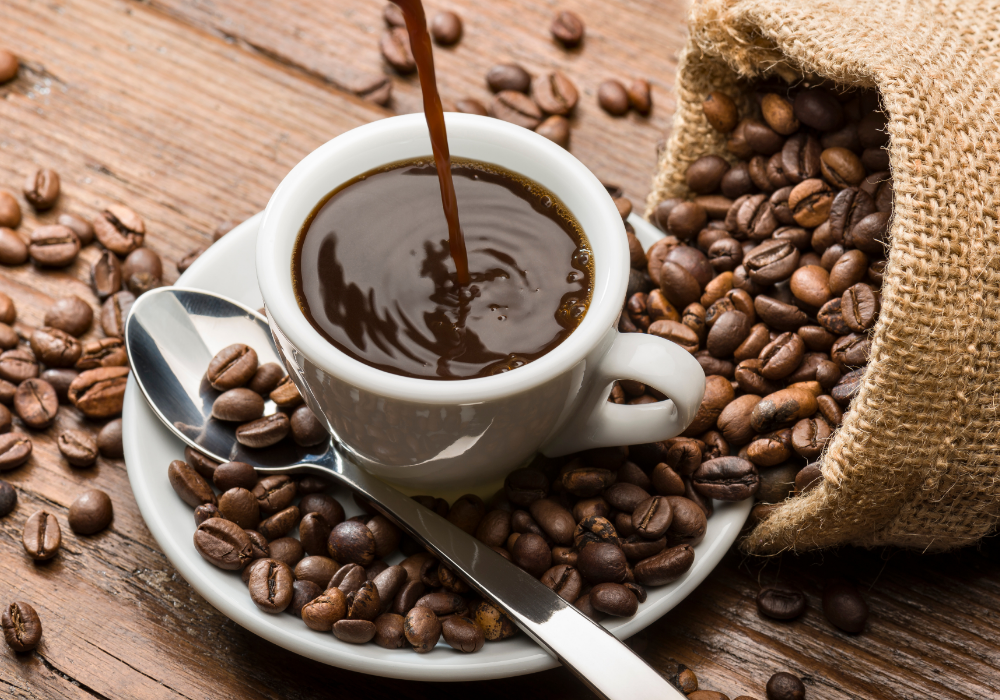
Coffee’s been dragged for years, blamed for everything from dehydration to anxiety. But recent research paints a different picture. Moderate coffee consumption (we’re talking 3–4 cups a day, not 12) is linked to reduced risk of type 2 diabetes, liver disease, and even depression. It’s also packed with antioxidants and can improve focus, reaction time, and cognitive function.
Yes, it’s a stimulant—and yes, you should monitor how it affects your sleep and stress. But for most people, coffee isn’t a health hazard. It’s a ritual. A joy. A moment of calm in a chaotic day. The dehydration myth? Totally overblown. Caffeinated drinks still contribute to your daily fluid intake. So if your morning brew brings you life, keep sipping. You’re not ruining your health—you’re embracing one of the few legal performance enhancers that actually works.