
While other nations race toward sustainability, the U.S. is hitting reverse—and the consequences are global.
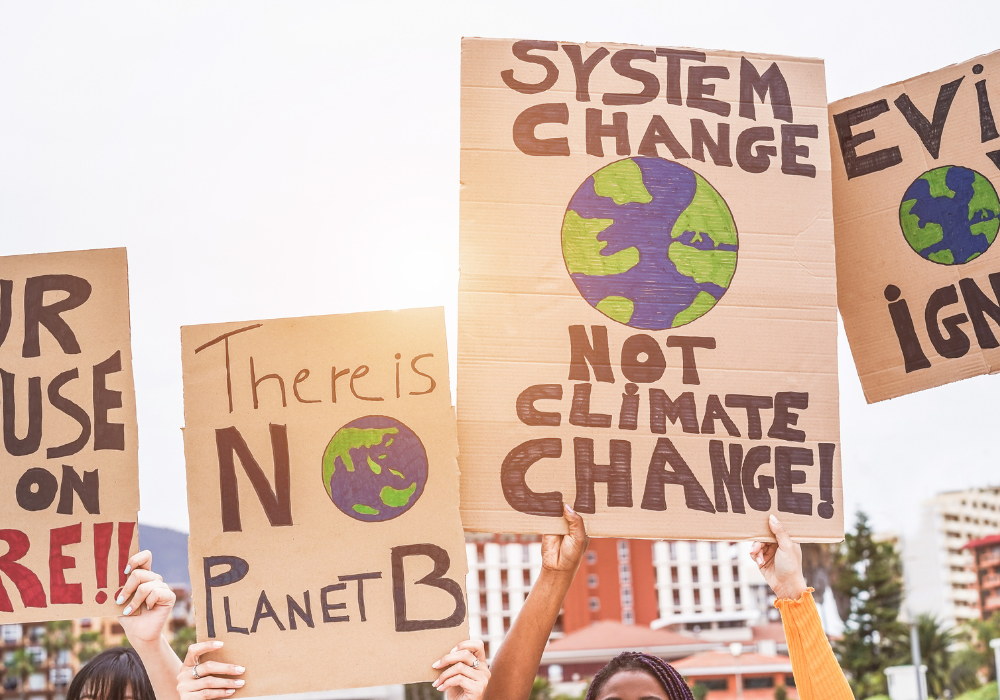
The U.S. isn’t just failing the planet—it’s sabotaging it. As ecosystems unravel and climate chaos escalates, America clings to fossil fuels, guts environmental protections, and props up industries that profit from destruction. This isn’t passive neglect but rather a conscious choice to prioritize short-term gains over global survival.
While other nations scramble to adapt, the U.S. keeps dragging its feet—sometimes sprinting in the wrong direction. The world can’t afford our arrogance much longer. We’re not leading; we’re obstructing. And the window to reverse course is slamming shut. If we don’t change now, we won’t just lose leadership—we’ll lose the future.
1. The U.S. keeps propping up fossil fuels while pretending to lead the climate fight.
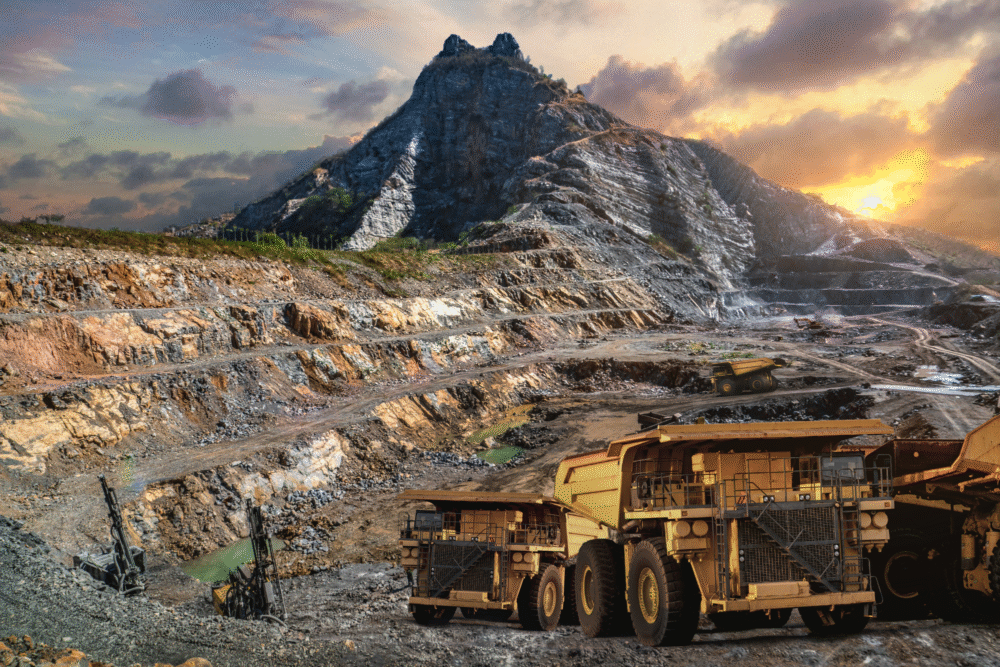
The U.S. funnels billions of taxpayer dollars into oil, coal, and gas while selling a public narrative of green progress. It’s a masterclass in double-speak. Lawmakers parade solar panels and EV chargers in front of cameras, but behind closed doors, they’re renewing drilling leases and expanding pipelines. Fossil fuel lobbyists practically write legislation, and politicians across party lines cash the checks.
Meanwhile, emissions climb and the planet bakes. We can’t call ourselves climate leaders when we’re still subsidizing the very industries that are cooking the Earth. It’s not leadership—it’s sabotage dressed as progress.
2. We slash environmental protections like they’re red tape, not lifelines.

Regulations aren’t nuisances—they’re the brakes on runaway environmental destruction. Yet U.S. leaders keep gutting them under the guise of “cutting red tape.” When the Clean Water Act gets weakened, or auto emissions rules get rolled back, it’s not just policy—it’s permission to pollute. Communities end up breathing in carcinogens and drinking chemical-laced water while corporations celebrate “deregulation wins.”
These aren’t just abstract policy shifts; they land hard on real people. Slashing protections doesn’t unshackle the economy—it unshields the public. And once that damage is done, there’s no getting those clean air and water guarantees back.
3. America consumes like there’s no tomorrow—and ensures there might not be.

Americans make up less than 5% of the world’s population but use nearly a quarter of its resources. We throw away perfectly good food, upgrade our gadgets yearly, and pile up trash like it disappears into the ether. Fast fashion churns out clothes destined for landfills. Big trucks haul one person and a coffee to work.
The culture of “more” has morphed into a blind addiction to convenience and status. And the Earth can’t keep up. This isn’t just about personal habits—it’s a national mindset. A mindset that’s burning through the planet’s resources at warp speed.
4. The U.S. exports its pollution problem to poorer countries.

Instead of managing our own mess, we ship it overseas. Plastics, electronics, textile waste—all sent off to places without the infrastructure to safely handle them. Out of sight, out of mind. Entire villages in Southeast Asia and Africa are choking on the garbage we don’t want to deal with. Toxic fumes, poisoned soil, deformed wildlife—it’s all collateral damage for our disposable lifestyles.
We call it recycling, but it’s really dumping in disguise. It’s not just trash; factories move operations abroad to sidestep environmental regulations, exporting pollution while importing profits. That’s not global leadership—it’s environmental outsourcing.
5. We treat climate science like an opinion, not settled fact.

In the U.S., climate science is still “up for debate” on national television. Politicians deny basic data. News outlets give airtime to conspiracy theorists. School curriculums get watered down or rewritten to please corporate donors. Meanwhile, climate scientists—people who’ve spent their lives studying the Earth—are shouted down by oil-funded think tanks.
The science isn’t unclear. What’s unclear is why we let misinformation hijack public understanding. While other countries base policy on evidence, the U.S. turns facts into political footballs. Sadly, it’s costing us time we don’t have.
6. Big Agriculture gets a free pass to wreck land, air, and water.
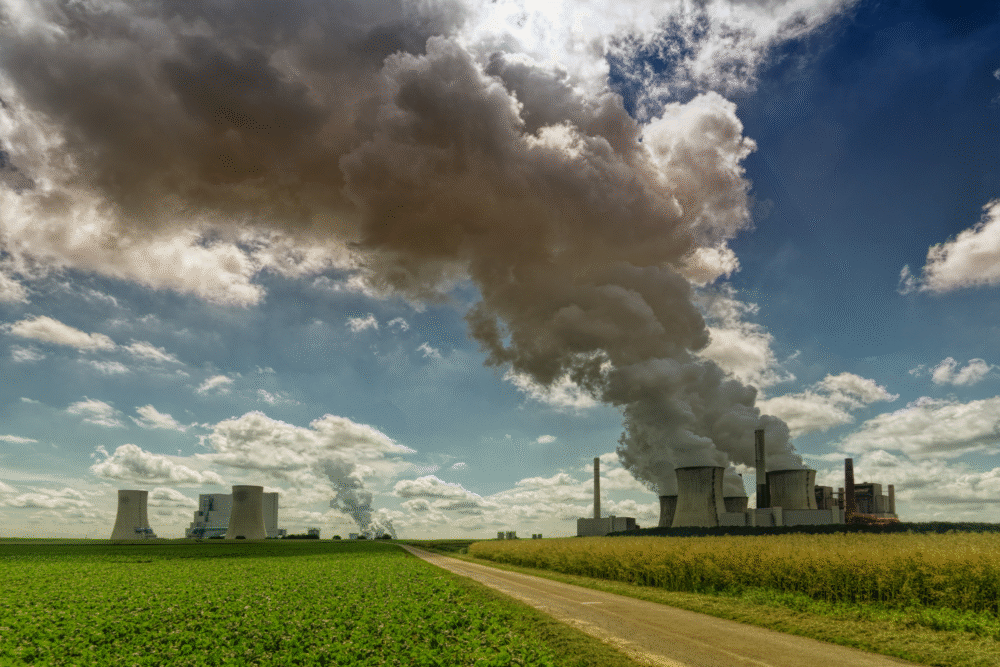
Industrial farming in the U.S. is a major environmental offender, but it rarely gets the spotlight. Factory farms spew methane into the atmosphere, drench fields in synthetic fertilizers, and contaminate waterways with animal waste. Monocropping kills soil health and biodiversity. Yet Big Ag lobbies hard, gets subsidies, and walks away clean while family farms disappear.
The environmental toll is enormous, but you wouldn’t know it from the silence around it. Regulations are weak, enforcement is weaker, and politicians are complicit. We’re sacrificing our ecosystems to feed a system that’s designed for profit—not sustainability.
7. America builds for cars, not for people or the planet.

The U.S. is addicted to the automobile. Sprawling suburbs, crumbling public transit, and highways slicing through communities make driving practically mandatory. We design cities around parking lots instead of parks, and then wonder why emissions stay high. Public transportation? Underfunded and unreliable. Bike lanes? An afterthought, if they exist at all.
While other nations invest in green mobility, the U.S. doubles down on freeway expansion. We don’t just build for cars—we build dependence on them. That car-centric infrastructure locks in pollution, isolates communities, and leaves the poor stranded. It’s an unsustainable model disguised as freedom.
8. We let corporations write the rules they’re supposed to follow.

In the U.S., the fox doesn’t just guard the henhouse—it built it and wrote the building code. Major polluters fund political campaigns, sit on advisory boards, and shape the very regulations meant to rein them in. Environmental laws get diluted before they’re even signed, riddled with loopholes and exemptions tailored to industry giants.
There’s no serious accountability because the watchdogs are muzzled or owned outright. It’s not corruption in the shadows—it’s legalized influence in plain sight. And the result is predictable: profits win, the planet loses, and public trust erodes a little more every year.
9. We frame climate action as a partisan fight instead of a survival issue.

In most countries, protecting the environment isn’t a left-versus-right issue—it’s common sense. But in the U.S., climate action has become political poison. If one party supports renewable energy, the other calls it a threat to jobs. If scientists ring the alarm, someone cries “hoax.” This division is no accident—it’s been fueled by decades of industry-funded disinformation.
But the Earth doesn’t care about party lines. Wildfires don’t check voter ID. Rising seas don’t target blue states. When survival becomes a wedge issue, everybody loses. Climate change won’t wait for us to agree—it’s already moving faster than our politics.
10. We fail to prepare for climate disasters we know are coming.

Storms are stronger. Droughts last longer. Flood zones are growing. And yet the U.S. continues to rebuild in high-risk areas without long-term planning. Emergency response is often reactive, chaotic, and underfunded. Communities of color and low-income neighborhoods bear the brunt—and get the least support to recover.
We have the data. We have the warnings. But we don’t build smarter or plan further ahead. We keep throwing money at disasters after they hit instead of investing in prevention. It’s a cycle of avoidable devastation made worse by short-term thinking and political cowardice.
11. We sell the myth of endless growth on a finite planet.

The American Dream is built on “more”—more stuff, more space, more speed. But endless growth is a fantasy when the planet has limits. Every year, we overshoot Earth’s ability to regenerate. We treat natural resources like a bottomless buffet and expect no consequences. Politicians praise GDP growth while ignoring the ecological debt racking up behind it. Trees become lumber. Rivers become runoff. Habitats become highways.
At some point, the bill comes due—and nature doesn’t do bailouts. Clinging to this myth isn’t just outdated—it’s delusional. And the longer we believe it, the faster the planet pays the price.