
Turns out you sorting your trash doesn’t stand a chance against oil lobbyists.

You’ve cut back on meat. You bring your own bags. Maybe you’ve swapped fast fashion for thrift shops and started biking more. And it matters. But here’s the part no one wants to admit: your personal sustainability efforts are being steamrolled by massive corporate operations that profit from pollution, delay regulation, and greenwash their image while quietly wrecking the planet.
Corporations push the burden onto individuals—telling us to recycle better or shop smarter—while they dump waste, exploit loopholes, and lobby against climate action. The worst part? Most of this damage is baked into their business models. They’re not just slipping up—they’re planning for it.
So while you’re agonizing over which type of plastic can be recycled in your city, the companies actually responsible for the crisis are flying under the radar—and making billions doing it.
1. Fossil fuel giants spend millions lobbying against climate policy.
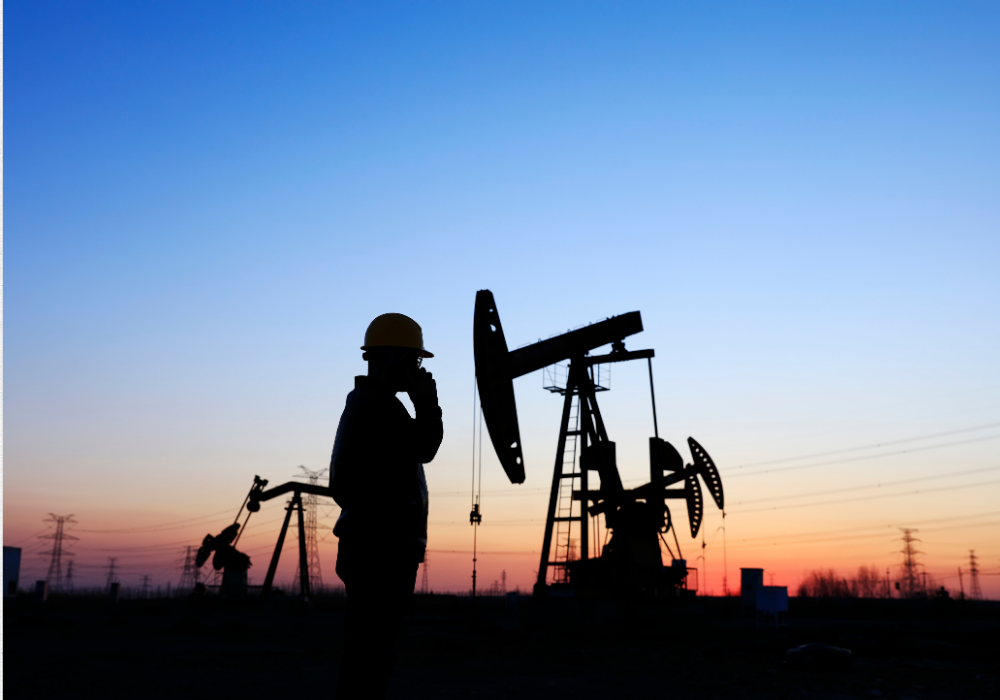
While everyday people are urged to drive less or switch to LED bulbs, fossil fuel companies are pouring millions into lobbying to block climate legislation. They fight carbon taxes, weaken emissions standards, and delay clean energy transitions—all while pretending to support climate action through flashy PR campaigns.
Oil and gas corporations know that real regulation threatens their profits, so they fund think tanks, political campaigns, and trade groups to muddy the science and slow down progress. Chris Martinez and co-authors at the Center for American Progress report that oil and gas companies and associations spent nearly $93 million on lobbying in 2023 alone—part of a long-term effort to obstruct climate policy while preserving profits. They’ll tell you to shrink your footprint while they spend millions protecting theirs. And thanks to their influence, the laws meant to hold them accountable rarely make it past the proposal stage.
2. Plastic producers keep doubling down on single-use packaging.

You’ve probably been told to stop using plastic straws, but the companies making and selling plastic packaging? They’re ramping up production. Fossil fuel corporations, chemical companies, and major brands continue pushing single-use plastics because it’s cheap, profitable, and easy to offload responsibility onto consumers.
According to the U.S. Environmental Protection Agency, the recycling rate for plastics in the United States was just 8.7% in 2018, highlighting the inefficiency of current recycling systems. But instead of designing products for reuse or investing in refill systems, companies churn out more plastic and slap on a recycling symbol to ease your conscience.
Behind the scenes, the plastic industry fights bans, funds misleading campaigns about recycling, and even exports plastic waste to countries with weak environmental protections. You’re sorting your bottles. They’re flooding the planet with packaging that was never meant to be reused.
3. Fast fashion brands churn out clothes designed to fall apart.

Lucianne Tonti, writing for The Guardian, says the fashion industry produces up to 150 billion garments a year, with as much as 40% going unsold—proof that overproduction is baked into the system. Fast fashion companies flood the market with cheap, trend-chasing clothing made to wear out quickly. They release hundreds of new styles weekly, encouraging a cycle of buy-wear-dump that ends in landfills or incinerators.
These brands use “eco-conscious” labels as a marketing tactic while relying on fossil fuel-based materials, exploitative labor, and massive carbon footprints. Even donation and recycling programs are part of the greenwashing. Most clothes dropped off at “textile recycling” centers end up in overseas dumps or burned. Your slow fashion efforts are real—but they’re no match for an industry designed to move fast, cheap, and dirty.
4. Big agriculture fuels emissions and deforestation on a massive scale.

Cutting meat from your diet helps, but it’s corporations—not individuals—driving the destruction. Industrial agriculture is one of the top contributors to greenhouse gas emissions, and major meat and dairy companies are clearing forests, polluting waterways, and pumping out methane at an alarming rate. Meanwhile, monoculture farming backed by agribusiness giants depletes soil, depends on harmful pesticides, and weakens biodiversity. These practices are subsidized, scaled, and often protected by policy.
While you stress about buying organic or composting scraps, the biggest players in the system are bulldozing rainforests for soy and cattle. It’s not your habits doing the most harm—it’s the supply chains feeding global profits.
5. Shipping companies dodge accountability for their emissions.
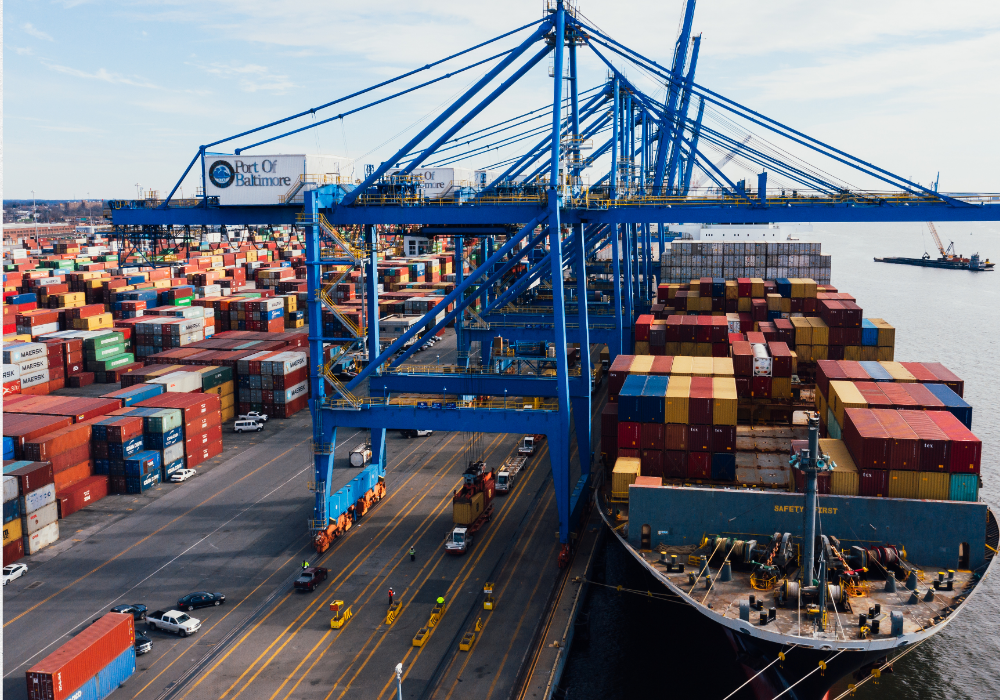
Maritime shipping is one of the most polluting industries on Earth—but it’s conveniently left out of most climate conversations. Cargo ships run on some of the dirtiest fuel available, and the global shipping industry emits more carbon each year than most countries. Yet it remains lightly regulated, with huge loopholes and minimal oversight.
Major retailers rely on cheap overseas labor and massive container ships to cut costs. And while you’re checking if something’s “locally sourced,” your online order might be racking up thousands of miles of carbon emissions. The shipping industry isn’t just ignored—it’s shielded by international laws that make enforcement nearly impossible. As long as there’s profit in faster, cheaper transport, companies will keep polluting the seas—no matter how carefully you shop.
6. Tech giants greenwash their image while running energy-hungry operations.

Tech companies love to brag about buying carbon offsets or running offices on “100% clean energy”—but behind the PR, many still rely on massive data centers powered by fossil fuels. Cloud storage, cryptocurrency mining, streaming, and even social media all require vast amounts of electricity, often pulled from dirty grids.
And then there’s e-waste. Devices are designed for short lifespans and near-impossible to repair. Software updates intentionally slow old models, nudging users toward upgrades. Meanwhile, used electronics pile up in developing countries, often burned or dumped in unsafe conditions.
These companies project a sleek, sustainable image while running on energy-intensive systems and planned obsolescence. You might be unplugging chargers to save electricity—but your phone’s ecosystem burns through way more than you ever could.
7. Beverage brands drain water supplies and pollute what’s left.
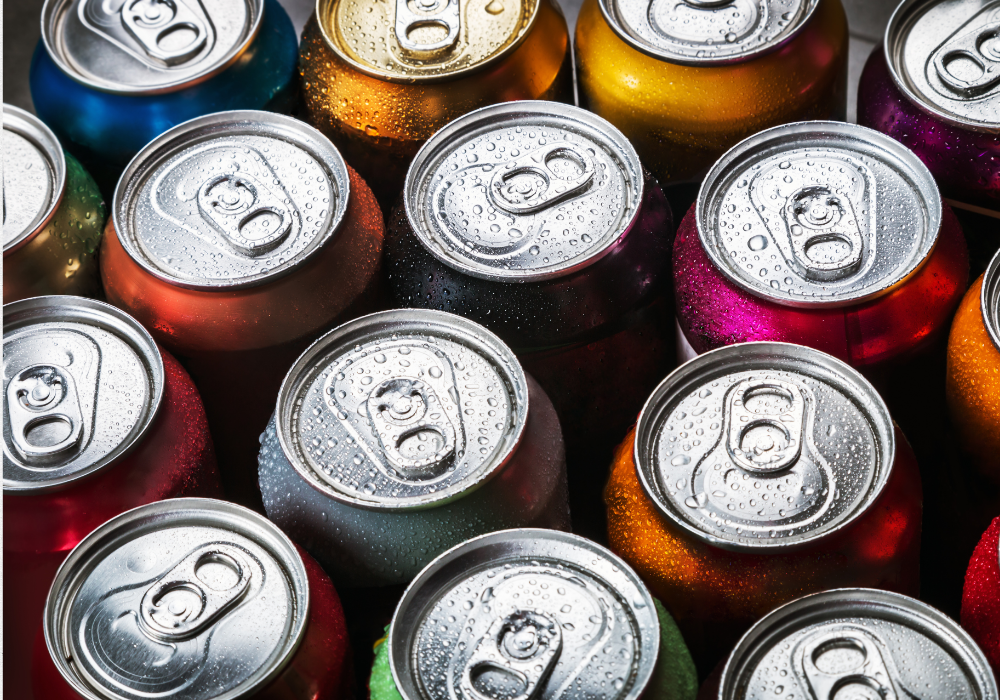
You’re carrying a reusable water bottle, skipping bottled drinks, and watching your tap usage. Meanwhile, beverage giants are draining local aquifers to produce soda, bottled water, and energy drinks—often in drought-prone areas. Communities in places like India, California, and Mexico have reported severe water shortages linked directly to corporate bottling operations.
Worse, the packaging from these drinks—plastic bottles, aluminum cans, caps—clogs waterways and landfills, even when “recyclable.” Water extraction for profit is often prioritized over public access, and when backlash grows, these companies just move somewhere else. While you’re tightening the faucet, they’re commodifying public resources, repackaging them, and selling them back to you with a mark-up and a side of environmental damage.
8. Oil companies fund misinformation to slow climate action.
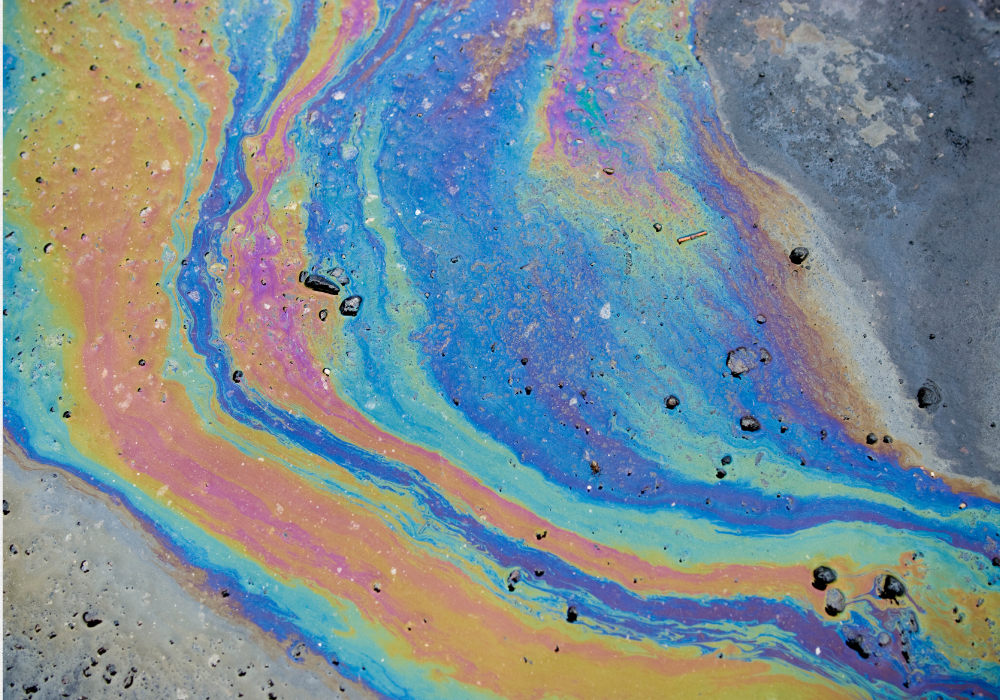
The disinformation isn’t accidental—it’s part of the business plan. For decades, oil and gas companies have spent billions spreading doubt about climate science, downplaying their role in the crisis, and painting sustainable alternatives as risky or unrealistic. They’ve hired lobbyists, funded “research,” and bankrolled ad campaigns meant to confuse the public and stall momentum.
Some of these same companies knew about the dangers of fossil fuels as early as the 1970s—and buried the data. Today, they continue to mislead with greenwashed ads, vague carbon pledges, and campaigns that push personal responsibility while they keep drilling. You’re carefully researching your footprint, and they’re writing checks to ensure progress never moves fast enough to threaten their bottom line.
9. Airlines make climate promises while expanding flight routes.

Airlines talk a big game about offsetting emissions and using biofuels—but the reality is they continue to expand flight networks, encourage cheap fares, and increase frequency on high-emission routes. Air travel is one of the most carbon-intensive activities per passenger, and private jets make that footprint exponentially worse.
Instead of reducing flights or investing in transformative technology, many airlines rely on carbon offsets that do little to actually reduce pollution. Meanwhile, the rise of ultra-low-cost carriers encourages more frequent flying, even when trains or other low-emission options exist.
You’re choosing to stay grounded or carpool to save fuel, while aviation giants keep growing—and banking on the fact that most people won’t look beyond the glossy sustainability claims.
10. Big brands push “recyclable” products they know won’t get recycled.
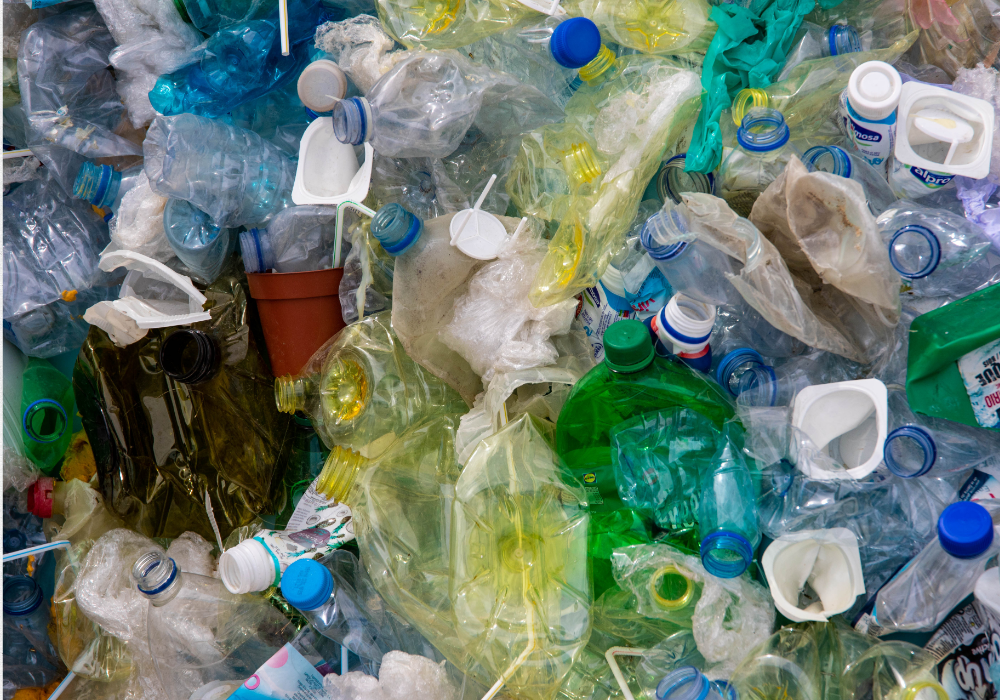
That little triangle symbol on the packaging doesn’t guarantee your trash gets turned into something new. In fact, most “recyclable” plastic ends up in landfills or incinerators because local facilities can’t actually process it. Still, brands plaster the symbol across everything—from food wrappers to shampoo bottles—knowing full well that the infrastructure can’t keep up.
They do it to shift blame. If the consumer throws it away, that’s your fault—not theirs. But these companies design their packaging knowing it won’t be reused, and they resist legislation that would force them to adopt refillable or truly recyclable systems. So while you rinse and sort every container, they’re mass-producing “recyclable” trash that was never meant to go anywhere but the dump.
11. Carbon-neutral claims distract from real environmental destruction.
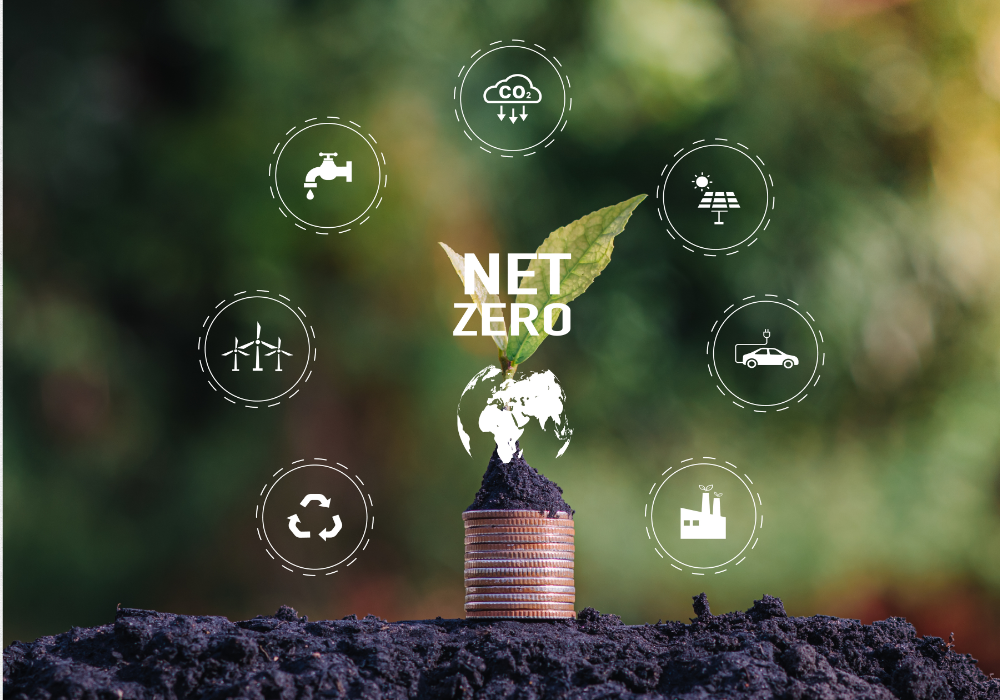
Sustainability sections on corporate websites look nice. So do eco-labels, carbon-neutral claims, and feel-good commercials featuring wind turbines. But most of it’s branding, not real change. Greenwashing is how corporations get credit for doing “something” while continuing business as usual.
It’s not just misleading—it actively slows progress. When a company gets praised for switching to paper straws while they pollute rivers, it shifts attention away from what really needs to change. Worse, some companies intentionally exaggerate or flat-out lie about their sustainability efforts, banking on the fact that consumers don’t have time to fact-check every claim. So while you’re making sacrifices, they’re cashing in on optics—and keeping the status quo intact.