
You don’t need to own nothing to want less chaos.

You don’t have to live in a spotless white cube or count your possessions to crave a calmer home. Most people aren’t looking for aesthetic perfection—they just want space to think, breathe, and exist without tripping over junk that doesn’t serve them. But clutter isn’t always obvious. It hides in “just in case” drawers, piles of aspirational items, and guilt-laced leftovers from past versions of yourself.
This kind of clutter is sneaky because it pretends to be useful. It whispers that you might need it someday or that getting rid of it is wasteful. But the real waste is living in a space that feels heavy and overcrowded. You don’t have to throw everything out. You just have to start questioning what’s actually helping you live—and what’s just taking up room.
1. Freebies and swag are clutter disguised as generosity.
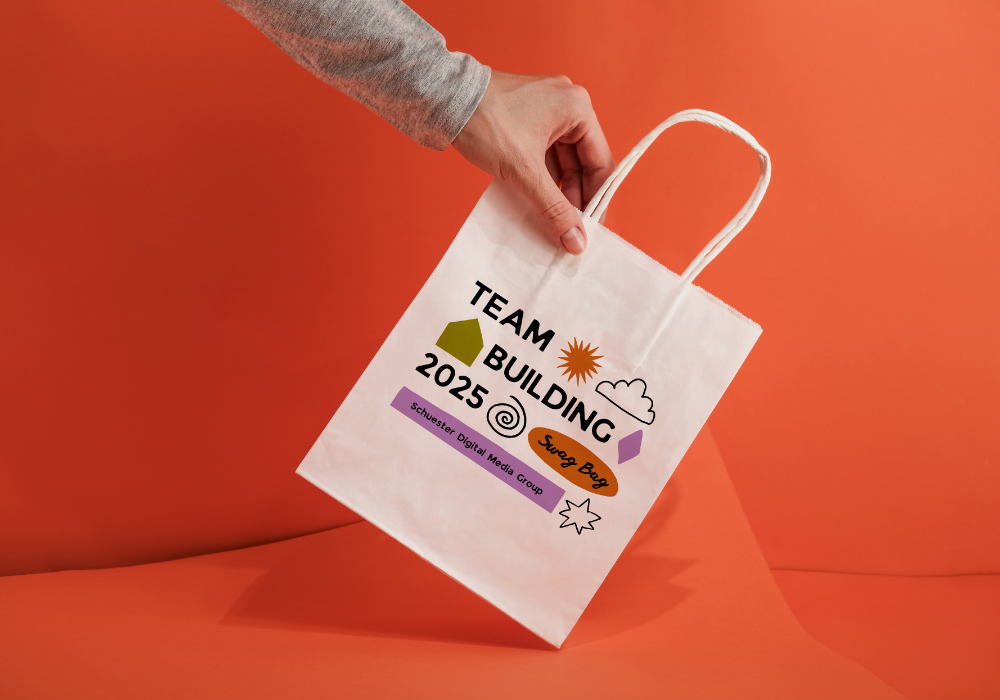
The tote bag from a conference, the branded mug from a giveaway, the stack of pens you never actually use—these items sneak into your home without much thought. They’re free, so they feel harmless. But over time, they add up, filling drawers, shelves, and cabinets with objects that don’t serve a purpose.
Daley Crowley writes in EarthHero that most promotional items are made from low-cost, unsustainable materials that are quickly discarded. And yet, they linger—because they feel like gifts. Letting them go can feel ungrateful, but the truth is, you didn’t ask for most of them in the first place. You’re allowed to decline, to donate, or to toss. Your space doesn’t need to be a storage unit for someone else’s marketing materials.
2. Backup and “just in case” items multiply faster than you think.
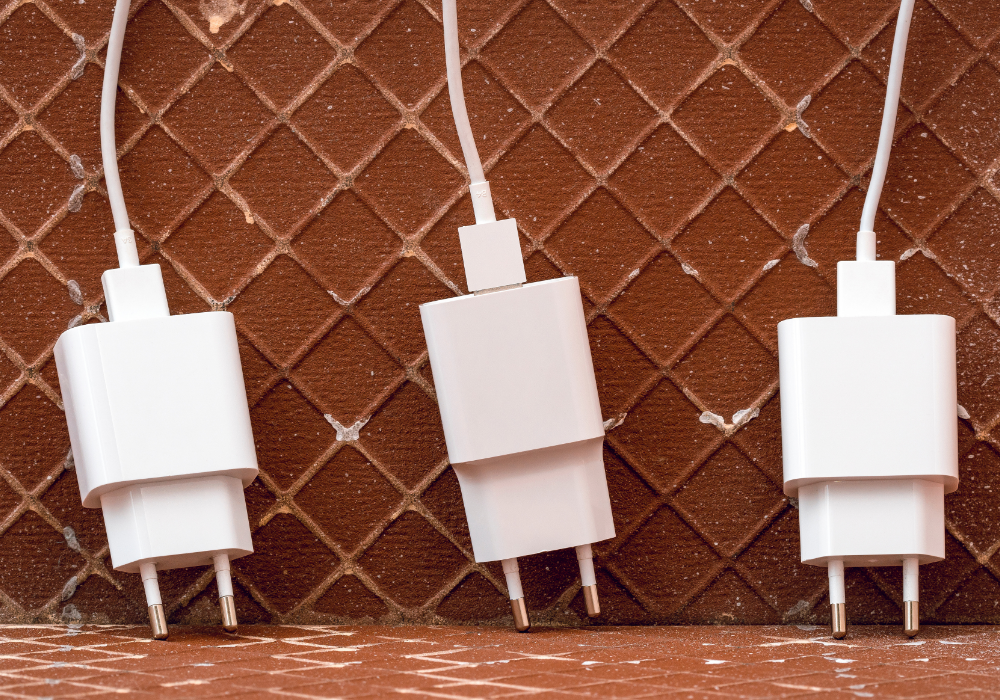
It starts with good intentions. An extra shampoo. A spare charger. One more black t-shirt in case your favorite wears out. But soon, your home is packed with duplicates—stuff you don’t use now, but might someday. According to writers at The Simplicity Habit, the scarcity mindset can make it hard to part with items, even when they’re unnecessary, because it’s rooted in fear of not having enough.
When you overprepare for future scarcity, you create present-day clutter. You forget what you already own. You spend more to avoid imagined inconvenience. And most of the time, those backups just sit untouched. Keep one spare if it brings peace of mind. But let go of the excess that’s crowding your space under the illusion of being prepared. You’re not a supply closet—you’re a human trying to breathe.
3. Aspirational items are reminders of lives you’re not living.
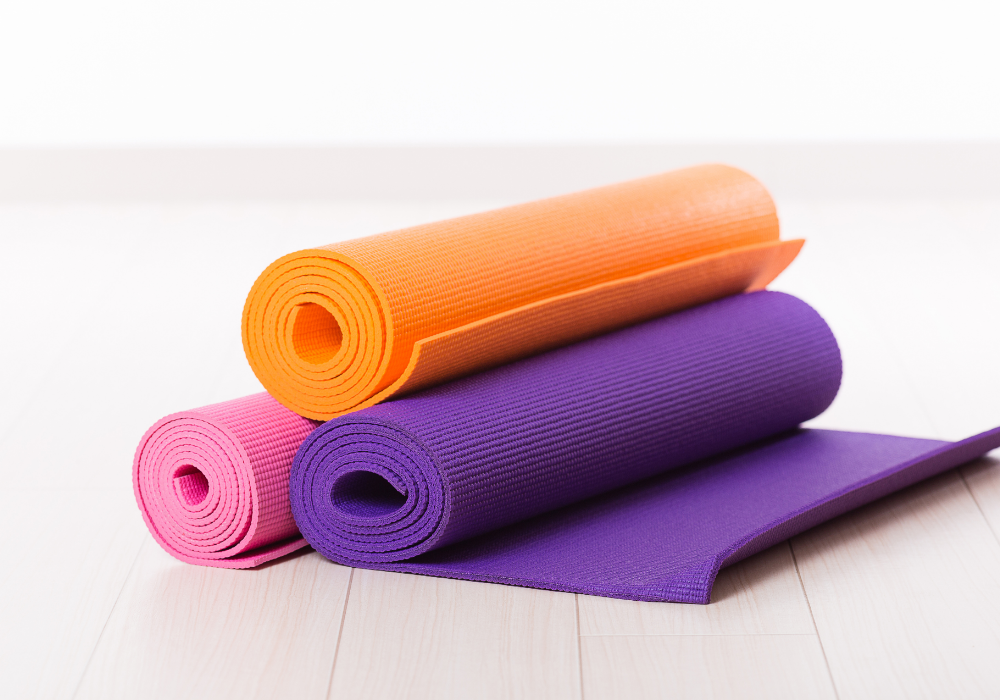
The yoga mat you never unroll. The juicer collecting dust. The art supplies you haven’t touched since the day they arrived. Rachel Jones notes in Nourishing Minimalism that items tied to aspirational identities often create guilt when they go unused, acting as constant reminders of unmet goals.
Owning something doesn’t make it real. If the item brings guilt instead of joy, it’s not motivating—it’s draining. Letting go doesn’t mean giving up on yourself. It means recognizing that forcing an identity through stuff rarely works. If you want to paint or stretch or cook more, start with action, not equipment. And if the interest has passed, that’s okay. Release the object and reclaim the space.
4. Nostalgic clutter keeps you rooted in the past—sometimes too tightly.
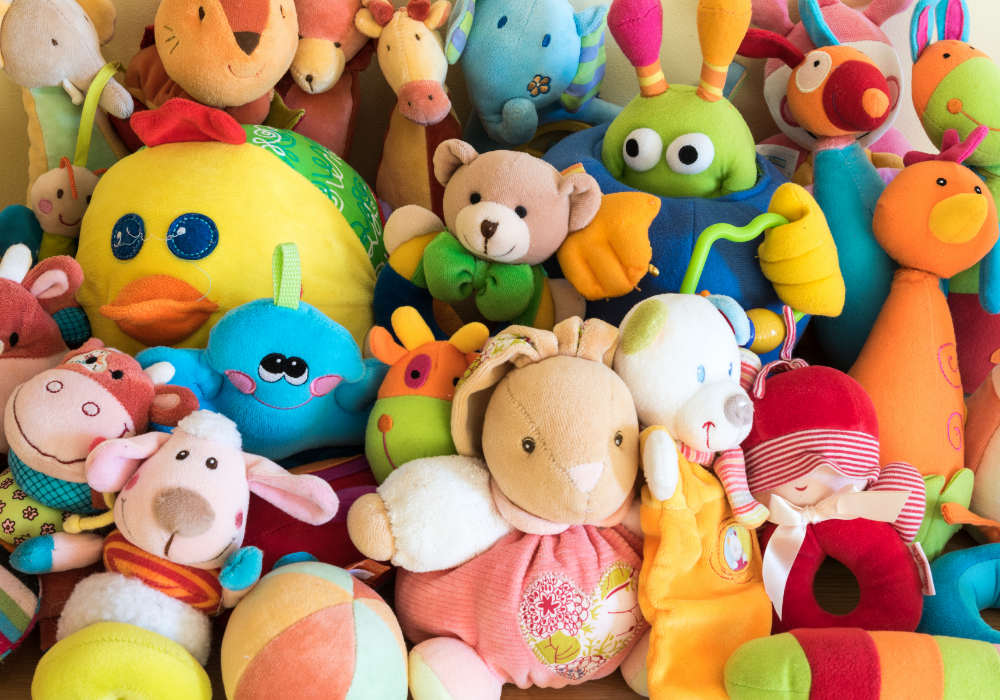
Old gifts, letters, childhood toys, concert tees from college—they all tell a story. But not everything that holds a memory deserves permanent space in your life. When sentimental objects pile up, they can shift from meaningful to overwhelming. They begin to anchor you to who you were, not who you are now. There’s nothing wrong with keeping treasures. But if the volume is causing stress, it might be time to pare down.
Choose a few meaningful items and let the rest go. Take photos. Write down the memory. Donate or recycle what no longer serves you. Honoring the past doesn’t mean hauling every piece of it into the future. You’re allowed to remember without being buried by it.
5. Dead electronics and tangled cords are tech clutter you’ll never miss.
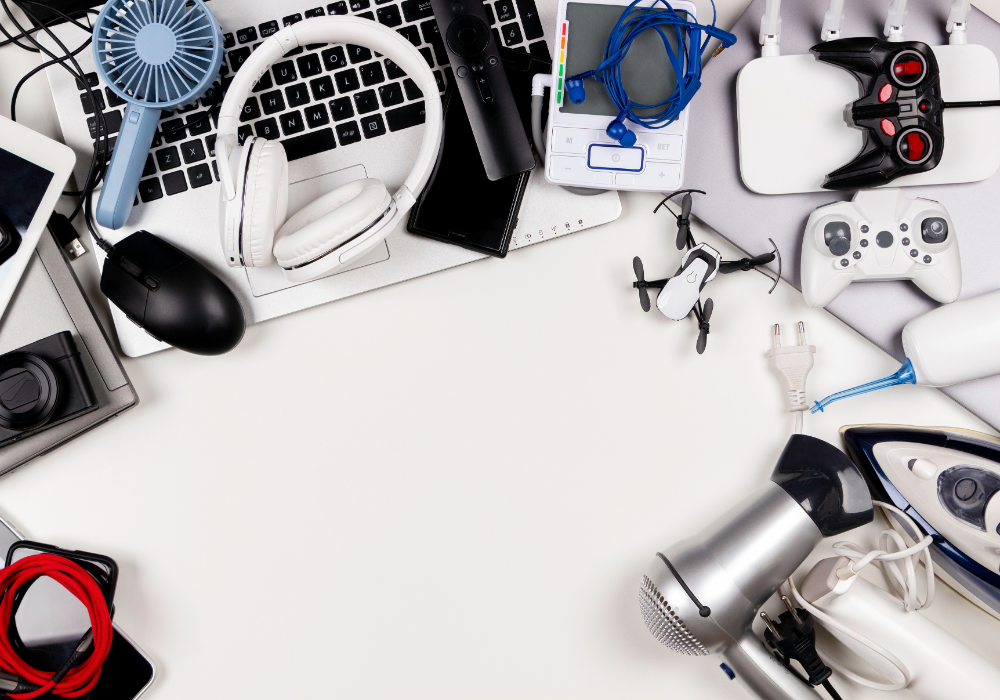
Everyone has a drawer—or maybe a whole box—full of outdated gadgets, mystery cables, and chargers for devices that no longer exist. We hang onto them because they feel useful, because they cost money once, or because we’re not sure how to dispose of them responsibly. But let’s be honest: most of it’s junk.
Sort through it. Keep what you actively use. Recycle the rest at an e-waste center or through a take-back program. You’re not suddenly going to need the phone from 2014 or the camera cable that fits no current device. These items aren’t neutral—they take up mental and physical space. Clearing them out is a quiet relief you’ll feel every time you open that drawer.
6. Cheap containers and organizers can actually create more chaos.
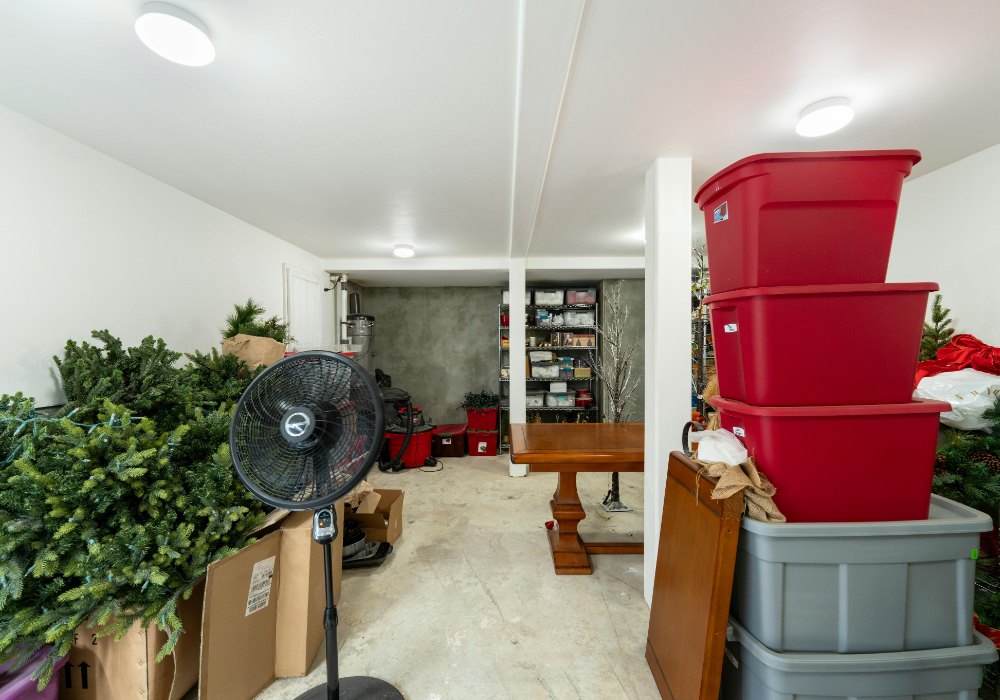
It’s easy to believe that if your clutter is stored nicely, it isn’t clutter anymore. So you buy bins, baskets, drawer dividers, and organizers with the hope that order will follow. But often, those systems end up holding stuff you don’t actually need—and disguising it as tidiness.
Organizing isn’t the same as decluttering. Before buying more containers, try removing what no longer serves you. Often, you’ll find you don’t need extra storage—you just need less stuff. And if you do organize, choose systems that work with your habits, not against them. An unused bin is just another thing to manage. Simplicity comes from subtraction, not better shelves.
7. Bulk packaging isn’t saving you space—it’s eating it.

Buying in bulk can be smart, especially when it cuts down on waste or trips to the store. But it becomes a clutter trap when you’re storing more than your home can comfortably hold. Oversized boxes of snacks, duplicate bottles of lotion, giant bags of rice—it all takes up cabinets, corners, and closets meant for daily living, not overflow storage.
If your house starts to feel like a stockroom, something’s off. It’s not about avoiding bulk entirely. It’s about understanding your actual usage. If something takes a year to get through—or you forgot you even had it—it might be costing more than it’s saving. Excess inventory adds stress, not security. It hides the things you actually need. And it turns your home into a holding zone instead of a sanctuary. Let go of the bulk you’re not using, and organize the rest so it works with your life—not against your space.
8. Furniture that doesn’t fit your life becomes architectural-level clutter.
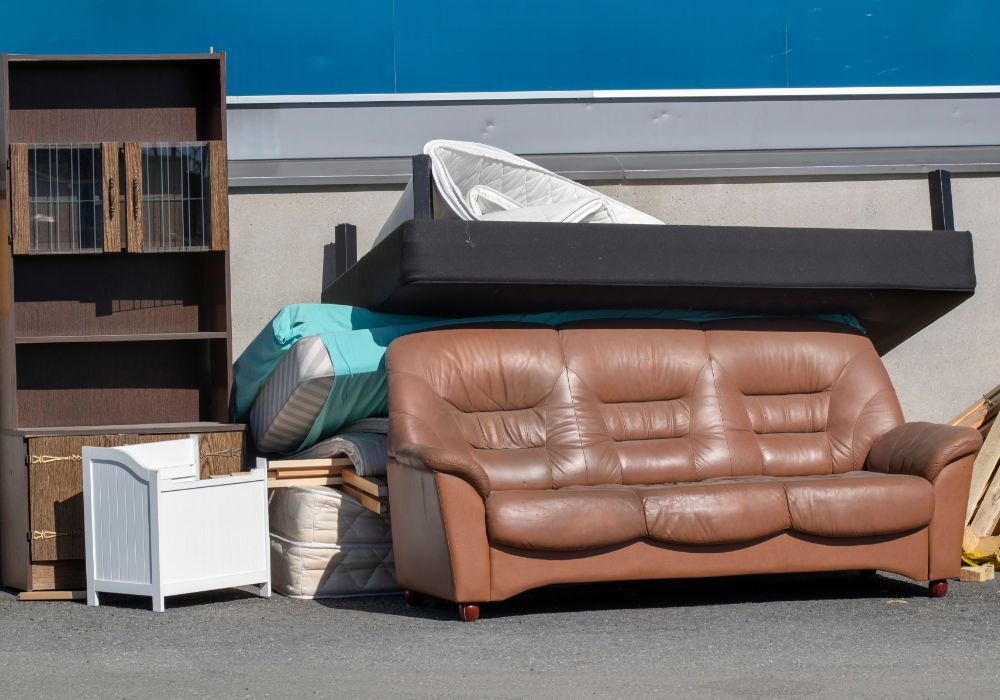
A too-large dining table in a tiny apartment. A broken bookshelf you keep meaning to fix. An inherited armchair that’s beautiful but completely uncomfortable. These things don’t just take up physical space—they silently dictate how you move, clean, and function in your home. And when something isn’t truly useful, it becomes something you work around instead of something that supports your life.
Letting go of furniture can feel daunting—it’s expensive, sentimental, or just a pain to haul. But oversized or unused pieces steal freedom from your space. If it doesn’t serve your current lifestyle, it’s not neutral—it’s a barrier. Consider what you’d choose if you were starting from scratch. Prioritize pieces that make your routines easier, not more cramped. A home should adapt to your needs, not trap you in outdated layouts or ideas about what belongs in a “proper” room.
9. Duplicates pile up quietly and convince you they’re practical.
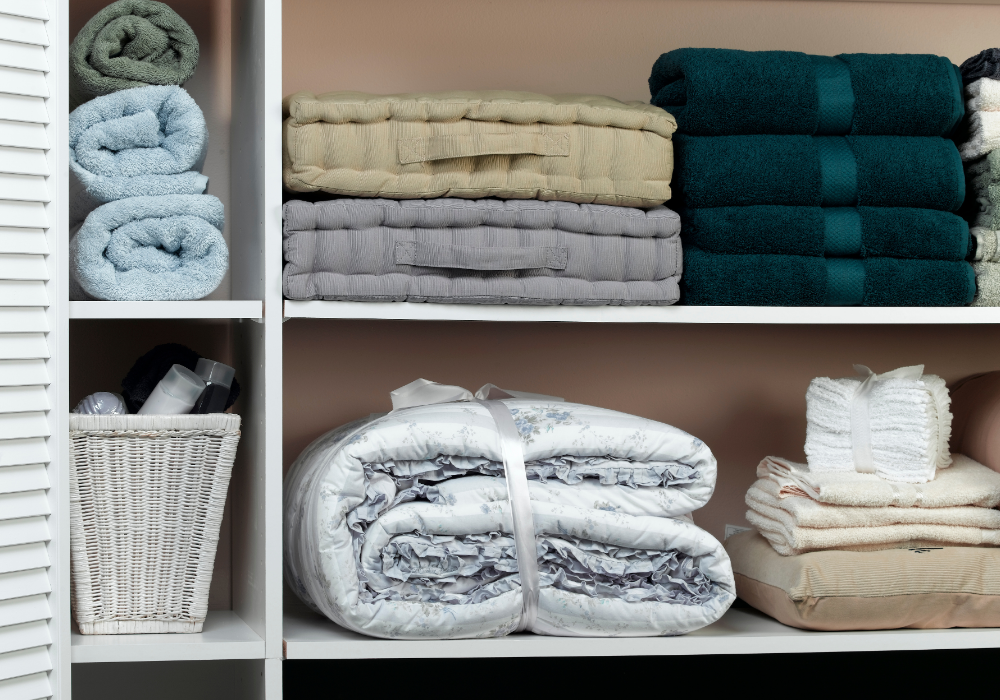
Second sets of dishes, backup linens, spare office supplies—many of these start with good reasoning. But when extras outnumber what you regularly use, they stop being helpful and start creating clutter. Multiple versions of the same item often hide in deep drawers or bins you rarely open, making it harder to find what you do use and adding friction to simple tasks.
You don’t need to pare down to one of everything, but it’s worth asking: how many of this do I actually use in a week? If the answer is one, keep one or two. Let the rest go.
Most homes are organized around edge-case scenarios—guests, emergencies, holiday overflow—rather than everyday living. But planning your space around daily needs creates clarity and calm. Redundancy might feel safe, but in practice, it usually just gets in the way.
10. Gifts you feel guilty getting rid of often become emotional clutter.

We all keep things because we don’t want to seem ungrateful—a sweater from a relative, a book from a friend, a decorative item that just isn’t your style. These objects can linger for years, not because they’re loved or useful, but because they came with meaning. That meaning slowly turns into pressure. You keep the item, but it doesn’t spark joy—it sparks obligation. Guilt isn’t a good reason to hang onto something. The person who gave it to you likely wanted to offer care, not burden. Letting go of the object doesn’t erase the connection.
You can keep the memory and still release the thing. If something makes you feel tense every time you see it, it’s no longer a gift—it’s a weight. Give yourself permission to keep what supports your life, not what manages someone else’s expectations.
11. Unfinished projects can linger for years, quietly draining your energy.
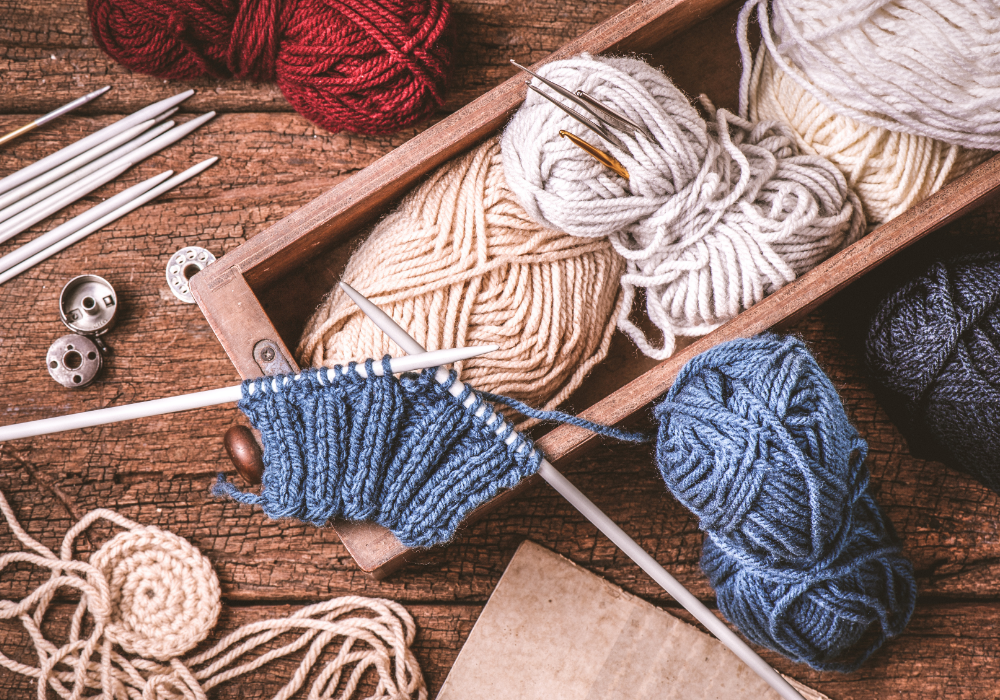
That half-knitted scarf, the broken lamp you meant to fix, the stack of magazines saved for “someday”—unfinished projects often morph into clutter not because they’re useless, but because they represent open loops. Every time you see them, you’re reminded of what you haven’t done.
They sit there, whispering about time you don’t have, ambitions you abandoned, and follow-through you should have mastered by now. Sometimes you really do want to finish them. And if that’s the case, carve out time and complete the work. But if it’s been months (or years) and they only make you feel guilty, it might be time to release them. Letting go doesn’t mean failure—it means recognizing your limits. Not every idea has to be brought to life. Some can be closed, kindly, with a deep breath and a little more space left behind.