
These trendy garments sell guilt-free vibes built on exploitation.
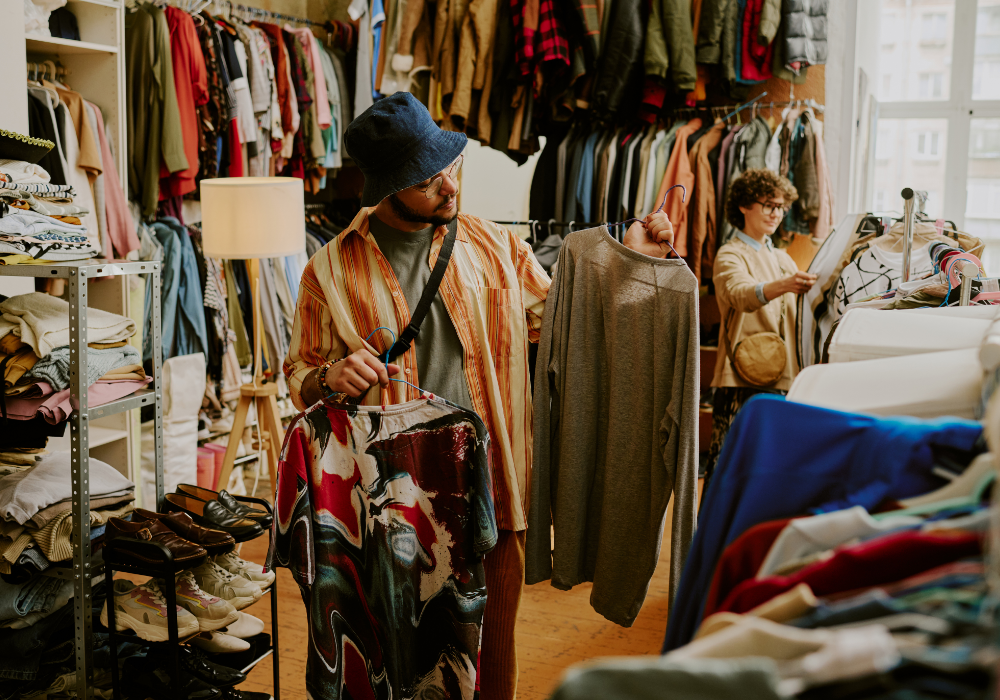
There’s a whole category of fashion that looks ethical at first glance. Earth tones, linen blends, minimalist tags with words like “conscious” or “responsible.” It feels good to buy this stuff—like you’re making a difference just by choosing the oatmeal-colored jumpsuit over the neon fast fashion. But here’s the uncomfortable truth: looking sustainable doesn’t mean it actually is. A lot of “ethical” fashion is just fast fashion in disguise, wrapped in recycled packaging and greenwashed messaging.
Dig a little deeper and you’ll find sweatshop labor, mystery supply chains, and shockingly low wages behind those $90 pants that claim to “do better.” It’s not about being perfect—but it is about asking questions before buying into a carefully curated aesthetic. Because these 11 pieces may feel like the good choice, but they often hide the same exploitation as the brands they claim to rise above.
1. Organic cotton basics aren’t so clean when labor is still underpaid.
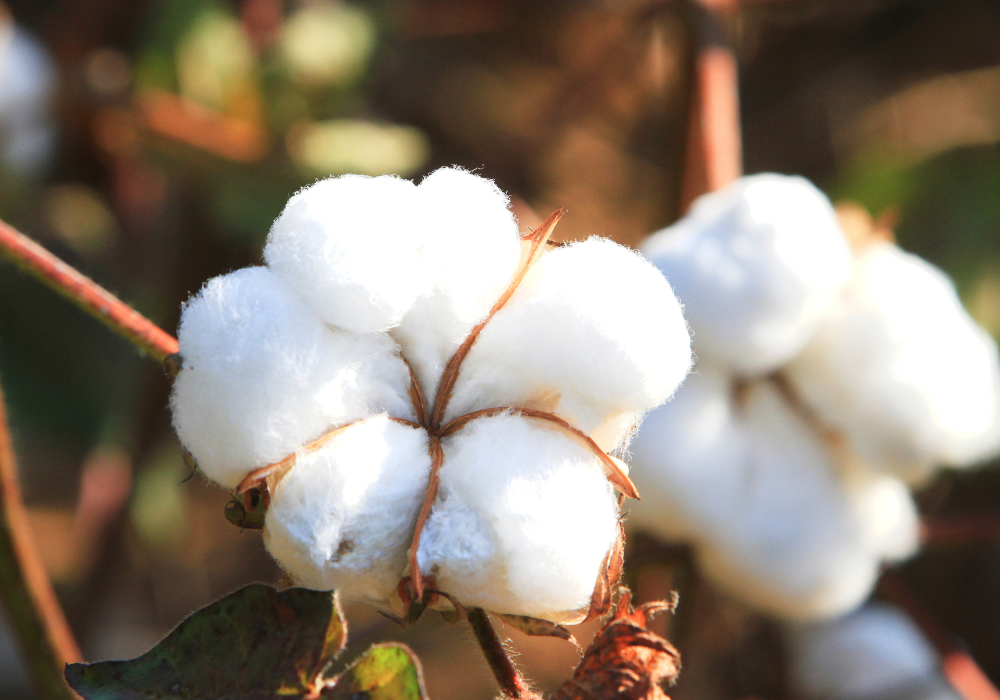
That soft organic cotton tee might check all the boxes—natural fabric, clean design, no harsh dyes—but the real question is: who made it, and how were they treated? Organic cotton can still be spun, cut, and sewn in factories where workers earn pennies an hour and face long, unsafe shifts.
The fabric might be clean, but the process behind it often isn’t. Organic cotton farms in India supplying major brands were found to employ child labor, enforce debt bondage, and subject workers to abusive conditions, revealing that organic certification does not guarantee ethical labor practices.
Many brands bank on the organic label to distract from exploitative labor practices. They know the average shopper won’t trace the production beyond the hangtag. The truth is, a shirt can be organic and unethical at the same time. Without transparency and fair labor standards, “organic” is just a feel-good word.
2. Linen jumpsuits feel sustainable but often hide fast fashion practices.

Linen has become the darling of the ethical fashion world. It’s breathable, biodegradable, and gives off that effortless slow-living energy. But throw it into the hands of mass production and it’s just another greenwashed garment churned out under the same old exploitative conditions.
That trending linen jumpsuit? It might’ve been made in a factory where workers are underpaid, overworked, and invisible to the brand’s glossy marketing. The fast fashion industry often relies on cheap labor in developing nations, where workers are exploited and underpaid, and often work in inhumane conditions.
The linen itself doesn’t make the item ethical. Brands know that linen signals “eco” to consumers, so they cut corners elsewhere to keep prices low and margins high. Think limited transparency, vague supply chain info, or “made ethically” with no actual proof. If a company sells dozens of linen styles at suspiciously low prices, odds are someone else is paying the cost. And spoiler: it’s probably not the company. It’s the worker behind the seams.
3. Bamboo fabrics sound eco-friendly but often come from dirty supply chains.
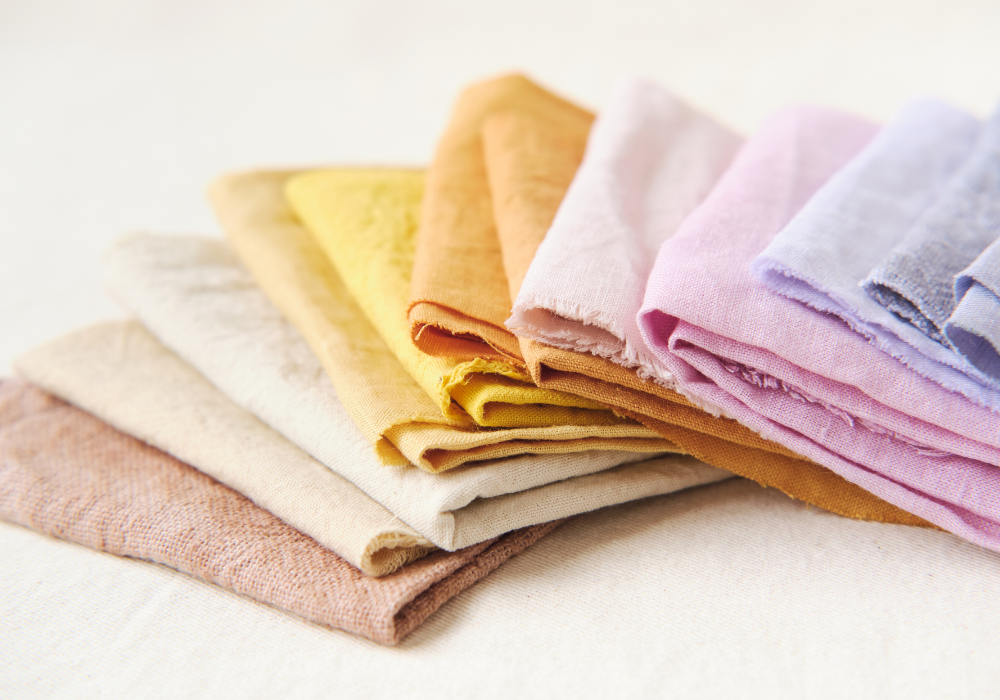
Bamboo sounds like a dream—fast-growing, renewable, low-impact. So why is that bamboo workout set so problematic? Because most bamboo fabric is heavily processed using chemicals to break it down into a soft rayon-like material. That process can be toxic to both workers and the environment if done carelessly—and it often is. Just because something started out as a plant doesn’t mean it stayed pure all the way to your closet. Bamboo is often processed into rayon using toxic chemicals, and the resulting fabric may not retain the qualities of the original bamboo plant.
The greenwashing around bamboo is next-level. Brands slap “sustainable” on bamboo-derived rayon with zero transparency about the factory conditions or chemical handling. In many cases, the workers who turn bamboo pulp into fabric are exposed to harmful solvents without proper protection. So yeah, bamboo grows fast. But so do problems when brands use it as an eco buzzword while hiding what’s really going on behind the stitching and the shiny product page.
4. “Made in the USA” doesn’t always mean made fairly.
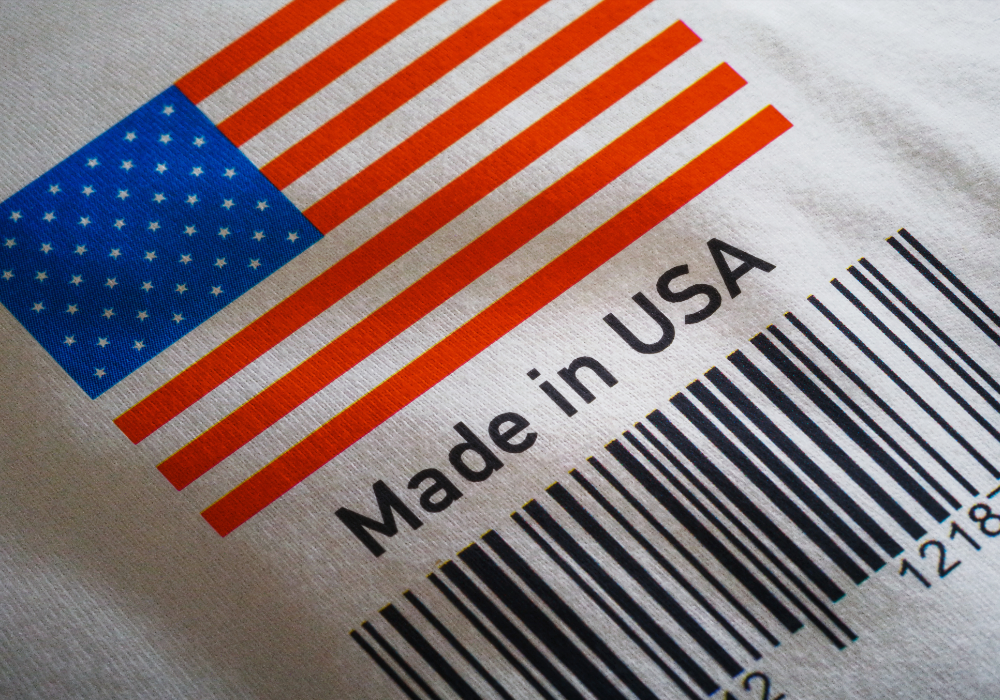
There’s a common assumption that if it’s made in the USA, it must be ethical. But that label doesn’t guarantee fair wages, safe conditions, or even legal compliance. In places like Los Angeles, thousands of garment workers—many of them undocumented—are paid well below minimum wage in underregulated factories that supply trendy “ethical” brands. The tag says USA. The reality looks a lot different.
Brands love this loophole. It lets them market homegrown authenticity while outsourcing the exploitation to overlooked neighborhoods right here at home. Unless a company is transparent about how their workers are treated—and backs it up with certifications or actual wage data—“Made in the USA” is just another way to make shoppers feel good without telling the full story. Geography isn’t morality. Ethics come from how people are treated, not just where a label was stitched.
5. Vegan leather bags are marketed as cruelty-free but often exploit workers.

Vegan leather sounds like a win—no animals harmed, stylish design, and just eco enough to feel good. But most vegan leather is made from plastic-based materials like polyurethane or PVC, which are toxic to produce and polluting to dispose of. And the factories making these trendy bags? They’re often the same ones producing fast fashion accessories under harsh conditions and for very little pay.
“Cruelty-free” shouldn’t stop at animals. If your bag didn’t hurt a cow but was made in a sweatshop where people work in unsafe conditions, is that really ethical? Brands love using vegan leather as a halo term to dodge deeper scrutiny. But unless they’re using plant-based alternatives and disclosing their labor practices, it’s probably just another cheap product wrapped in feel-good branding. Check the material breakdown and the manufacturing details—if they’re missing, that bag’s values might be too.
6. Recycled polyester activewear hides massive microplastic pollution.
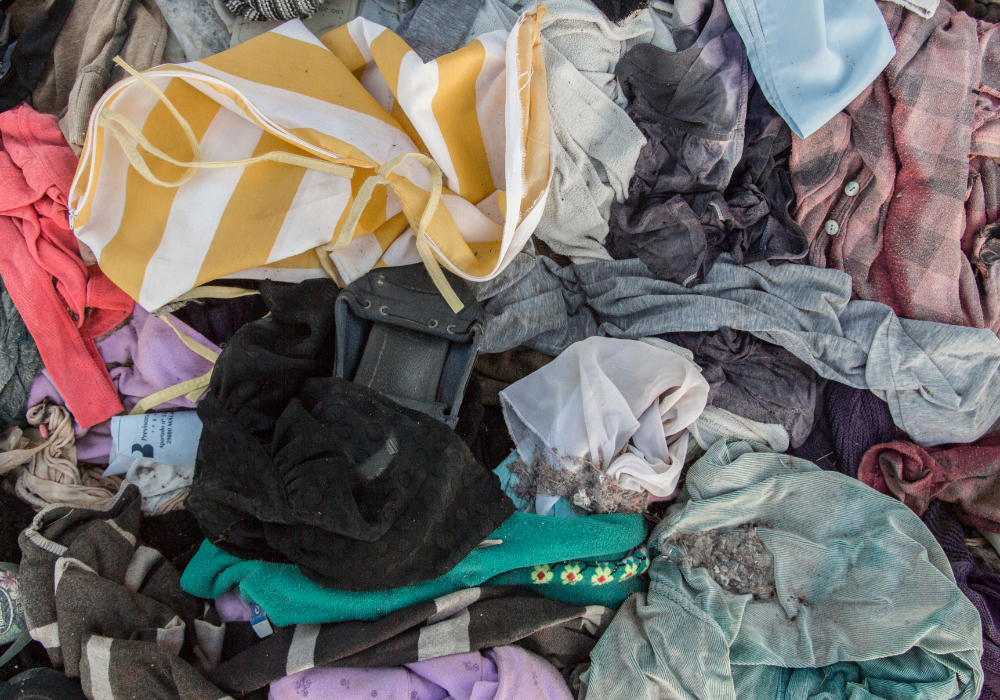
That cute matching workout set made from recycled bottles? It sounds like the ultimate win—saving the ocean and staying on-trend. But here’s the catch: recycled polyester still sheds microplastics every time you wash it. Those tiny fibers don’t get filtered out and end up in waterways, eventually reaching fish, wildlife, and yes, even human bloodstreams. It’s a circular problem pretending to be a circular solution.
Recycling plastic into clothing doesn’t erase its downsides. It just delays them. And while recycled fabrics can reduce demand for new plastic, they still require energy, chemicals, and labor—often in the same factories where exploitation is routine.
Brands using recycled polyester rarely talk about the labor behind the fabric or the pollution it continues to cause after purchase. If sustainability is just about stats and slogans, it’s not real. It’s marketing. And your leggings deserve better.
7. Minimalist capsule pieces can still be mass-produced under bad conditions.

A black turtleneck. A crisp white shirt. A perfectly cut neutral blazer. The capsule wardrobe aesthetic screams slow fashion and intention—but where those pieces come from matters just as much as how many you own. A minimalist look isn’t sustainable if it’s sourced from factories that exploit labor, cut corners on safety, or operate without accountability. Less stuff doesn’t cancel out bad practices.
In fact, the simplicity of capsule collections often makes them easier to mass-produce and sell under the radar of scrutiny. The vibe says ethical. The reality? Just another production cycle built on speed and scale. Real sustainability asks more than “do I need this?” It asks, “who made this?” and “under what conditions?” Because a beige aesthetic doesn’t mean clean hands—and your timeless closet shouldn’t be built on someone else’s exhaustion.
8. “Slow fashion” collections aren’t always as slow as they claim.
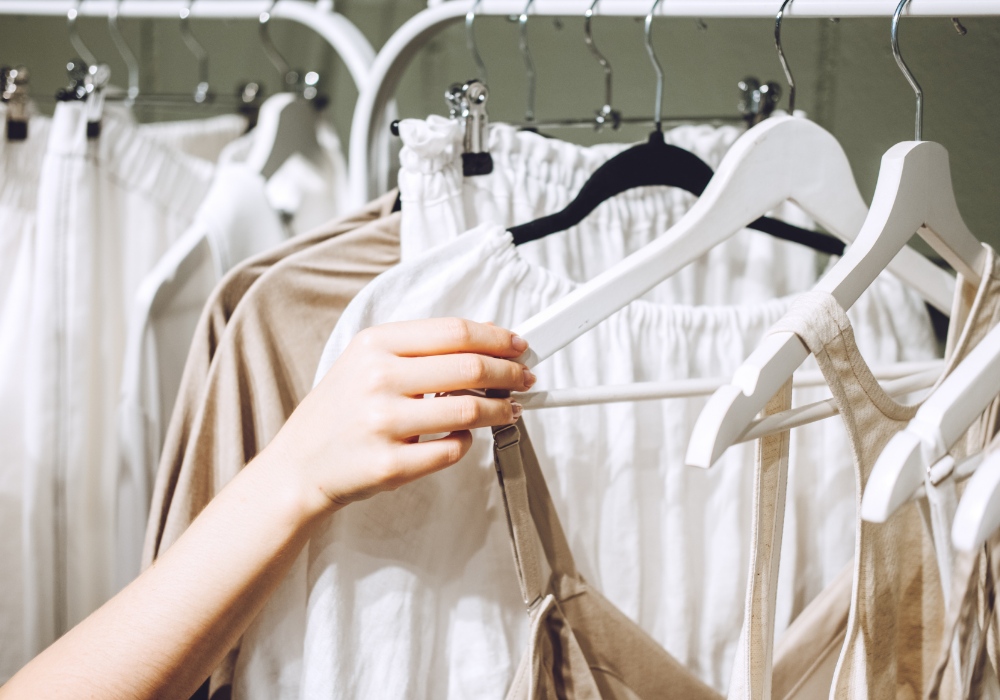
Some brands drop a “slow fashion” line between their usual trend cycles, filled with neutral colors, thicker price tags, and just enough earth tones to feel ethical. But when you dig deeper, the supply chains are just as rushed, the labor conditions just as murky, and the materials not much different from the fast stuff. It’s slow fashion in name only—because slowing down takes more than a clever label.
The reality? If a brand drops new styles every month, it’s not slow. If they can’t tell you where their garments were sewn, it’s not ethical. And if they’re marketing mindfulness while overproducing inventory, it’s not sustainable. “Slow” gets sold as a vibe, but it should be a commitment—to fewer styles, better wages, longer timelines, and real transparency. Otherwise, it’s just another aesthetic bandage over the same old production wound.
9. Natural dye doesn’t matter when labor is unsafe and unregulated.

Natural dyes sound great: no toxic runoff, soft colors, plant-based ingredients. But ethical materials can still come from unethical systems. In countries where labor regulations are loose or unenforced, workers handling even natural dyes can be exposed to dangerous working conditions—think boiling vats, poor ventilation, long hours, and no protective gear. A natural product isn’t safe by default.
Some brands use “plant-dyed” as a shortcut to trust, assuming the word “natural” will cover the rest. But a pretty tag doesn’t prove anything about how the dyeing process works or who’s affected by it. Ask where it was dyed, under what conditions, and by whom. Sustainability should cover the whole process, not just what touches your skin. If the labor is invisible, the ethics are too. It’s not just about what’s in the color—it’s what’s behind it.
10. Artisan-made items get romanticized while the workers stay exploited.

“Handmade by artisans” sounds respectful—like you’re supporting skilled craftsmanship and keeping traditions alive. But too often, it’s just a glossy rebrand of cheap labor. The word “artisan” gets thrown around to sell a story, even when the working conditions are exploitative, the pay is low, and the credit goes to the brand, not the maker.
It’s a feel-good narrative that glosses over power imbalances. Brands use cultural aesthetics and call it empowerment, but don’t offer fair contracts, stable wages, or long-term partnerships. If the makers are barely surviving while the company profits from their skills, it’s not ethical—it’s extraction with a handmade label. Before you buy that “artisan” scarf or embroidered bag, check who benefits. Respecting the craft means paying fairly for it, not using someone’s heritage as a marketing angle.
11. “Eco” fashion lines often come from brands still flooding landfills.
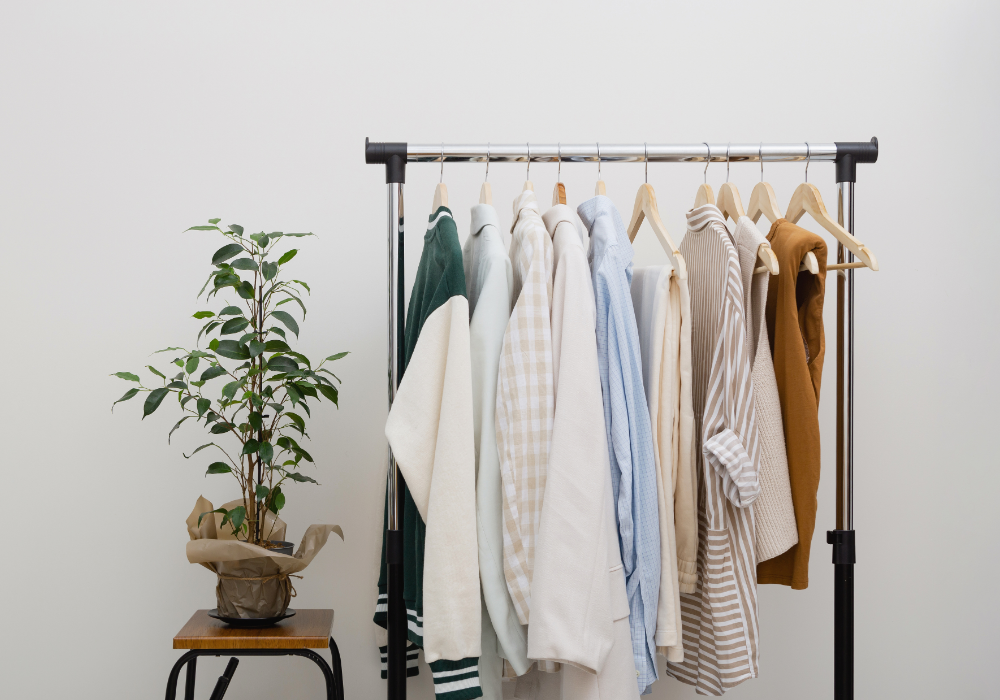
Big brands love launching eco lines to show they’re changing—meanwhile, their core business keeps pumping out thousands of new items every week. One “conscious” collection doesn’t erase mountains of overstock, unsold goods, and wasteful production practices. It’s like dumping a reusable water bottle in a sea of plastic and calling yourself green.
These capsule lines are usually a tiny fraction of a company’s output—designed more for PR than actual impact. And often, they’re made in the same factories, with the same labor issues, under the same pressure to cut costs and pump volume. Slapping an “eco” tag on a polyester dress doesn’t make it sustainable. Real change means overhauling the system, not greenwashing a corner of it. If the brand makes 5,000 items a day, one recycled blouse won’t fix it. Don’t let the “eco” tag fool you—it’s still part of the machine.