
The generational climate clash is bigger than you think.

It’s one thing to argue about music or career choices, but climate change? That’s a whole other battlefield. Younger generations see the climate crisis as a code-red emergency. Their parents, however, often view it as just another issue on an already crowded plate. The divide isn’t just about whether climate change is real—most people (outside of a dwindling few) agree it’s happening. The real friction lies in the solutions.
From the foods we eat to the cars we drive, climate action is riddled with choices that spark family debates at the dinner table. Some parents swear by recycling, while their kids side-eye the weekly Costco-sized plastic haul. One generation might be open to cutting back on meat, while the other refuses to part with their steak dinners. These ideological clashes don’t just shape personal choices—they influence policies, economies, and the planet’s future.
1. Cutting out meat is the easiest way to help the planet.

Older generations tend to see steak as a staple and bacon as practically a food group. Meanwhile, younger people are increasingly turning to plant-based diets, not just for health reasons, but because animal agriculture is a major driver of deforestation, methane emissions, and water waste. According to research by the Food and Agriculture Organization of the United Nations, livestock accounts for nearly 15% of global greenhouse gas emissions, a fact that has climate-conscious eaters ditching beef in favor of oat milk lattes and Impossible burgers.
Studies continue to show that reducing meat consumption leads to a significantly smaller carbon footprint. Even swapping out a few meals a week makes a difference, but longtime meat lovers aren’t convinced a diet shift is necessary because the idea of entirely giving up animal products seems extreme, even when more sustainable and humane options exist. Meanwhile, the young crowd views diet changes as one of the simplest and most immediate ways to reduce personal climate impact.
2. Fast fashion should be canceled.

While some see a $10 t-shirt as a good deal, others view it as a landfill contribution waiting to happen. Clothing production uses massive amounts of water, and synthetic fabrics release microplastics into the environment, but the industry’s low prices and rapid trend cycles make it difficult for consumers to resist.
Rather than buying new, climate-conscious shoppers are opting for thrifting, clothing rentals, and sustainable brands. Shopping secondhand and upcycling have become the new normal, with quality prioritized over quantity. But ditching fast fashion entirely isn’t an easy sell for those accustomed to its convenience. Sustainable fashion still seems expensive, inconvenient, or just unnecessary to a large portion of shoppers. The challenge is that ethical and environmentally friendly clothing often comes at a higher price, which makes it harder to convince older friends and family to make the switch.
3. Electric vehicles are the future—gas cars should be left behind.

Gen Z adults and Millennials are fully embracing EVs, but their parents? They’re probably still reminiscing about their first gas-powered muscle car. One group sees electric vehicles as a climate solution, while the other remains skeptical. Concerns about battery life, high price tags, and—let’s be real—the lack of engine roar hold some back from making the switch.
Some worry that charging infrastructure isn’t reliable enough or that EVs are too expensive for the average consumer, even with government incentives. Despite rapid improvements in technology, plenty of drivers aren’t ready to give up gas.
Meanwhile, those prioritizing sustainability already view gas-powered cars as relics of a bygone era, with their emissions fueling air pollution and global warming. There’s also a generational split on ownership itself—while Gen Z adults see car-sharing services as a viable alternative, older drivers remain attached to the idea of owning a personal vehicle.
4. Flying less is a climate necessity.

Air travel accounts for roughly 2.5% of global CO2 emissions, and frequent fliers are disproportionately responsible for the worst of it. That’s why some are embracing alternative travel options like trains, buses, and even “slow travel” lifestyles that prioritize local experiences over bucket-list country hopping.
Those who grew up in the golden age of airline travel aren’t as eager to cut back. Annual family vacations and dream trips to Europe are traditions they’re reluctant to change. The idea of skipping a flight for the planet’s sake might sound extreme, but with carbon offsets proving ineffective and emissions from aviation growing, the pressure to fly less isn’t going away anytime soon.
There’s also the reality that Boomers and Gen X, having spent decades building financial stability, are now in a position to travel more, while their younger counterparts—burdened with economic instability—see climate-conscious travel as both a necessity and a way to save money.
5. Carbon offsets are a scam.
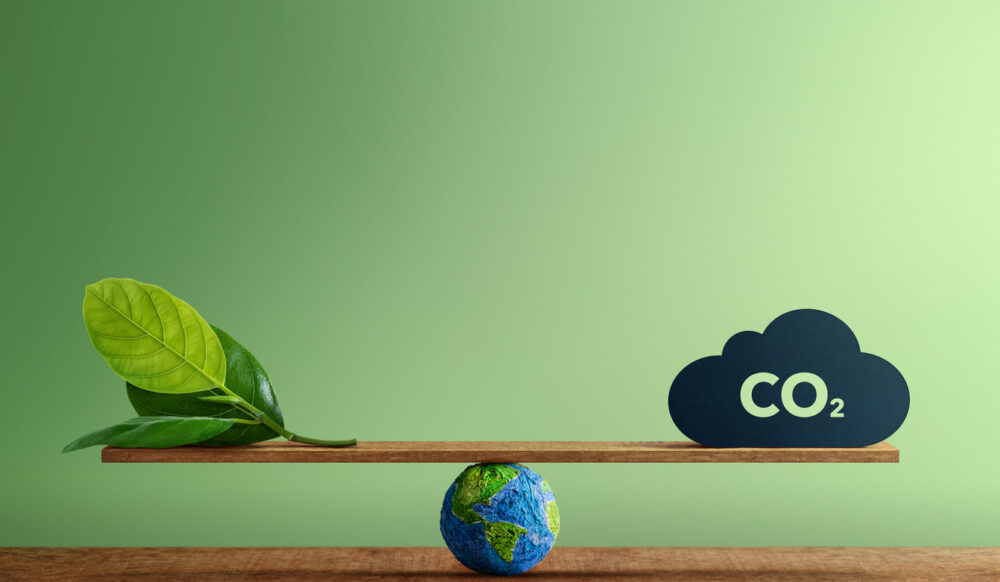
Boomers love a good “set-it-and-forget-it” solution, and carbon offsets fit that bill perfectly. Planting trees, funding renewable energy projects, or investing in carbon capture programs sounds like an easy way to neutralize emissions. The kids, however, are calling out the reality—most carbon offsets don’t actually work. A huge percentage of these programs fail to deliver long-term benefits, and many are just corporate greenwashing.
Rather than relying on offsets, climate activists are pushing for real systemic change—like reducing emissions at the source. That means flying less, cutting consumption, and holding corporations accountable. In the minds of the younger generation, the focus isn’t on undoing damage—it’s on preventing emissions in the first place.
6. Recycling isn’t the climate solution people think it is.

For decades, recycling has been promoted as a simple, feel-good way to help the planet. The reality, however, is far less effective than most people assume. Only about 9% of plastic waste ever produced has been properly recycled, with the rest ending up in landfills, incinerators, or polluting the ocean.
Despite widespread belief in its benefits, recycling alone isn’t enough to address the scale of the waste crisis. Gen Z and Millennial adults are increasingly shifting their focus to waste reduction instead of relying on recycling systems that don’t work. Reusable alternatives, refill stations, and package-free shopping are becoming more popular, but older consumers often stick to familiar habits. Some still assume that tossing plastics into the blue bin is enough to make a difference, unaware that most of it won’t actually be processed. Until large-scale change happens, the debate over whether recycling is a solution or just a well-intentioned illusion will continue.
7. Minimalism and anti-consumerism are key to sustainability.

Growing up in post-war economic booms, earlier generations were encouraged to embrace consumer culture, equating success with bigger houses, more cars, and an ever-growing list of material possessions. Today, younger generations are challenging that mindset, seeing overconsumption as a climate disaster. The production, transportation, and disposal of goods create massive carbon footprints, contributing to deforestation, pollution, and excess waste.
Younger people are embracing the idea that owning less and buying intentionally leads to a more sustainable and fulfilling lifestyle. Their parents and grandparents, however, often struggle to understand why anyone would willingly downsize or reject the accumulation of material wealth. To them, having more has always been a sign of financial security. But as younger people push back against consumer-driven excess, conversations about sustainability are becoming increasingly tied to shifting cultural values.
8. Ditching gas stoves is a climate and health win.

Gas stoves have long been considered the gold standard for home cooking, but new research suggests they come with serious environmental and health risks. Even when turned off, they leak methane—a powerful greenhouse gas—into the atmosphere.
Despite this, the transition to induction or electric stoves remains controversial. Some home cooks argue that nothing can replace the precision and power of an open flame, while some believe electric alternatives are inferior. Meanwhile, younger generations are more willing to make the switch, seeing it as both a practical and necessary step for the planet.
9. Big corporations—not just individuals—need to take responsibility.
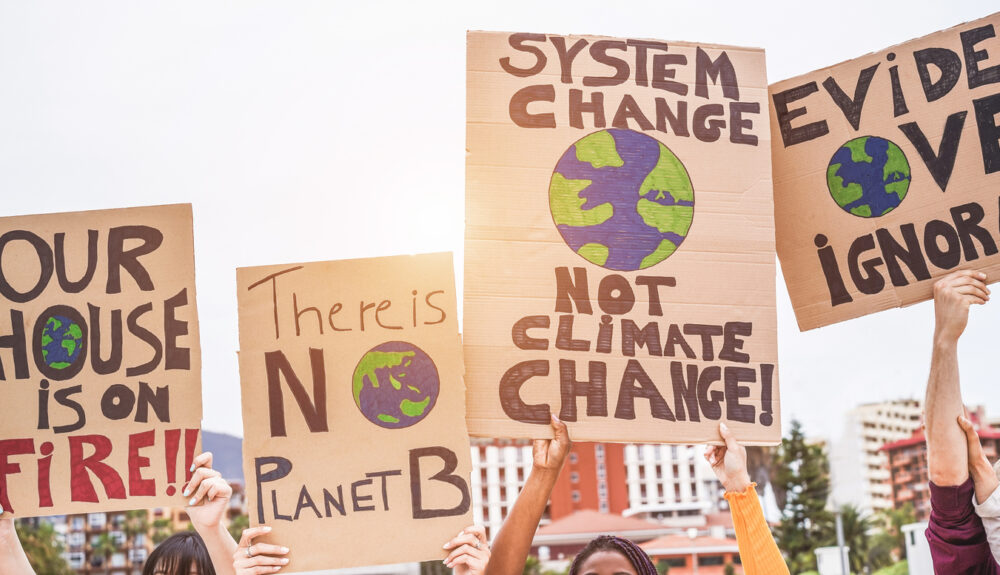
For years, climate action has been framed as an issue of personal responsibility: drive less, recycle more, take shorter showers. But young folk are pushing back against this narrative, arguing that individual efforts won’t be enough when just 100 companies are responsible for 71% of global emissions.
Shifting the focus to corporate accountability has become a priority for climate activists who recognize that systemic change is necessary. Those who grew up with messaging that emphasized small personal actions often resist this shift in thinking and still believe that reducing personal waste or switching to energy-efficient appliances is the most effective way to combat climate change. Younger activists, however, see this as a distraction from the real issue: the unchecked pollution and exploitation caused by massive corporations.