
New discoveries reveal surprising truths behind legends once dismissed as pure fantasy.
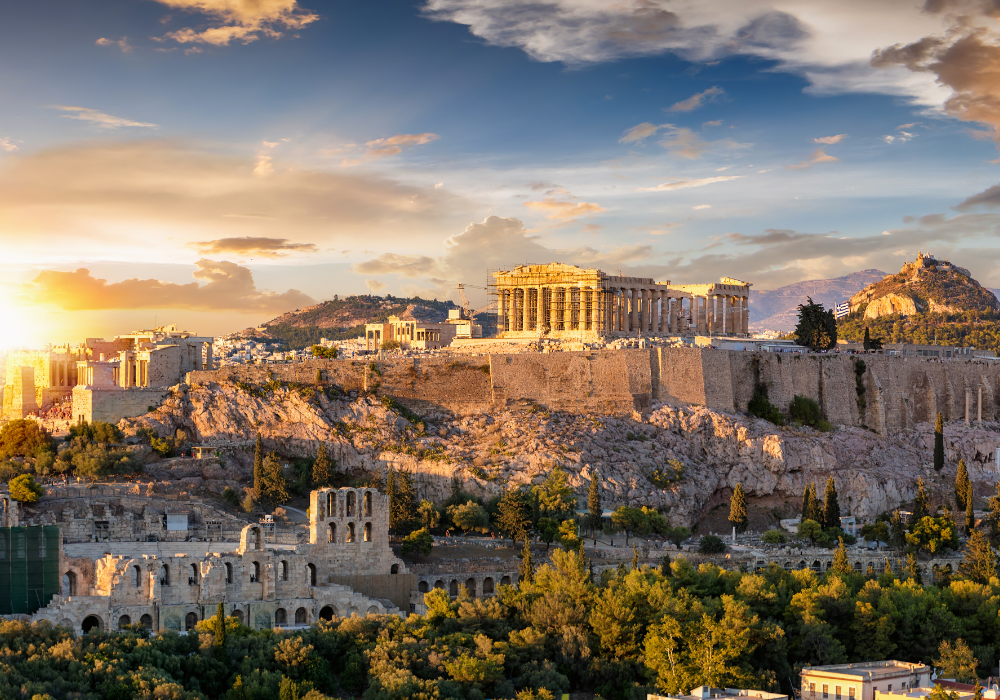
Ancient myths have long captivated imaginations with tales of gods, heroes, and lost civilizations. Recent archaeological work has revealed evidence that supports the historical basis of some of these stories. From excavation sites to ancient artifacts, these findings offer insights into how myths intersect with real events and places. Understanding this connection enriches our appreciation of cultural heritage and the enduring power of these legends.
1. The existence of Troy aligns with archaeological ruins found in modern Turkey.
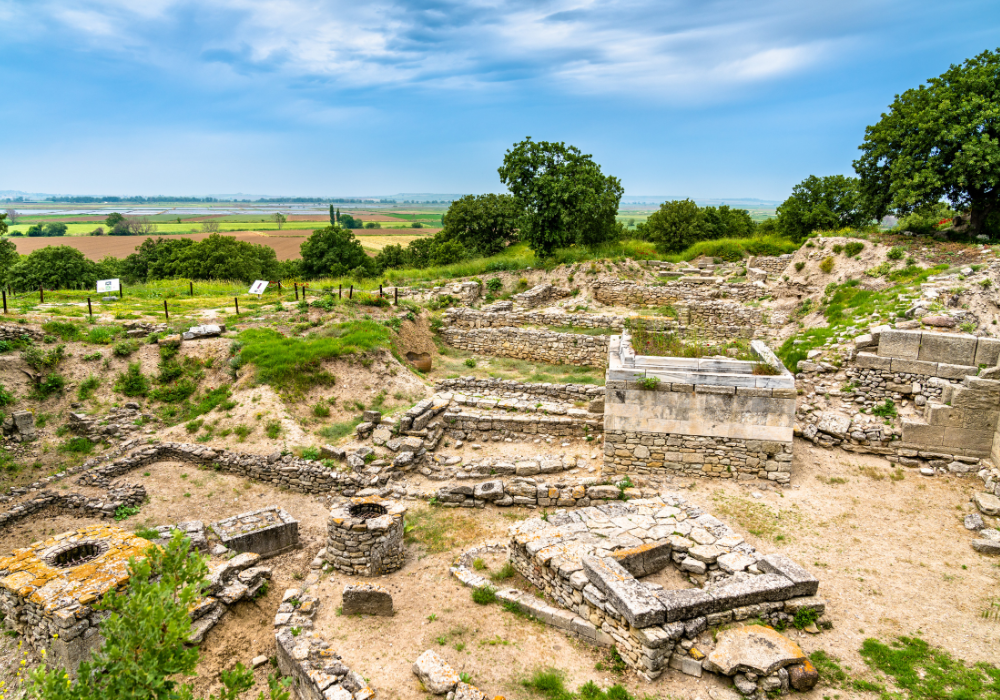
Archaeologists have uncovered extensive ruins in modern Turkey that have been identified as the ancient city of Troy. These findings align with Homeric accounts, suggesting the city was more than mere legend. Walls and artifacts corroborate the tale of a real city.
The existence of Troy bridges myth and history, offering a tangible foundation for the epic stories that have captivated imaginations for centuries. Though excavations might not prove every detail of the myth, the physical remains provide a compelling glimpse into Trojan life and lore.
2. Evidence of the great flood appears in ancient Mesopotamian flood layers.
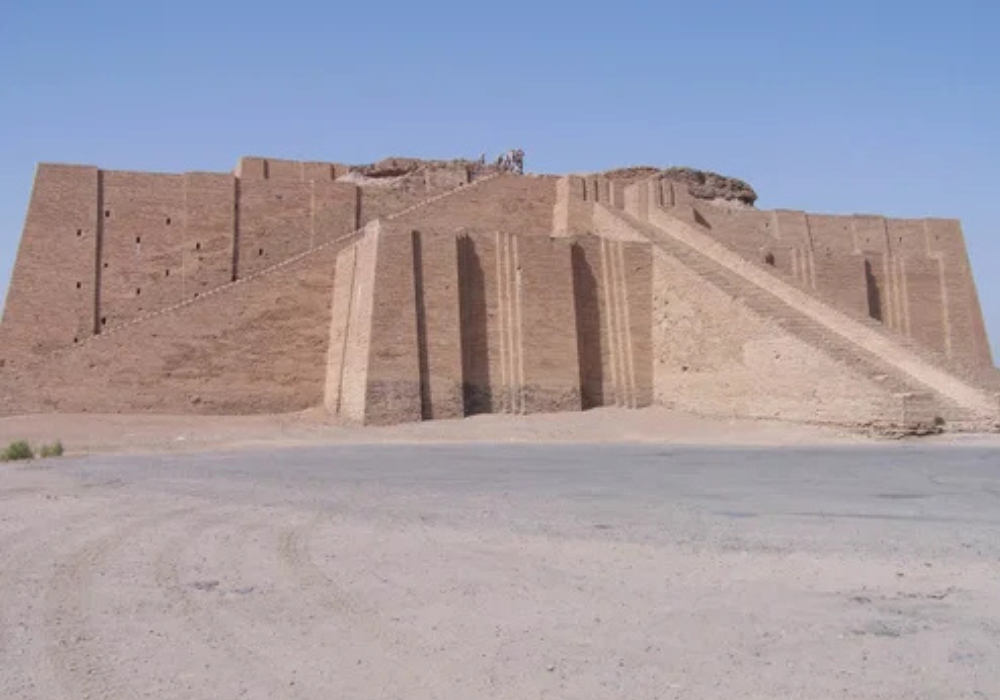
Layers of sediment in ancient Mesopotamia lend credence to the myth of a great flood, documented in various cultural texts. These layers suggest large-scale flooding events occurred, potentially inspiring tales like those in Gilgamesh and even biblical accounts.
While the flood story is rich in symbolic meaning, it also reflects ancient peoples’ experiences with catastrophic natural events. Such sedimentary evidence does not confirm every aspect of these myths but highlights environmental phenomena that shaped regional narratives.
3. Archaeological finds support the legend of the hanging gardens’ possible location.
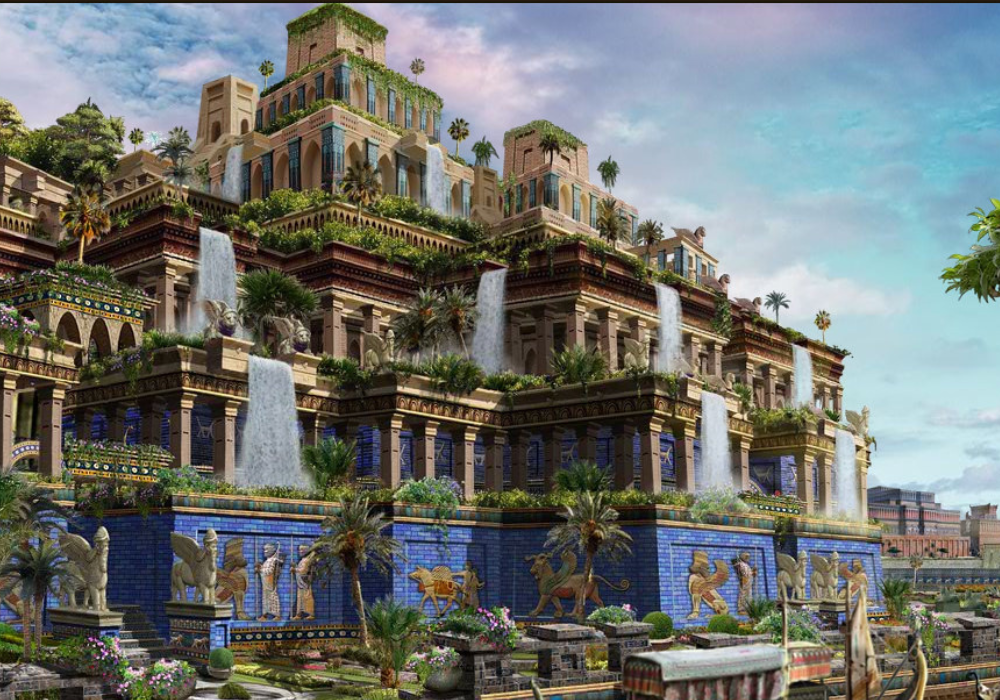
The fabled Hanging Gardens, one of the Seven Wonders, have sparked considerable debate and intrigue. While their exact location remains elusive, archaeological finds in Babylon propose a setting that matches historical descriptions, with remnants of irrigation and terraces.
These remnants suggest that, whether or not the gardens existed as described, the legend might stem from genuine structures that captivated ancient visitors. Such landscapes reflect the innovation and grandeur associated with Babylonian society, enticing the imagination with possibilities of ancient splendor.
4. The legend of King Arthur parallels with early medieval artifacts in Britain.
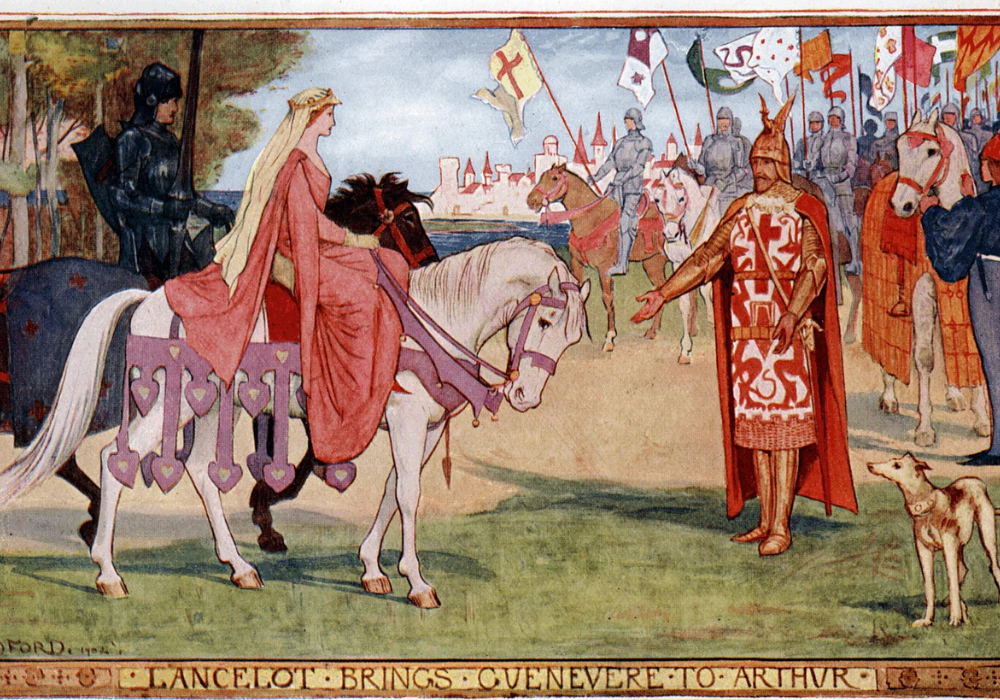
Artifacts from early medieval Britain offer parallels to the legend of King Arthur. Objects such as iron weapons and hill fortifications evoke images of the era romantically linked with Arthur’s legendary reign, suggesting historic warriors may have inspired the tales.
Though these finds do not prove the existence of a lone king or his court, they situate the Arthurian legend within a context of historical conflict and social change. The material culture of the time amplifies understanding of the societal transformations that may have spawned enduring myths.
5. Discoveries of ancient cities affirm the myth of Atlantis’s possible inspiration.
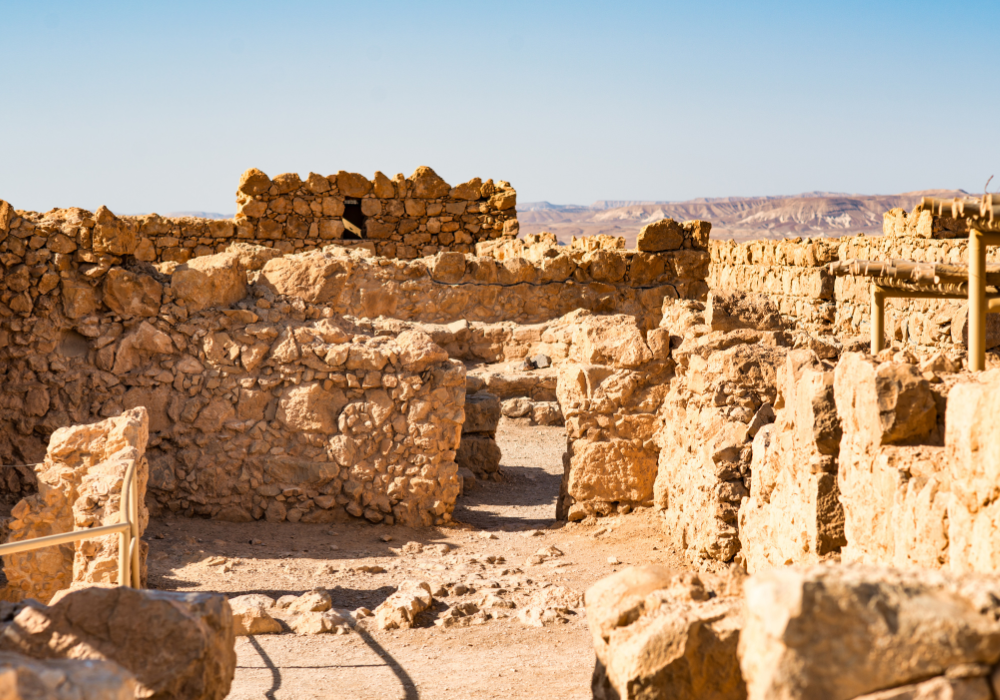
The enduring myth of Atlantis has sparked countless theories about its origins. Discoveries of ancient cities beneath the sea, like those near Crete, suggest stories of advanced civilizations may stem from these now-submerged locales.
While Atlantis as described by Plato might not precisely align with any single find, tales of powerful, lost civilizations could have originated from collective memories of real catastrophes. Submerged ruins reinforce this idea, connecting mythological narratives to ancient geological events.
6. Archaeologists uncovered burial sites linked to the pharaohs of Egyptian lore.
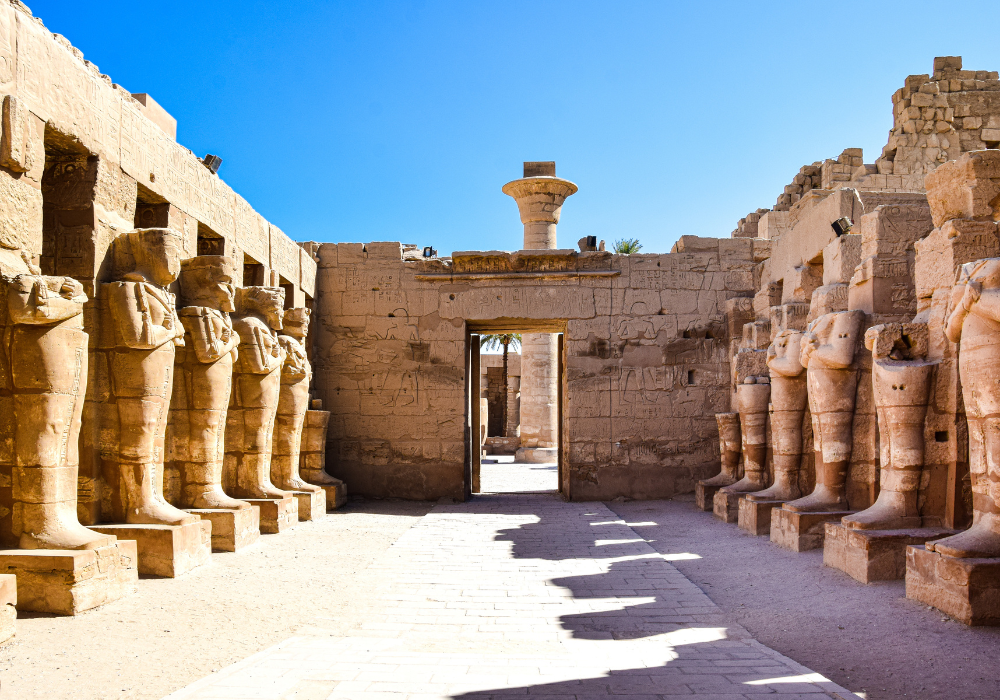
Excavations in Egypt have revealed burial sites that correlate with pharaonic legends. These sites, adorned with hieroglyphics and burial treasures, mirror the grandeur depicted in ancient narratives, shedding light on the lives and governance of those who inspired Egyptian lore.
While not every mythic detail aligns with reality, the grandeur of these tombs offers a glimpse into the divine status of the pharaohs. They bridge the gap between myth and history, allowing for a richer appreciation of Egyptian cultural heritage and spiritual beliefs.
7. Ruins in Central America support the historical basis of Mayan creation myths.
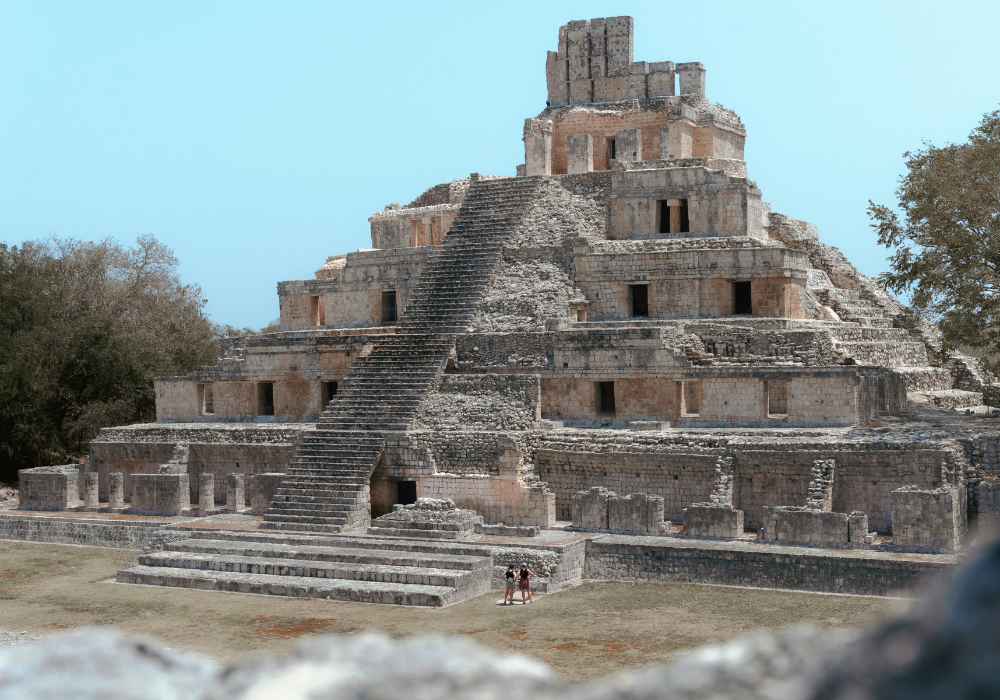
Ruins found throughout Central America support aspects of Mayan creation myths, written in the Popol Vuh. Archaeologists uncovering ceremonial structures and artifacts find links to stories of gods and creation, reflecting the mythical religious landscape that informed everyday life.
Though these myths are deeply allegorical, they are rooted in the Mayan understanding of their universe. The physical structures offer insights into the cultural priorities and spiritual beliefs woven into their narratives, illustrating the complex interplay between mythology and life.
8. Ancient texts and remains confirm the existence of the biblical city of Jericho.
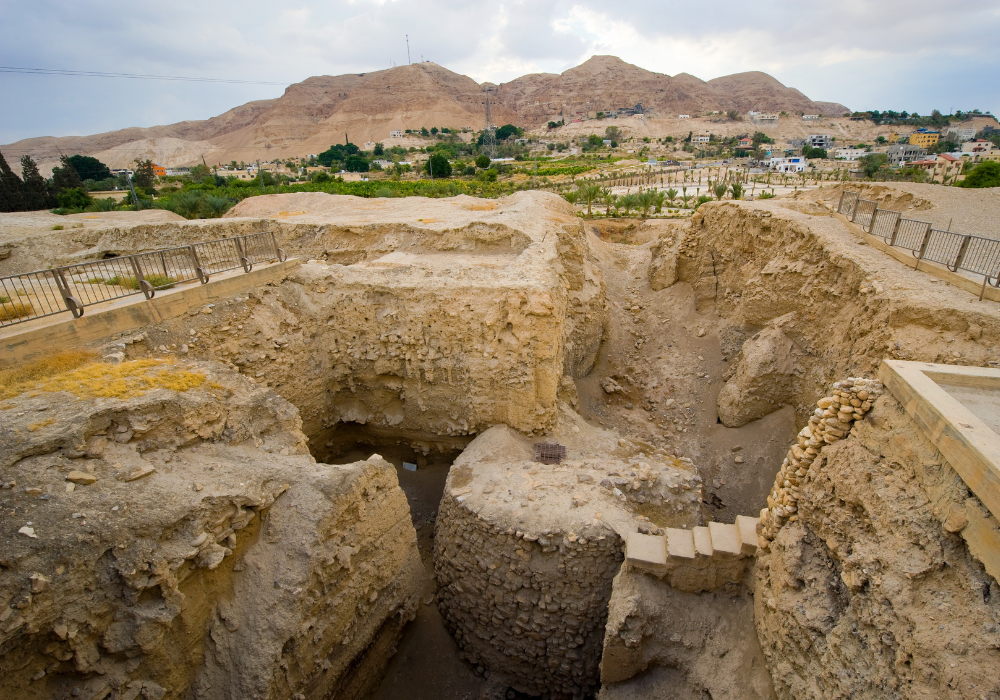
The biblical city of Jericho, famed for its walls, finds its confirmation through ancient texts and archaeological remains, including layers of fortification that align with its legendary status. These findings demonstrate Jericho’s historical significance in the ancient Near East.
Though the biblical narrative offers a dramatized account, the city’s real existence is indisputable. As one of the oldest continuously inhabited cities, Jericho serves as a critical intersection of myth, history, and archaeological endeavor, enriching biblical stories with grounded reality.
9. Excavations reveal artifacts matching descriptions in Homer’s Odyssey narrative.
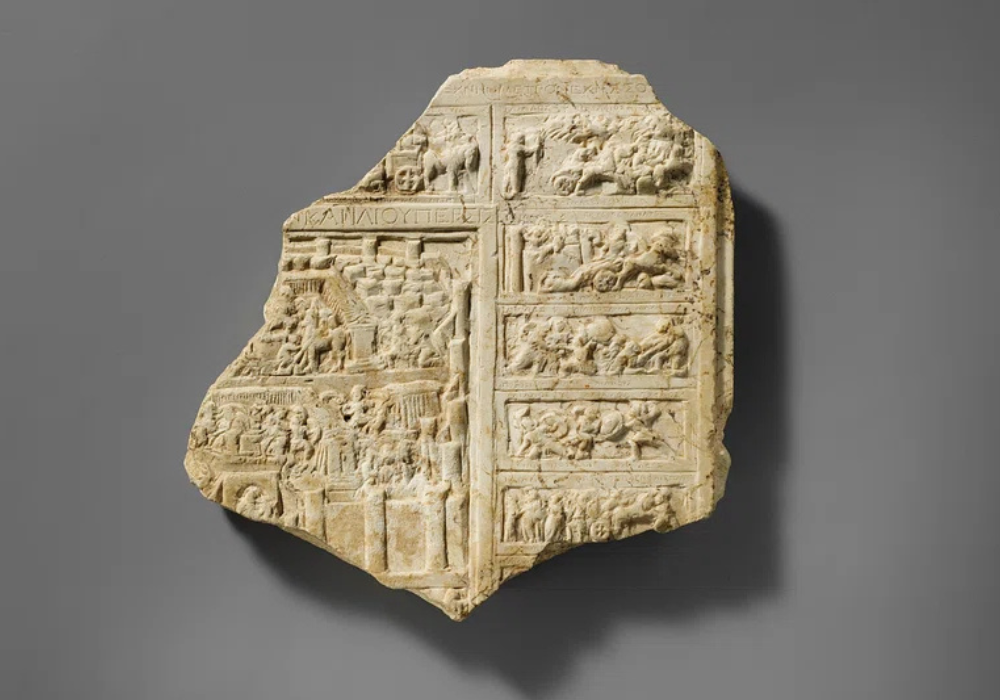
Artifacts matching descriptions in Homer’s Odyssey have been unearthed in locations like Pylos and Ithaca. These items, including pottery and building ruins, support the idea that real events and places inspired the epic’s imaginative tales of heroes and voyages.
Although the Odyssey combines mythical elements with historical observations, these finds connect narrative threads to possible historical anchors. The blend of fact and fiction highlights how ancient stories evolved from cultural memory and geographical familiarity, leaving a legacy of wonder and intrigue.
10. Findings of Iron Age settlements validate legends from Norse mythology.
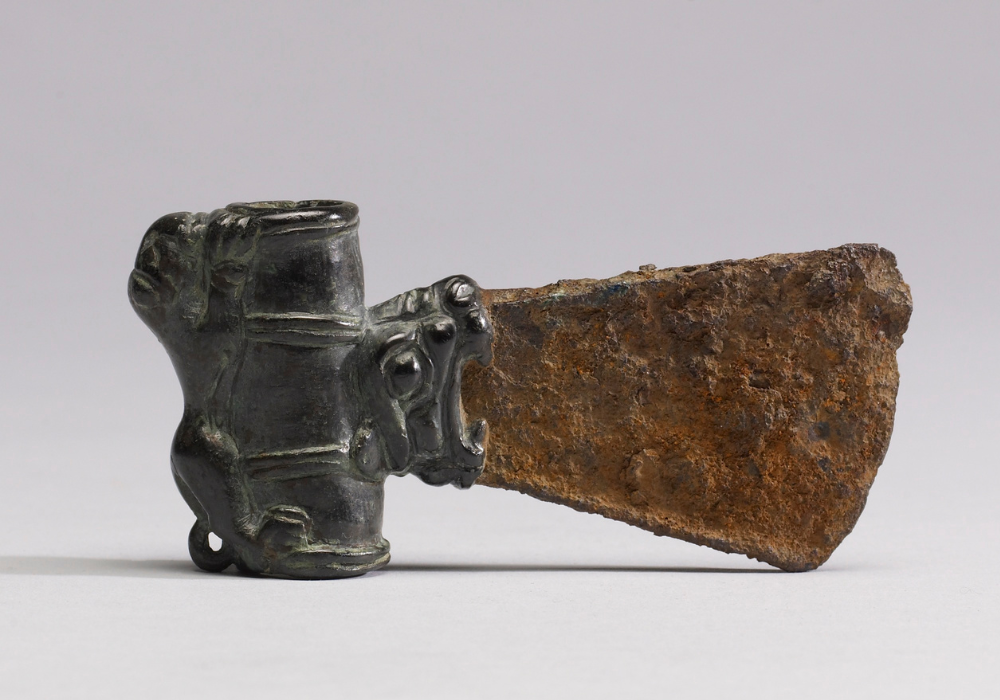
Iron Age settlements unearthed in Scandinavia validate legendary elements of Norse mythology. These findings include weapons and longhouses, echoing the sagas’ depictions of Viking life and warfare, suggesting historical accuracy for some mythic portrayals.
While the myths captivate with their supernatural stories, the artifacts anchor them to tangible cultural contexts. The correlation between finds and legends sheds light on the social structures and heroic ideals that shaped Norse physical and literary landscapes across generations.
11. The discovery of ancient temples correlates with stories of Greek gods.
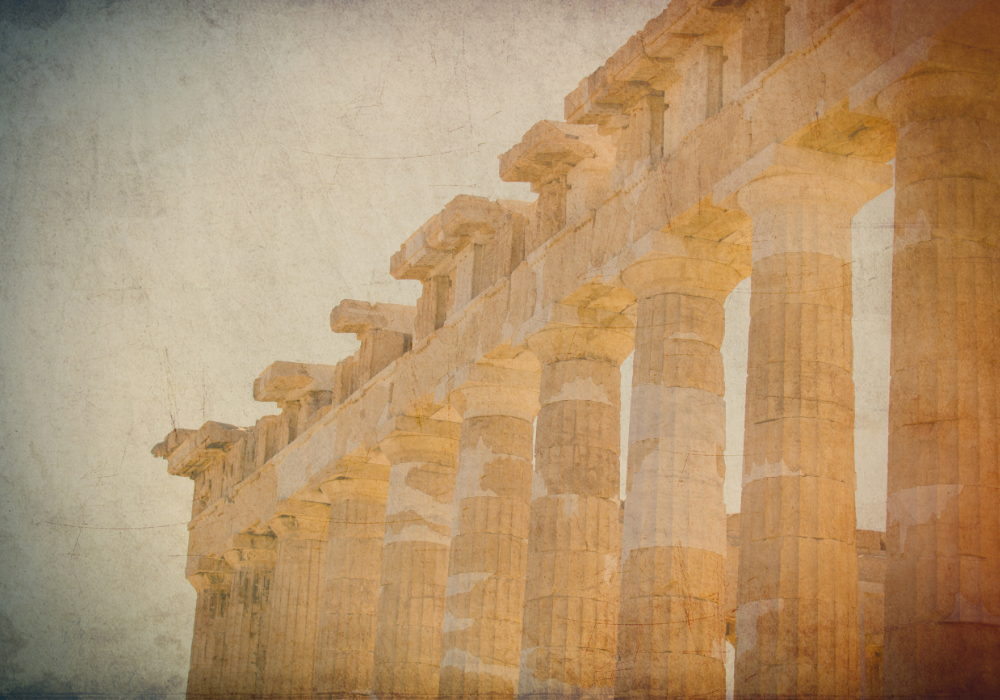
Discoveries of ancient temples in Greece validate stories of the Greek gods central to the Hellenic world. These temples, rich with intricate sculptures and decorative artifacts, align with architectural features described in mythological texts, confirming the gods’ cultural ubiquity.
While myths endow these deities with superhuman qualities, the temples reflect their societal roles and religious importance. Such structures highlight the intertwining of belief and physical artifice, cultivating a deep appreciation for the mythological influence that guided ancient Greek civilization.