
What nature creates without us is often the most breathtaking of all.
We like to frame nature in soft pastels and sweeping views—cherry blossoms, calm lakes, golden-hour hills. But wild nature doesn’t always aim to be beautiful. Sometimes it’s harsh, asymmetrical, or even hostile. It’s full of cracked rock, boiling water, crooked trees, and animals that would rather not be seen. These places don’t exist to please anyone. And maybe that’s the point.
Some of the most powerful landscapes on Earth aren’t tidy or tranquil—they’re jagged, raw, and bursting with energy. You can’t manicure a volcanic field. You can’t make tundra symmetrical. And when you stop expecting perfection, the land starts to speak for itself. It tells stories of survival, chaos, resilience, and deep time. These places don’t care if you find them beautiful. But once you witness them, it’s hard to look away.
1. Kamchatka, Russia is where volcanoes shape everything.
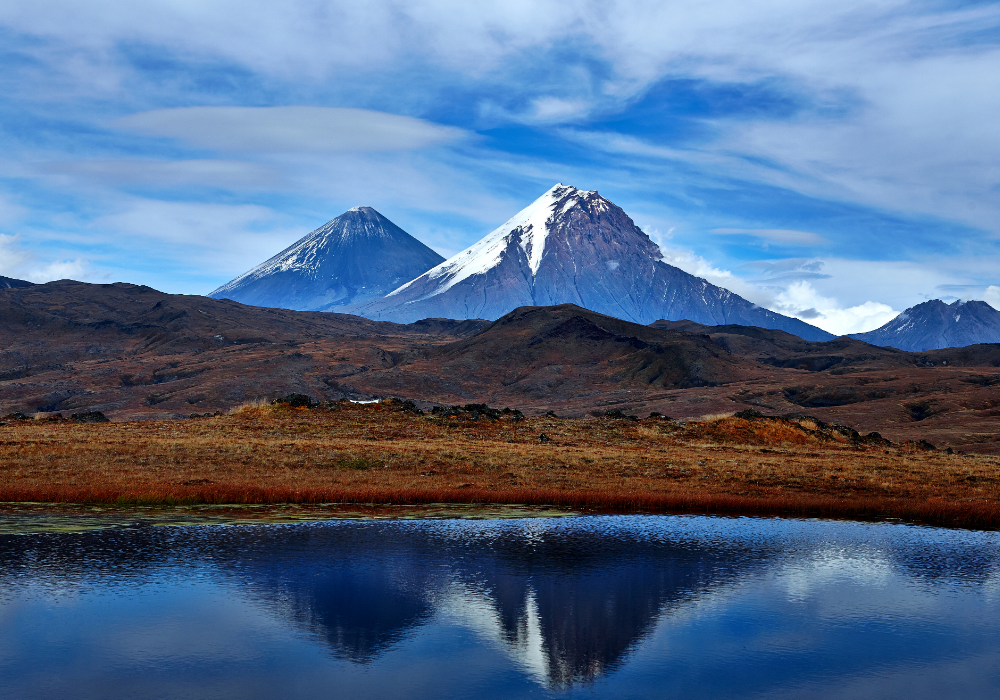
This far eastern peninsula looks like the Earth forgot to finish forming it. Towering volcanoes, steaming vents, boiling lakes—it’s always shifting, always rumbling. Kamchatka has over 300 volcanoes, 29 of them active. Lava reshapes the land regularly, leaving behind scarred valleys and ash-covered forests. There’s no soft welcome here. Earthquakes are common, infrastructure is sparse, and some areas are only accessible by helicopter. But the wildness is magnetic. Brown bears roam freely, geysers erupt from the ground, and fumaroles hiss across black rock slopes. It’s the kind of place that reminds you the planet is alive—and that it doesn’t mind making that known.
2. The Danakil Depression in Ethiopia barely feels like Earth.
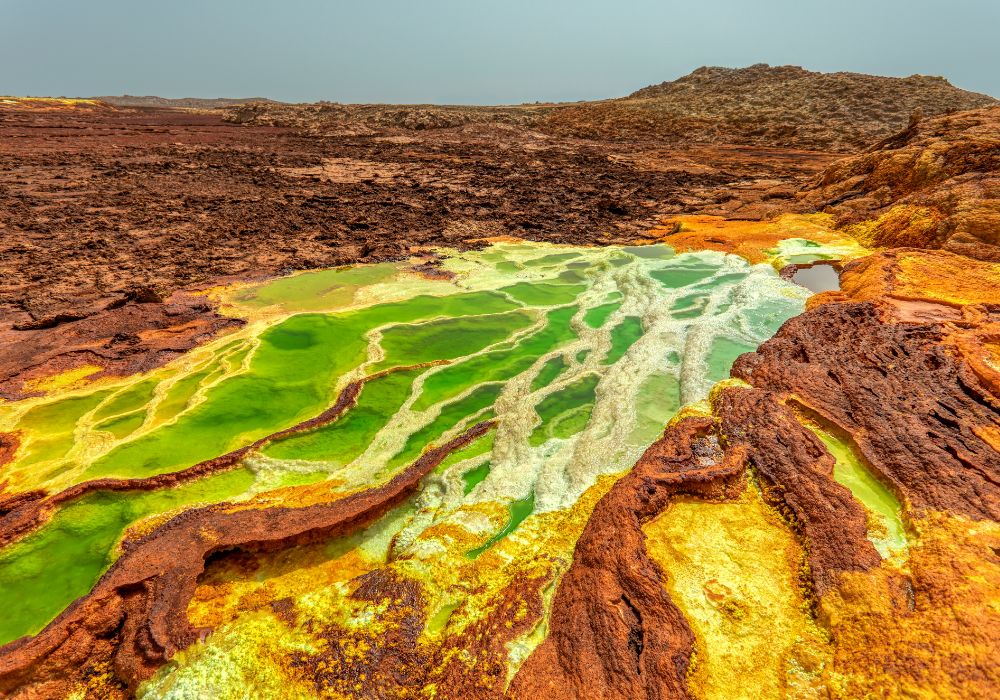
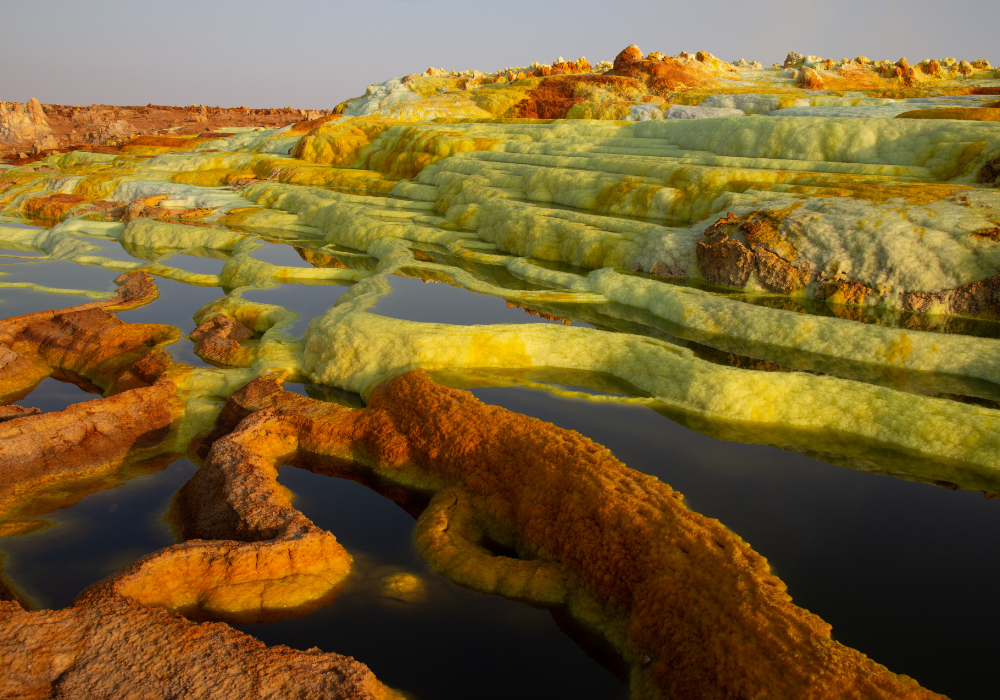
Located where three tectonic plates meet, the Danakil Depression is one of the hottest, driest, and lowest places on the planet. Temperatures often exceed 120°F, and the landscape looks more alien than earthly—sulfur lakes, acid pools, salt flats, and neon-colored mineral deposits stretch for miles. The terrain is so extreme it’s often used as a Mars analog by scientists. Very few people live here, and the ones who do have adapted to some of the harshest conditions imaginable. It’s not scenic in any traditional sense. But the strangeness, the color, the sheer defiance of life—it’s unforgettable.
3. Alaska’s Gates of the Arctic isn’t trying to be welcoming.
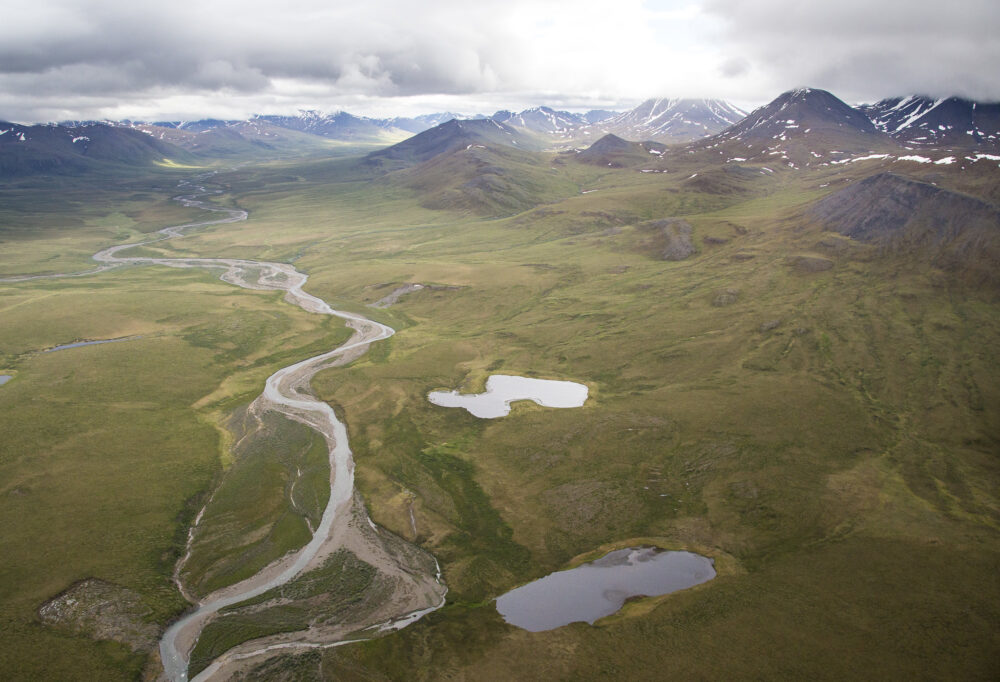
No roads, no trails, no campgrounds—just six million acres of wild, untouched land above the Arctic Circle. This is one of the least-visited national parks in the U.S., and it’s easy to see why. You can’t drive in. You have to fly, hike, or paddle. And once you’re there, it’s just you, the mountains, the rivers, and whatever weather decides to show up. Caribou migrate through, grizzlies wander undisturbed, and the landscape shifts between alpine ridges, tundra plains, and glacial valleys. It’s remote, demanding, and unapologetically raw. The kind of place that doesn’t care if you’re ready. It simply exists—and expects you to catch up.
4. Bolivia’s Salar de Uyuni feels like a broken mirror left in the sky.
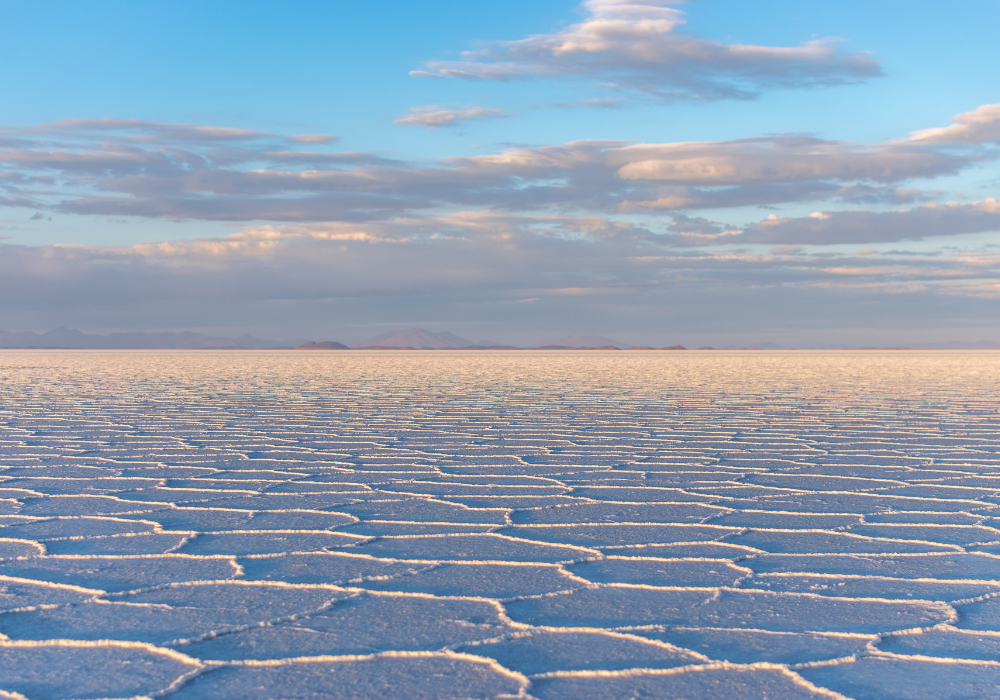
This salt flat—the largest in the world—was once a prehistoric lake. Now, it stretches endlessly in every direction, a cracked white crust that reflects the sky so perfectly it looks surreal. During rainy season, a thin layer of water turns the entire landscape into a mirror. In dry season, it’s a vast expanse of patterned salt tiles. It’s dazzling, but also disorienting. There’s no shelter, no sound, no sense of scale. The brightness can burn your eyes, and the elevation (over 12,000 feet) steals your breath. It’s not a comfortable place. But it forces you to see beauty on a different wavelength—harsh, stark, and stripped of softness.
5. Iceland’s Highlands feel like the planet mid-transformation.
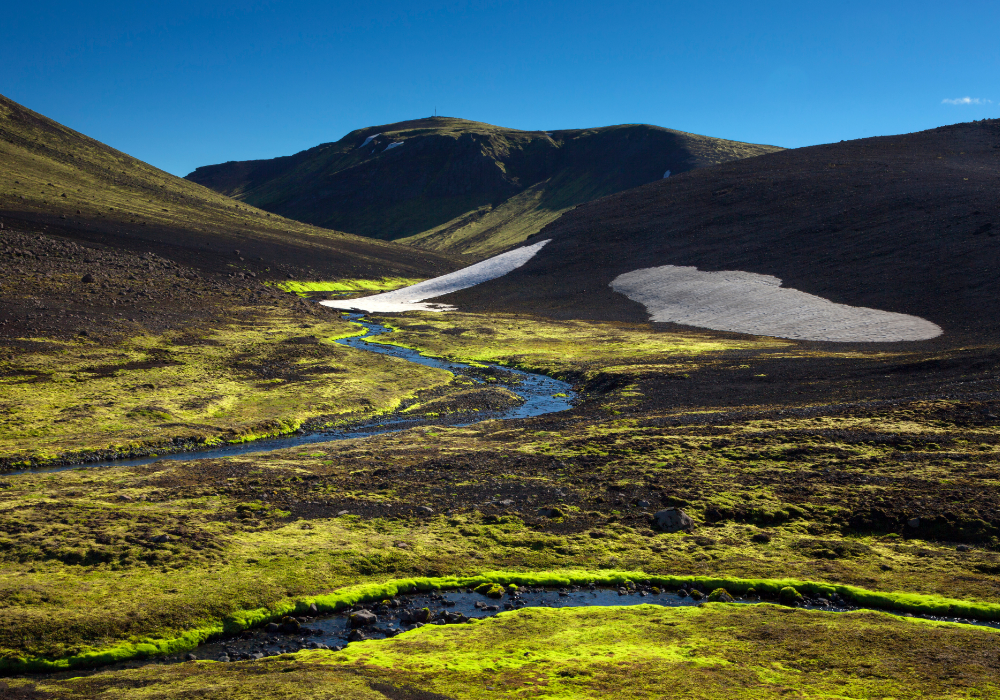
Here, the land looks like it’s still becoming itself—lava fields stretch for miles, rivers cut deep gorges, and moss clings to stone like the first sign of life. There’s not much green, not many trees. Just black rock, steaming earth, and skies that change by the minute. The Highlands sit at the heart of Iceland, inaccessible much of the year due to snow and flooding. When passable, they reveal a landscape in flux: glacial melt carving new paths, geothermal vents painting hills in reds and yellows, wind sweeping across vast nothingness. It’s not serene. It’s elemental. And it doesn’t need to be tamed to be unforgettable.
6. Socotra, Yemen looks like it belongs on another planet.
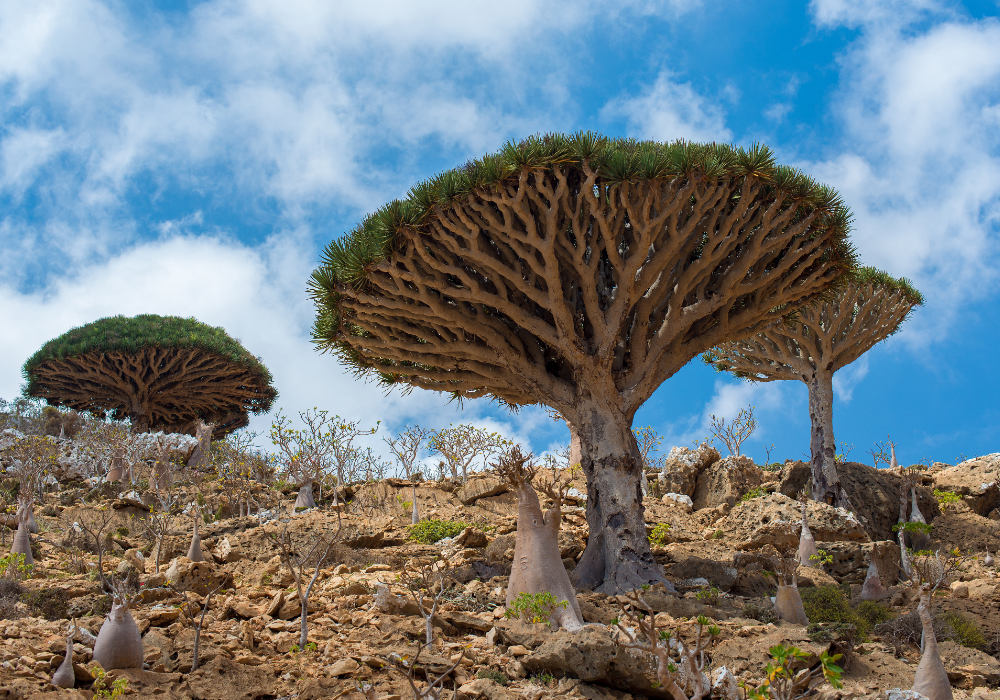
This remote island in the Arabian Sea is home to plant life found nowhere else on Earth—most famously the dragon’s blood tree, with its umbrella-shaped canopy and red sap. The landscape feels ancient and eerie, shaped by isolation and extreme climate. Twisted succulents, limestone plateaus, and windswept cliffs give the island a surreal quality, as if it never got the memo on what Earth is supposed to look like. Harsh sun, dry winds, and limited freshwater make it a challenging place to live, but that’s what allowed it to stay so biologically unique.
7. The Skeleton Coast in Namibia is where the desert meets the dead.
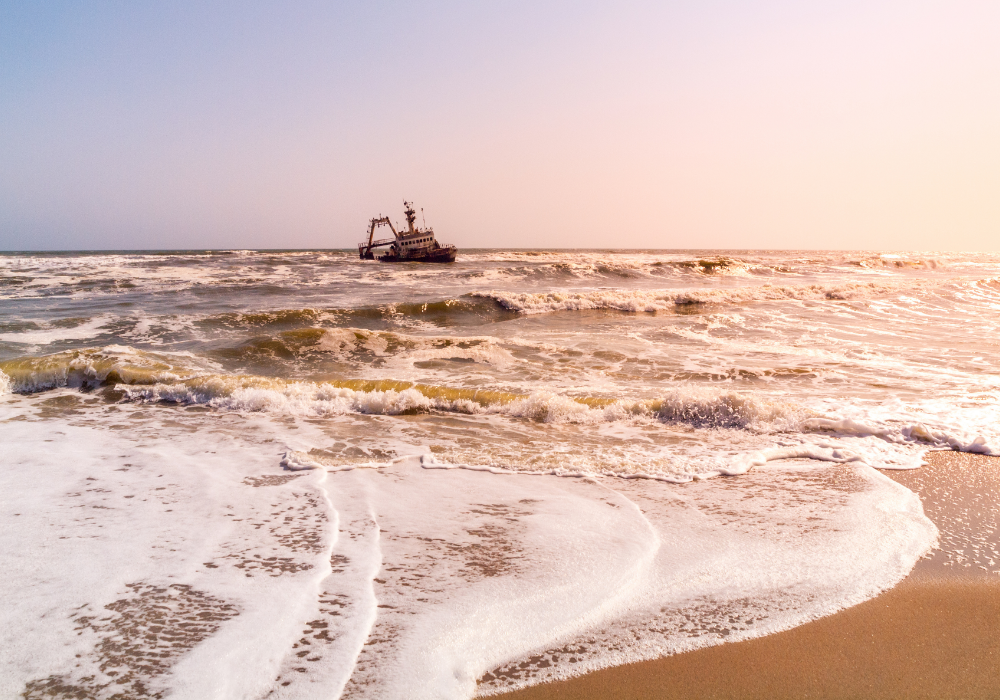
Here, waves crash into desert dunes, fog rolls in from the sea, and rusted shipwrecks scatter the shore like bones. It’s beautiful, but not in a comforting way. The coast gets its name from the whale bones and wreckage that line the sands—remnants of danger, not leisure. Strong winds, shifting sands, and unpredictable currents have made this coastline notoriously unforgiving. Wildlife like lions and seals still roam here, but so do the ghosts of explorers who didn’t make it back. It’s remote, brutal, and endlessly fascinating.
8. Chile’s Atacama Desert feels like a place Earth forgot.
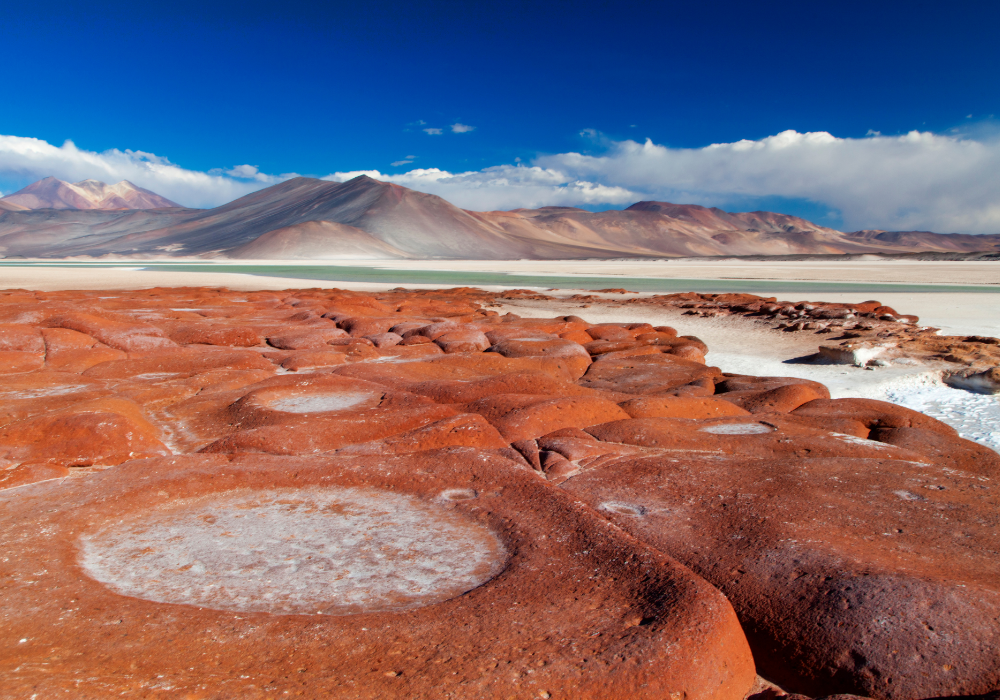
As the driest non-polar desert in the world, parts of the Atacama haven’t seen rain in centuries. The soil is so barren it’s used to test Mars rovers. And yet, life finds a way here—lichens cling to rock, flamingos feed in salty lagoons, and star-gazers flock to its cloudless skies. The landscape is mostly silence, stone, and salt. It doesn’t offer comfort or color the way other deserts do. But that starkness has its own strange draw, especially at night, when the Milky Way cuts through the sky with startling clarity.
9. New Zealand’s geothermal zones feel like the Earth is breathing.
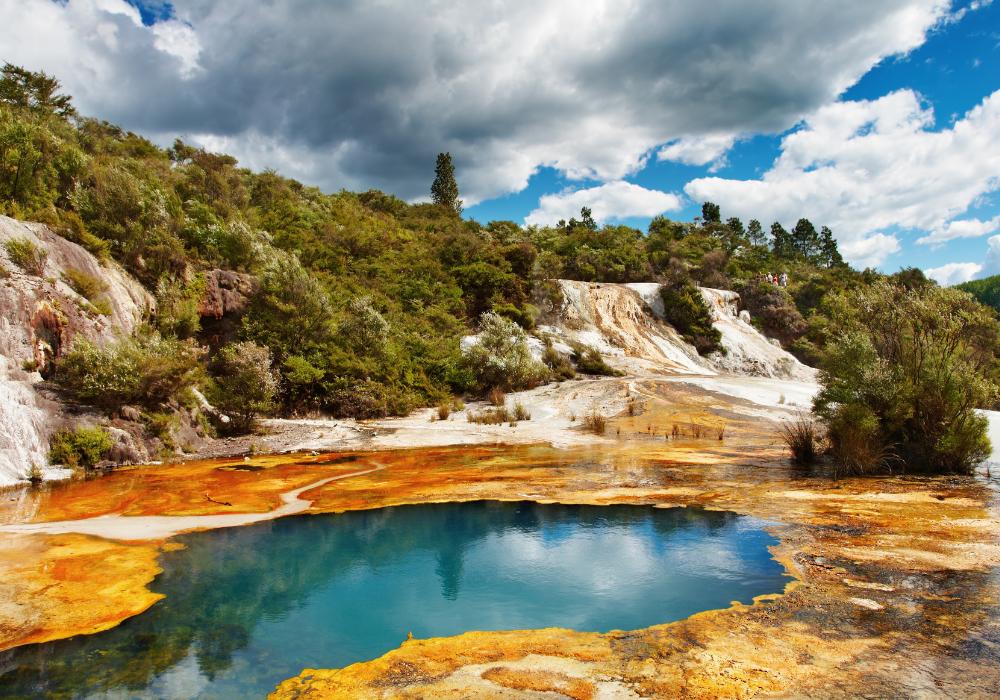
Places like Rotorua and Taupo are full of bubbling mud pools, steaming vents, and rainbow-colored hot springs. The ground hisses, pops, and belches sulfur-rich steam. It’s beautiful, but in a way that feels unstable—as if the Earth is exhaling and could inhale at any moment. The colors come from mineral deposits, not plants, and the smell of sulfur clings to everything. It’s a sensory overload that reminds you how thin the line is between land and heat, surface and fire. Nature here doesn’t sit still—it simmers.
10. Patagonia’s windswept plains strip everything down to the essentials.
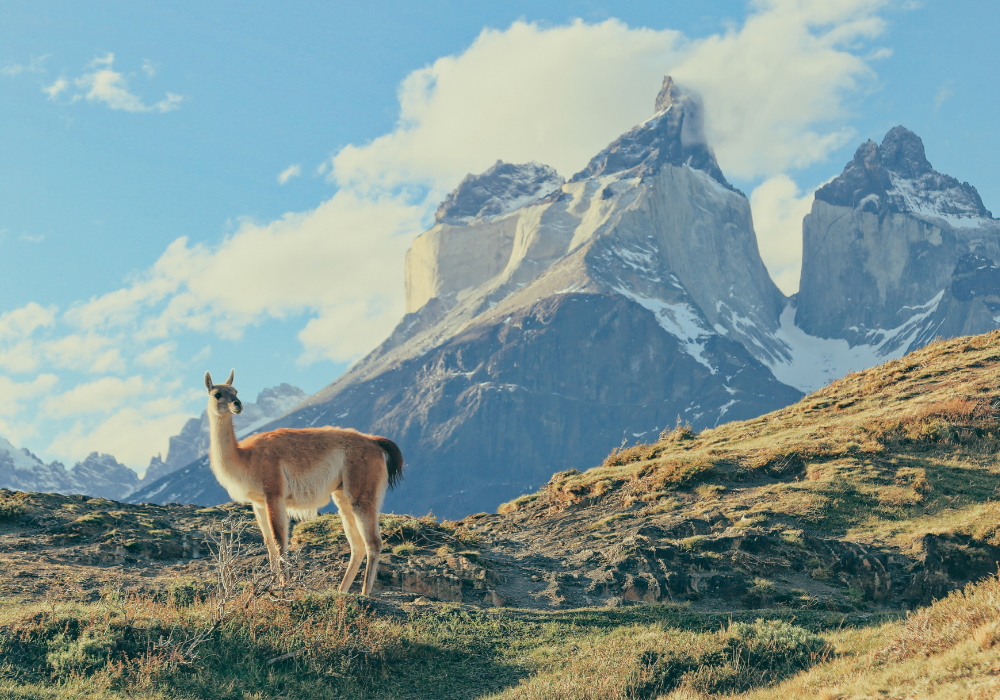
Stretching across southern Argentina and Chile, Patagonia isn’t just known for mountains and glaciers. Its true character comes from the endless steppe—vast, treeless plains battered by wind and edged by silence. The weather turns in seconds, and even summer feels severe. But in that starkness is a kind of purity. You see the bones of the land, the curve of the horizon, the movement of light across empty space. It’s not cozy, and it doesn’t try to be. That’s exactly what makes it feel so real.