
Every stressful moment you face feels bigger because your brain is wired for ancient threats.

Your brain’s got some outdated software running in the background. It means well—it’s just stuck in survival mode designed for a world that doesn’t exist anymore. Back when predators lurked in the dark and every decision could mean life or death, this wiring kept your ancestors alive. But today? That same system fires off alarms over things like unread emails, awkward conversations, and unexpected bills.
The problem isn’t that you’re weak or overly sensitive—it’s that your brain still reacts like every small threat could spiral into disaster. It floods your body with stress hormones, tightens your muscles, and hijacks your thoughts, even when no actual danger is present. The world has changed faster than your nervous system has evolved, and that mismatch quietly wears you down in ways you may not even notice.
1. Social rejection triggers your brain to react like you’re being kicked out of the community.

Way back when survival depended on being part of a group, rejection meant real danger. Getting kicked out of the tribe could leave you alone against predators, starvation, and exposure. That ancient fear still lives in your nervous system today, even though modern “rejection” usually involves things like being left on read or not getting invited to brunch.
According to Naomi Eisenberger for The National Library of Medicine, social rejection activates the anterior cingulate cortex—the same brain region involved in processing physical pain. When you experience social exclusion, your brain lights up the same pain centers activated by physical injury. It floods your body with cortisol and sends your mind spinning with worst-case scenarios. The emotional sting isn’t imagined—it’s rooted in primal wiring. Your logical brain knows being ignored in a group chat isn’t lethal, but your ancient instincts react like survival is suddenly at stake. That’s why rejection feels so intense, even when nothing physically dangerous is happening.
2. Loud noises instantly launch your fight-or-flight response before you can even process them.
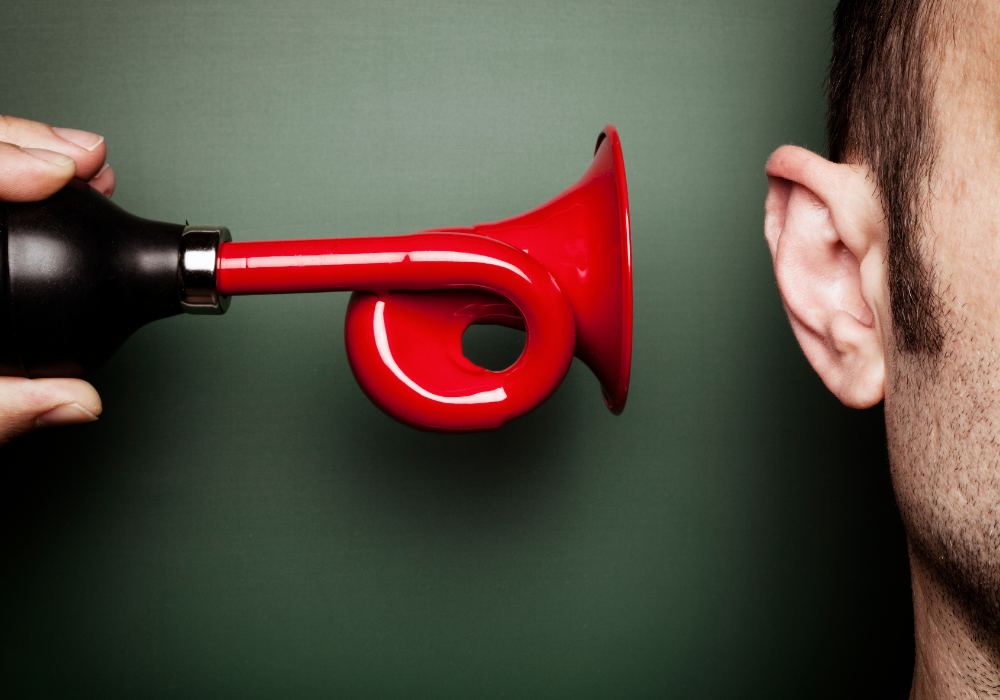
Sudden loud sounds—car horns, alarms, slamming doors—instantly trigger your amygdala before you consciously register what’s happening. In the wild, an unexpected noise often meant predator movement, falling rocks, or an ambush. Your brain learned to react fast, activating adrenaline to prepare you for action.
Per writers for the Hearing Health Foundation, when you hear a sudden loud noise, the amygdala triggers a stress response—releasing cortisol and activating your fight-or-flight system—before your conscious mind even knows what’s happening . Today, most of these sounds aren’t life-threatening, but your body still fires off stress hormones like danger is imminent.
Your heart races, muscles tense, and breathing quickens—all before your rational mind catches up and realizes it was just a car backfiring. This reflexive system was designed to save your life when milliseconds mattered. In modern life, it just leaves you jittery, irritable, and exhausted from constant overreactions to harmless noises that don’t deserve such a full-scale emergency response.
3. Performance anxiety makes your brain think you’re facing public humiliation.

Presenting in a meeting or speaking in public shouldn’t feel terrifying, but for many people, it triggers a full panic response. That’s because your brain still links public scrutiny to ancient fears of exile. In early human tribes, being publicly humiliated could threaten your standing in the group—and your survival.
As highlighted by Oswald Kothgassner for ScienceDirect, measuring salivary cortisol and cardiovascular responses, public speaking consistently increases cortisol levels and heart rate. When you step onto a stage or speak up at work, your brain interprets the attention as a threat. Heart racing, palms sweating, stomach churning—it’s your nervous system preparing for a danger that isn’t real anymore. You’re not at risk of banishment, but the primal fear of losing your place in the group sends your stress system into overdrive. Your ancient wiring assumes every misstep might cost you everything, even if the worst that could happen is a few awkward glances or forgotten words.
4. Uncertainty triggers your brain to panic because unknown outcomes once meant danger.

Ambiguity makes your brain deeply uncomfortable. Whether it’s waiting for medical test results, job interview feedback, or a text reply that never comes, uncertainty creates mental distress far greater than the situation often deserves. That’s because, for early humans, unknowns were often deadly—an unknown rustle in the bushes might’ve meant a predator lurking nearby.
Your brain prefers clear outcomes, even if they’re bad, because predictability feels safer. When you don’t know what’s coming, your mind fills in the blanks with worst-case scenarios, trying to prepare for danger that may never arrive. This ancient strategy helped ancestors stay alive, but today it leads to rumination, overthinking, and sleepless nights spent catastrophizing over things that aren’t immediate threats. Your nervous system sees uncertainty as something to fear, even when you’re just waiting for a harmless email.
5. Criticism activates your brain’s ancient fear of being cast out and left alone.

When someone criticizes you, even gently, it often lands harder than logic says it should. That’s because your brain still sees disapproval as a potential threat to your social standing. In early human communities, losing favor with the group could mean isolation—and isolation often meant death.
Today, constructive feedback isn’t remotely dangerous, but your nervous system reacts as if your social survival is at risk. Your stomach drops, anxiety spikes, and you replay the criticism endlessly, trying to “fix” the perceived threat. This reaction isn’t about thin skin—it’s a deeply embedded survival instinct trying to keep you safely connected to your tribe. The fear of disappointing others runs far deeper than modern culture would suggest, because your ancient brain still believes acceptance equals safety.
6. Financial stress tricks your brain into feeling like your literal survival is threatened.

Money problems activate primal survival fears because, in modern life, money equals access to food, shelter, and security. Back in the day, resources determined whether you lived or starved. That association still exists in your nervous system, even when your actual situation isn’t life-or-death.
When bills pile up or your bank account dips, your brain fires off full-scale survival alarms: racing thoughts, panic attacks, and relentless “what if” scenarios. Logically, you might have options or safety nets, but your stress response treats financial uncertainty like your entire existence hangs in the balance. This overreaction isn’t irrational—it’s ancient programming reacting to resource scarcity, even if the danger now involves late fees rather than starvation. Your body doesn’t care about context; it just senses scarcity and panics.
7. Conflict triggers your brain to brace for physical danger, not modern arguments.

Arguments with your boss, partner, or stranger online might feel overwhelmingly intense, even if no physical threat exists. That’s because your brain still links conflict with physical danger. In early human groups, confrontation often escalated to violence, so your nervous system learned to treat any heated interaction as a potential threat to your safety.
When conflict arises, your body dumps adrenaline, your muscles tense, and your heart races as if preparing to fight or flee. Even verbal disagreements can leave you physically exhausted afterward, not because the argument itself was dangerous, but because your nervous system reacted like you were about to enter a fight for survival. Ancient instincts aren’t good at distinguishing between real physical threats and emotional tension—they just activate the full emergency system every time.
8. Busy schedules fool your brain into believing you’re under constant attack.

In the wild, nonstop busyness often meant running from predators, finding shelter, or hunting for food under threat. Today’s version? Back-to-back meetings, emails, notifications, and a never-ending to-do list. But your brain doesn’t fully differentiate between physical pursuit and modern overwhelm—it just recognizes nonstop demands as an ongoing threat.
As your calendar piles up, your nervous system stays stuck in fight-or-flight mode, pumping stress hormones to keep you “ready” for danger. Over time, this constant activation wears you down, leading to chronic anxiety, burnout, and even physical illness. Modern busyness taps into your ancient survival systems, tricking your brain into believing you’re perpetually under siege. The danger isn’t lions—it’s the ping of your phone every 30 seconds, keeping your stress response on high alert.
9. Minor setbacks spark disproportionate panic because your brain over-prepares for disaster.

Missed deadlines, small mistakes, or everyday inconveniences can trigger anxiety that feels far bigger than the situation warrants. That’s because your brain evolved to treat any problem as the potential start of a downward spiral. In primitive environments, small errors could easily snowball into life-threatening consequences.
When something goes wrong today, your mind rushes ahead, building worst-case scenarios to “prepare” you for what might happen next. A missed payment suddenly feels like the start of financial ruin. An awkward conversation feels like the beginning of social exile. Your brain’s catastrophizing is ancient risk management—better to overreact and survive than underreact and die. The result? You spiral into panic over situations that, realistically, are minor blips—not actual threats to your survival.
10. Loneliness triggers primal panic because your brain still believes isolation equals death.

Humans evolved as social creatures. In early communities, being alone often meant vulnerability to predators, starvation, and exposure. That’s why loneliness today feels so devastating—your brain still interprets isolation as a survival emergency, not just an emotional discomfort.
Even short periods of loneliness can activate stress responses, disrupt sleep, and trigger anxiety. Your body floods with cortisol, preparing for a threat that no longer exists. This instinct once kept you seeking connection for safety; now it leaves you feeling anxious during quiet weekends or after seeing others post about group events you’re not part of. Your ancient brain doesn’t understand modern solitude—it only recognizes separation as danger. The discomfort you feel isn’t weakness; it’s survival wiring firing alarms to keep you with the group that once kept your ancestors alive.