
Every mile you drive pushes the planet closer to disaster.

The daily commute feels like a necessary evil. The alarm goes off, you grab your coffee, and join the slow-moving parade of brake lights. It’s stressful, exhausting, and somehow still seen as normal. But that routine drive is doing more than burning your patience—it’s quietly fueling the climate crisis. Cars are one of the biggest contributors to global emissions, and millions of us driving solo every day adds up fast. That gridlock you’re stuck in? It’s not just frustrating—it’s literally warming the planet.
Changing how you commute might sound like a hassle, but it doesn’t have to be. In fact, a few simple swaps can cut your impact dramatically—and might even make your mornings easier. Less traffic, fewer gas stops, more peace of mind. This isn’t about being perfect. It’s about making smarter moves that help both the planet and your sanity. Let’s start with the road you take.
1. Two wheels can rescue your mornings and rescue the planet.
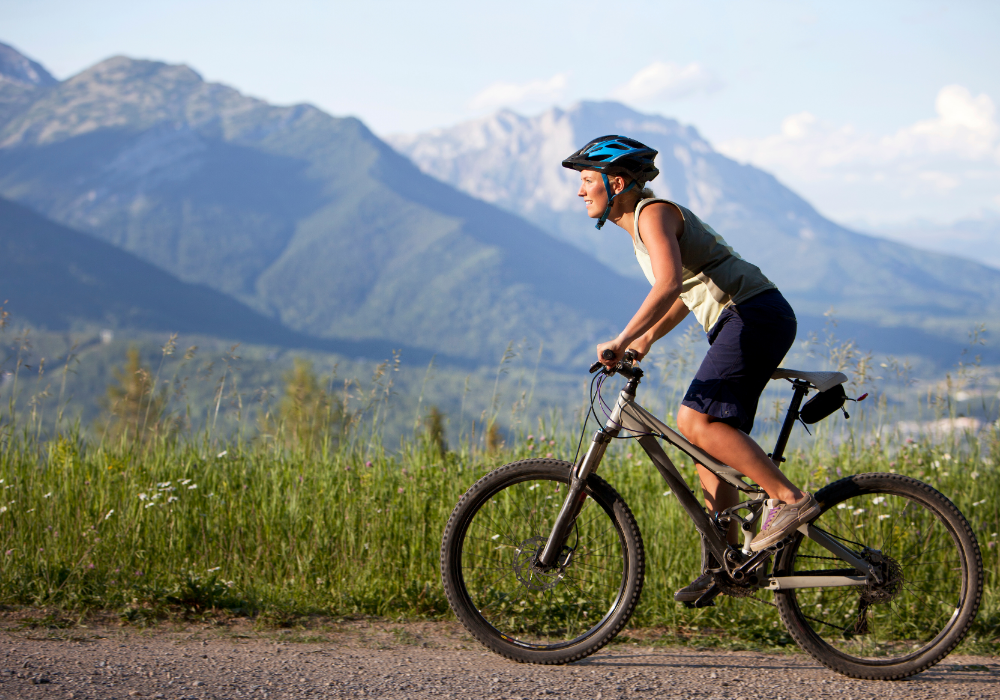
Biking isn’t just about looking eco-friendly—it’s about taking control of a commute that usually controls you. Traffic jams, gas prices, and parking nightmares all disappear when you trade four wheels for two. The moment you hop on a bike, you stop burning fuel entirely. Zero gas, zero fumes, zero idling in endless lines of honking cars. According to experts at the University of Oxford and Imperial College, people who cycle daily produce about 84% lower carbon emissions from all daily travel than non-cyclists, which makes biking one of the fastest ways to slash your emissions.
What surprises most people is how quickly it stops feeling like a sacrifice and starts feeling like freedom. You show up at work awake, a little more energized, and not already annoyed before your first meeting. Plus, your body benefits from daily movement you barely notice because you’re multitasking your workout into your commute. It’s a stress reliever, a mood booster, and one of the fastest ways to slash your emissions.
2. Public transit lets you relax while the planet breathes easier.
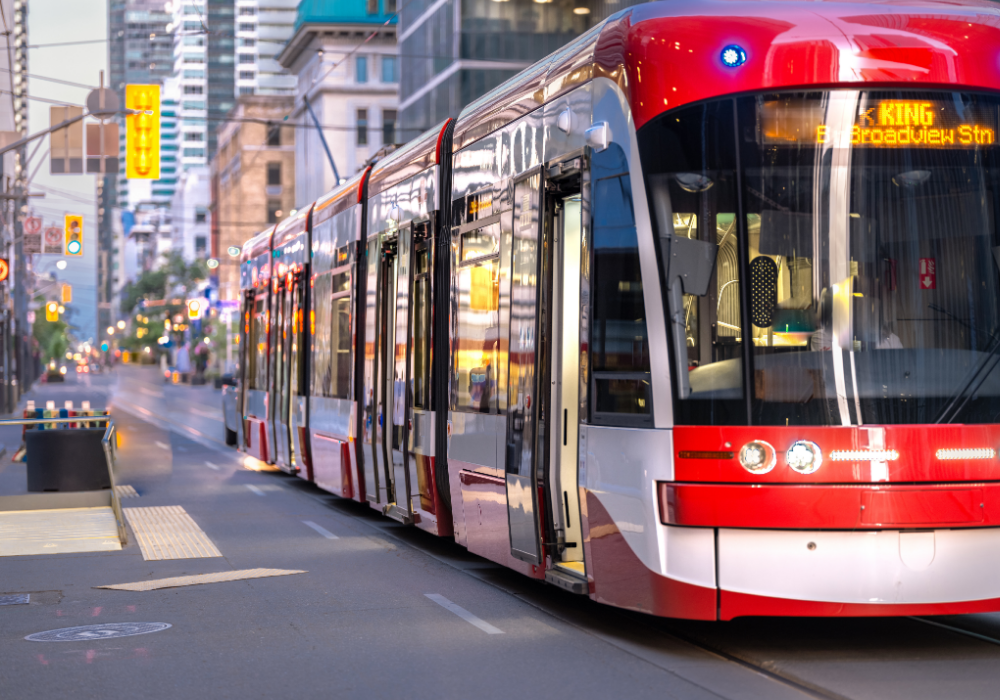
There’s something absurd about sitting behind the wheel, tense and frustrated, while barely moving forward. Public transit flips that completely. You’re still getting where you need to go, but now your hands are free, your brain can wander, and you’re no longer locked in battle with aggressive drivers or sky-high gas prices. And every ride you take reduces the total number of cars choking city streets.
Per writers for the Kansas City Area Transportation Authority, replacing a car trip with public transit can reduce CO₂ emissions by up to 30% per rider, making it one of the fastest ways to shrink your carbon footprint. Buses, subways, and trains move entire crowds using far less energy than endless rows of single-occupancy vehicles.
The air gets cleaner, traffic thins out, and urban noise drops. Meanwhile, you finally get time back—whether that’s reading, streaming, texting, or simply zoning out without gripping a steering wheel. Once you get used to it, the idea of voluntarily fighting traffic starts to feel ridiculous. You’re commuting smarter, not harder—and shrinking your carbon footprint while you’re at it.
3. Carpooling turns your lonely solo ride into a shared solution.
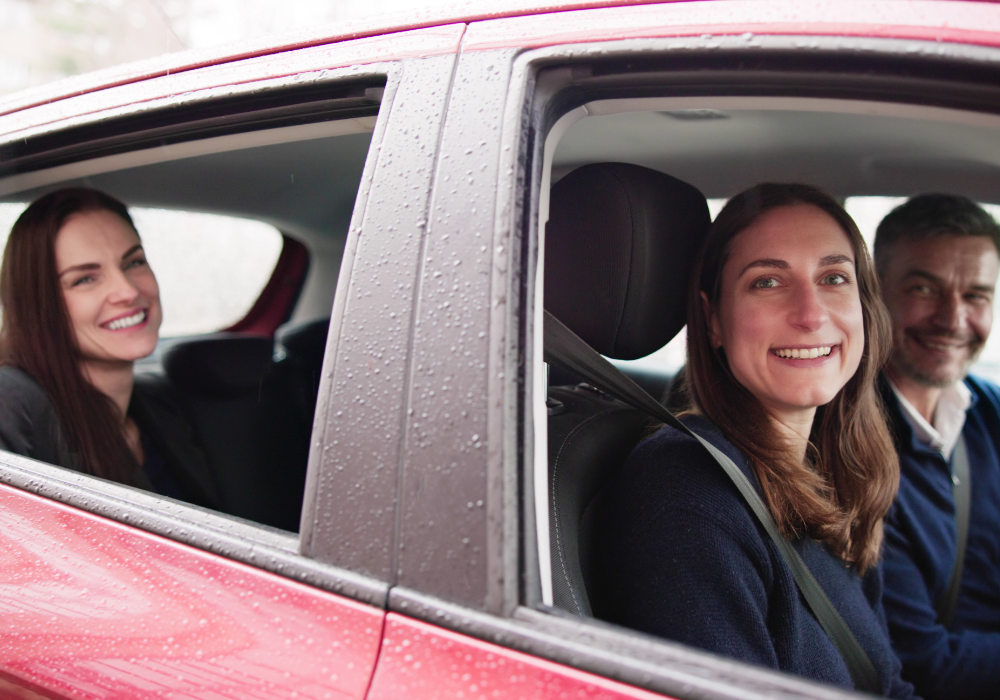
Most of us don’t even question driving alone every day—it’s just what people do. But every extra car on the road means more emissions, more congestion, and more frustration for everyone. Carpooling breaks that pattern instantly. The more seats you fill, the more efficient your commute becomes. One car with four people cuts individual emissions dramatically, and you’re not staring at the same red taillights day after day.
As highlighted by Ximing Chan for Nature’s npj Sustainable Mobility, ride‑hailing carpooling cuts emissions by about 22% compared to single‑occupant trips, which shows how much environmental benefit comes from simply sharing seats. Beyond the environmental perks, carpooling can actually make the drive more enjoyable. You split gas costs, take turns driving, and pass the time chatting, venting about work, or just having someone to share your mutual hatred of traffic. Even carpooling once or twice a week has a meaningful impact over time. And let’s be honest—it’s way more fun to complain about gridlock when you’ve got company.
4. Electric vehicles erase tailpipe guilt without giving up your car.
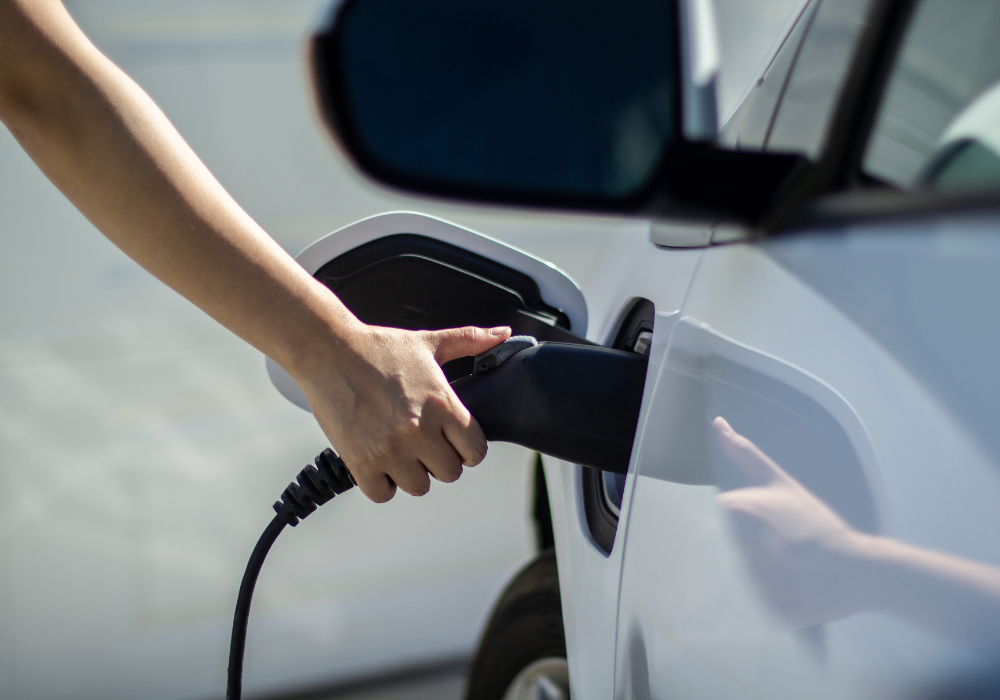
For people who can’t imagine life without a car, electric vehicles offer an enormous upgrade. You still get the freedom and convenience of personal transportation, but you ditch the worst part—the endless trail of emissions spewing from your tailpipe. EVs run quietly, require less maintenance, and allow you to leave gas stations behind for good.
While making the car itself still involves manufacturing emissions, the overall lifetime footprint of an electric vehicle is significantly smaller than a gas-powered one. And as the energy grid gets cleaner, that gap keeps widening. Charging overnight at home feels oddly satisfying—no more surprise gas price hikes or oil changes sneaking into your budget. Is it a perfect solution? No. But cutting out daily exhaust while keeping your car keys in hand is a pretty solid step in the right direction.
5. Working from home doesn’t just save time it slashes emissions.

Remote work doesn’t just give you back your mornings—it gives the atmosphere a break too. Every skipped commute means fewer cars clogging highways, less fuel being burned, and fewer office buildings sucking up massive amounts of energy to stay lit, heated, and cooled. One person working from home a few days a week may not feel like much, but multiply that across millions of workers and the impact skyrockets.
Beyond the environmental benefits, remote work often leads to lower stress, better work-life balance, and precious extra hours that would otherwise be spent staring at brake lights. Even part-time remote options start stacking up quickly.
And while not every job can go fully remote, industries that can adapt are showing just how much commuting we’ve been doing purely out of habit. Cutting back isn’t just easier than most people expect—it’s also one of the most immediate ways to shrink your carbon footprint without sacrificing comfort.
6. Walking is the original zero-emissions commute hiding in plain sight.

It doesn’t get much simpler than this. For short trips, your feet are the most efficient transportation system ever invented. No gas, no battery, no emissions—just you, the sidewalk, and the time to actually breathe instead of rage-swerving through traffic. And while it may seem small, replacing even a few short car trips with walking adds up faster than you’d think.
You’re not just helping the environment when you walk—you’re helping yourself. Walking boosts heart health, improves mood, clears your head, and gives you a chance to actually notice your surroundings. The coffee shop you never spotted before, the neighbor you’ve never said hi to, the little park you’ve never had time to enjoy—they all appear when you’re not speeding past. It’s free, it’s effective, and honestly, it feels pretty good to skip the gas station altogether.
7. Scooters and e-bikes turn annoying errands into quick escapes.
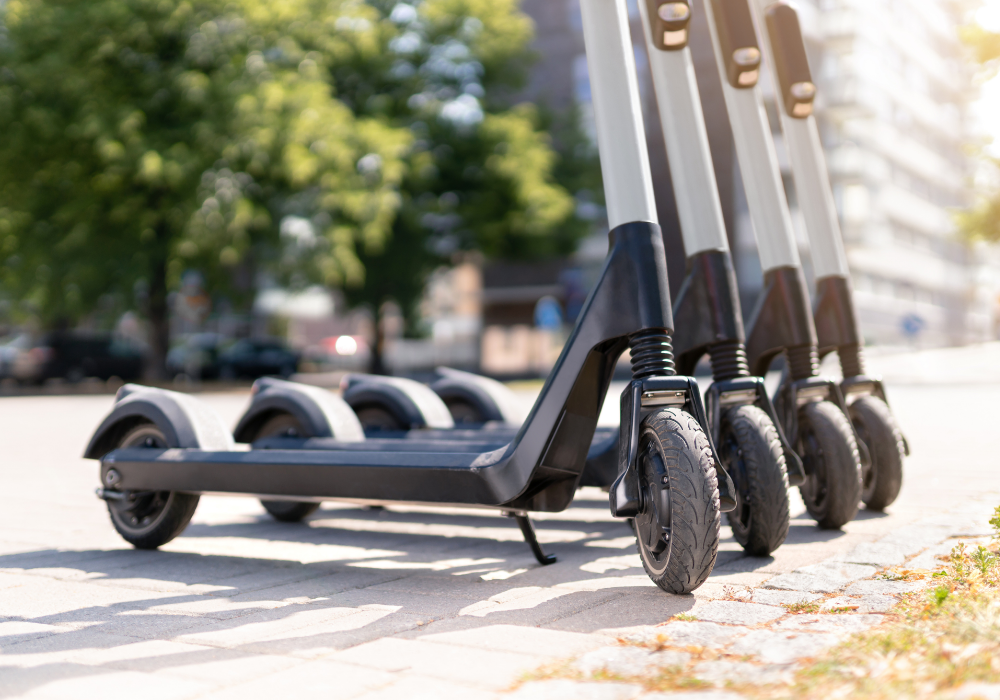
That awkward distance too long to walk but too short to justify driving? That’s where scooters, e-bikes, and micromobility shine. These small, zippy options slice through traffic, avoid parking drama, and use a fraction of the energy it takes to move a car. Suddenly, those annoying quick trips stop being wasteful and start feeling oddly fun.
Rentable e-scooters are popping up everywhere, while e-bikes have become more affordable and accessible than ever. They’re perfect for last-mile commutes, quick errands, or simply cutting down your total weekly car use. What used to be a 20-minute headache in traffic becomes a breezy five-minute cruise. You still get there, but without the fuel burn, the emissions, or the soul-crushing parking lot hunt. Once you try it, you might wonder why you ever drove for these short hops in the first place.
8. Shifting your work hours can shrink your fuel burn without sacrificing convenience.

Most people don’t realize how much extra fuel gets wasted just sitting in traffic. Idling, constant braking, and stop-and-go crawling aren’t just stressful—they’re wildly inefficient. Even if you have to drive, simply shifting your schedule by 30 minutes can mean you’re cruising on open roads instead of creeping behind endless brake lights.
Flexible work hours aren’t just great for your sanity—they make your car far more fuel-efficient. Smooth driving burns less gas, cuts emissions, and gets you to work faster with less frustration. Many employers are increasingly open to staggered schedules, especially after seeing how flexible work improved productivity. And let’s be honest: starting your day without an hour of gridlock is a mental health win all by itself. It’s one of the lowest-effort, highest-payoff adjustments you can make to your daily routine.
9. Combining errands turns a scattershot week into one efficient trip.

Every time you run out for a quick errand, your car is doing its dirtiest work. Cold engines burn less efficiently and emit more pollution, meaning short trips stack up a lot more carbon than most people realize. The solution? Become a master of grouping your errands.
With a little planning, you can knock out groceries, pharmacy runs, the dry cleaner, and even a coffee stop all in one loop. Fewer cold starts, fewer unnecessary miles, and a lot less time wasted going back and forth.
Plus, it feels oddly satisfying to get everything done in one shot. You’re reducing emissions, saving gas money, and freeing up your schedule for things you actually want to do. Small organizational changes like this don’t just help the environment—they help you reclaim your week.
10. Fighting for better infrastructure creates lasting change that multiplies.
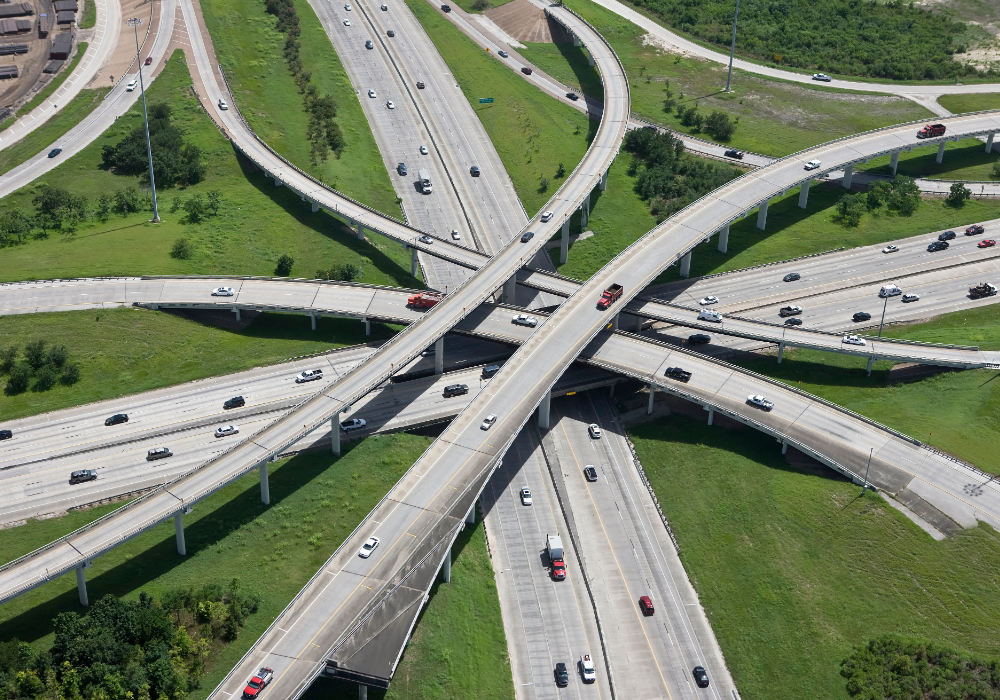
No matter how good your personal choices are, they’ll only go so far without real infrastructure to back them up. You can’t safely bike without protected lanes. You can’t rely on transit that doesn’t show up. Systemic change is where real momentum happens—and it starts when people demand better.
Advocating for walkable neighborhoods, expanded public transit, and safe micromobility options makes sustainable commuting available to everyone. Cleaner commutes aren’t a personal virtue contest; they’re a public design issue. The more people who push for smarter city planning, the faster these options become standard. And once a community shifts, those changes stick around for generations. Cleaner air, calmer streets, and healthier cities aren’t fantasy. They’re fully possible—but they require voices willing to speak up.