
Climate change is turning everyday jobs into tougher, riskier, and more expensive battles for workers.

Blue-collar workers are already on the frontlines of climate change, and the risks are climbing fast. Rising heat, stronger storms, and shifting conditions are making tough jobs even tougher—and sometimes deadly. What once felt like ordinary hazards are turning into life-altering threats, forcing workers to adapt in ways they never imagined.
The people who build, farm, transport, and repair the world’s infrastructure are carrying the heaviest burden of a crisis they didn’t create. As the planet heats up, the cost of survival at work is being measured not just in dollars, but in human lives.
1. Extreme heat is turning job sites into danger zones
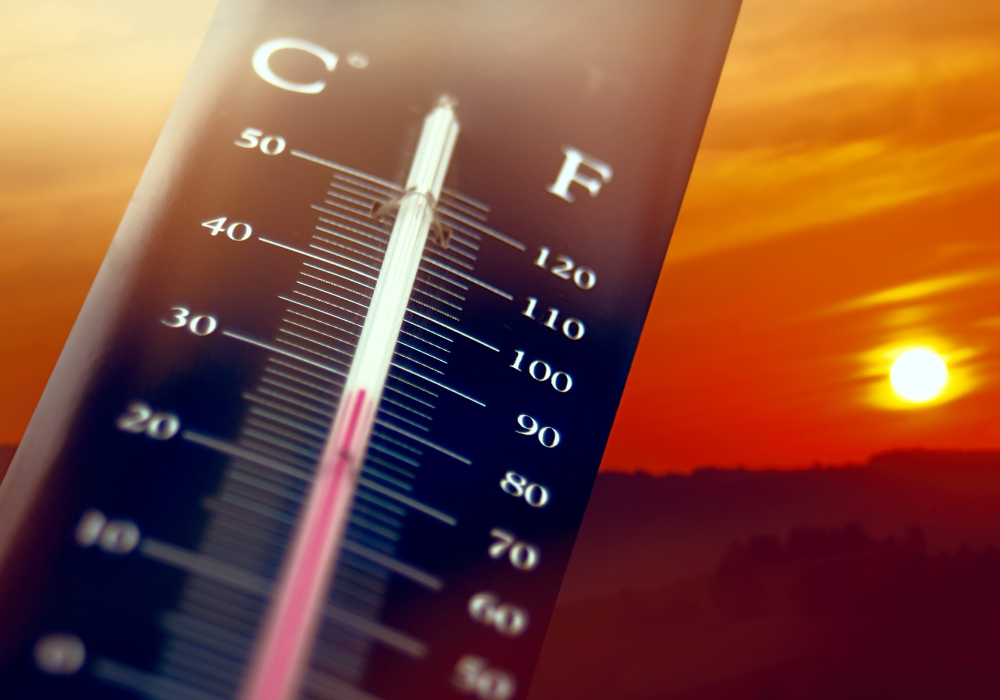
Construction crews, farmhands, and delivery workers are spending more hours under brutal sun. Heatwaves push body temperatures past safe limits, leading to exhaustion, dehydration, and in severe cases, deadly heatstroke. What used to be a tough day’s work is quickly becoming life-threatening.
With summers growing hotter, rest breaks and water alone may not be enough. Work schedules will need to shift earlier or later, but even then, nights are staying hotter too. For blue-collar workers, extreme heat is no longer a seasonal inconvenience—it’s a serious health crisis.
2. Outdoor labor is facing growing risks from wildfires

Blue-collar jobs that depend on the outdoors are colliding with a new hazard: smoke-filled skies. Farmworkers, roofers, and utility crews are being exposed to toxic air from massive wildfires that now burn longer and more intensely. Breathing becomes difficult, and protective gear isn’t always available.
The damage doesn’t end with one smoky shift. Long-term exposure to wildfire smoke raises risks of asthma, heart disease, and chronic illness. For workers already pushing their limits, this added danger is rewriting what it means to do an outdoor job safely.
3. Flooding is putting workers in harm’s way

Rising seas and heavier storms are flooding worksites more often. Road crews, sanitation workers, and emergency repair teams are being asked to wade into water that can hide electrical hazards, sharp debris, and dangerous bacteria. What looks like standing water can quickly turn deadly.
The cleanup after floods falls heavily on blue-collar shoulders, too. Long hours in soaked conditions increase the risks of infections, injuries, and exhaustion. Each flood isn’t just a community disaster—it’s an occupational hazard that puts workers directly in the path of danger.
4. Storm recovery is straining already dangerous jobs

After hurricanes, tornadoes, and blizzards, blue-collar crews are the first called in. Utility workers climb poles in high winds, roofers patch holes on unstable structures, and truck drivers push through treacherous conditions to deliver supplies. These recovery efforts are becoming more frequent and more perilous.
The demand for speed only raises the danger. Rushing through unstable environments leads to more accidents and injuries. For many workers, climate change means their jobs don’t stop when the storm ends—they just begin when others are sheltering in safety.
5. Agricultural workers are bearing the brunt of crop failures
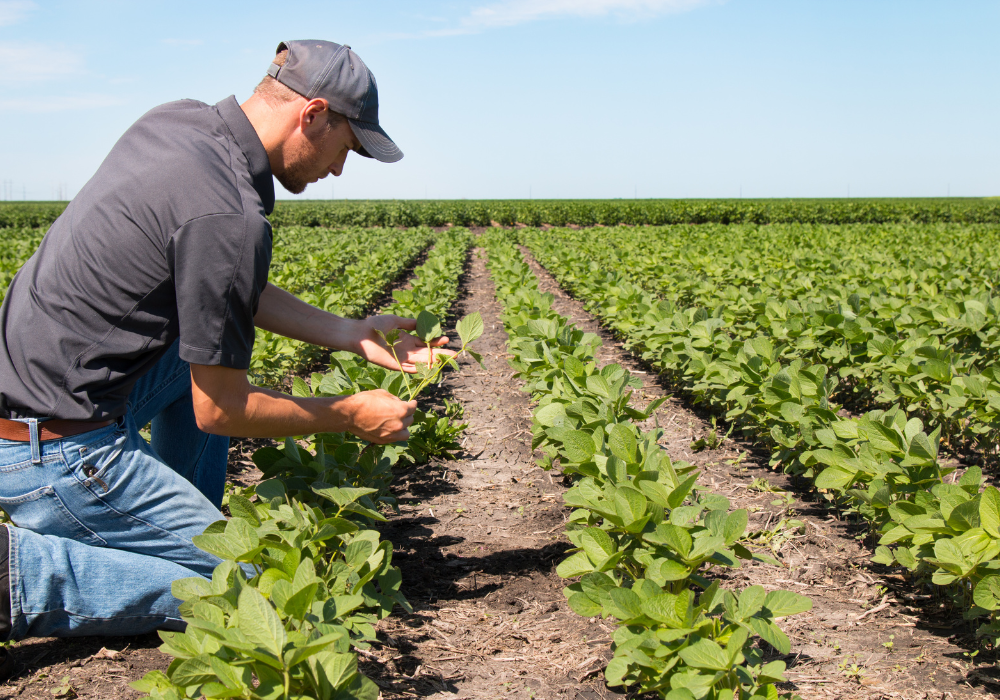
Farmworkers are exposed to the harshest elements as they plant, pick, and harvest in extreme conditions. Droughts scorch crops, floods drown fields, and unpredictable weather shortens growing seasons. Workers are left enduring longer hours to salvage smaller yields.
The economic toll lands on their shoulders, too. With food supplies tightening, wages often stagnate or shrink, forcing workers to do more for less. Climate change isn’t just threatening crops—it’s threatening the livelihoods and health of the very people who put food on the world’s tables.
6. Transportation jobs are becoming less reliable
Truckers, delivery drivers, and transit operators are navigating a climate system that disrupts roads and supply chains. Floods close highways, storms delay shipments, and extreme heat damages asphalt. The stress of rerouting and meeting deadlines only compounds the risks.
At the same time, higher fuel costs linked to climate change are squeezing profits and paychecks. For transportation workers, survival on the job isn’t just about making deliveries—it’s about enduring longer, riskier routes in a world where the road ahead keeps breaking down.
7. Energy workers face new extremes on the job
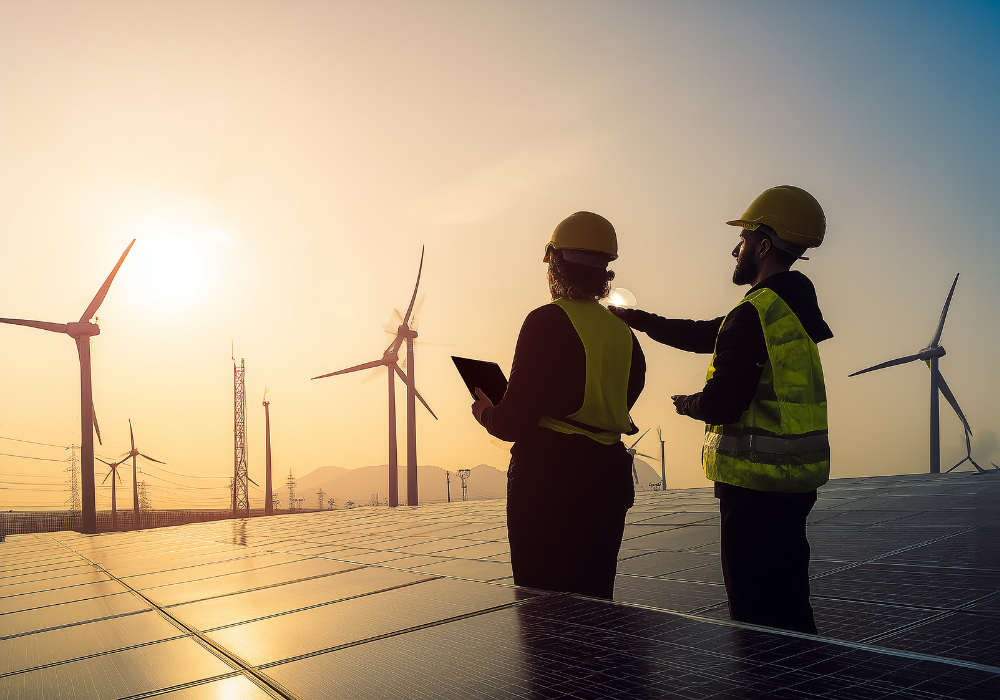
Whether repairing power lines in sweltering heat or maintaining oil rigs during storms, energy workers are often exposed to some of the harshest conditions. Climate change is amplifying these dangers, creating more emergencies that demand immediate attention.
When the grid fails during extreme weather, linemen and utility crews are dispatched first—often with little protection. Each repair carries more risk than before, and outages are becoming more common. Blue-collar workers are keeping the lights on, but at a rising cost to their safety and health.
8. Factory and warehouse jobs aren’t safe from the heat
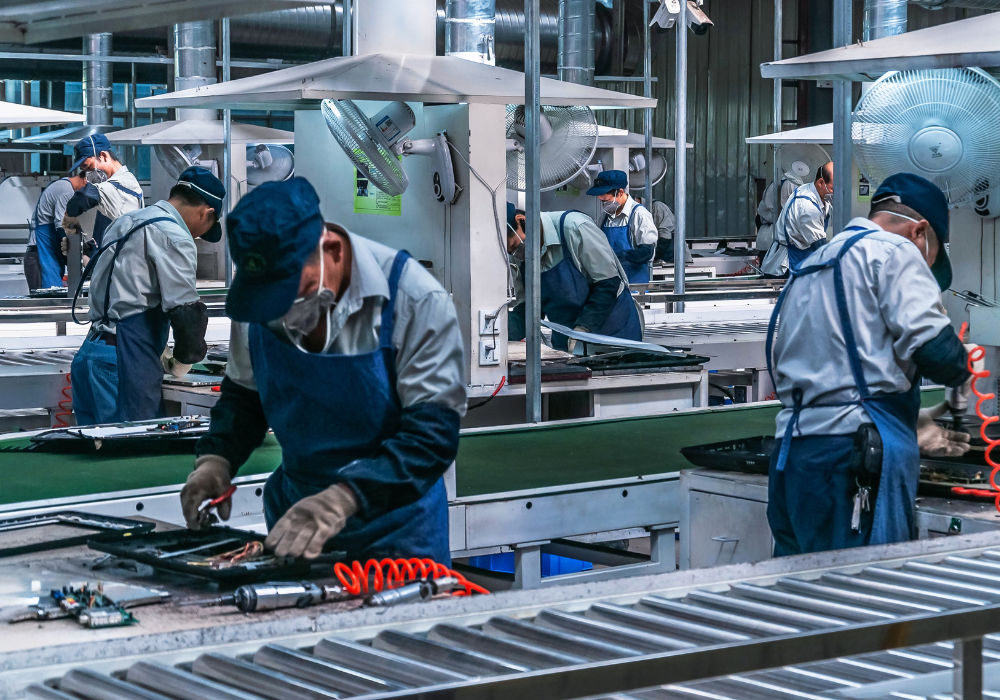
Indoor workers may seem protected, but many warehouses, factories, and kitchens trap heat with little ventilation. Temperatures inside can soar past safe limits, creating suffocating environments where workers overheat quickly. Air conditioning, when it exists, often isn’t enough.
The strain on the body increases with every hour on the floor. Mistakes become more likely, accidents rise, and productivity plummets. For many blue-collar workers, the dangers of climate change aren’t outside—they’re baked into the buildings where they labor every day.
9. Health costs are climbing alongside workplace risks

Heat stress, smoke inhalation, and injury recovery all feed into one growing problem: higher health care bills. Blue-collar workers, many already struggling with limited benefits, are facing rising medical costs directly tied to climate change’s impact on their jobs.
The financial strain adds insult to injury. Missed work means lost wages, while hospital visits drain savings. The result is a cycle where climate-related health risks don’t just harm workers physically—they threaten their financial survival, too.
10. The future of blue-collar work is on the line
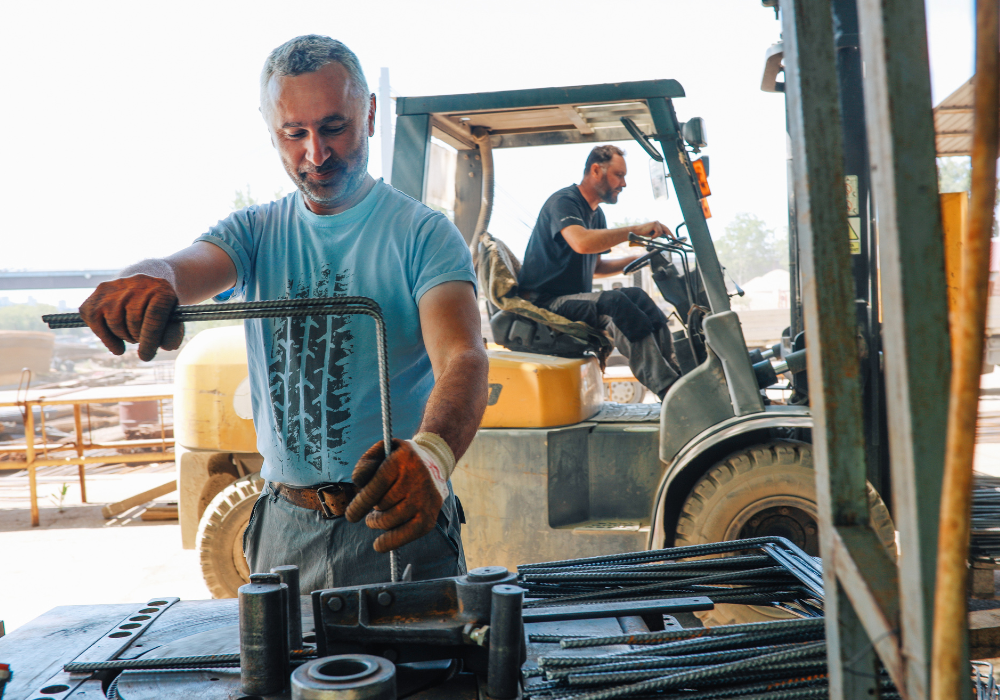
Climate change is reshaping what it means to hold a blue-collar job. Tasks that were once manageable are becoming riskier, longer, and more exhausting. For many, the choice will soon be between enduring unsafe conditions or leaving the work altogether.
The World Health Organization and labor experts warn that adaptation is urgent. Without stronger protections, millions of workers will be left vulnerable as the planet heats up. The very people who build, grow, and maintain society may pay the highest price for a crisis they didn’t cause.