
The sky has been a political map longer than most people realize.

Long before poll numbers and pundits, leaders watched the stars for signs of what lay ahead. Astrology wasn’t a side hobby—it was stitched into the fabric of political power. Kings had court astrologers. Revolutions were timed to cosmic alignments. Even now, when astrology is often written off as frivolous, it quietly shapes public moods and political momentum more than people admit.
Cycles repeat. What once guided emperors still sparks conversations today, from Saturn returns in election years to eclipses landing right on moments of upheaval. These historic intersections between astrology and politics aren’t just fascinating stories—they’re reminders that humanity has always searched for meaning in chaos. The patterns don’t control us, but they reflect us, illuminating fears, hopes, and power struggles that never really go away. These ten moments reveal just how often the sky and power have moved in tandem.
1. Queen Elizabeth I ruled under the shadow of her natal chart.
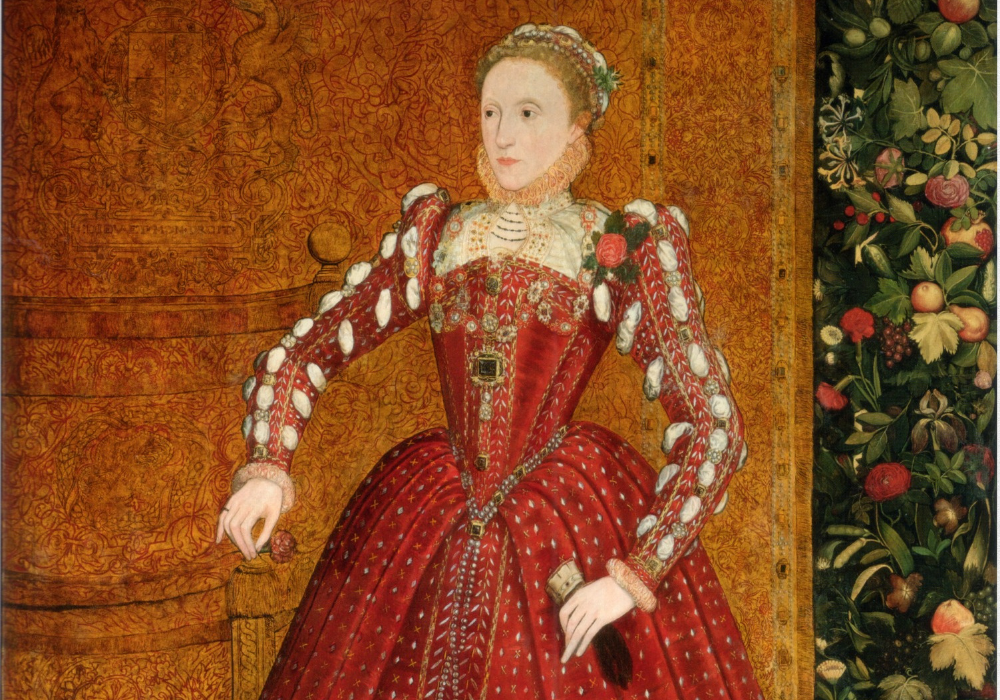
Elizabeth I’s reign wasn’t just shaped by politics—it was closely tied to the stars. Her personal astrologer, John Dee, advised her on everything from coronation dates to foreign affairs. Dee wasn’t a fringe figure. He was a trusted advisor, blending astrology with science, math, and navigation to help solidify England’s power.
According to the Royal Museums Greenwich, John Dee chose the date of Elizabeth’s coronation to align with favorable astrological signs, helping to present her reign as destined for greatness. This wasn’t just superstition—it was political theater.
In a time of instability, the alignment of the heavens offered reassurance to her subjects. Dee’s readings gave Elizabeth more than insight. They gave her narrative control. She became more than a monarch; she was a ruler backed by cosmic order, which strengthened her authority and kept political threats at bay.
2. Ronald Reagan’s White House quietly followed astrological advice.
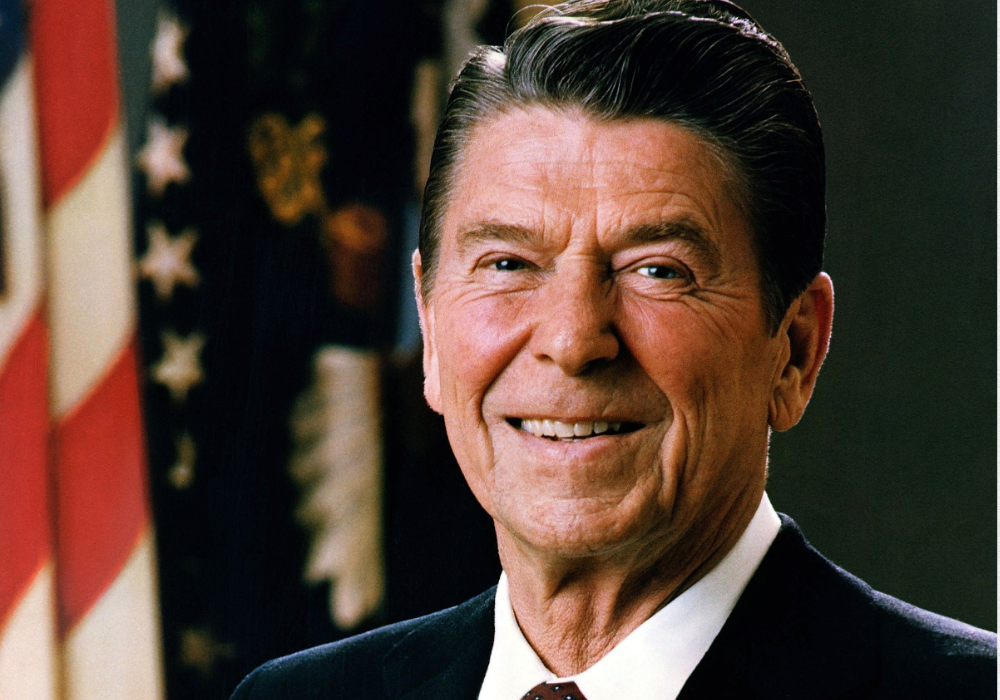
Ronald and Nancy Reagan weren’t open about it, but behind closed doors, they heavily relied on astrologer Joan Quigley, especially after the 1981 assassination attempt. Nancy, anxious to protect her husband, sought Quigley’s guidance to time speeches, travel, and even treaty signings. Per PBS, Quigley helped determine the timing of President Reagan’s public appearances and official trips following the assassination attempt.
While the public saw Reagan as a traditional conservative leader, astrology was woven into the highest levels of decision-making. This wasn’t just about personal comfort. Nancy believed astrological timing could safeguard national security. Whether or not it changed policy, it shaped the optics and rhythms of Reagan’s presidency. The secretive nature of this influence also speaks volumes about public perception. Astrology had to stay hidden to avoid scandal, but its presence reveals how even modern power players turn to the stars when certainty slips away.
3. Julius Caesar’s assassination was foreshadowed by a lunar eclipse.
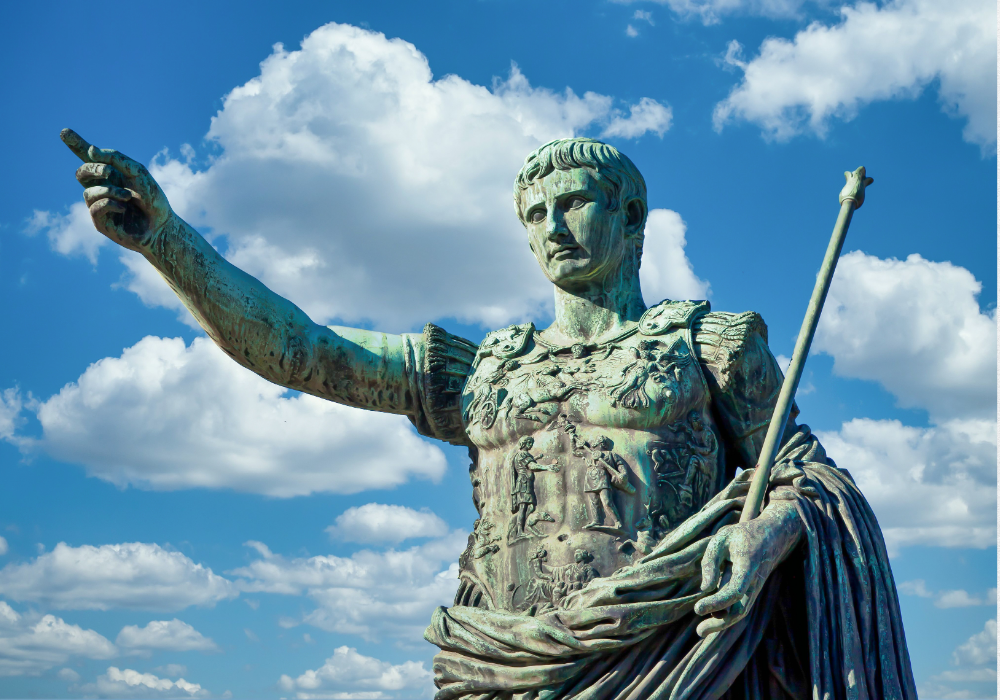
Ancient Rome lived by omens, and Caesar’s era was filled with celestial warnings. As Kyle Harper writes in Lapham’s Quarterly, a lunar eclipse before Caesar’s assassination was seen by Romans as a chilling omen of unrest and looming catastrophe. For the Romans, eclipses weren’t routine—they were urgent messages from the gods, often signaling unrest or the fall of leaders.
The eclipse, followed by strange atmospheric phenomena, fed into the public’s growing unease. Priests and astrologers alike warned of political danger, though no one could predict exactly how it would unfold. When Caesar was finally killed on the Ides of March, many saw it as the inevitable outcome of these celestial signs. His death plunged Rome into chaos, fulfilling the ominous readings that had been circulating. The sky didn’t cause Caesar’s fall, but it set the mood, shaping public expectation and heightening the drama of history as it unfolded.
4. The French Revolution boiled over during explosive cosmic transits.
The late 1700s brought more than economic hardship to France—they also brought volatile astrological alignments. Uranus, the planet of rebellion, had only been discovered a few years earlier, and astrologers were already tying its energy to upheaval and radical change. As Uranus squared Pluto, tensions reached a boiling point.
These planetary shifts coincided with rising unrest, food shortages, and a monarchy blind to its crumbling foundation. While the revolutionaries weren’t pulling out star charts before storming the Bastille, the astrological climate reflected the social storm brewing below.
The symbolism of Uranus—breaking free from oppressive structures—felt unmistakably on point. Even today, astrologers look back at these transits as textbook markers of societal revolt. The French Revolution became a case study in how cosmic patterns echo earthly chaos, especially when people demand transformation at any cost.
5. Nixon’s fall from grace followed his Saturn return.
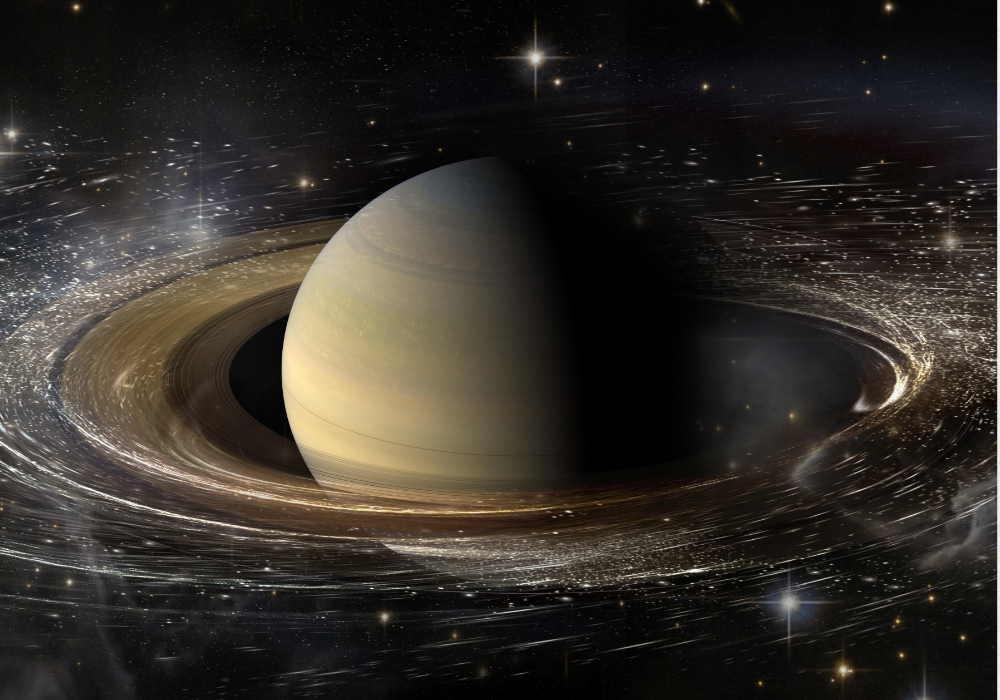
Saturn returns, which happen around ages 28–30 and again near 58–60, mark periods of reckoning and responsibility. For Richard Nixon, his second Saturn return lined up almost perfectly with the Watergate scandal and his subsequent resignation in 1974. The timing wasn’t lost on astrologers watching the political landscape.
Saturn is all about consequences, structures, and accountability. For Nixon, this transit delivered a harsh lesson in limits and integrity. The walls closed in, investigations mounted, and even his inner circle couldn’t shield him from the fallout. His presidency, once fortified by strategy and control, crumbled under the weight of hidden truths coming to light. Whether or not Nixon believed in astrology, his downfall mirrored the classic Saturn return narrative: a time when past actions catch up, and foundations either strengthen or collapse entirely.
6. JFK’s campaign soared under a lucky Jupiter return.
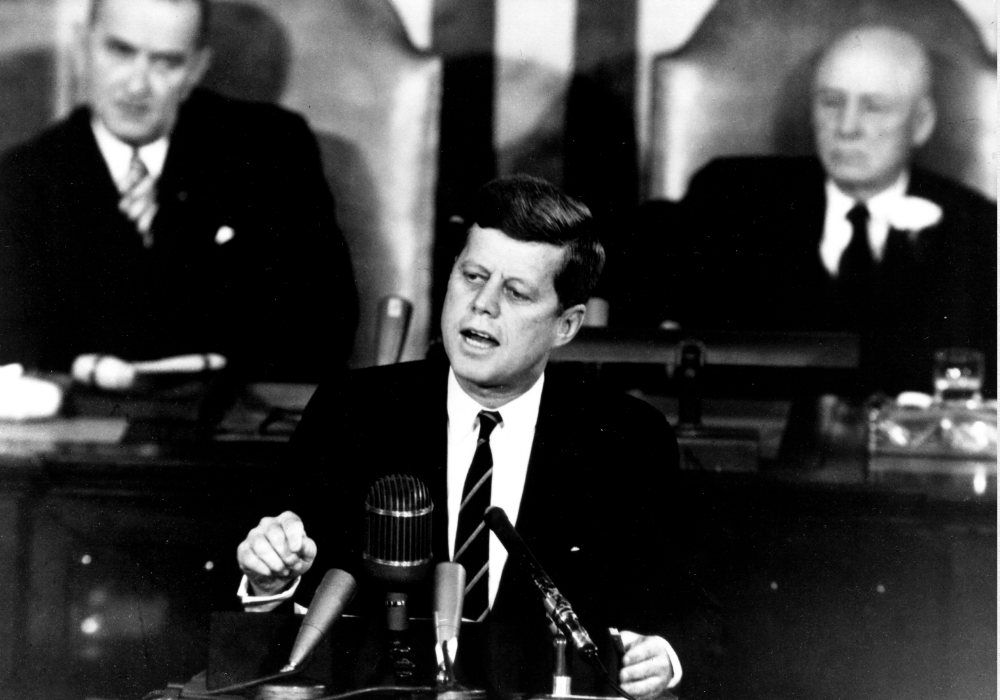
John F. Kennedy’s presidential campaign rode a wave of optimism, charm, and expansion—hallmarks of Jupiter’s influence. In 1960, as he campaigned, Kennedy experienced a Jupiter return, an astrological event that happens roughly every 12 years and often brings opportunity and growth. Jupiter is associated with good fortune, charisma, and broad appeal—all of which Kennedy seemed to embody at exactly the right moment. His youthful energy and vision for a “New Frontier” captured the public’s imagination, helping him narrowly defeat Richard Nixon.
While his presidency faced enormous challenges, the momentum of his campaign reflected Jupiter’s expansive energy. His rise to power felt fated to many, as if the universe had momentarily aligned in his favor. Even skeptics can’t deny the uncanny timing of this cosmic boost.
7. The 2008 financial crash unfolded during a grim Saturn-Uranus opposition.
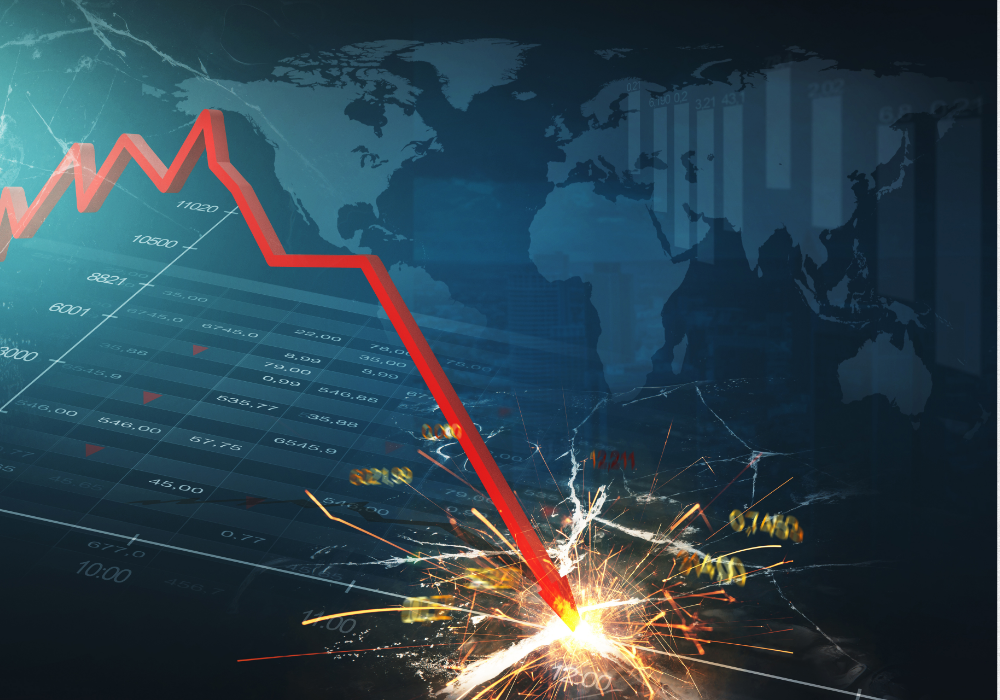
Saturn, the planet of structure, and Uranus, the force of disruption, don’t play nicely together. In 2008, their opposition created a tug-of-war between stability and chaos—and global financial markets felt every bit of it. As banks collapsed and economies reeled, astrologers noted the textbook example of these clashing energies.
This wasn’t obscure astrology. Even mainstream observers noticed the pattern of instability. Saturn represented the old financial systems, rigid and overextended. Uranus symbolized the collapse of norms and the demand for radical change.
When the two locked into opposition, the cracks in global finance split wide open. The recession reshaped politics worldwide, fueling populist movements and distrust in traditional institutions. The cosmic conflict reflected a real-world struggle between outdated systems and the unpredictable forces rising to replace them.
8. Brexit’s referendum landed under a volatile Mars-Uranus opposition.

When the UK voted to leave the European Union in 2016, the stars were bristling with tension. Mars, the planet of conflict and impulsive action, faced off against Uranus, the planet of rebellion and sudden change. Astrologers flagged this as a moment primed for explosive decisions and unpredictable outcomes—and they weren’t wrong.
The Brexit vote shocked even its most ardent supporters. What was meant to be a political maneuver turned into a deep rupture across the UK. Mars fueled the aggression of the campaign, while Uranus added the chaos of swift, irreversible choices. The combination made for a volatile atmosphere, pushing people toward action without fully understanding the consequences. In the aftermath, astrologers looked back at the timing as a clear signal of upheaval. The energy of that opposition didn’t just mark a political shift—it unleashed years of uncertainty that still haven’t settled.
9. The U.S. Pluto return is reshaping American identity.

Pluto’s return happens once every 248 years, and for the United States, it’s been unfolding since 2022. In astrology, Pluto represents power, transformation, and the breakdown of old systems. Nations experience this return when they confront the deep shadows of their history and face the choice to evolve or decay.
For the U.S., the Pluto return has magnified political polarization, racial reckonings, economic upheaval, and distrust in leadership. It’s a period of reckoning, where the country is forced to confront its founding contradictions. Astrologers have long warned that this return would stir old ghosts, forcing a national reflection on power and control. The intensity isn’t a coincidence. Pluto demands excavation of what’s buried. Whether the nation rebuilds stronger or fractures further remains to be seen—but either way, the return signals a transformation too big to ignore.
10. The “Great Conjunction” of 2020 opened a new political era.
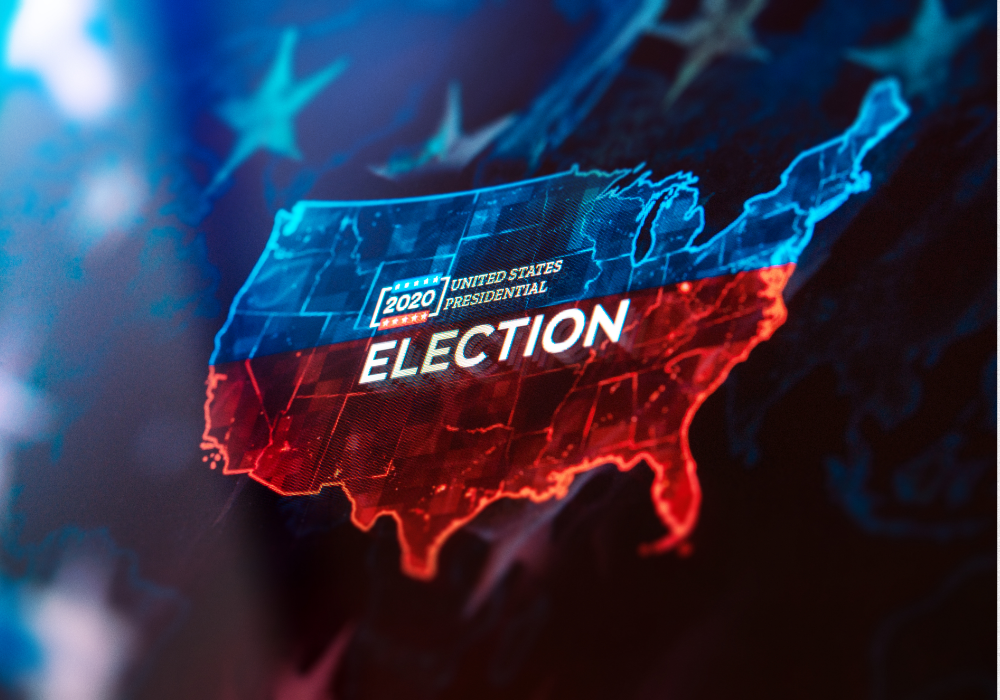
When Jupiter and Saturn aligned at 0 degrees Aquarius in December 2020, astrologers called it the “Great Conjunction.” These planets meet roughly every 20 years, marking societal shifts, but this alignment was particularly significant. It kicked off a new 200-year cycle of air signs, symbolizing movement away from old power structures toward ideas, communication, and collective progress.
The timing couldn’t have been sharper. The U.S. had just come through a bruising election, global movements for justice were rising, and the pandemic had forced governments worldwide to rethink their priorities. The Great Conjunction felt like a cosmic reset, signaling the end of one era and the birth of another. While no alignment fixes problems overnight, it reframes the narrative. The old world order felt like it was crumbling—and in many ways, it was. This planetary meeting marked the start of rewriting what comes next.