
Scientists say routine habits are making the microplastic crisis worse than most people realize.
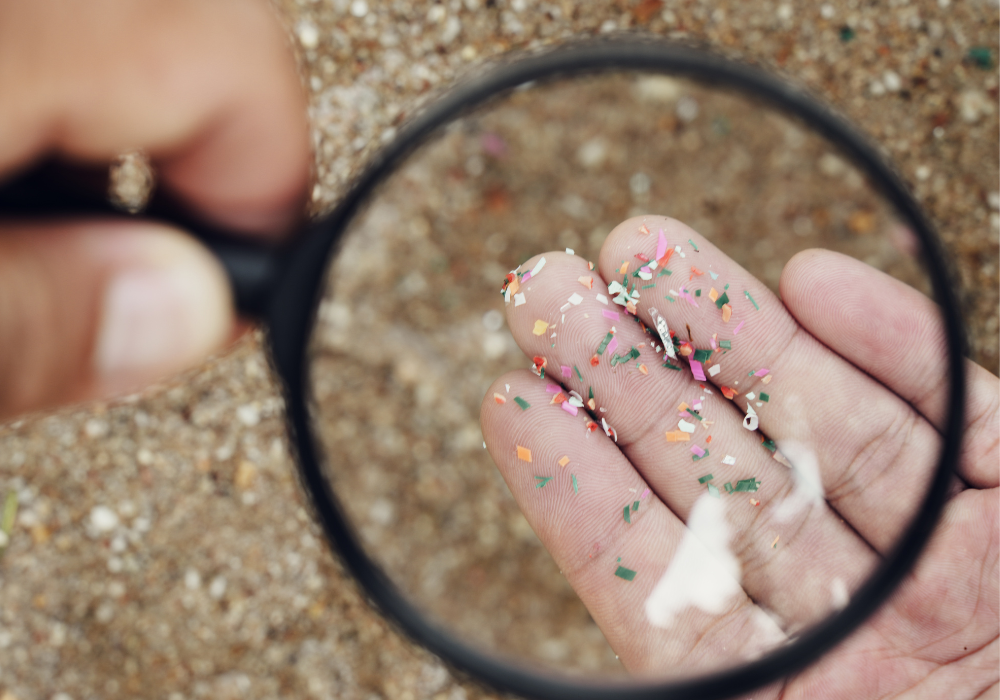
Microplastic pollution is an escalating environmental concern, largely fueled by everyday habits often taken for granted. From synthetic laundry to single-use plastics, these routine actions release tiny plastic particles into our water, soil, and air. Understanding how ordinary behaviors contribute to this problem is crucial for making informed choices. Simple adjustments can significantly reduce your personal impact and support broader sustainability efforts.
1. Using single-use plastic bottles for water and beverages regularly.

Single-use plastic bottles introduce significant microplastic pollution when discarded improperly. They linger in the environment, breaking down into tiny plastic particles. Over time, these particles infiltrate water bodies and soil. The damage occurs steadily, exacerbated by sunlight and physical abrasion.
Switching to reusable bottles helps reduce this impact, as using them limits the need for single-use plastics. Each repeated use of a reusable bottle lessens the circulation of new plastic waste. While convenient, plastic bottles contribute to a growing environmental burden that reusable alternatives can help alleviate.
2. Washing synthetic fabrics frequently without a microfiber filter.
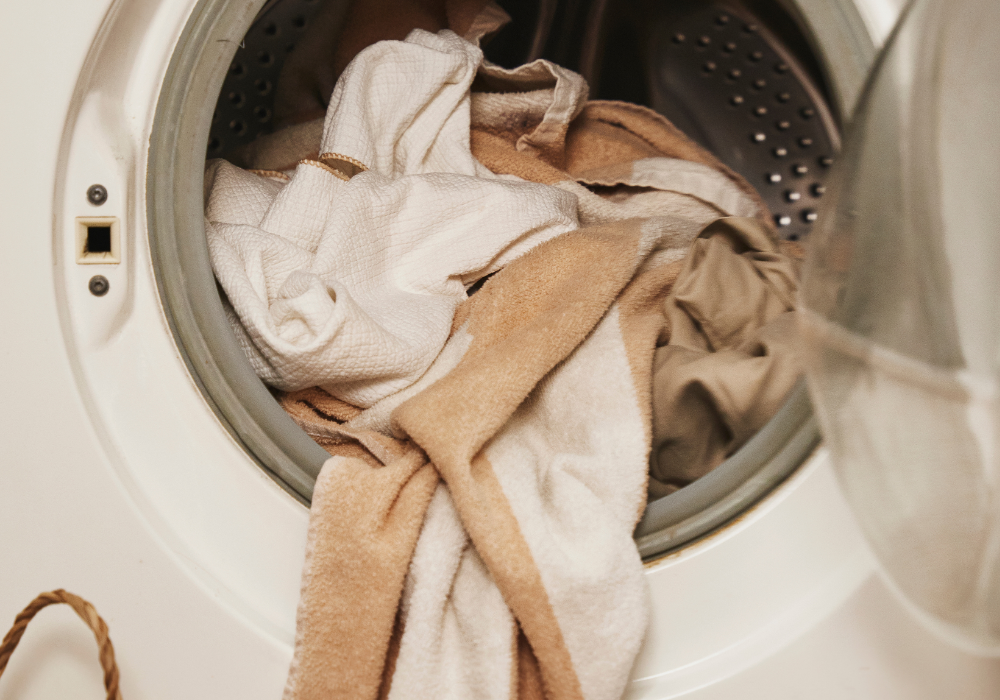
Synthetic fabrics are a major source of microplastics when washed. Each laundry cycle can release thousands of tiny fibers into waterways. These small particles evade traditional water filtration systems and persist in natural habitats.
Incorporating microfiber filters in washing machines can mitigate this effect. These filters capture a significant portion of the fibers before they reach the drains. This simple addition makes a substantial difference in curbing the release of microplastics from everyday laundry routines.
3. Disposing of plastic packaging carelessly in the environment.
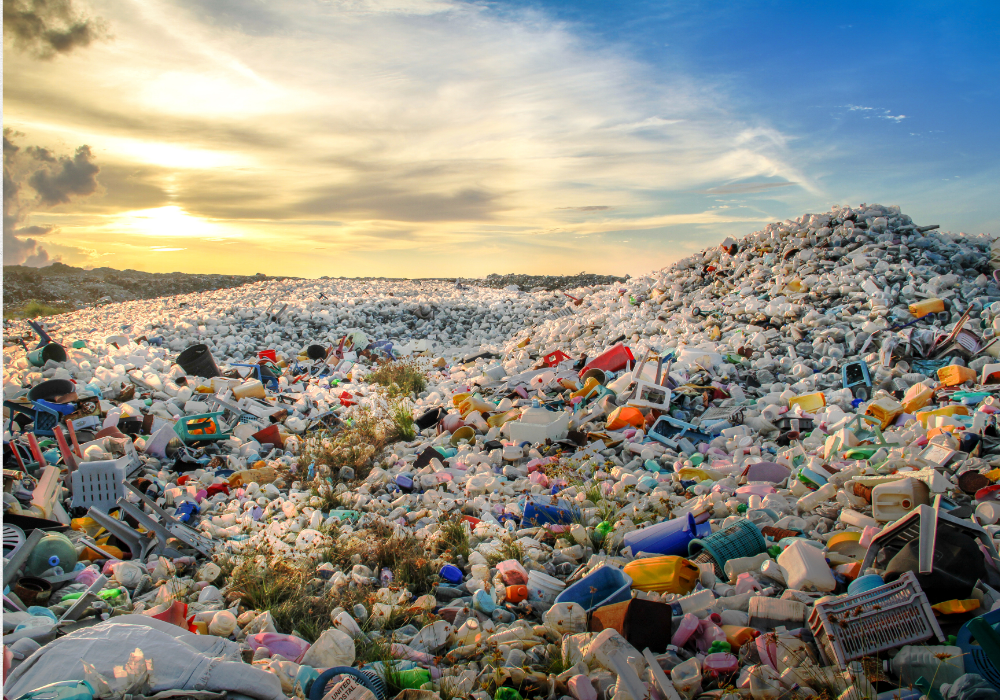
Plastic packaging, often used for convenience, ends up in oceans and landscapes, breaking into microplastics. Once fragmented, these minuscule particles are nearly impossible to clean up. They are frequently ingested by marine life, disrupting ecosystems.
Proper disposal and recycling of such packaging can reduce its adverse environmental impact. Avoiding careless littering maintains cleaner communities and protects natural habitats from further microplastic contamination. This practice contributes significantly to sustainability efforts.
4. Relying on plastic bags instead of reusable alternatives when shopping.
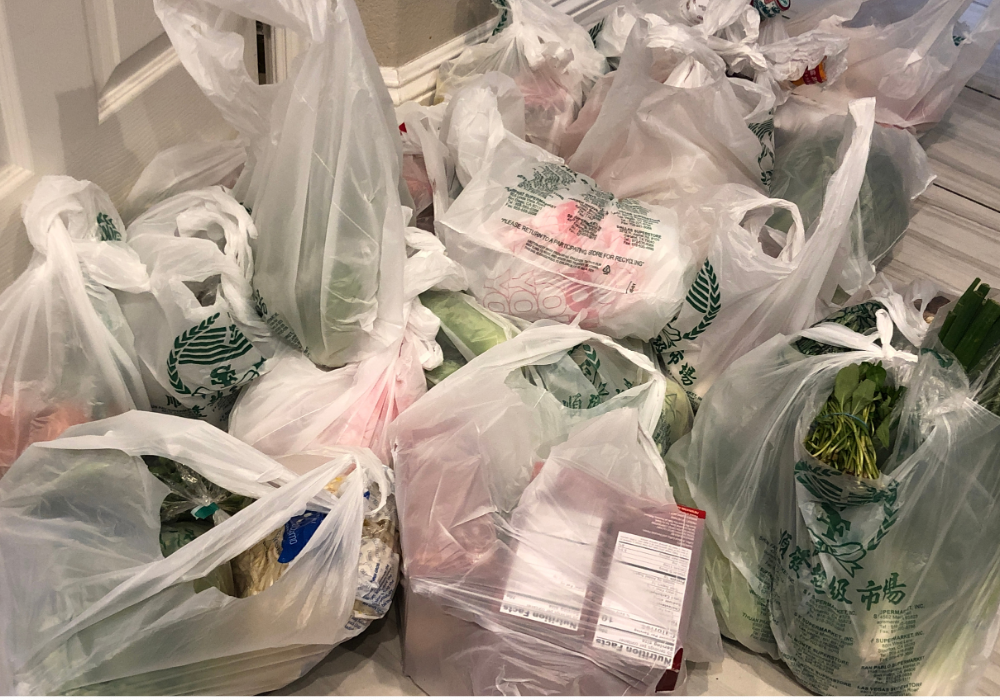
Using plastic bags instead of reusable alternatives continues to propel microplastics into the environment. Single-use bags can easily tear and degrade outdoors, fragmenting under stress. The increasing spread of these particles poses threats to wildlife and water systems.
Opting for durable, reusable shopping bags helps lessen this strain. Each decision to reuse reduces the proliferation of single-use plastics. This simple swap aligns everyday behavior with eco-conscious practices, offering a straightforward way to engage in pollution reduction.
5. Overlooking the presence of microplastics in personal care products.
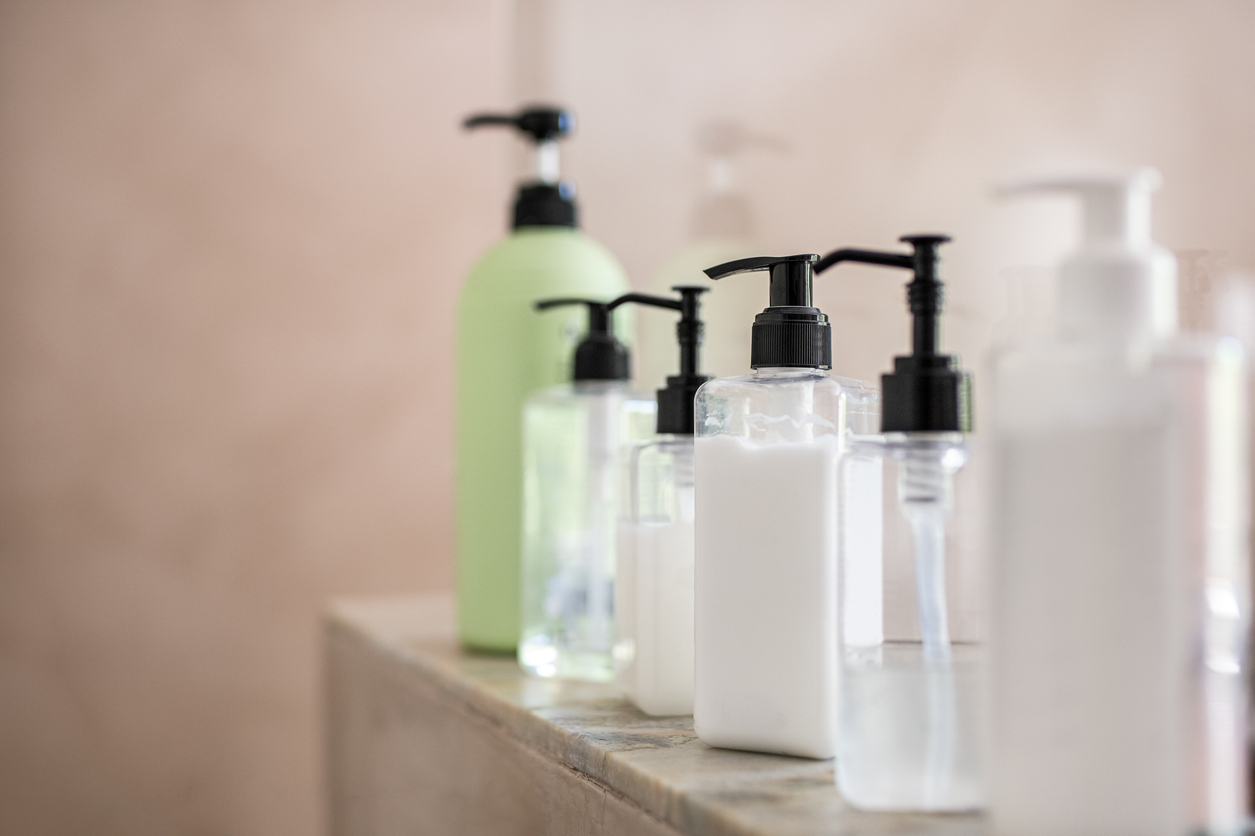
Some personal care products, like certain toothpaste and exfoliants, contain tiny plastic beads intended for scrubbing. Despite their small size, these microbeads contribute to substantial pollution. They bypass filtration systems and accumulate in waterways.
Awareness of ingredient labels helps identify products containing microplastics. Choosing alternatives with natural exfoliants aligns personal grooming with environmental responsibility. Reducing reliance on these products limits the addition of plastic to aquatic environments.
6. Failing to choose natural fiber clothing over polyester blends consistently.

Polyester and other synthetic materials shed fibers far longer than expected. Regular wear and washing cause continuous fiber release, unnoticed to the naked eye. These fibers add to the microplastic load in our environment.
Choosing natural fibers like cotton and wool significantly reduces microplastic release. Fabrics made from natural materials tend to shed less plastic over time. Preference for these options in fashion and daily wear assists in decreasing pollution levels.
7. Discarding cigarette butts improperly, contributing to plastic litter.
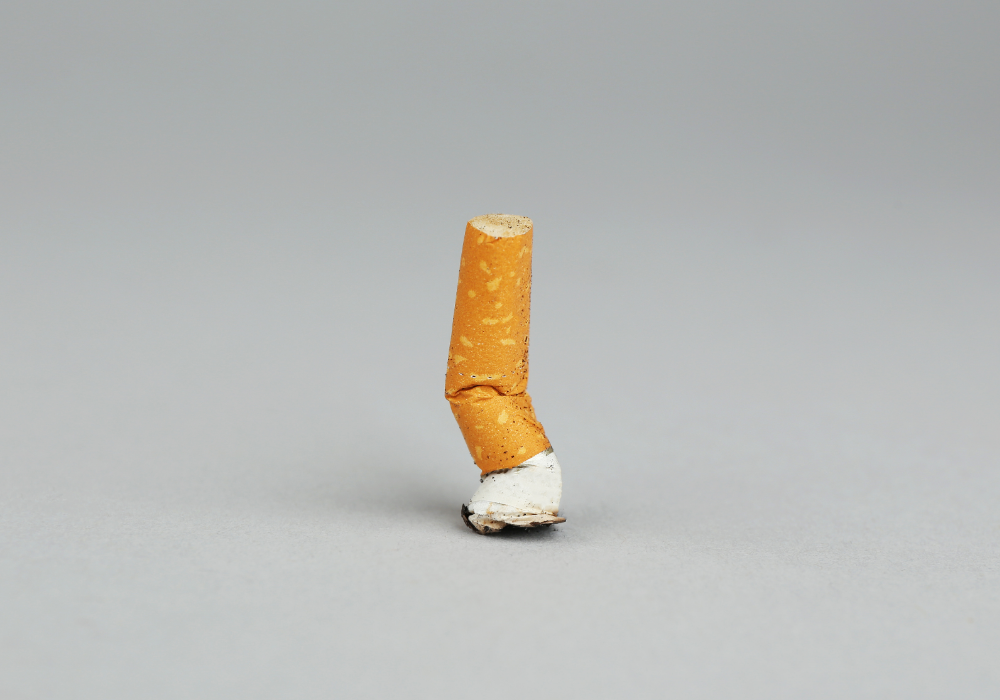
Improperly discarded cigarette butts introduce plastic into the environment. Composed of cellulose acetate, these butts don’t break down as quickly as biodegradable materials. Rainwater runoff often carries them into waterways, where they become entrenched.
Secure disposal in designated receptacles reduces their environmental footprint. Recognition of the plastic within cigarettes aids in understanding their broader impact. Improved disposal methods contribute to cleaner community environments.
8. Ignoring recycling guidelines and mixing plastics with other waste.
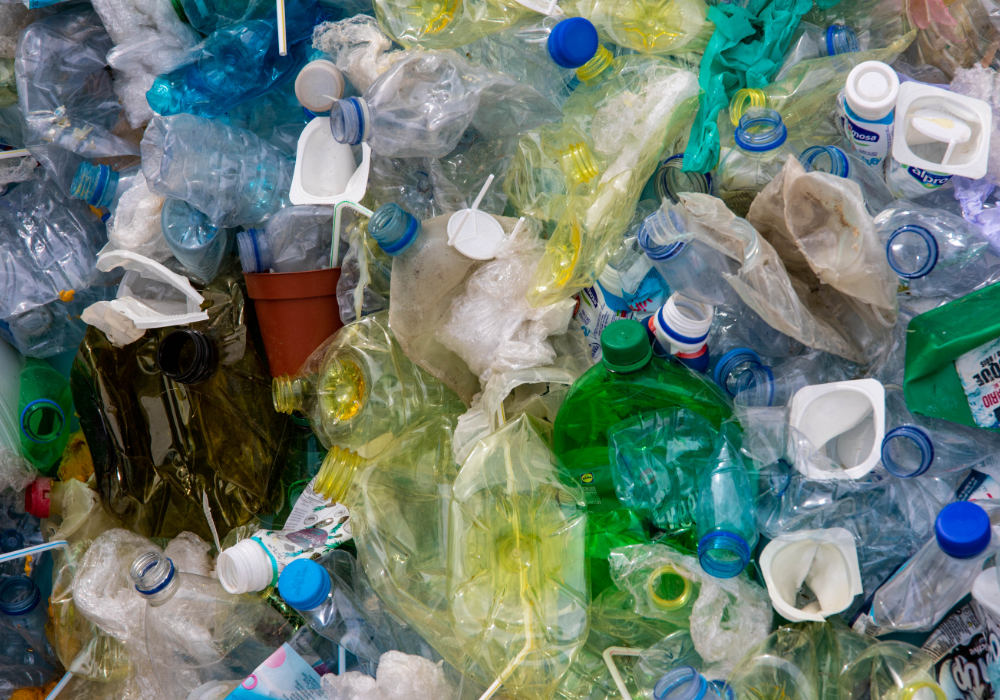
Improper recycling habits, such as mixing plastics with non-recyclables, complicate waste processing. When plastics end up in landfill rather than being properly recycled, they gradually degrade into microplastics. These fragments pose a persistent problem to soil and aquatic systems.
Understanding local recycling guidelines ensures correct sorting and disposal, enhancing recycling efficiency. This effort supports better resource management by reducing the contamination of recyclable materials. It encourages a proactive approach to environmental stewardship.
9. Using abrasive cleaning sponges that shed plastic microfibers during use.

Abrasive cleaning sponges may seem innocuous but can shed microfibers during use. The synthetic materials used in these sponges slough off microscopic particles that drain into water systems. Erosion from regular use exacerbates this shedding.
Utilizing sponges made from natural or biodegradable materials can decrease this effect. Though small, this change contributes to reducing an ongoing source of microplastic pollution. Improved choices in everyday cleaning supplies support sustainable practices.
10. Frequently consuming takeout meals packaged in plastic containers.
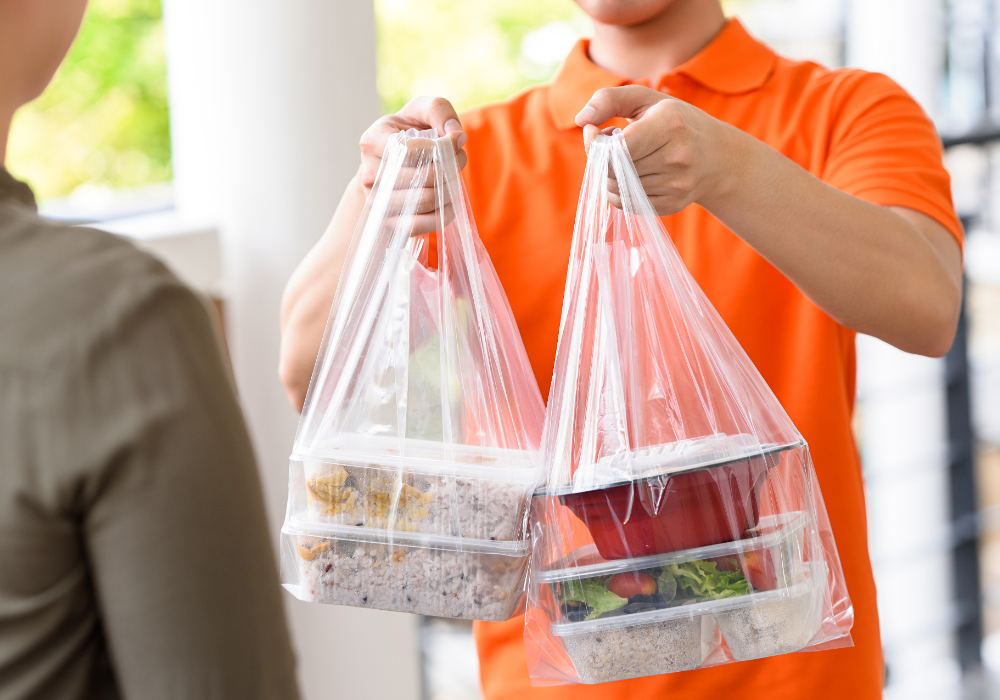
Takeout meals often come packaged in single-use plastics. These containers contribute substantial volumes of waste that can break down into microplastics. Balancing convenience with environmental impact requires reconsidering packaging choices.
Reducing dependence on plastic-packaged meals helps limit this contribution. Using personal containers for leftovers reflects a commitment to decreasing plastic waste. This small shift in behavior aids in aligning daily routines with sustainable values.