
From survival miracles to unexpected behaviors, these facts uncover a side of the bison few have heard about.

The American bison has long been a symbol of the North American plains, yet many of its most extraordinary traits remain unfamiliar to most people. Once numbering in the tens of millions, the species endured near-extinction, dramatic recovery efforts, and a long cultural legacy tied to Indigenous communities. Today, new research continues to reveal surprising details about their behavior, biology, and resilience. These insights offer a deeper look at an animal whose story is far more remarkable than its iconic image suggests.
1. Bison Once Roamed North America in Vast, Thundering Herds

Before the 19th century, an estimated 30–60 million bison lived across North America, stretching from Canada to northern Mexico. Early explorers wrote of herds so dense they darkened the horizon for miles. Their movements shaped grasslands, redistributed nutrients, and influenced entire ecosystems.
This massive population helped support countless species and provided food, tools, and cultural meaning for Indigenous communities. Their near-disappearance changed the continent’s ecological balance, making their historical presence crucial to understanding the land’s natural rhythms.
2. Overhunting Nearly Drove the Species to Extinction

By the late 1800s, commercial hunting, habitat loss, and U.S. government policies aimed at undermining Indigenous food sources reduced bison numbers to fewer than 1,000 animals. Their skulls were piled in railcars, and pelts were shipped by the thousands.
This collapse happened within just a few decades. Without early conservationists and Indigenous leaders who protected remnant herds, the species might have vanished entirely. Their recovery remains one of the most dramatic wildlife turnarounds in history.
3. Conservation Efforts Saved the Remaining Herds

In the early 20th century, ranchers, tribal nations, and organizations such as the Bronx Zoo and Yellowstone National Park collaborated to rebuild bison numbers. Small herds were reintroduced to public and tribal lands, forming the foundation of today’s population.
Thanks to these efforts, roughly 500,000 bison now live in North America, though most are managed in commercial herds. Truly wild, genetically pure bison still number only in the thousands, making conservation work ongoing and essential.
4. Bison Are Surprisingly Fast and Agile for Their Size
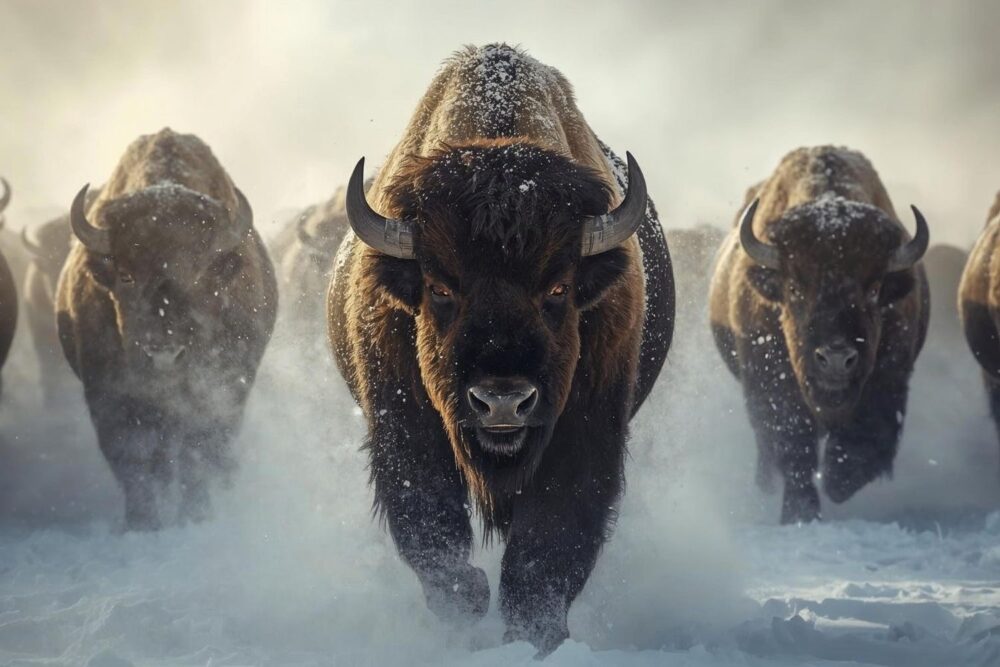
Despite weighing up to 2,000 pounds, bison can run speeds of 35–40 mph, making them faster than most horses. They can pivot quickly, jump fences, and navigate uneven terrain with remarkable balance.
Their athleticism often surprises visitors to national parks, where calm behavior can shift instantly if a bison feels threatened. This combination of strength and speed helped them survive predators and navigate long migrations across open landscapes.
5. Their Humps Are Powerful Muscles, Not Fat

The distinctive hump on a bison’s back is formed by large shoulder muscles supported by elongated vertebrae. These muscles give bison the strength to plow through snow and dig for buried grasses during winter.
This adaptation allows them to survive harsh conditions that would challenge other grazing animals. By using their heads like snowplows, they can uncover food even in deep winter, giving them a major advantage in cold climates.
6. Bison Influence Grasslands Through Their Grazing Habits

Bison graze in patterns that differ from cattle, moving frequently and cropping vegetation at varying heights. This behavior promotes plant diversity, supports pollinators, and helps maintain healthy prairies.
Their wallows—shallow depressions created when bison roll in dust—also create microhabitats for insects and plants. Ecologists now recognize bison as a “keystone species,” meaning their presence has outsized effects on the ecosystems they inhabit.
7. Bison Play an Important Role in Indigenous Cultures
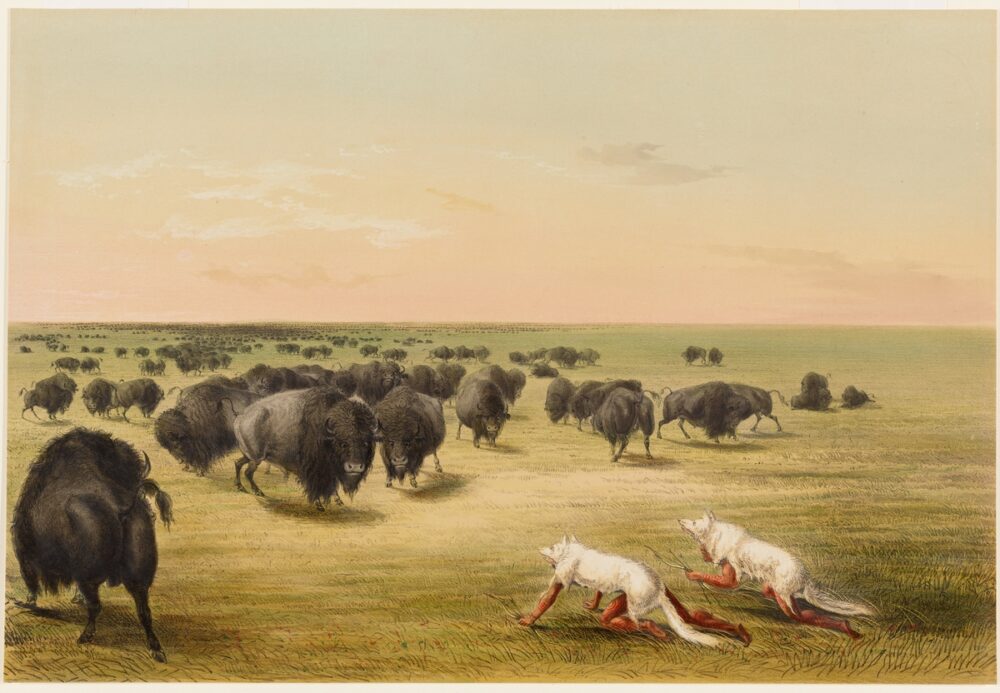
For thousands of years, Indigenous nations relied on bison for food, clothing, tools, and spiritual meaning. Every part of the animal served a purpose, and bison were central to ceremonies, stories, and daily life.
Today, tribal nations lead major bison restoration efforts across the United States. These projects aim to restore cultural connections, revitalize traditional knowledge, and bring ecological benefits to tribal lands.
8. Yellowstone Hosts the Only Continuously Wild Herd
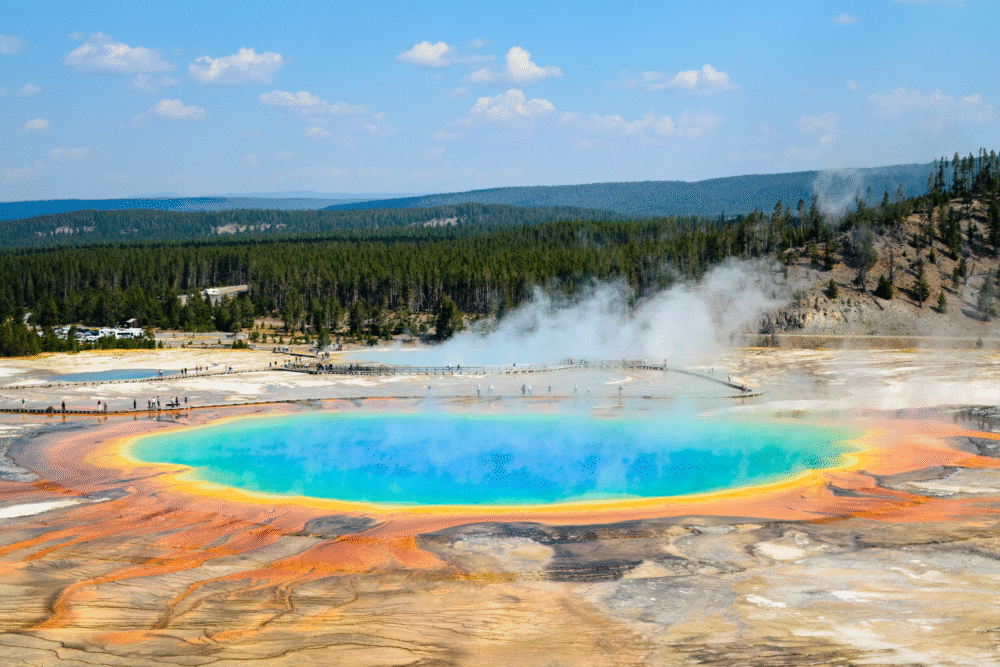
The Yellowstone bison herd is the only one in the United States that has lived continuously in the wild since prehistoric times. These animals retain genetic traits lost in many commercial herds and behave much like their ancient ancestors.
Their protection has been a long-standing conservation priority. Because they migrate seasonally beyond park boundaries, Yellowstone bison also play a central role in modern wildlife management debates and restoration initiatives.
9. Bison Are Skilled Communicators With Complex Social Structures

Bison live in matrilineal herds led by older females who make decisions about movement and feeding. They use body language, vocalizations, and even scent signals to communicate within the group.
During mating season, bulls display dominance through bellows, posturing, and dramatic dust-rolling behaviors. These social dynamics reveal a species with far more complexity than its rugged appearance suggests.
10. The Bison Became America’s National Mammal in 2016

In recognition of its cultural, historical, and ecological importance, the United States named the American bison the national mammal in 2016. This designation highlights the species’ remarkable recovery and its ongoing role in shaping national identity.
The title also underscores the need for continued conservation. As efforts expand across public, tribal, and private lands, the bison’s story continues to evolve—symbolizing resilience, restoration, and respect for the natural world.