
The air around us is transforming—and so is our future.

Most of what’s changing in the atmosphere isn’t visible. You can’t see methane gathering or ozone shifting. You won’t feel an uptick in water vapor as it happens. But the air is no longer what it was—and these invisible shifts are already reshaping life below. As greenhouse gases accumulate and atmospheric chemistry evolves, everything from weather to agriculture to human health is being pushed into unfamiliar territory.
These aren’t distant forecasts. They’re active transformations happening now, tracked in satellite data and temperature trends, unfolding whether we look up or not. The atmosphere is Earth’s protective layer, its heat regulator, its oxygen distributor. And right now, it’s being destabilized in ways we’ve never seen before in human history. These first five shifts reveal just how much the sky is changing—and how deeply those changes will impact life on the ground.
1. The jet stream is slowing—and weather is getting stuck.
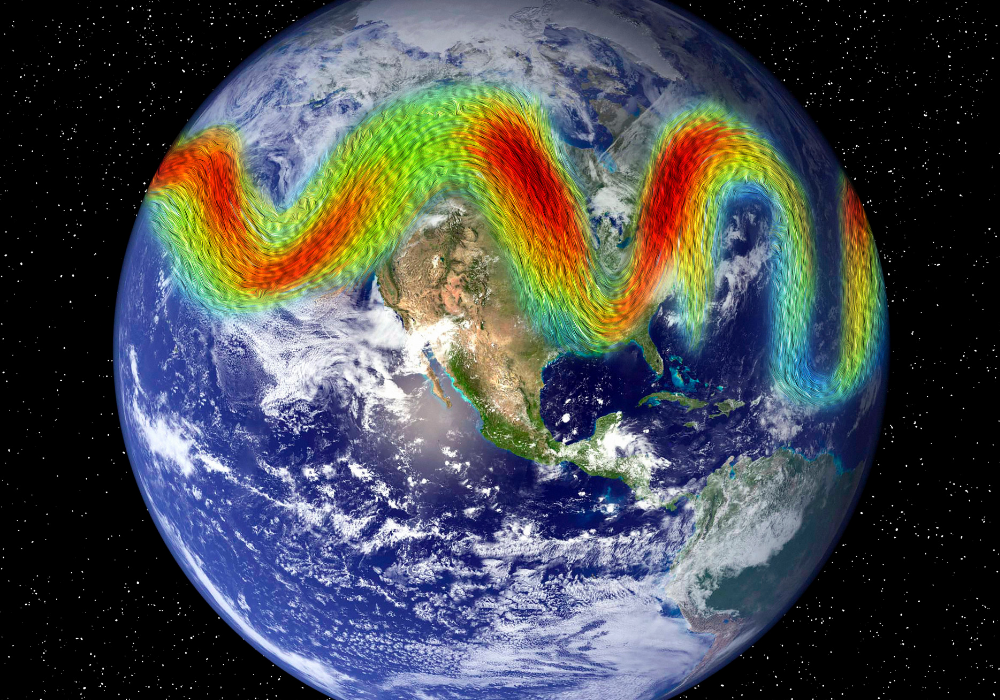
The jet stream acts like a high-speed river of air, helping guide storms and regulate temperatures across continents. But as the Arctic warms faster than the equator—a phenomenon called Arctic amplification—that temperature contrast weakens. Experts at NOAA’s Science On a Sphere explain that this weakening can cause the jet stream to slow down and meander, locking extreme weather in place. This means more prolonged weather extremes: extended heatwaves, stalled rainstorms, lingering cold snaps.
When the jet stream stalls, what should be passing weather becomes a climate crisis. Think of the 2021 Pacific Northwest heat dome or the flooding in Germany and Pakistan—those weren’t just bad luck. They were symptoms of a disrupted atmospheric rhythm. And it’s likely to get worse as polar regions continue to lose ice and warm at record speeds.
2. The ozone layer is healing—but not everywhere, and not fast enough.

After decades of global action, the ozone layer is finally on a path to recovery. Climate officials at the UN Environment Programme report that the Montreal Protocol has sharply reduced ozone-depleting chemicals, and if current commitments are upheld, the Antarctic ozone hole could return to 1980 levels by 2066. That’s a major win—but it doesn’t mean we’re in the clear.
Some parts of the atmosphere are healing faster than others, and unexpected compounds—like nitrous oxide and certain replacement chemicals—are slowing progress. Meanwhile, the ozone layer over the tropics and mid-latitudes remains thin, increasing UV exposure for billions of people. Stronger UV radiation raises skin cancer risks, reduces crop yields, and even damages ocean plankton. The repair process will take decades—and that’s only if current global agreements hold. Any backsliding, even subtle, could stall or reverse this fragile progress.
3. Water vapor is rising—and it’s making storms worse.

As the planet warms, the atmosphere can hold more moisture. The editorial team at NASA Climate highlights that a single degree of warming increases the atmosphere’s water-holding capacity by about 7%, amplifying the severity of extreme weather.
This is a huge deal—because more water vapor means heavier rainfall when storms do happen, and more fuel for hurricanes, blizzards, and atmospheric rivers. This trend is already reshaping weather patterns around the globe. Sudden flash floods, once rare, are becoming regular disasters.
In some regions, it rains harder but less often, leading to cycles of drought and deluge. The extra moisture also traps more heat, creating a feedback loop that accelerates warming even further. It’s not just the rain itself—it’s the new instability it creates in everything from agriculture to urban infrastructure.
4. Methane is spiking—and it’s far more powerful than CO₂.

Carbon dioxide gets most of the attention, but methane is a quieter giant. It traps about 80 times more heat than CO₂ over a 20-year period. And it’s been surging in recent years, with 2023 marking one of the steepest increases ever recorded. Sources include fossil fuel operations, livestock, rice paddies, landfills, and melting permafrost.
Unlike CO₂, methane breaks down in the atmosphere relatively quickly—but its short-term impact is massive. And the rise in emissions suggests that natural systems may be starting to release it faster than we can regulate. Once permafrost starts thawing at scale, we could trigger a feedback loop where methane emissions fuel more warming, which fuels more thawing. It’s a high-stakes domino effect, and we’re already watching the first tiles fall.
5. Airborne microplastics are traveling the globe.

We’ve known for years that microplastics pollute oceans and soils—but now they’re showing up in the sky. Tiny plastic particles are being swept into the atmosphere from roadways, landfills, and even clothing, then carried across continents by wind. They’ve been found in remote mountain ranges, Arctic snow, and even human lungs. These airborne particles pose serious risks. Inhaling them may lead to respiratory issues or immune system disruption.
They can also interfere with cloud formation and precipitation, subtly shifting local climate patterns. And since they don’t break down easily, they persist in the atmosphere for longer than expected. Plastic pollution isn’t just a land or sea problem anymore—it’s becoming part of the air we breathe.
6. Atmospheric rivers are getting stronger—and more destructive.

Atmospheric rivers are long, narrow bands of moisture in the sky that can carry as much water as the Mississippi River. They’ve always existed, but warmer air now allows them to hold even more moisture—turning once-manageable storms into record-breaking deluges. California has seen the impact firsthand, with repeated flooding events causing billions in damage in recent years.
These systems don’t just bring heavy rain—they bring landslides, infrastructure collapse, and overwhelmed reservoirs. Climate change is intensifying them, increasing their frequency and power. And because they’re difficult to predict with precision, they can catch communities off guard. In some areas, this might mean too much water in a matter of hours; in others, it’s the slow erosion of soil and safety over time. The term “river in the sky” used to sound poetic. Now it’s becoming one of the most dangerous forces reshaping our landscape.
7. The stratosphere is cooling—because the lower atmosphere is heating.

It might sound backwards, but as greenhouse gases warm the troposphere (the lowest layer of Earth’s atmosphere), they’re also causing the stratosphere above it to cool. This isn’t a good sign—it’s a major disruption of Earth’s natural heat balance. And it’s more than just a temperature anomaly; it changes how air circulates around the globe.
A cooler stratosphere can affect everything from jet stream behavior to ozone chemistry. It alters how storms develop and can even influence the polar vortex, making winters in some regions harsher and more erratic.
This upper-atmosphere shift is one of the clearest fingerprints of greenhouse gas buildup. And while we may not feel stratospheric cooling on our skin, its impacts are already ricocheting through the weather we do experience—turning jet stream patterns wild and making extreme seasons more common.
8. Saharan dust is traveling farther—and it’s reshaping air quality worldwide.
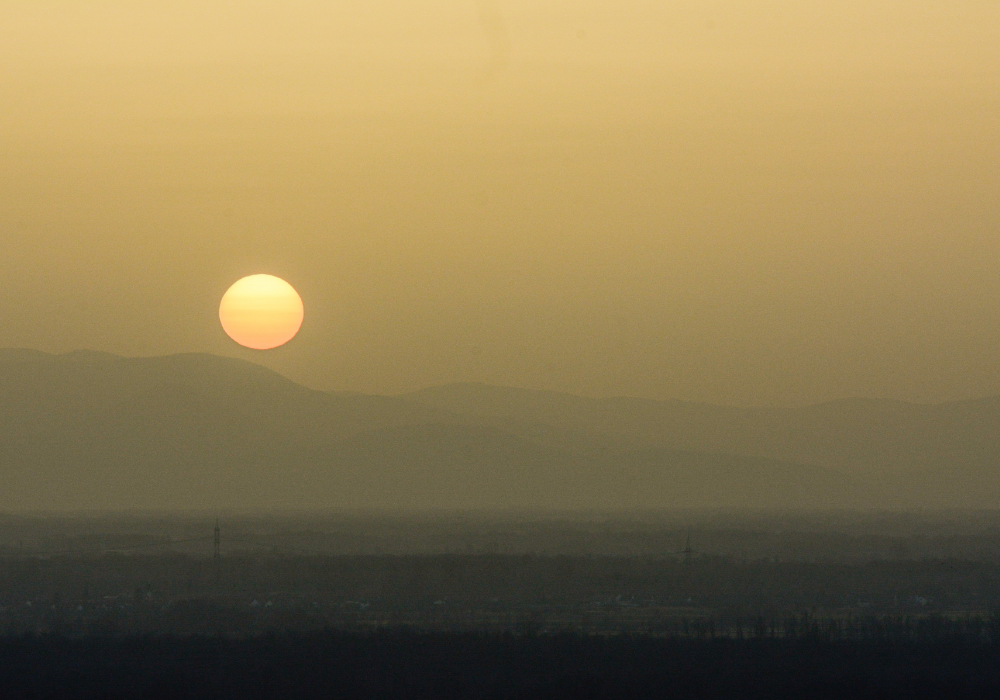
Every year, huge clouds of dust blow off the Sahara Desert and ride the trade winds across the Atlantic. This used to be mostly a regional phenomenon. But now, with changing wind patterns and desertification, these dust plumes are traveling farther and staying airborne longer—impacting air quality and weather patterns in places like the Caribbean, South America, and even the southeastern U.S. Saharan dust can suppress hurricanes by drying out the atmosphere—but it also carries fine particles that worsen respiratory conditions.
For people with asthma or other lung issues, these plumes can make air unhealthy for days. The dust also affects cloud formation, potentially reducing rainfall in already dry regions. While it plays a role in fertilizing ecosystems like the Amazon, the new volume and reach of these plumes are signs of broader atmospheric instability—and another way distant changes are suddenly landing in our own backyards.
9. The tropopause is rising—and that’s shifting storm behavior.

The tropopause is the boundary between the troposphere and the stratosphere. As global temperatures climb, this boundary is rising—literally lifting the lid on the lowest layer of the atmosphere.
That might seem like a minor vertical shift, but it has huge implications for storm dynamics, jet stream location, and how heat is distributed across the globe. With the tropopause rising, storm systems can stretch higher, tapping into more energy and becoming more intense. It also alters flight conditions, increasing turbulence and changing where pilots need to navigate jet streams.
These shifts are part of the reason storms can now “stack” vertically and last longer, dumping more rain and carrying more power. It’s another reminder that climate change isn’t just about heat—it’s about the way the entire atmosphere is moving and mutating.
10. The atmosphere itself is expanding.
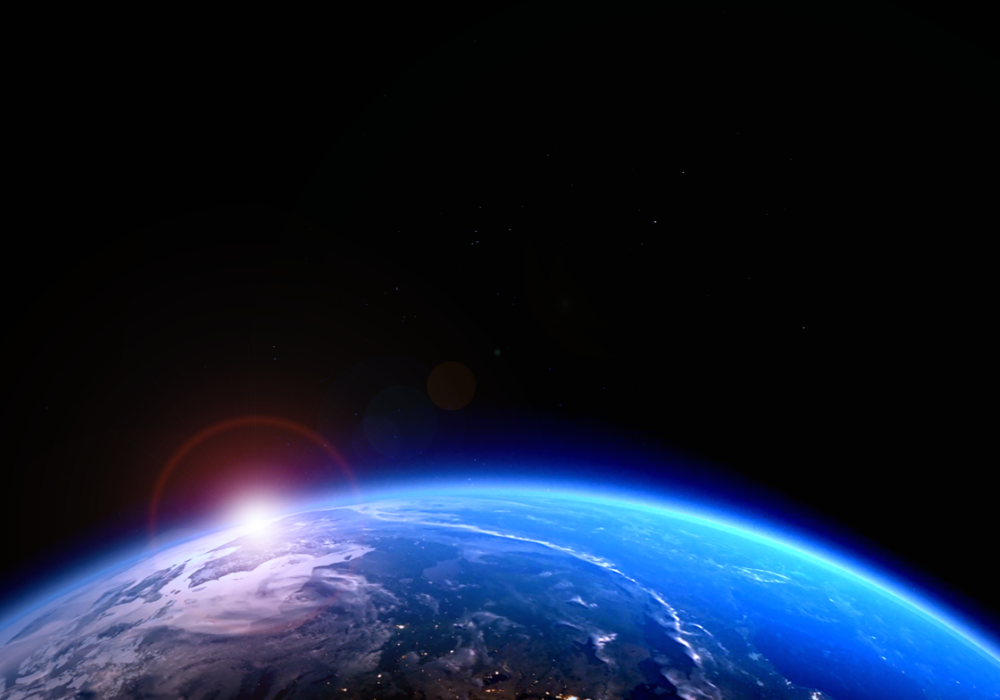
As global temperatures rise, the atmosphere is physically expanding. Heat causes air molecules to move faster and spread out, pushing the boundary of Earth’s atmosphere farther into space. This might sound abstract, but it has real-world effects—especially for satellites, GPS systems, and space junk orbiting the planet.
A puffed-up atmosphere increases drag on satellites and debris in low Earth orbit, which can change how long objects stay in orbit or how they move. It also shifts the density and composition of different atmospheric layers, which affects communication signals and weather prediction tools. This kind of change is subtle but profound. It’s not just about storms or temperature anymore—it’s about the entire shape and function of the atmosphere transforming in real time. The air above us isn’t just warming—it’s swelling. And that changes everything.