
Tossing and rebuying these products is burning your cash and trashing the planet.

You probably bought that reusable bottle, refillable cleaner, or eco-friendly soap pump with good intentions. It felt like a smart choice—less waste, more value, maybe even a step toward a lower-impact lifestyle. But somewhere along the way, the habit didn’t stick. You used it once, maybe twice, and the next time it ran out? You just bought another new one.
This isn’t about shame—it’s about the trap we’ve all been set up to fall into. Brands talk a big game about sustainability, but they still profit more when you replace instead of refill. Convenience wins. Refills are often hidden on bottom shelves or priced nearly the same as new items. And slowly, the pile of plastic and pointless spending adds up. Not because you’re doing anything wrong—but because the system is designed to keep you on autopilot.
1. Hand soap bottles are piling up in your bathroom and your budget.
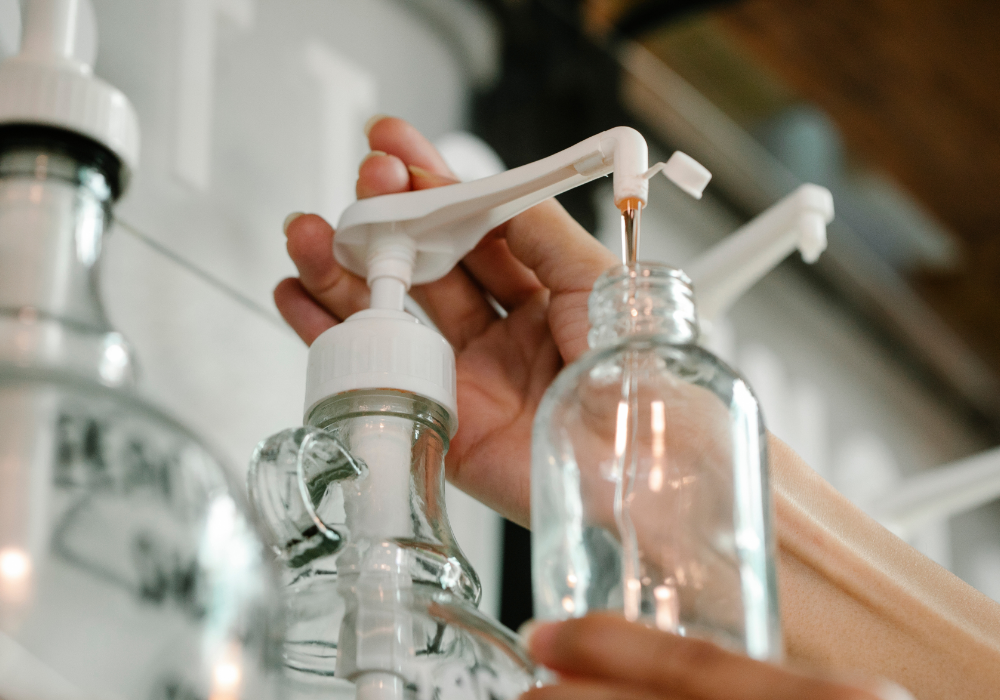
Those $5 soap pumps by the sink feel harmless—until you realize how fast they multiply. Refills exist in jugs, pouches, and tablets, but most people keep buying the full bottle over and over again. You run out, toss the old one, and grab whatever looks the nicest at the store. Meanwhile, the clutter builds and so does the plastic waste. Writers at The Reduce Report found that refillable foaming soap tablets, like those from Blueland, use far less plastic and cost significantly less per ounce than single-use bottles.
Once you’ve got a bottle you like, there’s no reason to keep replacing it—especially when some brands now offer concentrated tablets or bulk jugs that last months. It’s not about perfection. It’s about skipping that automatic new purchase and remembering what you already have at home.
2. Deodorant sticks were designed to be refillable—but you keep rebuying.

Refillable deodorants are everywhere now, but they’re only sustainable if you actually use the refills. The problem? Most people lose the case, break it, or just forget about it and grab a whole new product when they run out.
Writers at Green and Happy Mom point out that while some brands make refillable deodorants look eco-friendly, limited refill access—especially in stores—can turn a reusable product into a single-use one in practice. The cost adds up fast. You pay a premium for a reusable case, but then treat it like a regular stick. That means more packaging, more waste, and way more money spent over time. If the brand you chose isn’t refill-friendly in practice, it might be worth switching to one that makes it easier to stick with the system—or going back to tried-and-true bulk options like crystal deodorant or baking soda blends.
3. Cleaning sprays keep multiplying because the refills are hard to find.

That “forever” spray bottle sounded promising when you bought it—but then the refill ran out, or you lost the little tablet, or the brand stopped carrying it locally. So you grabbed another bottle, and now you’ve got three “sustainable” cleaners under the sink that all look slightly different but do the same thing.
It’s a common trap. The idea is great: keep one bottle, just add water and a refill pod. Amy Sedghi notes in The Independent that while refillable cleaning products reduce waste, inconsistent availability and tricky reordering systems often push users back toward single-use plastics. It helps to choose a refill system you actually enjoy using (or one that’s available in bulk locally), so you’re not stuck in a cycle of rebuying the exact thing you were trying to avoid.
4. Mascara tubes and lipstick cases could last for years—but don’t.

Refillable makeup exists, but the beauty industry isn’t eager to make it easy. Some refill systems only work for certain shades. Others are exclusive to in-store programs or online orders. And when you’re in a rush or tempted by a new launch, you end up tossing the whole tube instead of reusing what you already paid for. Those sleek refillable lipstick cases or high-end mascara tubes are designed to last, but only if you commit to the process.
That means sticking with one product long enough to refill it instead of chasing new packaging every time. It’s not just about waste—it’s about shifting from collector to conscious user. And in an industry built on constant turnover, that’s harder than it sounds.
5. Candle jars are refillable—even if the brand doesn’t tell you that.

Most glass candle jars are sturdy enough to be reused multiple times, but we’re trained to toss them when the wick burns out. Brands love this, because it means you’ll buy another $30 jar instead of just refilling the one you already have.
Meanwhile, your shelf fills with empties you might repurpose someday—but probably won’t. Refill kits are easy to find online, and some local makers even offer wax refills that drop right into your old container. You can also melt down remnants from burned-out candles to create your own blends. It takes a bit more effort upfront, but once you’ve done it once, it’s hard to justify paying for the same glass jar over and over again.
6. Razor handles are built to last, but you’re still buying disposables.

Reusable razors were supposed to cut down on waste and cost, but only if you actually commit to using them long-term. Whether it’s a safety razor with blades or a refillable cartridge system, the whole point is to not replace the handle every time. But when you’re in a rush or traveling, it’s tempting to grab a disposable pack and call it a day. The problem is that disposable razors are some of the worst offenders when it comes to plastic waste—and they’re wildly overpriced for how short they last.
If you’ve already got a solid razor handle, you’re sitting on a long-term solution. All it takes is a pack of refills (or blades, if you’re using a safety razor) and a bit of routine. You don’t need five backup razors in your drawer. Just one that actually sticks around.
7. Laundry jugs are refillable—but most people just keep replacing them.
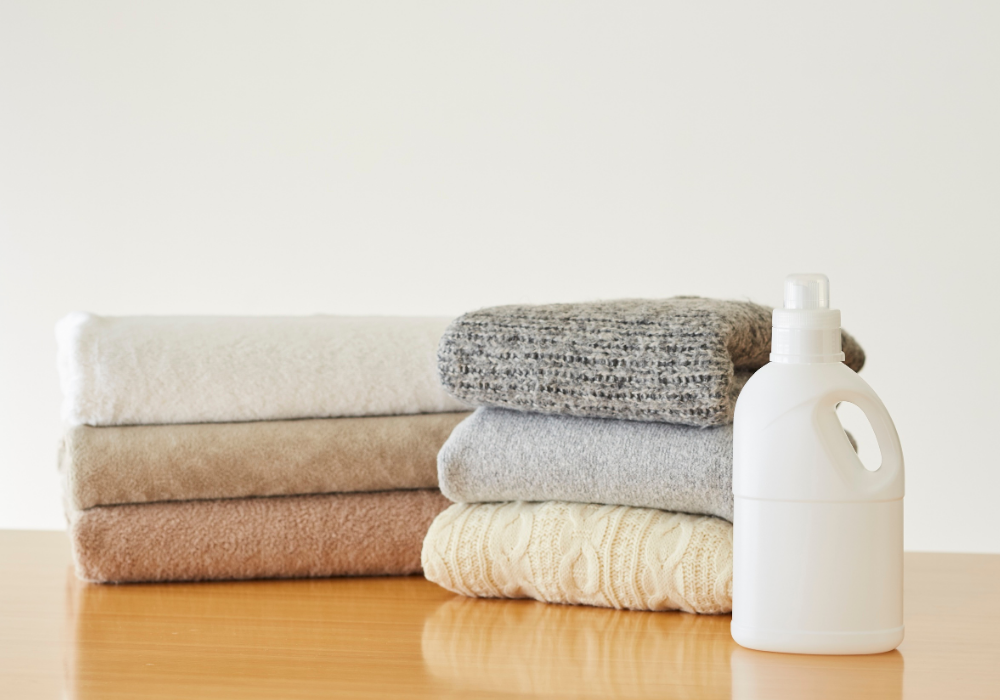
Big, bulky detergent bottles seem like the last thing you’d want to buy more of, but they keep ending up in carts. That’s partly because the refill stations are harder to find, and partly because most people aren’t aware they even exist. Meanwhile, your laundry room slowly fills with half-used plastic jugs that all claim to be “eco-friendly” but still end up in the trash.
If you’ve already invested in a detergent jug you like, look for refill options in powder form, concentrate, or even liquid by the gallon. Some brands have store refill stations, and others let you mail back your empty containers. The upfront switch might feel like a hassle, but long-term? It cuts back on plastic, saves space, and costs way less per load. You’ve already made the sustainable choice—now you just have to follow through.
8. Shampoo and conditioner bottles are refillable, but most stores hide the good stuff.
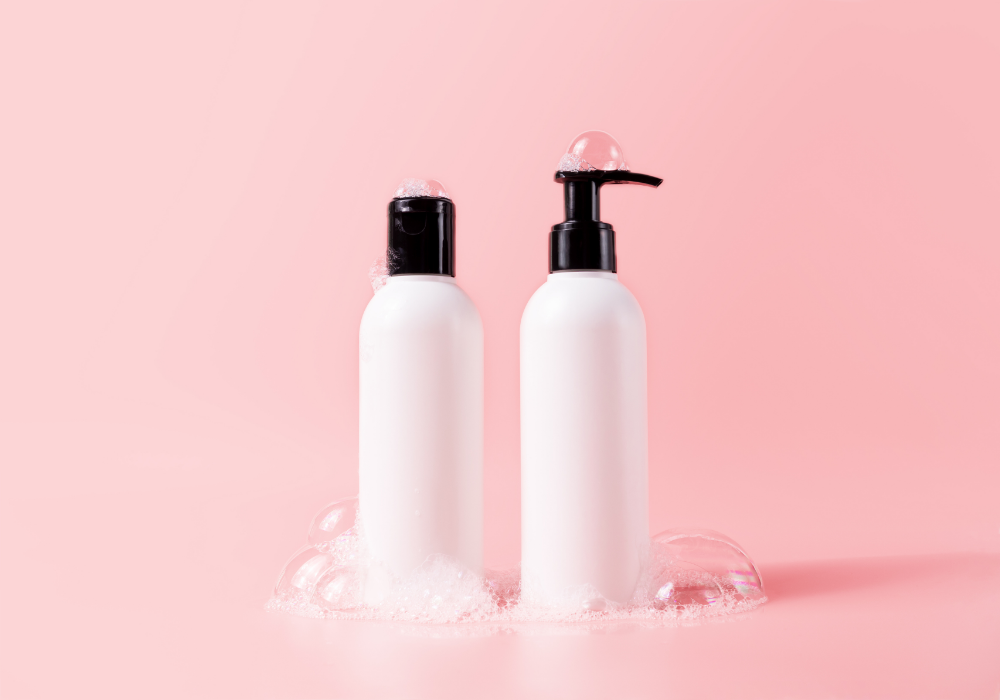
You’ll see the same plastic haircare bottles lining store shelves again and again. Many are marketed as natural, eco-conscious, or salon-grade, but they still expect you to throw out a full container every few weeks.
Meanwhile, the bulk refill section—if your store even has one—is tucked in the back or barely stocked. Haircare refills are easier to find than you think. Some salons offer them for their in-house products. Some online brands ship concentrates or pouches that drastically cut back on packaging. And if you’re really into simplifying, shampoo bars cut the waste altogether. No one’s asking you to give up your favorite formula. But if you’re loyal to a brand, see if they reward that loyalty with a refill system that doesn’t treat every bottle like single-use.
9. Toothpaste tubes aren’t single-use—but you’ve been trained to think they are.
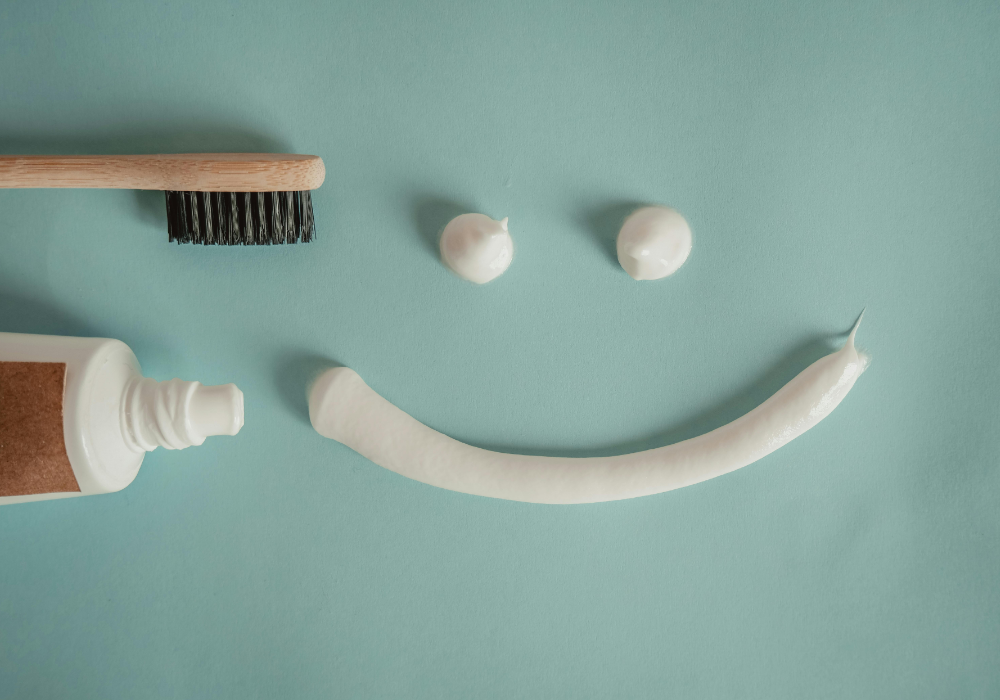
Traditional toothpaste tubes are almost always tossed the moment they’re empty, but more companies now offer refillable pumps, tablets, or glass jars. The problem? You probably tried it once, decided it felt weird, and went straight back to the tube. That’s fair—old habits die hard, especially when it comes to daily routines.
Still, those tiny tubes add up. Billions of them hit landfills each year, and you’re buying the same plastic again and again for something that could easily be shipped in bulk or repackaged sustainably.
If you’ve already tried a refill system and didn’t love it, you don’t have to settle—there are tons of options now, and some are way closer to the regular toothpaste experience than you’d expect. The packaging should change, not your whole routine.
10. Pens are refillable—but you probably didn’t even realize it.
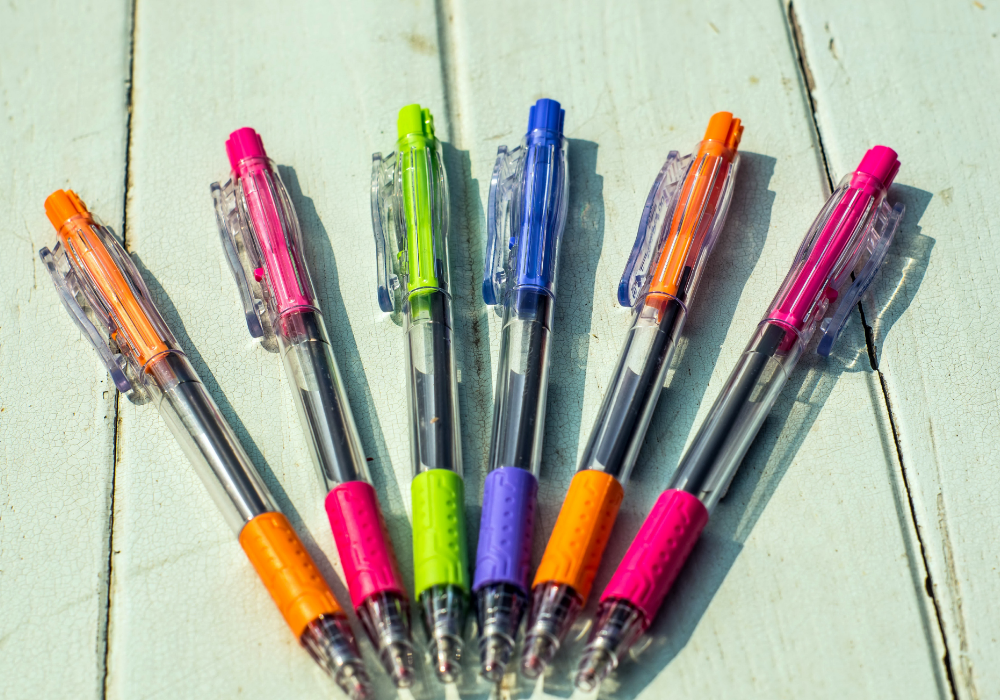
You wouldn’t think of pens as a major source of waste, but if you go through them quickly, you’ve likely thrown away hundreds over the years. Most people just grab a new pack without a second thought, even though gel pens, fountain pens, and even certain ballpoints are designed to be refilled. Refill cartridges are usually cheaper than new pens, and some brands offer bulk ink that lasts for months. The trick is finding a pen you actually like enough to keep using.
Once you do, it becomes less about novelty and more about ease—just like using a reusable water bottle instead of buying a new one every time you’re thirsty. It’s a small switch, but it cuts back on waste and adds a little intentionality to your everyday tools.