
How loyalty, instinct, and bonding turn certain dogs into natural family protectors.

Dogs have lived alongside humans for thousands of years, developing instincts shaped by close partnership and trust. For some breeds, staying alert and watchful isn’t something they’re trained to do—it’s an ingrained response tied to bonding and awareness of their surroundings.
Animal behavior experts note that protectiveness doesn’t always involve aggression. It often shows up as quiet vigilance, strategic positioning, and an instinct to stay close when something feels unfamiliar or wrong.
These dog breeds are known for behaviors that make them especially attentive to the people they love. Their guarding instincts are subtle, rooted in loyalty, and expressed through presence rather than force.
1. With a German Shepherd nearby, very little goes unnoticed

German Shepherds are highly intelligent dogs that constantly scan their environment, even in calm settings. They often place themselves between their owners and unfamiliar people or sounds, responding more to changes in energy than obvious threats.
This breed’s guarding instinct is closely tied to attentiveness rather than aggression. Their strong bond with family members makes them highly responsive to subtle cues, allowing them to sense discomfort or danger long before it becomes obvious.
2. A Rottweiler’s calm presence often hides a watchful mind

Rottweilers tend to be relaxed and affectionate with their families, but they are always quietly assessing what’s happening around them. They are particularly sensitive to unfamiliar behavior and changes in routine.
Rather than reacting quickly, Rottweilers rely on judgment and restraint. Their instinct to guard comes from strong family loyalty, making them dependable protectors who observe first and act only when they sense genuine concern.
3. Dobermans seem to stay one step ahead of their surroundings

Dobermans are known for forming intense bonds with their owners, often sticking close and tracking movement within a space. Their awareness makes them highly responsive to unusual sounds or unexpected visitors.
This breed’s protectiveness often shows through positioning and alert body language. Dobermans tend to mirror their owner’s emotional state, stepping into a guarding role when they sense stress, uncertainty, or potential danger nearby.
4. Great Pyrenees don’t rush—but they’re always watching

Originally bred to guard livestock, Great Pyrenees dogs bring that same calm vigilance into family life. They appear laid-back, but they constantly monitor their environment, especially at night.
Their guarding instinct is patient and deliberate. Rather than reacting impulsively, Great Pyrenees assess situations slowly, making them dependable guardians who prioritize presence, boundaries, and steady awareness over sudden action.
5. Belgian Malinois rarely stop paying attention

Highly driven and mentally sharp, Belgian Malinois are always engaged with what’s happening around them. They form strong attachments to their people and instinctively position themselves close when something feels off.
This breed’s guarding behavior stems from responsiveness and focus. They react quickly to changes in tone, movement, or routine, making them exceptionally alert companions when protection relies on awareness rather than intimidation.
6. Bullmastiffs protect through quiet confidence

Bullmastiffs are known for their calm demeanor and strong physical presence, but their guarding instinct is rooted in restraint. They often observe silently, intervening only when they sense a genuine need.
Instead of constant movement, Bullmastiffs rely on positioning and stillness. Their loyalty to family members makes them naturally protective, offering reassurance simply by staying close and aware.
7. Akitas tend to guard through loyalty, not noise

Akitas are deeply devoted to their families and often reserved around strangers. They usually remain quiet, watching carefully rather than reacting loudly to unfamiliar situations.
This breed’s protective instinct is based on discernment. Akitas are selective in their responses, stepping into a guarding role only when they feel their people are truly threatened or uneasy.
8. Cane Corsos rely on judgment more than reaction
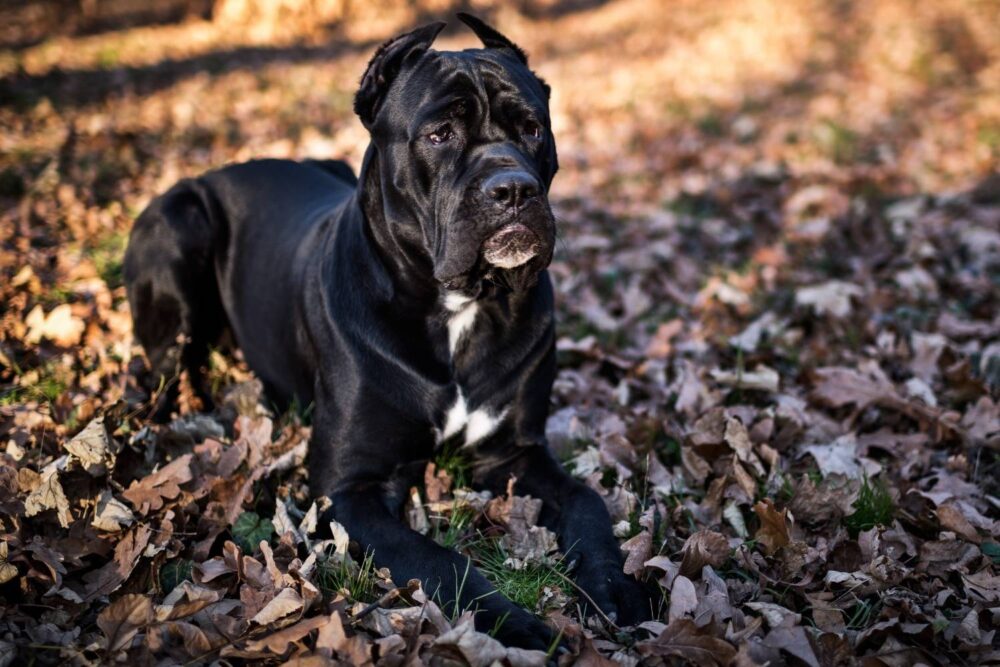
Cane Corsos are powerful dogs with a strong sense of responsibility toward their households. They observe interactions closely and often place themselves near family members during uncertain moments.
Their guarding instinct is controlled and intentional. Rather than reacting impulsively, Cane Corsos assess body language and tone, responding when their protective instincts tell them something isn’t right.
9. Rhodesian Ridgebacks stay alert while appearing relaxed

Ridgebacks often look calm and easygoing, but they maintain constant awareness of their surroundings. They tend to monitor entrances, sounds, and unfamiliar movement without drawing attention to themselves.
This breed’s protectiveness shows through quiet attentiveness. Ridgebacks are known for staying close to their people, ready to respond if they sense discomfort or potential danger.
10. With a Boxer around, families are rarely alone

Boxers form strong emotional bonds with their owners and are highly responsive to changes in mood or environment. They often position themselves near family members, especially during unfamiliar situations.
Their guarding instinct is driven by connection rather than dominance. Boxers rely on alertness, closeness, and intuition, making them watchful companions who protect through presence and loyalty rather than force.