
From melting ice shelves to record heat, these early climate warnings reveal a planet changing faster than predicted.

The signs are getting harder to ignore. What once felt like distant warnings about the planet’s future are now showing up in real time, faster than anyone expected. You don’t have to be a scientist to notice the changes—hotter summers, strange weather swings, and seasons that don’t feel quite right.
It’s unsettling because it challenges the idea that we have decades to prepare. The pace is picking up, and with it comes a growing sense of urgency. Whether you follow climate news closely or not, the world outside your window is telling a story that’s impossible to overlook.
1. Glaciers Are Melting at Speeds No One Anticipated
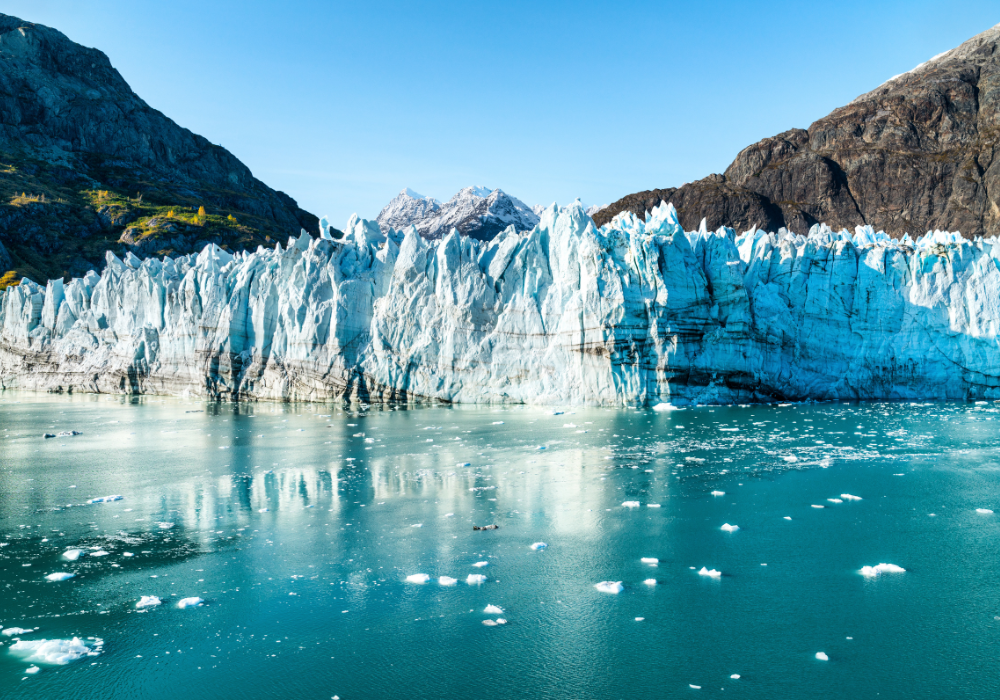
Glaciers have always moved slowly, but now they’re retreating at record rates. In places like Greenland and the Himalayas, centuries-old ice is vanishing in decades. This isn’t just about losing scenic landscapes—it’s about disrupting water supplies for millions of people who depend on glacier-fed rivers.
When ice melts too quickly, sea levels rise, and coastal communities face greater flooding risks. Scientists once believed these changes would unfold far later in the century, but the data shows otherwise. The speed of this melt is a clear signal that Earth’s temperature shift is hitting harder and faster than many predicted.
2. Heatwaves Are Surging in Places Once Considered Cool
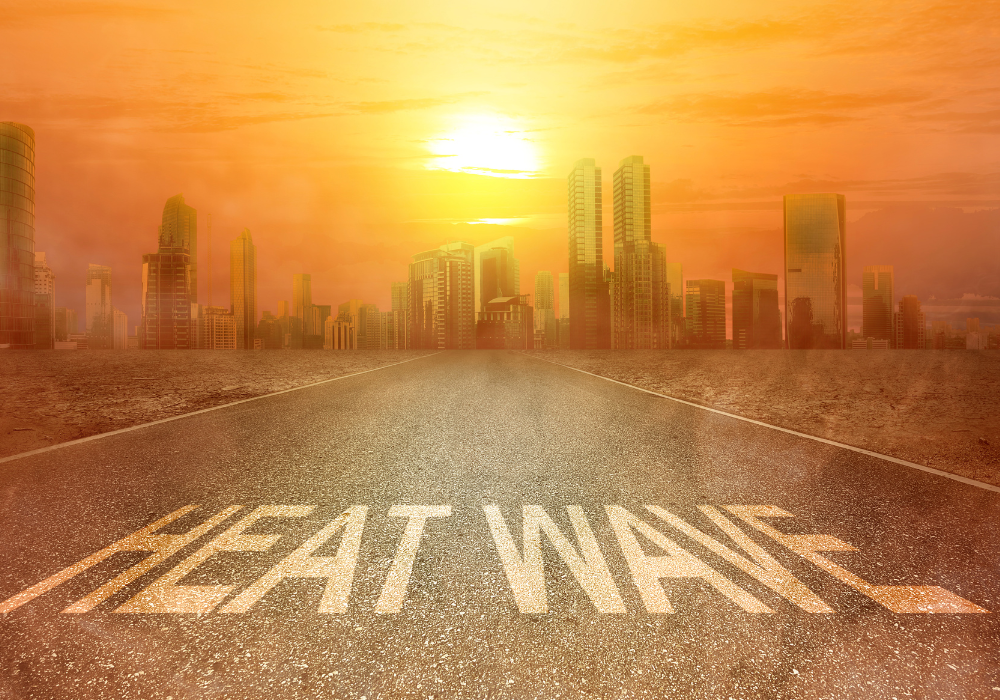
Heatwaves used to be a problem for hot, dry regions. Now, cities with mild climates are experiencing scorching spells that rival desert heat. Northern areas, from Canada to Scandinavia, are breaking temperature records summer after summer. These spikes don’t just make people uncomfortable—they stress power grids, damage crops, and put vulnerable populations at serious health risk.
Climate models once suggested these extremes wouldn’t be common for decades, but they’re already here. The surprise isn’t just the heat itself, but how quickly it’s become a regular threat in places that never had to prepare for such blistering conditions before.
3. Ocean Temperatures Are Smashing Records Year After Year

The ocean acts like Earth’s thermostat, absorbing much of the planet’s excess heat. But now, sea surface temperatures are reaching levels scientists didn’t expect until far in the future. Warmer oceans fuel stronger storms, bleach coral reefs, and disrupt marine ecosystems that billions rely on for food.
The recent streak of record-breaking warmth has stunned researchers and fishermen alike. What was once a slow, creeping trend has become a sharp upward climb. When the ocean warms this quickly, it throws off the balance of entire weather systems, affecting everything from monsoon patterns to hurricane intensity worldwide.
4. Arctic Sea Ice Is Shrinking Faster Than Predicted

Every summer, the Arctic loses some of its ice, but in recent years, the decline has been both rapid and extreme. Vast areas of reflective white ice are being replaced by dark ocean water, which absorbs more heat and accelerates warming. This feedback loop was expected to unfold gradually, but the pace has left scientists scrambling to update their models.
For wildlife like polar bears and seals, it means shrinking habitats. For the rest of the planet, it means a destabilized climate system that could have ripple effects far beyond the polar regions we rarely see in person.
5. Rainfall Patterns Are Becoming Wildly Unpredictable

Once-reliable rainy seasons are shifting, bringing drought where there used to be abundance and floods where there was once stability. Farmers are finding it harder to plan their crops, and water managers are struggling to balance shortages and surpluses. These shifts can lead to food price spikes, water disputes, and even mass migration in some regions.
The expectation was that such changes would creep in slowly, giving societies time to adjust. Instead, entire regions are experiencing whiplash weather within a single year, proving that climate instability is not a far-off problem—it’s already knocking on the door.
6. Coral Reefs Are Bleaching More Often Than Ever Before
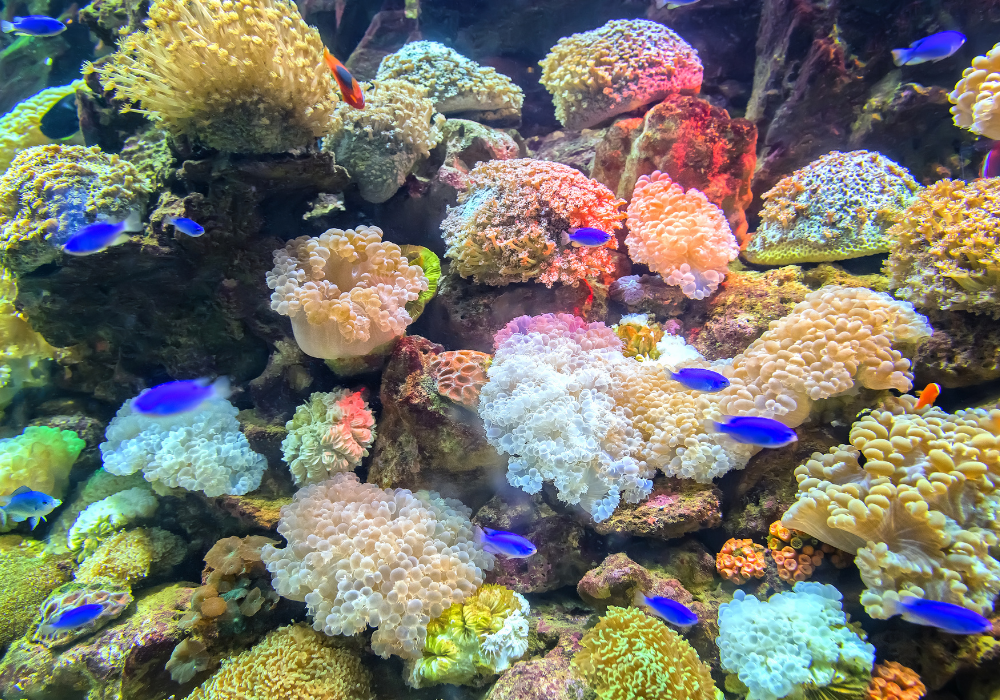
Coral reefs are like rainforests of the sea, teeming with life. But they’re incredibly sensitive to temperature shifts. In the past, bleaching events—when corals expel the algae they rely on—were rare and spread out over decades. Now, they’re happening every few years, giving reefs no time to recover.
This rapid pace was not in the forecasts, and it’s devastating for the fish, tourism, and coastal protection they provide. Entire reef systems are at risk of collapsing within a human lifetime. What’s unfolding now is a preview of how fragile ocean ecosystems can unravel when pushed too far.
7. Permafrost Is Thawing and Releasing Ancient Carbon Stores

Beneath the Arctic tundra lies permafrost—frozen ground that has locked away carbon for thousands of years. It was once assumed it would stay frozen for centuries, but rising temperatures are causing it to thaw at alarming rates. As it melts, it releases greenhouse gases like methane, which is far more potent than carbon dioxide.
This creates a vicious cycle, where warming triggers more emissions, which then cause more warming. Communities built on permafrost are also seeing their foundations literally sink. The speed of this thaw is rewriting climate timelines and adding urgency to an already complex global challenge.
8. Wildfires Are Burning in Places They Rarely Struck Before

Wildfires used to be seasonal events in certain dry, fire-prone areas. Now, they’re breaking out in unexpected regions—wet forests, northern tundras, and even rainforests. Warmer temperatures, prolonged droughts, and shifting winds are creating perfect storm conditions for these blazes to ignite and spread. Fires not only destroy homes and habitats, but they also release massive amounts of carbon into the atmosphere.
Many areas now face year-round fire risk, something once thought impossible. The rapid spread into new territory shows how climate change is redrawing the global fire map faster than anyone thought was realistic.
9. Sea Levels Are Rising Quicker Than Forecasts Predicted

Sea level rise has long been a concern, but it was expected to be a slow climb. Instead, satellite data shows it’s accelerating, driven by faster ice melt and thermal expansion as the oceans warm. Low-lying cities are already battling more frequent flooding, and some coastal neighborhoods face the prospect of permanent loss.
The faster the rise, the less time there is for infrastructure upgrades or managed retreat. What was once measured in millimeters per year is now becoming visible in streets and backyards, making it impossible to treat sea level rise as a distant concern.
10. Extreme Storms Are Intensifying at Record Speed
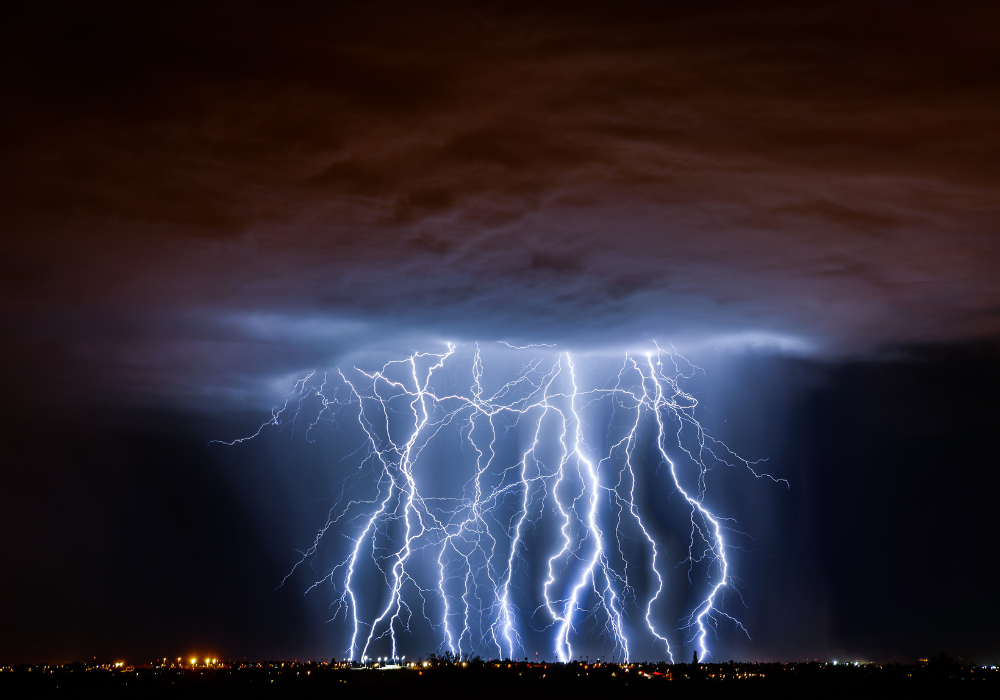
Hurricanes, typhoons, and cyclones are not only forming more quickly but also strengthening faster than in decades past. Scientists call this “rapid intensification,” and it means storms can jump from mild to catastrophic in less than a day. Warmer ocean waters and shifting atmospheric patterns are giving storms more fuel, catching communities off guard.
Predictions once placed this kind of activity well into the future, but it’s already happening. For millions living in storm-prone areas, the timeline for preparation has shrunk dramatically, making early warning systems and climate resilience more important than ever before.