
Science-backed remedies hiding in your kitchen that doctors rarely mention for everyday ailments.
Your medicine cabinet is probably stuffed with over-the-counter pills, but some of the most effective treatments for common health problems might already be sitting in your spice rack or growing in your backyard.
While pharmaceutical companies spend billions marketing their latest solutions, researchers have been quietly studying remedies that humans have used for thousands of years—and many of them actually work. These aren’t miracle cures or snake oil promises, but legitimate, science-backed treatments that can complement or sometimes replace conventional medicine.
1. Ginger destroys nausea better than most prescription drugs
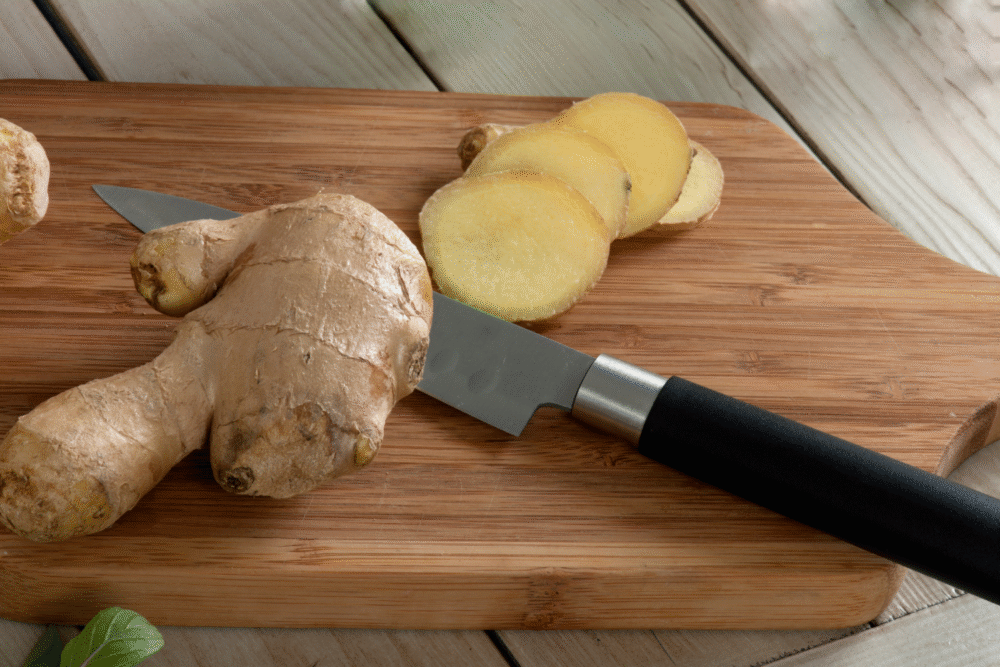
Clinical studies show that ginger is as effective as ondansetron (Zofran) for treating nausea, whether it’s from motion sickness, morning sickness, or chemotherapy. The active compounds gingerol and shogaol work by blocking serotonin receptors in your digestive tract that trigger the vomiting reflex. A mere quarter-teaspoon of ground ginger can settle your stomach within 30 minutes.
Unlike prescription anti-nausea medications that can cause drowsiness or constipation, ginger actually aids digestion and has anti-inflammatory properties. You can chew crystallized ginger, sip ginger tea, or take ginger capsules. Pregnant women have safely used ginger for morning sickness for centuries, though you should check with your doctor about dosage.
2. Honey heals wounds faster than antibiotic ointments
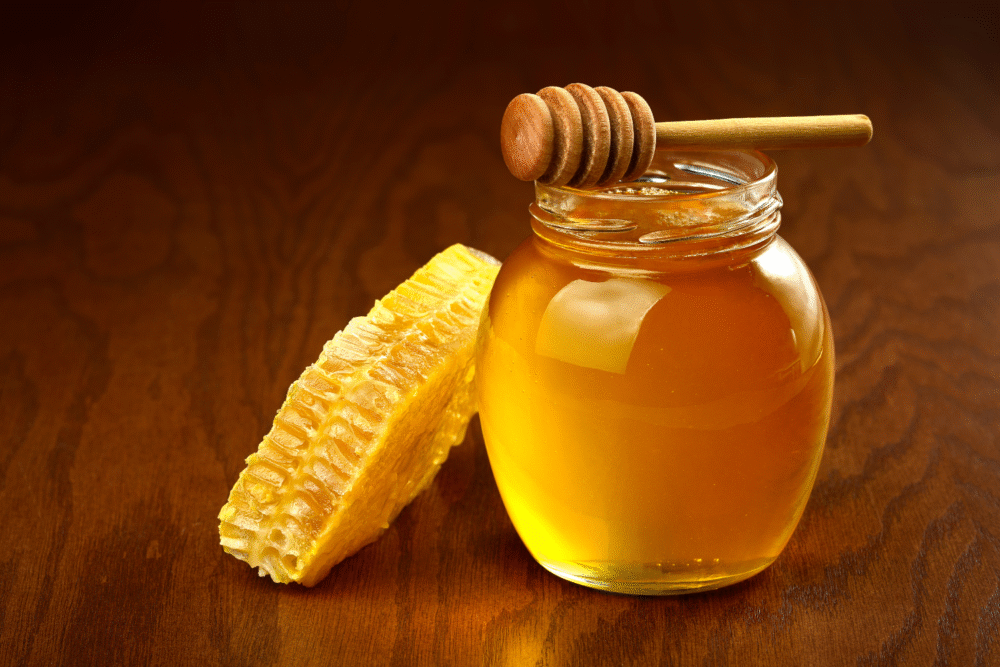
Medical-grade honey, particularly Manuka honey, has been shown to accelerate wound healing and fight antibiotic-resistant bacteria like MRSA. The honey creates a protective barrier while its natural enzymes produce hydrogen peroxide, creating an environment where harmful bacteria can’t survive. Some hospitals now use honey-based dressings for diabetic ulcers and surgical wounds.
Raw honey contains antimicrobial compounds that actually increase in potency when applied to wounds. It reduces inflammation, draws out infection, and promotes new tissue growth. For minor cuts and burns, a thin layer of raw honey under a bandage can speed healing and reduce scarring better than conventional topical antibiotics.
3. Turmeric fights inflammation like ibuprofen without the stomach damage

Curcumin, the active ingredient in turmeric, has anti-inflammatory effects comparable to ibuprofen and other NSAIDs, but without the gastrointestinal side effects. Studies show that 500mg of curcumin twice daily can reduce joint pain and swelling in arthritis patients as effectively as prescription anti-inflammatory drugs.
The key is absorption—curcumin needs black pepper or fat to be properly absorbed by your body. Mix turmeric with a pinch of black pepper in warm milk, or take it with a meal containing healthy fats. Unlike NSAIDs that can damage your stomach lining with long-term use, turmeric actually supports digestive health.
4. Cranberries prevent UTIs by making bacteria slip and slide
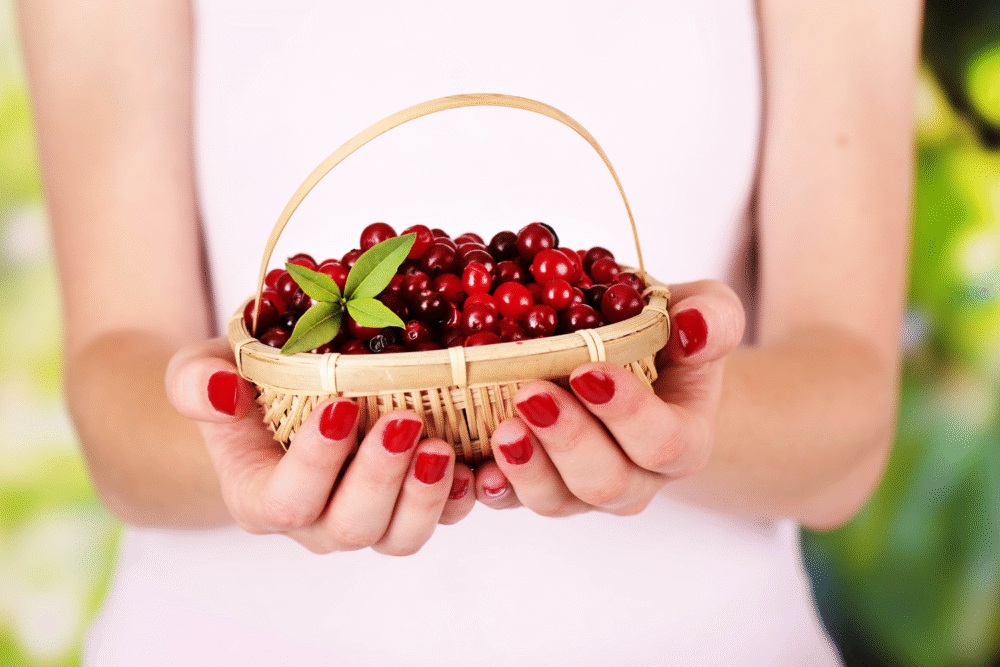
Fresh cranberry juice (not the sugar-loaded cocktail version) contains proanthocyanidins that prevent E. coli bacteria from sticking to urinary tract walls. Without something to grab onto, the bacteria get flushed out when you urinate. This mechanical action makes cranberries particularly effective for preventing recurring UTIs.
You need about 8 ounces of pure cranberry juice daily for prevention, though the taste is quite tart. Unsweetened cranberry capsules work just as well and are easier on your taste buds. Women who drink cranberry juice regularly have a 40% lower risk of developing UTIs compared to those who don’t.
5. Garlic drops cholesterol levels as effectively as some prescription medications
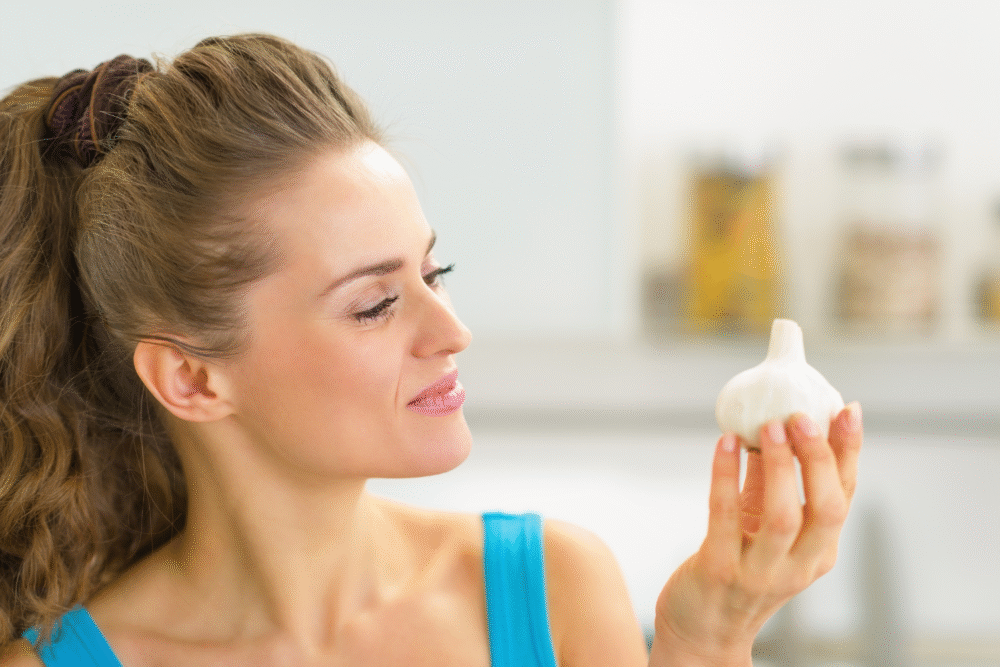
Aged garlic extract can lower total cholesterol by 10-15% and reduce LDL (bad) cholesterol by up to 20% when taken consistently for 12 weeks. The sulfur compounds in garlic inhibit cholesterol synthesis in the liver, similar to how statin drugs work. Garlic also helps prevent the oxidation of cholesterol that leads to arterial plaque buildup.
Fresh garlic works best when crushed and allowed to sit for 10 minutes before cooking, which activates the beneficial compounds. If you can’t handle the strong taste or smell, odorless aged garlic extract supplements provide the same cardiovascular benefits without the social consequences.
6. Chamomile tea works as well as anti-anxiety medications for mild to moderate anxiety

Multiple clinical trials show that chamomile extract reduces anxiety symptoms as effectively as benzodiazepine medications for generalized anxiety disorder. The compound apigenin in chamomile binds to the same brain receptors as anti-anxiety drugs, promoting relaxation without the risk of dependence or withdrawal.
Drinking 2-3 cups of chamomile tea daily provides therapeutic levels of active compounds. Unlike prescription anxiety medications, chamomile doesn’t cause drowsiness, memory problems, or dependency. It’s gentle enough for children and safe for long-term use, making it an excellent first-line treatment for stress and mild anxiety.
7. Peppermint oil relieves IBS symptoms better than many prescription treatments

Enteric-coated peppermint oil capsules reduce IBS symptoms—including abdominal pain, bloating, and irregular bowel movements—by 40-50% in clinical studies. The menthol in peppermint oil relaxes smooth muscle in the intestinal wall and has antimicrobial properties that help rebalance gut bacteria.
The key is using enteric-coated capsules that dissolve in your intestines rather than your stomach, preventing heartburn. Take 0.2-0.4ml of peppermint oil in capsule form 30 minutes before meals. Many gastroenterologists now recommend peppermint oil as a first-line treatment for IBS before trying prescription medications.
8. Valerian root knocks you out naturally without the morning grogginess
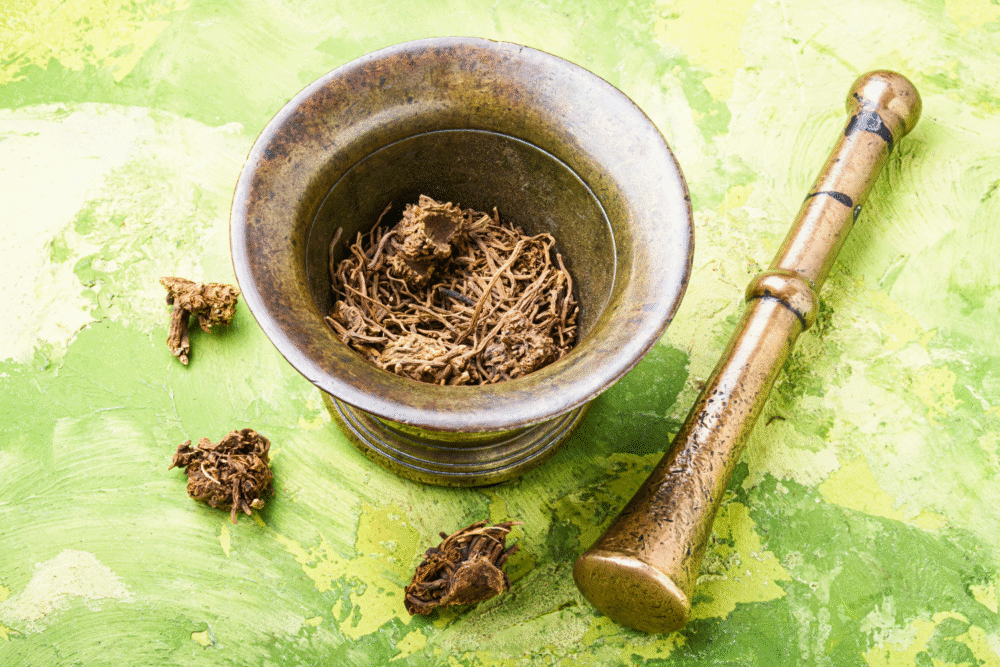
Valerian root increases GABA levels in your brain, the same neurotransmitter that sleep medications target, but without creating dependency or next-day drowsiness. Studies show valerian improves sleep quality and reduces the time it takes to fall asleep by about 15-20 minutes.
Unlike prescription sleep aids that can lose effectiveness over time, valerian works consistently without building tolerance. Take 300-600mg about an hour before bedtime. The smell is quite pungent (some people say it smells like dirty socks), but capsules eliminate the odor issue while providing the same benefits.
9. Aloe vera gel heals burns and cuts faster than conventional wound care

Fresh aloe vera gel contains compounds that accelerate wound healing, reduce inflammation, and provide antimicrobial protection. Studies show aloe speeds healing of first and second-degree burns by increasing collagen synthesis and improving blood circulation to the affected area. It’s particularly effective for sunburns and minor kitchen burns.
Break open a fresh aloe leaf and apply the clear gel directly to clean wounds or burns. The cooling effect provides immediate pain relief while the healing compounds get to work. Store cut aloe leaves in the refrigerator for up to a week—the cold gel feels even better on burns and doesn’t lose its therapeutic properties.
10. Apple cider vinegar controls blood sugar spikes as well as diabetes medications
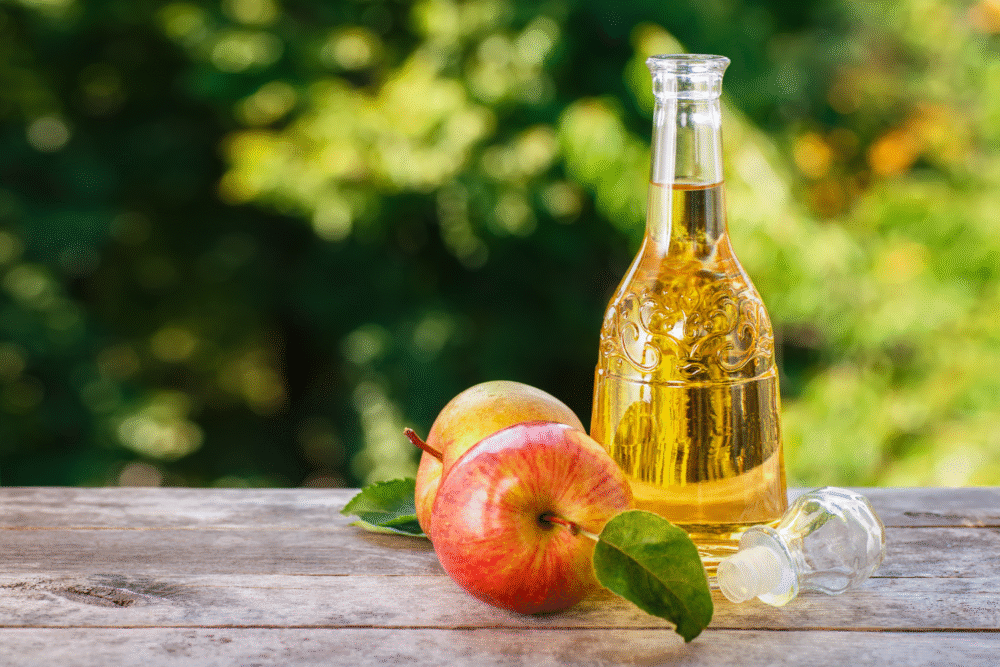
Taking 2 tablespoons of apple cider vinegar before meals can reduce post-meal blood sugar spikes by 20-30% in both diabetic and non-diabetic individuals. The acetic acid in vinegar slows carbohydrate digestion and improves insulin sensitivity, helping your body process glucose more efficiently.
Mix apple cider vinegar with water and drink it 15-20 minutes before eating carbohydrate-rich meals. The effect is most pronounced with high-glycemic foods like bread, pasta, and potatoes. While it’s not a replacement for diabetes medication, it can help reduce the severity of blood sugar swings when used consistently.
11. Eucalyptus oil clears congestion better than commercial decongestants
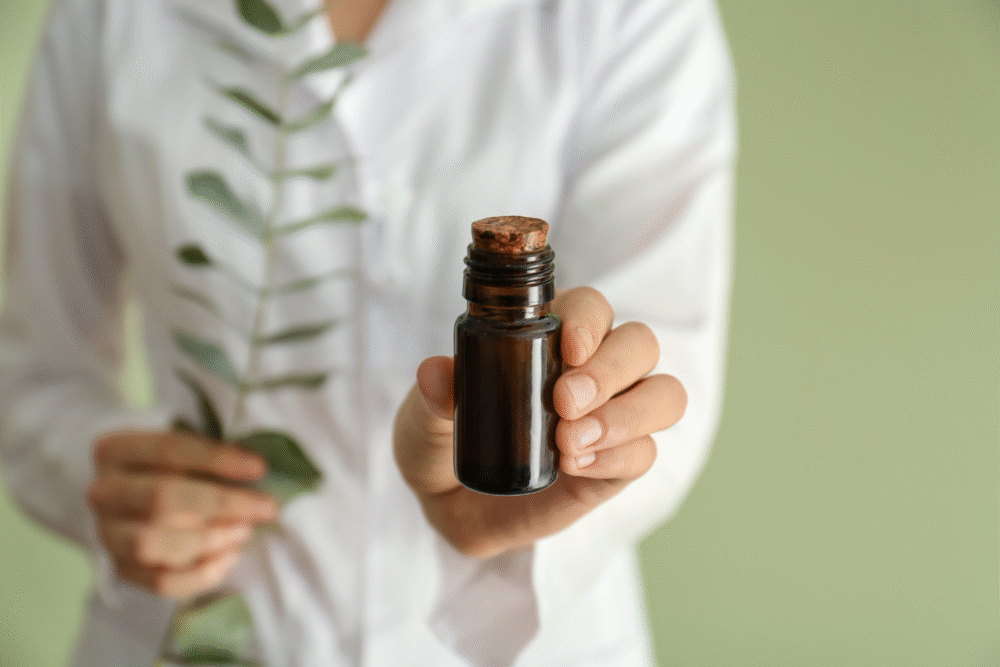
Eucalyptus oil contains cineole, which reduces inflammation in respiratory passages and helps break up mucus. Inhaling eucalyptus steam or using eucalyptus chest rubs can provide faster congestion relief than oral decongestants, without the side effects like elevated blood pressure or insomnia.
Add 3-4 drops of eucalyptus oil to a bowl of hot water and inhale the steam for 5-10 minutes, or rub diluted eucalyptus oil on your chest before bed. The antimicrobial properties also help fight respiratory infections while the menthol-like compound opens airways naturally.
12. Lavender oil reduces pain and anxiety as effectively as pharmaceutical interventions

Topical lavender oil reduces pain perception by affecting sodium channels in nerve cells, providing relief comparable to topical analgesics. Inhaled lavender aromatherapy has been shown to reduce anxiety levels as much as lorazepam (Ativan) in some studies, while also improving sleep quality and reducing stress hormones.
Apply diluted lavender oil to temples, wrists, or areas of muscle tension for pain relief. For anxiety and sleep issues, put a few drops on your pillow or use a diffuser in your bedroom. The scent alone triggers relaxation responses in your nervous system within minutes of inhalation.