
Despite decades of evidence, the fossil fuel industry continues to spread misleading claims about climate and energy.

For more than half a century, fossil fuel companies have shaped public opinion through carefully crafted myths about energy, economics, and the environment. Even as the science of climate change grows undeniable, many of these falsehoods still circulate in ads, lobbying, and political talking points. Experts say these narratives are designed to delay clean-energy progress and protect profits. Here are ten of the most persistent fossil fuel myths—and the scientific truths that expose them.
1. Myth: Fossil Fuels Are Still Essential for Global Economic Growth

For decades, the fossil fuel industry has claimed that coal, oil, and gas are indispensable for prosperity. In reality, renewable energy is now the fastest-growing power source in the world. According to the International Energy Agency (IEA), solar and wind are set to supply more than one-third of global electricity by 2030.
The IEA and World Bank report that clean energy investments create more jobs per dollar than fossil fuels. Economic growth is increasingly decoupling from carbon emissions worldwide.
2. Myth: Renewable Energy Is Too Expensive to Compete

This claim was once true—but no longer. Data from BloombergNEF and the IEA show that the cost of solar power has fallen by nearly 90% since 2010, and wind energy has dropped by around 70%.
Today, building new solar or wind capacity is cheaper in most regions than operating existing coal plants. Even large energy firms now acknowledge that renewables are the lowest-cost option for future electricity generation.
3. Myth: Fossil Fuels Provide More Reliable Power Than Renewables

Industry ads often argue that renewables are unreliable because “the sun doesn’t always shine” or “the wind doesn’t always blow.” However, grid reliability depends on energy management, not just supply type.
Modern grids use energy storage, advanced forecasting, and diversified sources to maintain stability. Countries like Denmark, Portugal, and Costa Rica already run primarily on renewables with consistent reliability. Battery storage capacity is projected to triple worldwide by 2030, reducing intermittency concerns.
4. Myth: Natural Gas Is a “Clean” Bridge Fuel

The fossil fuel industry has promoted natural gas as a cleaner alternative to coal. While it produces less carbon dioxide when burned, methane leaks during production and transport are up to 80 times more potent than CO₂ in trapping heat over 20 years.
The Environmental Defense Fund and NASA studies show that methane emissions from oil and gas operations are significantly underreported. This means the climate benefits of natural gas are far smaller than advertised—sometimes nonexistent.
5. Myth: Carbon Capture Will Allow Fossil Fuels to Stay Forever
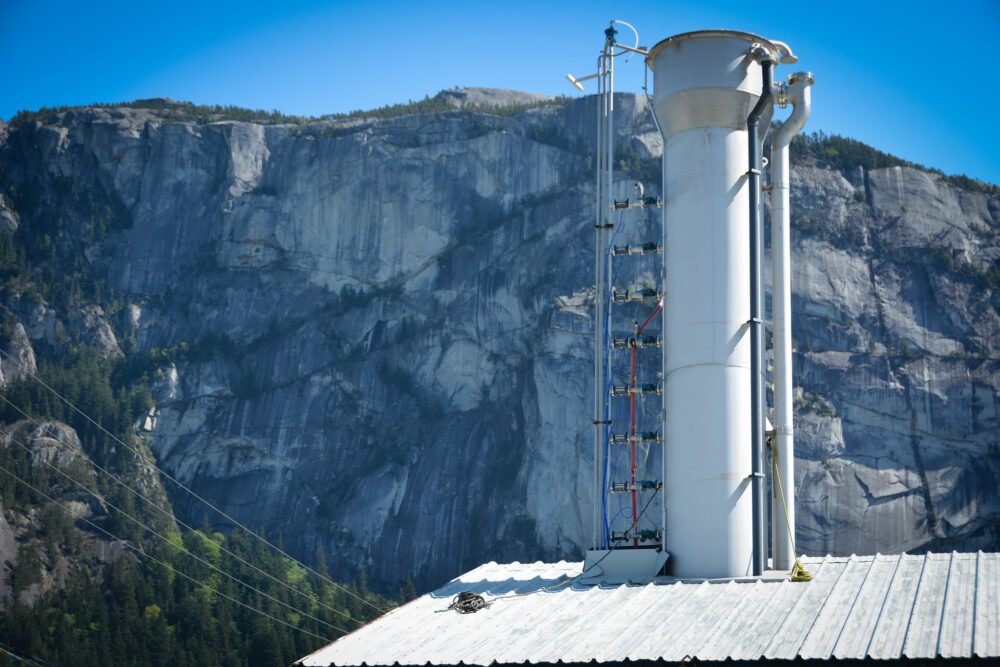
Oil and gas companies often cite carbon capture and storage (CCS) as a solution to climate change. While the technology can trap emissions from industrial sources, it currently captures less than 0.1% of global CO₂ output.
According to the Global CCS Institute, most projects remain small-scale or uneconomical. Many experts warn that relying on CCS as a “fix” distracts from proven emission-reduction strategies—like transitioning to renewables and improving energy efficiency.
6. Myth: Fossil Fuels Are Needed to Protect Jobs and the Economy

The fossil fuel industry employs millions globally, but renewable energy sectors are now creating jobs at a faster rate. The International Renewable Energy Agency (IRENA) reports that the clean energy workforce surpassed 13 million in 2022—projected to reach 38 million by 2030.
Clean energy jobs are spread across manufacturing, construction, maintenance, and research, often offering safer working conditions. The transition represents not job loss, but job transformation—with training and policy as key supports.
7. Myth: Developing Countries Must Rely on Fossil Fuels to Grow

Many fossil fuel companies claim that low-income nations need oil and coal to lift people out of poverty. Yet renewable energy is now providing affordable electricity to rural and off-grid communities worldwide.
The International Energy Agency found that solar mini-grids and wind systems have electrified millions of homes faster and more cheaply than traditional fossil-based grids. Renewables reduce import costs and increase energy independence, making them a better development pathway.
8. Myth: Electric Vehicles Aren’t Really Better for the Environment

Critics often argue that electric vehicles (EVs) are just as polluting once battery manufacturing is included. However, multiple life-cycle analyses—from MIT, the IEA, and the Union of Concerned Scientists—show that EVs emit far less carbon overall than gasoline cars.
Even when powered by grids that still rely on fossil fuels, EVs reduce emissions over their lifetime. As electricity systems become cleaner, their environmental advantage continues to grow.
9. Myth: Climate Change Science Is Still Uncertain
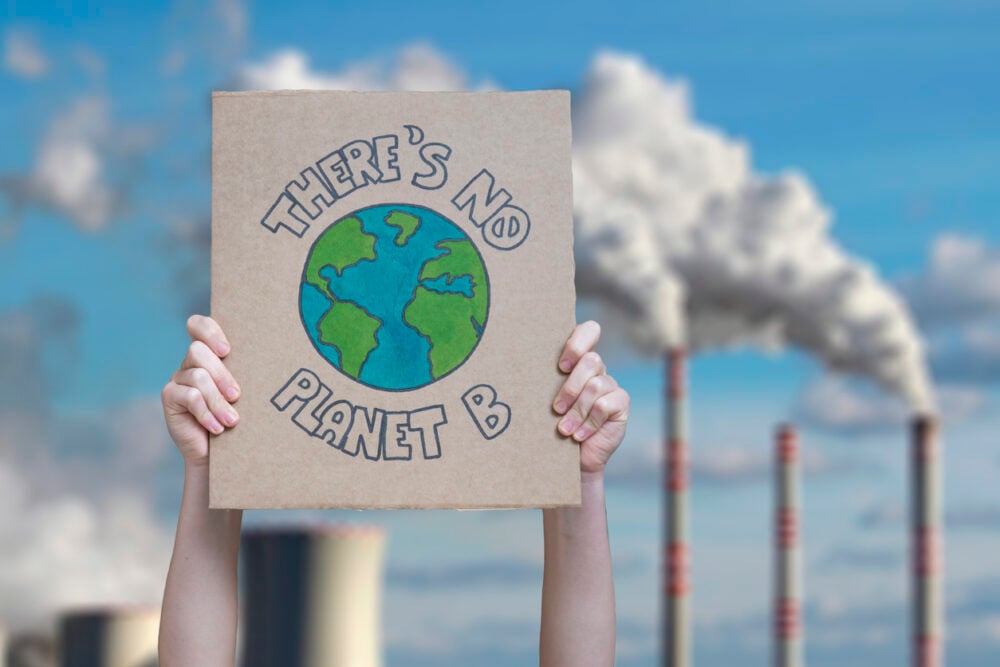
This argument dates back to the 1990s, when internal documents show oil companies knew about global warming but publicly cast doubt on it. Today, the scientific consensus is overwhelming: more than 99% of peer-reviewed studies agree that human activity is driving climate change.
The Intergovernmental Panel on Climate Change (IPCC), representing thousands of scientists, confirms that fossil fuel combustion is the dominant cause of global temperature rise. The “uncertainty” narrative was manufactured to delay policy action—not to reflect reality.
10. Myth: The World Can’t Transition Fast Enough to Avoid Catastrophe
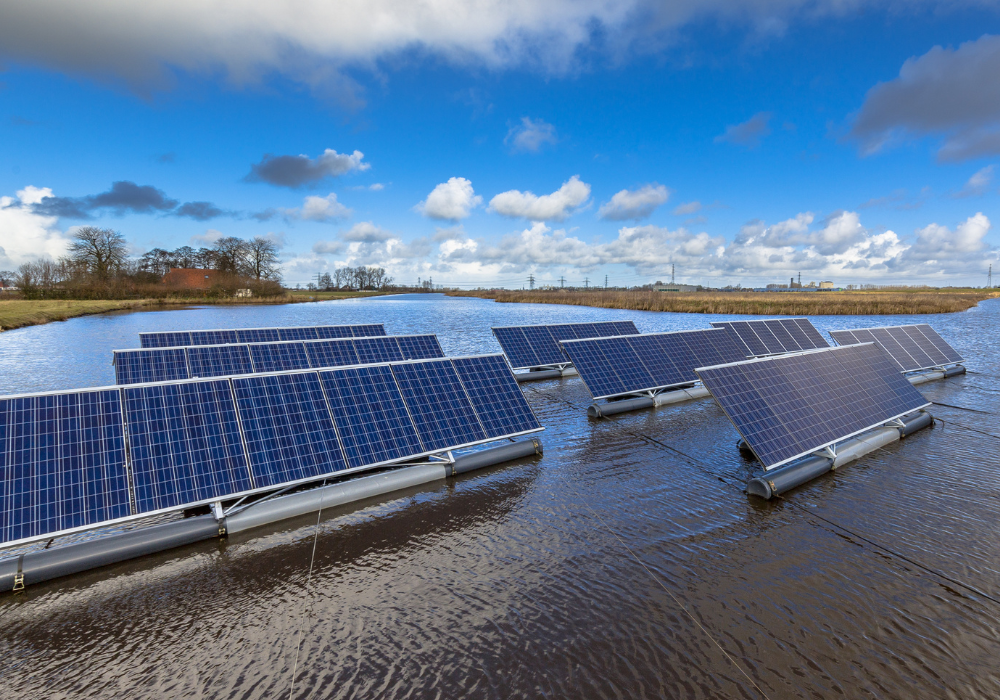
Fossil fuel interests frequently claim that moving away from oil, coal, and gas is unrealistic. Yet the global shift is already underway. In 2023, renewable energy accounted for over 80% of new power capacity worldwide, according to the IEA.
Major economies are now setting timelines to phase out fossil fuels, and renewable technologies are scaling faster than expected. Scientists stress that rapid transition is both technologically possible and economically advantageous—if governments act decisively in this decade.