
These products promise sustainability but deliver hidden destruction.

Green tech sounds like the future. Solar panels, electric cars, wind farms—it all seems like the planet-saving answer we’ve been waiting for. But dig a little deeper, and the shine starts to dull. A lot of what’s being sold as clean, green, and revolutionary still relies on old-school extraction, dirty supply chains, and a disturbing amount of environmental harm. The problem isn’t the idea of green tech—it’s how it’s being built, marketed, and scaled with very few questions asked.
Just because something looks sustainable doesn’t mean it is. The rush to innovate has created a whole new industry of “solutions” that still mine, burn, ship, dump, and exploit—just in a shinier wrapper. It’s not that we don’t need green alternatives. We absolutely do. But if we keep repeating the same patterns under a new label, we’re not fixing anything. We’re just making the damage harder to see.
1. Electric vehicles still rely on destructive mining for lithium and cobalt.

EVs are the poster child for clean transportation—but their batteries come at a massive environmental cost. Lithium and cobalt are key ingredients, and extracting them involves open-pit mining, groundwater depletion, and toxic waste. Worse, cobalt mining—especially in the Democratic Republic of Congo—often involves child labor and dangerous conditions.
According to researchers for the U.S. Department of Labor, children routinely work in cobalt mines in the Democratic Republic of Congo, often under hazardous conditions, despite mining being on the DRC’s list of hazardous activities for which children’s work is forbidden. Yes, EVs reduce emissions compared to gas-powered cars. But manufacturing them, especially at scale, still requires tearing up ecosystems and exploiting vulnerable communities. And once those batteries reach the end of their life? Recycling options are limited and messy.
2. Solar panels sound clean, but their production creates toxic waste.

Slap some panels on your roof and boom—you’re saving the planet, right? Not so fast. While solar energy itself is clean, the process of making solar panels is anything but. The manufacturing relies on hazardous chemicals like hydrofluoric acid and involves mining raw materials like quartz, copper, and rare earth elements.
It also creates waste—lots of it—and most of that waste has nowhere sustainable to go. Per writers for the U.S. Department of Energy, more than 85% of a solar photovoltaic (PV) module is made of materials we already know how to recycle, like aluminum and glass. However, solar panel recycling—and most recycling overall—is not currently cost-effective or widely adopted.
Add to that the growing number of end-of-life panels with no real recycling infrastructure, and the green glow starts to fade. Countries like China, which dominate production, often have loose regulations around waste disposal, which means solar’s environmental footprint doesn’t stay local—it’s exported.
3. Wind turbines are massive, and their blades are a landfill nightmare.
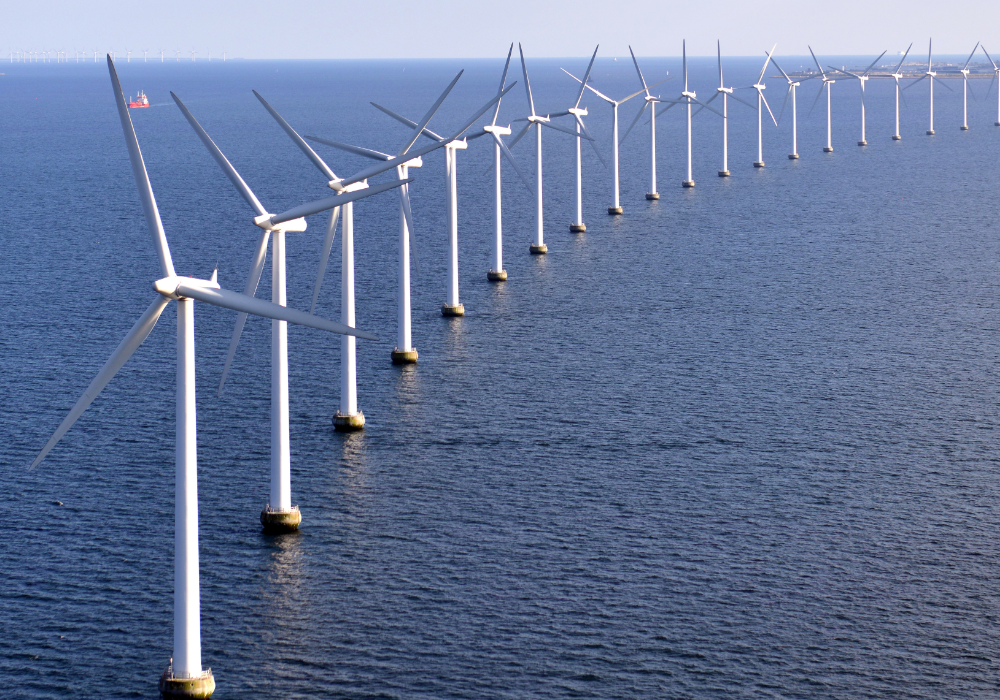
Wind power is clean in motion—but what happens when the turbines stop spinning? Those giant blades, made from composite materials like fiberglass, can’t be easily recycled. When they’re decommissioned (which happens more than you’d think), they’re often chopped up and buried in landfills.
We’re talking tens of thousands of massive blades just lying underground for centuries because we don’t know what else to do with them. As highlighted by Eve Thomas for Power Technology, approximately 800,000 tons of turbine blades are disposed of in landfills annually, highlighting a significant environmental challenge for the wind industry.
And it’s not just the end-of-life problem. The materials used in turbines require mining, manufacturing, and transportation that burn plenty of fossil fuels. Plus, wind farms can disrupt wildlife habitats and local ecosystems, especially when poorly placed. This doesn’t mean wind energy is a scam—it’s still miles better than coal. But pretending it’s impact-free is a dangerous myth. If we don’t build circular systems for clean tech, we’re just kicking the trash can down the road.
4. Smart home devices increase energy use and rely on exploitative tech labor.

Smart thermostats. Smart lights. Smart everything. These devices promise efficiency, but they often require more energy to produce, run, and maintain than they save. They stay connected 24/7, collecting and transmitting data to massive data centers—centers that are powered by electricity and, ironically, contribute to the same carbon emissions they claim to reduce. It’s convenience dressed up as consciousness.
And let’s not ignore how they’re made. Most of these gadgets rely on cheap labor in underregulated factories, with components sourced from mining-heavy supply chains. Plus, they’re short-lived—updates expire, batteries wear out, and they’re often not repairable. So they end up in landfills faster than your old-school, energy-hogging appliance ever did. The smarter the device, the more it hides its true cost. If tech doesn’t last and it doesn’t empower, it’s not sustainable—it’s disposable status wrapped in slick design.
5. E-bikes and scooters still depend on lithium batteries with a dirty footprint.

They’re marketed as eco-friendly urban transport—and yes, they beat cars in terms of emissions. But behind that sleek e-bike or rental scooter is yet another lithium-ion battery, and that means more mining, more toxic runoff, and more strain on already vulnerable ecosystems. Cities are littered with these devices, and most are designed for short lifespans—not longevity.
Shared scooters, in particular, often last less than a year due to wear, vandalism, or poor design. Then what? They get tossed. Add in the carbon cost of shipping them, charging them, and collecting them nightly with gas-powered trucks, and suddenly they’re not as green as they look. Individual ownership is a bit better, but the problem remains: we’re producing disposable tech with unsustainable materials for the sake of short-term convenience. That’s not transformation—it’s trend-chasing disguised as progress.
6. “Sustainable” smartphones still rely on conflict minerals and constant upgrades.

Your smartphone might come in recyclable packaging and have a carbon-neutral promise printed on the box, but the inside tells a different story. Most phones are built using conflict minerals like tantalum, tin, and tungsten—often mined under horrific conditions in politically unstable regions. Labor abuses, unsafe mines, and child exploitation are still part of the process, just far enough away that we don’t have to look.
Even the phones branded as eco-conscious rarely last more than a few years. Companies design them to be difficult to repair, pushing you toward the next model with just enough tweaks to make your current one feel obsolete.
It’s planned obsolescence, not progress. And recycling programs? A tiny fraction of old phones actually get recycled. The rest sit in drawers—or get tossed, leaking toxic metals into the environment. Greenwashing is easy when your product fits in a palm.
7. Home battery storage isn’t as clean as the marketing suggests.
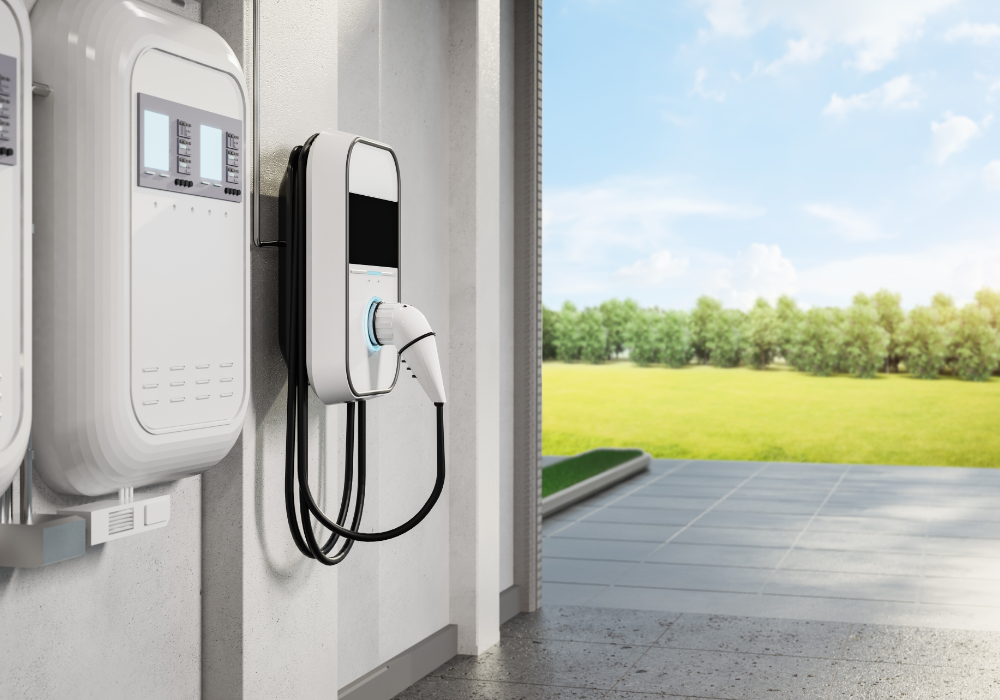
Those sleek home battery units—like Tesla Powerwalls—sound like the perfect way to store clean solar energy. And to be fair, they’re impressive tech. But they’re also built with the same problematic ingredients as electric vehicle batteries: lithium, cobalt, and nickel. Sourcing those materials requires destructive mining, toxic processing, and a long, fossil-fueled supply chain that spans the globe.
The manufacturing process creates more emissions than most consumers realize, and the energy needed to produce these batteries can outweigh their benefits if your grid is already relatively clean. Plus, disposal is still a major issue. Once a home battery wears out—which doesn’t take decades—they’re expensive to recycle and dangerous to toss. These batteries aren’t bad tech—but pretending they’re 100% clean is dishonest. They’re a step forward, but only if we start cleaning up the path behind them.
8. LED lighting saves energy—but its short lifespan hype hides real waste.
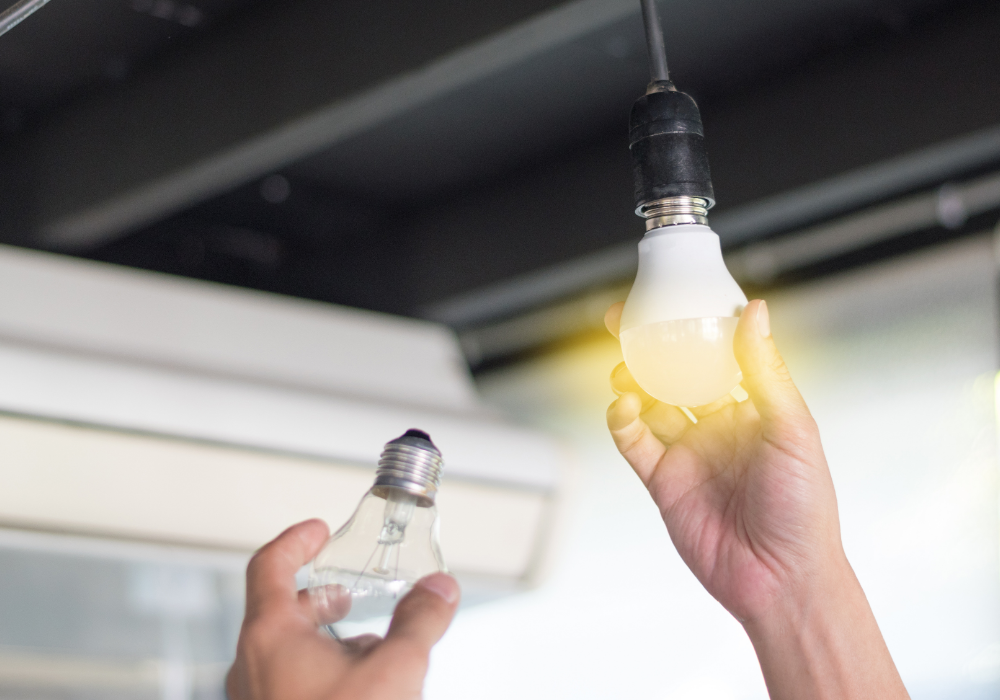
LED bulbs are praised as the energy-saving heroes of modern lighting—and yes, they use far less power than traditional incandescent or CFL bulbs. But there’s a hidden downside: most consumer-grade LEDs don’t last nearly as long as advertised. Thanks to cheap manufacturing and design shortcuts, many fail years ahead of schedule, especially the “affordable” ones pushed by big-box brands.
And when they do fail? They’re harder to recycle than people think. LEDs contain rare earth elements, microchips, and soldered parts that aren’t easily separated or processed. So even though they use less electricity, we’re tossing them out faster and with more electronic waste than expected.
Multiply that by billions of bulbs and you get a new kind of footprint—one we rarely see because the packaging says “eco-friendly.” The light may be efficient, but the system around it still needs a major upgrade.
9. Green buildings often prioritize optics over actual impact.

LEED certification. Smart HVAC systems. Rooftop gardens. On the surface, green buildings look like climate victories. But many so-called sustainable construction projects focus more on hitting checklist points than making long-term environmental impact. It’s not about lasting performance—it’s about getting that shiny plaque for PR. Behind the glass walls and reclaimed wood, you’ll often find massive material use, short-shelf-life design features, and energy systems that quietly fail to deliver.
Some buildings qualify for “green” status just by installing low-flow toilets and LED lights, despite still relying on carbon-heavy concrete or imported materials. Others are built in areas that require long commutes, defeating the purpose. Green building can be revolutionary—but when it’s built on loopholes, buzzwords, and aesthetics, it becomes just another form of corporate greenwashing. Sustainable design should start with the land, not the lobby brochure.
10. Carbon capture tech sounds promising—but it’s mostly a distraction.

Carbon capture is pitched as a miracle solution: suck CO₂ out of the air and reverse climate change. But here’s the catch—most carbon capture technology is still wildly expensive, energy-intensive, and not nearly as effective as advertised. Worse, it’s being used as a smokescreen by fossil fuel companies to keep extracting oil and gas while claiming they’re part of the solution.
Some carbon capture systems are even tied to a process called enhanced oil recovery, where captured CO₂ is injected into wells to extract more oil. That’s not solving the crisis—it’s prolonging it. Rather than scaling down emissions, carbon capture often gives industries a hall pass to keep polluting with the promise that tech will clean it up later. It’s not that the science is useless. It’s that the narrative is dangerous. Innovation without accountability isn’t progress—it’s a high-tech way to stall.