
Science has clear answers for the myths climate change deniers repeat.
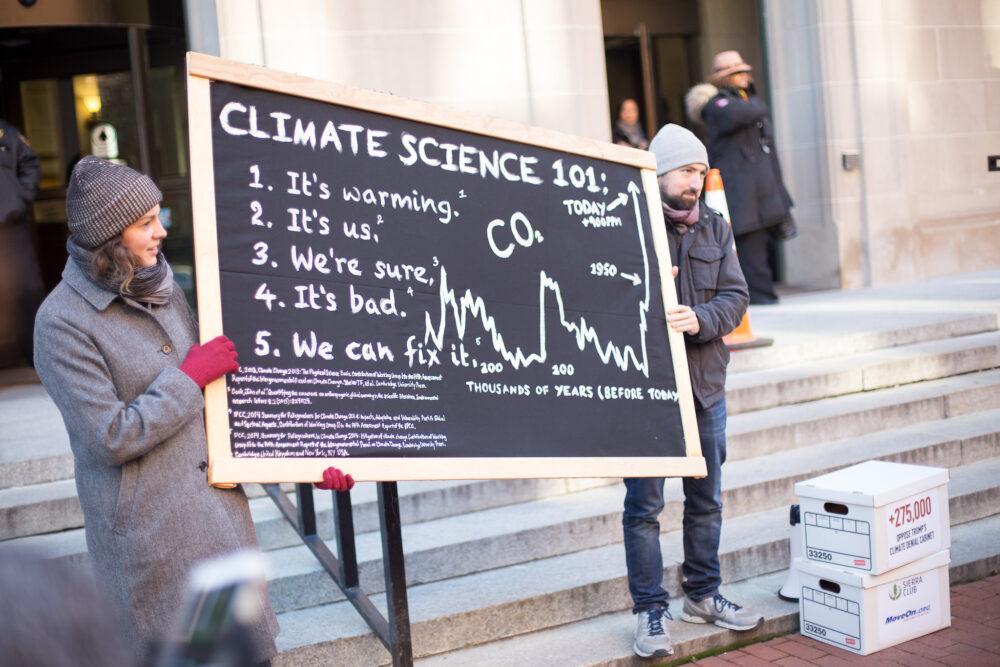
Many beliefs about climate change stem from misunderstandings or misinformation spread by climate denial. These myths often downplay human influence, question scientific consensus, or confuse short-term weather with long-term climate trends. By examining these ideas through the lens of research from NASA, NOAA, and the IPCC, we can separate fact from fiction and better understand the urgency and reality of climate change facing our planet today.
1. Climate change is a natural cycle with no human influence involved.

Some claim climate change is simply Earth’s natural rhythm, unaffected by human actions. While natural cycles exist, scientific evidence underscores the substantial impact of industrial carbon emissions. Ice core samples reveal unprecedented levels of greenhouse gases since the Industrial Revolution.
Overlooking this human contribution misinterprets data and results in inaction. When emissions from cars and factories envelope cities in a hazy embrace, they demonstrate human impact. This accumulation alters atmospheric composition, intensifying natural processes, which accelerates climate shifts, creating a critical environmental tipping point.
2. Global warming stopped years ago and temperatures are actually cooling.

Despite assertions that global warming halted and Earth’s temperatures are cooling, data shows a steady rise over recent decades. Surface temperature records, satellite measurements, and ocean heat content consistently confirm the warming trend.
Selective use of short-term data can mask long-term trends, misleading climate discussions. Over a span of a few years, variations might create the illusion of stability. In reality, the average temperature increase persists, with heat waves scorching landscapes and polar ice sheets retreating in response.
3. Carbon dioxide emissions have minimal impact on Earth’s overall climate.

Dismissing carbon dioxide’s role in climate alteration oversimplifies complex atmospheric dynamics. As a potent greenhouse gas, CO2 traps heat in the atmosphere, driving climate change. Its concentration rise, primarily due to burning fossil fuels, correlates with temperature climbs.
Neglecting this connection undermines policy development aimed at reducing emissions. Carbon’s buildup traps radiant energy like a thickening blanket around the planet. This rise in trapped heat contributes to melting glaciers, altered ecosystems, and stressed agricultural productivity worldwide.
4. Climate models are unreliable and cannot predict future environmental changes.

Critics often argue that climate models can’t foretell future environmental changes with accuracy. Yet, these models, built on physics and validated by historical data, successfully simulate climate variables. They’ve predicted trends, such as Arctic ice reduction, confirming their robustness.
While uncertainties exist, they provide essential insights into potential warming scenarios. Through computing power, complex simulations offer glimpses of possible futures. As models forecast increased storm frequencies, they empower planners to prepare communities for emerging global challenges.
5. There is no scientific consensus supporting human-driven climate change.

A misconception persists that scientists hold opposing views on human-driven climate change. However, a significant majority of climate scientists agree on the role of human activities. This consensus is mirrored in numerous studies synthesizing scientific literature over the years.
Ignoring this near-universal agreement creates confusion over climate action urgency. Consensus isn’t about unanimity but substantial agreement based on converging evidence. From rising carbon footprints to changing weather extremities, the scientific narrative continues to affirm our role in climate alteration.
6. Renewable energy sources cannot significantly reduce global greenhouse gas emissions.

Skeptics argue that renewable energy can’t significantly cut global greenhouse emissions. Yet, wind, solar, and other renewable technologies reduce dependency on fossil fuels. Advances in these areas show promise in transforming energy systems toward sustainability.
Despite challenges, renewables achieve significant carbon offset when integrated into power grids. Solar panels, lining sun-drenched rooftops, harness clean energy potential. New technologies and investments drive renewable efficiency improvements, illustrating their capability to meet global energy demands sustainably.
7. Weather patterns cannot be linked to long-term climate change trends.

Confusion arises when weather patterns are truthfully mistaken for climate change indicators. While weather represents short-term atmospheric conditions, climate involves long-term patterns and trends. Distinctions matter in understanding climatic shifts and global warming effects.
People often perceive climate change through extreme weather, overlooking climate’s subtlety. Shifting trends become apparent when viewed across centuries, not seasons. By tracking patterns like polar vortex disruptions, scientists unravel climate’s intricate dance, beyond daily weather fluctuations.
8. Extreme weather events are unrelated to changes in global climate systems.

It may seem extreme weather events lack connection to global climate shifts. However, increasing frequency and intensity of storms and heatwaves align with climate model projections. Scientists attribute these changes to increased ocean heat and warmer air holding more moisture.
Unrelated events compound into patterns characteristic of climate change progression. Wildfires, wreaking havoc across dry regions, exemplify this amplification effect. Each hurricane season, distinguished by fierce cyclones, echoes the disruptive cadence of a warming world.
9. Climate change policies will harm economies without providing any benefits.

Critics argue that climate policies hinder economic growth while offering no advantages. Yet, studies highlight green initiatives fostering jobs and innovation. Transitioning to sustainable practices can boost competitiveness by embracing efficient technologies.
Long-term benefits from policy shifts often outweigh short-term costs. Environmental regulations encourage enterprises to innovate and remain adaptable. While initially costly, efforts like reducing carbon footprints may unlock enhanced economic resilience and resource efficiency in the broader economic landscape.
10. Sea level rise is exaggerated and will not affect coastal communities.

Some believe sea level rise is overstated and won’t impact coastal areas dramatically. However, data confirm sea levels rising due to thermal expansion and polar ice melt. Numerous coastal cities already face increased flooding events historically uncommon.
Gradual encroachment alters shorelines, affecting infrastructure and habitats alike. As saltwater intrudes inland, fertile farmland transforms into unusable marshlands. This progressive threat requires strategic adaptation to manage impending environmental changes and protect vulnerable communities.