
Some “eco-friendly” fixes do more damage than the thing they replaced.
Trying to live greener? Same. But these days, being “eco-conscious” comes with a maze of DIY advice, influencer hacks, and viral TikTok fixes that promise to save the planet and your wallet. Unfortunately, some of the trendiest upgrades aren’t actually helping—and in some cases, they’re making things worse. That bamboo flooring? Not so sustainable. Those backyard solar lights? Headed for the landfill faster than you’d think.
It’s not your fault. Most of these ideas sound like smart swaps. They’re marketed as sustainable, low-impact, or “better than nothing.” But hidden emissions, wasteful production, or long-term maintenance issues often outweigh the short-term benefits. If you’ve been sold a green dream that turned into a money pit (or an energy hog), you’re not alone. These ten upgrades might look responsible on the surface—but take a closer look, and the cracks start to show.
1. Bamboo flooring isn’t the eco miracle it’s made out to be.
At first glance, bamboo sounds like a sustainable superstar. It grows fast, uses fewer pesticides, and comes from a renewable source. But most bamboo flooring on the market is shipped halfway around the world, chemically treated, and glued together with toxic resins. According to writers for Wood and Beyond, many bamboo floors use urea-formaldehyde adhesives that can emit volatile organic compounds (VOCs), posing indoor air quality and health concerns.
Beyond the shipping emissions and questionable adhesives, bamboo can also be less durable than hardwood—meaning it might need replacing sooner. And that “cheap and sustainable” appeal? It often leads to mass deforestation in countries like China and Myanmar where bamboo is grown. Not all bamboo is bad, but most mass-produced flooring options come with more baggage than people realize. You might think you’re saving forests, but without responsible sourcing, bamboo can be just another fast-fashion building material in disguise.
2. Low-flow showerheads can backfire if they’re installed without the right setup.
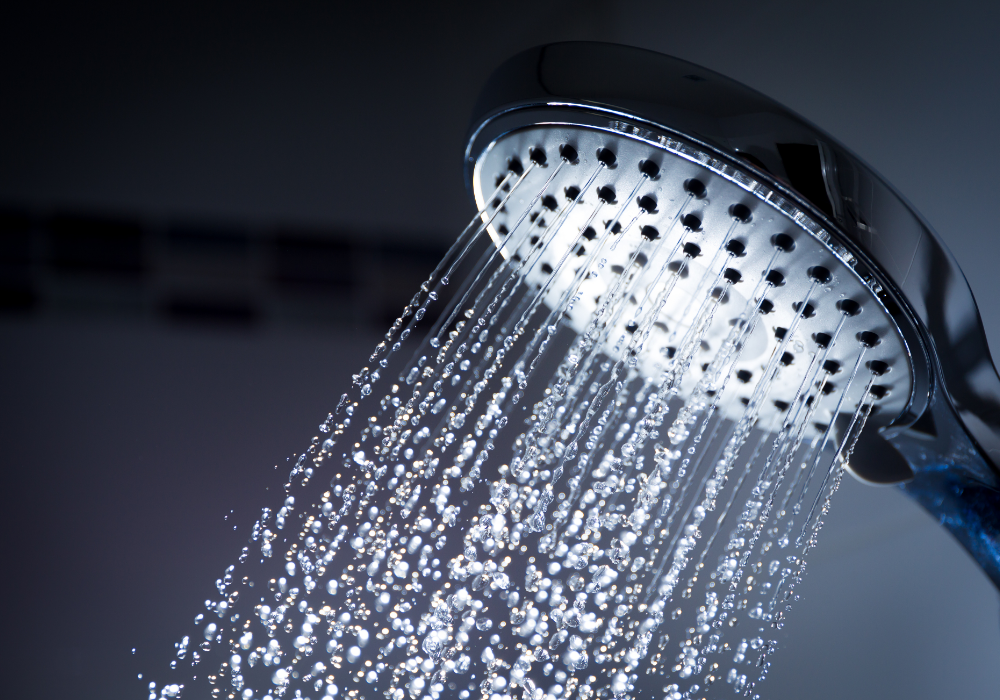
The idea sounds great: save water, save the planet, right? But low-flow showerheads don’t always live up to the hype—especially if your plumbing or water pressure isn’t designed to support them. What ends up happening? You spend twice as long trying to rinse out shampoo, using just as much water as before, if not more.
A study published by Kemi Adeyeye for The National Library of Medicine shows that poor spray intensity, uneven distribution, and heat loss in low-flow showerheads can significantly increase shower duration—negating expected water savings—even when flow rates are within rated limits. And here’s the kicker: people frustrated with low pressure often remove the restrictors or replace the head altogether.
That means more waste, more plastic, and often a return to high-flow habits. Some even take longer, hotter showers to compensate for the weak stream, which defeats the purpose entirely. The intention is solid, but unless your setup is compatible, this swap can feel more like a punishment than progress. If sustainability feels like suffering, most people won’t stick with it—and then nobody wins.
3. Home solar lights often become e-waste within a year or two.
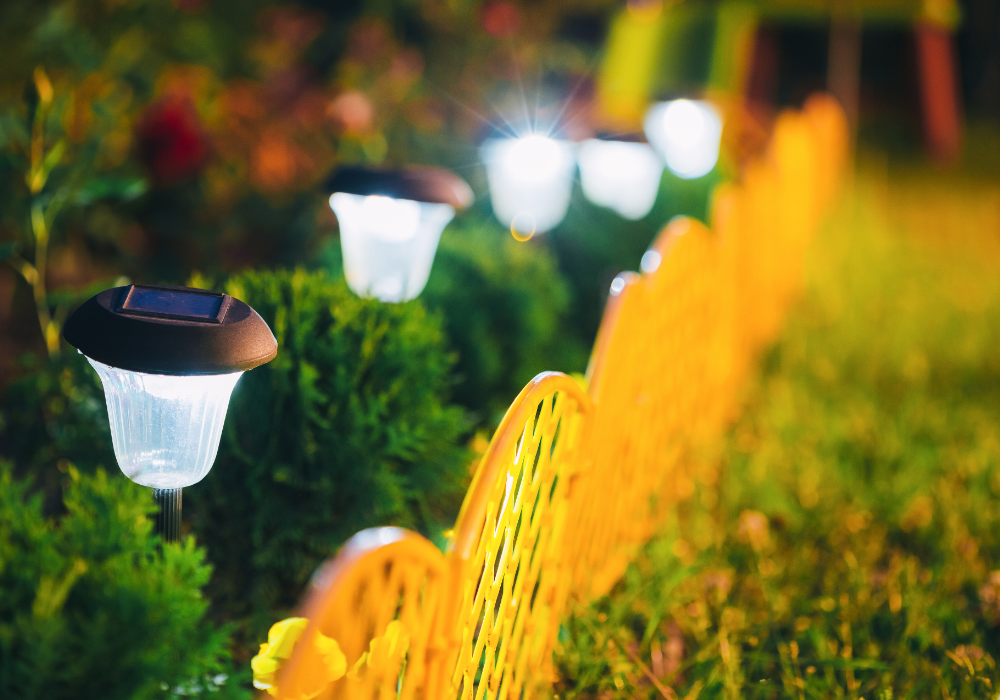
Those cute, budget-friendly solar lights you line along your walkway? They’re often cheaply made, poorly sealed, and powered by low-quality batteries that degrade fast. Within a year—sometimes even months—they stop charging, dim to a flicker, or die altogether. Once they’re done, there’s rarely a way to repair or recycle them properly.
Per Matt Power for Green Builder Magazine, many inexpensive solar landscape lights fail within 1–2 years and are creating “mountains of e-waste and hard-to-recycle plastic,” making them more waste than sustainable. The environmental impact is sneaky. While you may save electricity in the short term, the plastic, lithium batteries, and mini solar panels end up in landfills. Multiply that by millions of homes doing the same thing, and it’s a massive e-waste problem hiding in plain sight. Truly sustainable lighting solutions exist—but they tend to cost more upfront and require some technical know-how.
4. DIY rain barrels can actually breed mosquitoes and bacteria.
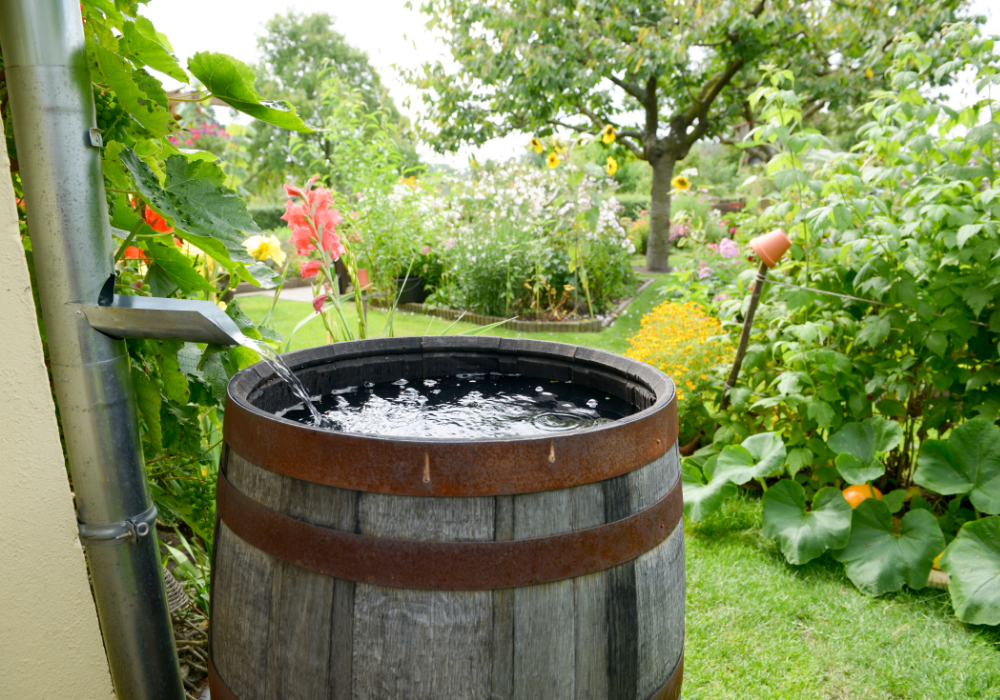
Capturing rainwater sounds like a clever, eco-conscious move—and it can be, if done correctly. But a lot of DIY rain barrel setups skip the necessary filters, screens, and maintenance protocols. The result? Stagnant water that becomes a breeding ground for mosquitoes, algae, and harmful bacteria. Suddenly, your green project is a public health risk.
Many regions have regulations on rainwater collection for a reason. If the barrel isn’t sealed properly or cleaned regularly, it can lead to contamination, especially if used for watering food crops. Even non-edible gardens can suffer if the water gets funky. What started as a sustainability flex quickly turns into a gross, gnat-infested hassle that doesn’t save much water in the long run. The fix? Invest in a legit system with overflow valves and mesh screens—or skip the barrel until you’re ready to manage it properly.
5. Installing fake grass means trading water waste for microplastic pollution.
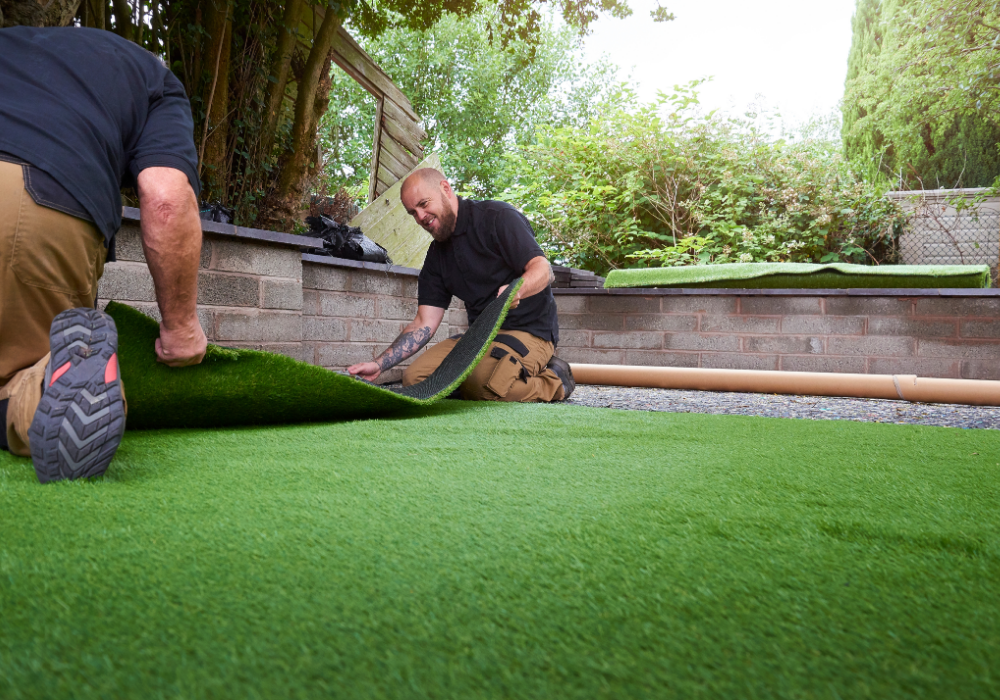
Sure, real lawns can be water hogs—but synthetic turf comes with its own ugly baggage. Most artificial grass is made from petroleum-based plastics that degrade over time, shedding microplastics into your soil and waterways. And while it saves water, it also turns your yard into a heat trap, raising local temperatures and killing biodiversity.
Even worse, fake turf can’t be recycled. Once it’s worn out or damaged—usually after 8–10 years—it heads straight to a landfill, where it sits forever. It also requires infill (tiny rubber pellets or sand) to stay in place, which can leach chemicals into the ground or get tracked into your house. So while it looks green and maintenance-free, it’s often hotter, harder to clean, and far worse for the environment than a patchy, real lawn. Swapping nature for plastic rarely ends well—even when it saves you mowing time.
6. Replacing all your bulbs with LEDs sounds smart, but dumping old ones creates waste.
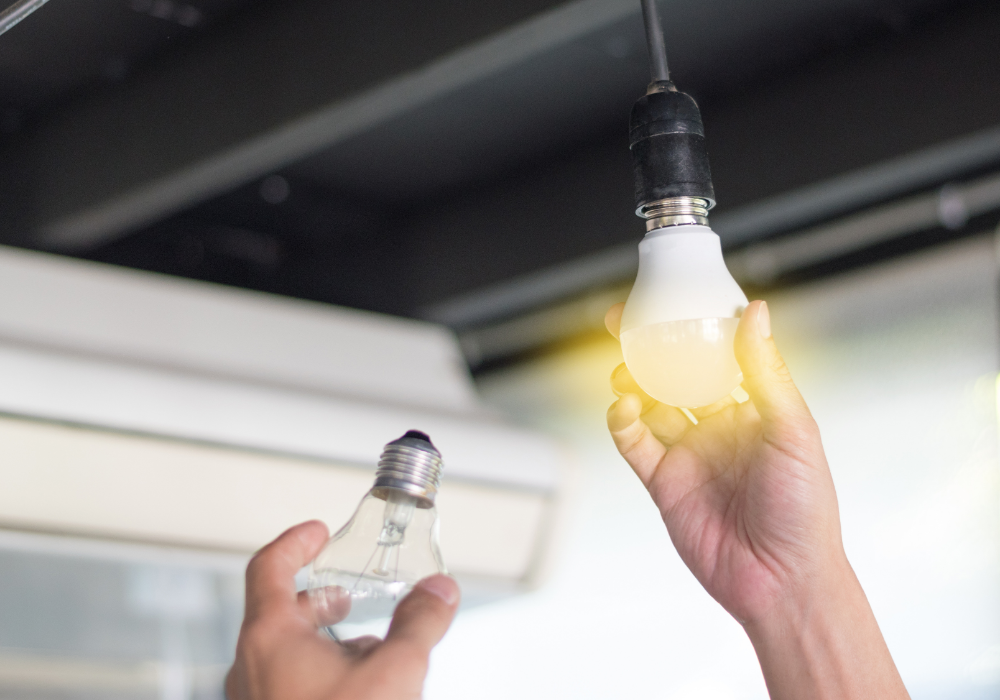
Energy-efficient LEDs are great—but only if you’re not tossing perfectly functional incandescent or CFL bulbs in the trash to make the switch. That “instant eco-upgrade” idea often leads people to prematurely replace things that aren’t broken, which turns a sustainable solution into unnecessary waste.
CFLs, for example, contain mercury and need special recycling procedures. If they’re tossed in the regular trash, they can leak toxins into landfills. Even old incandescent bulbs have glass and metal that could be recycled, but often aren’t.
The best approach is to swap bulbs as they burn out, not in one big purge. That way, you reduce both energy use and landfill load without turning sustainability into a performative act. The LED switch works best when it’s done patiently—not when it’s driven by guilt or a trendy to-do list.
7. Composting indoors can backfire fast if you’re not managing it right.
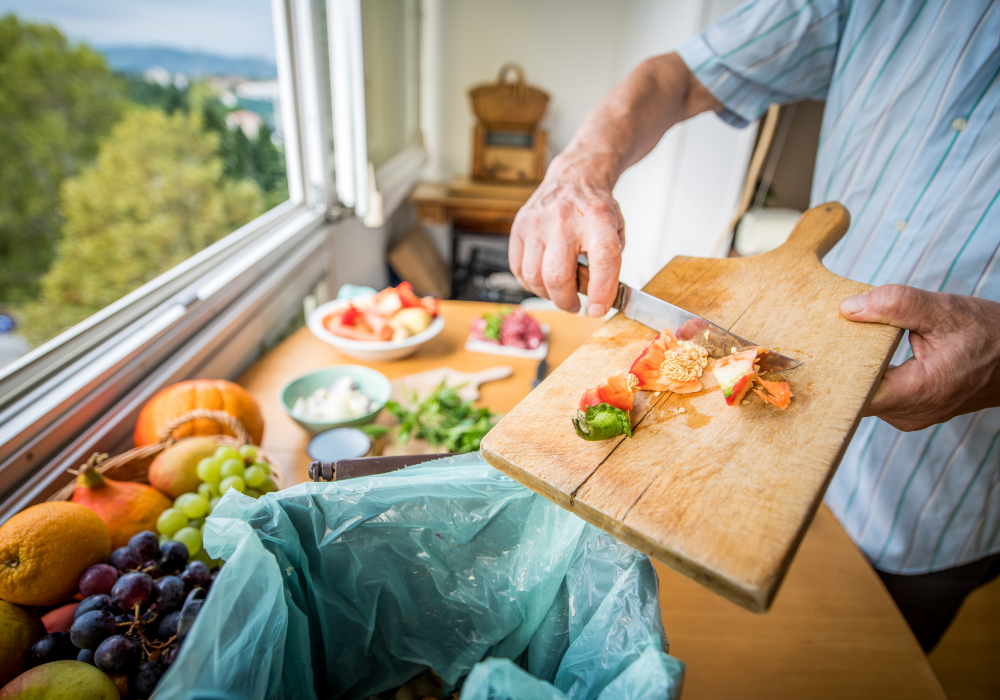
Kitchen compost bins seem like an easy win—just toss scraps in and feel virtuous. But composting is a delicate balance of moisture, airflow, and material mix. Get it wrong, and your green corner becomes a smelly science experiment full of fruit flies and rot. Many people give up after one gross week.
And what happens to the half-composted mess? It gets thrown in the trash, defeating the purpose. Worse, if you’re using a sealed container without proper ventilation, you might be encouraging anaerobic decomposition, which releases methane—a greenhouse gas worse than CO₂. Composting can be amazing, but it requires a bit of learning and a lot of consistency. A cute countertop bin isn’t enough. You’ll need to balance greens and browns, stir it occasionally, and keep things dry but not too dry. Otherwise, you’re just building a stink bomb in the name of sustainability.
8. DIY insulation projects can trap moisture and lead to mold.
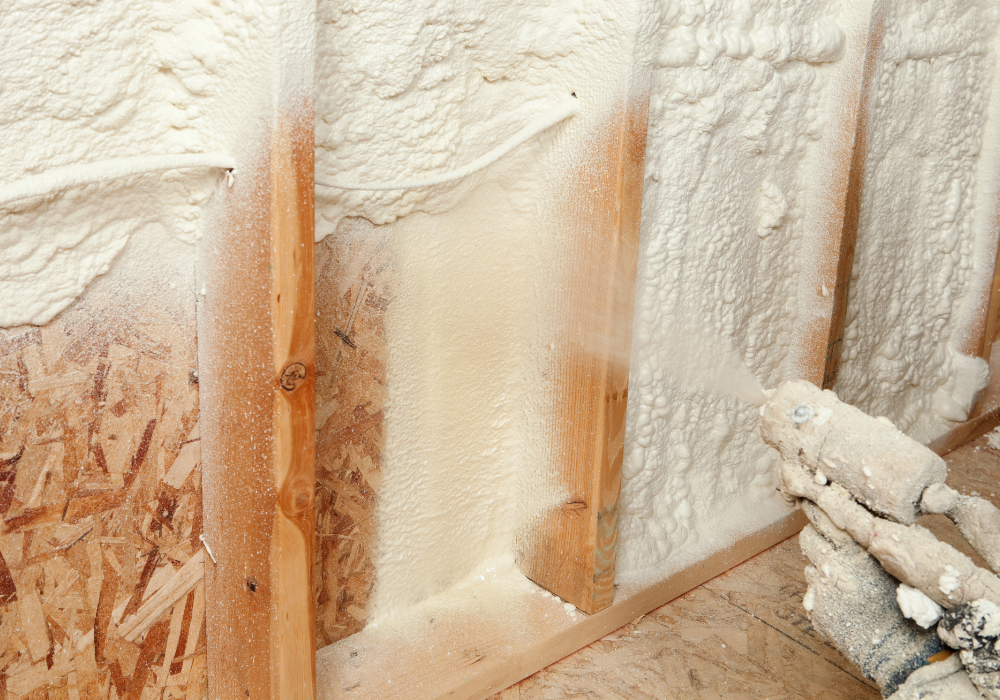
Trying to seal up drafts and lower your heating bill? Great idea—until your insulation traps moisture in the walls and creates a hidden mold problem. Without proper ventilation or vapor barriers, DIY fixes can turn your house into a breeding ground for mildew and rot. What felt smart at the time becomes a health hazard later.
This is especially true when people install foam panels, stuff insulation into crawlspaces, or block vents without understanding airflow. Trapped humidity can warp wood, ruin drywall, and trigger respiratory issues for everyone inside. Professional insulation jobs aren’t just about warmth—they’re about balance, airflow, and knowing how moisture behaves. If you’re sealing up leaks, great. Just make sure you’re not sealing in future problems. Sometimes, the most “energy-efficient” move is hiring someone who actually knows what they’re doing.
9. Swapping to reclaimed wood can bring in hidden toxins and pests.
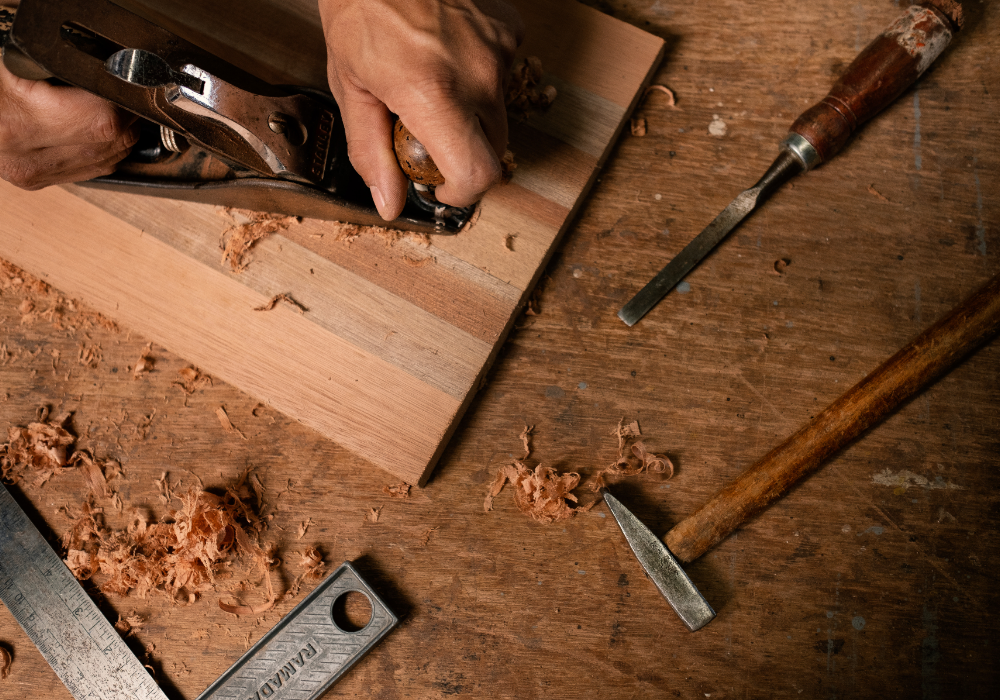
Using reclaimed wood feels like a slam-dunk eco upgrade—it’s reused, rustic, and doesn’t require cutting down new trees. But not all salvaged wood is created equal. Some older boards are coated in lead paint, treated with toxic chemicals, or riddled with termites that you don’t spot until it’s too late.
Unless it’s been properly cleaned, sealed, or certified, that “character-rich” plank could be bringing mold spores or contaminants into your home. And if you’re sanding or cutting it, you’re potentially breathing in dust laced with dangerous compounds. The aesthetic may be perfect, but the long-term risks are often overlooked. If you want that reclaimed look, great—but make sure your source is reputable and the wood is safe to handle. Otherwise, your sustainable design project might come with a side of cleanup, medical bills, and regret.
10. Using vinegar and baking soda for everything can damage surfaces over time.
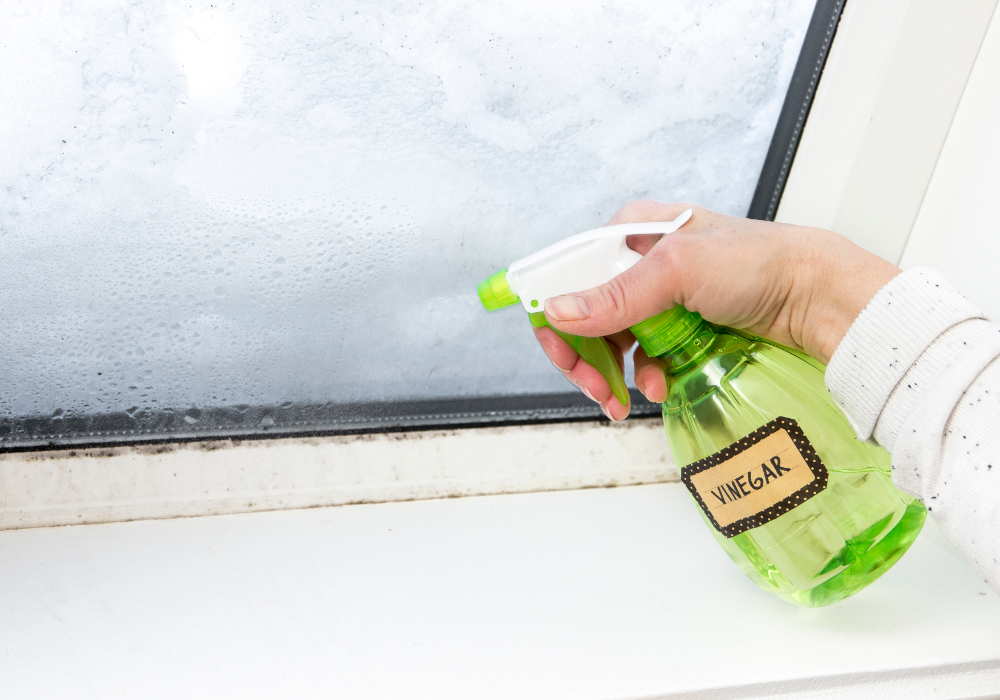
Natural cleaners get a lot of love—and for good reason. But the internet myth that baking soda and vinegar can clean anything is just that: a myth. When mixed together, they mostly neutralize each other, meaning you lose the scrubbing power of both. And on certain surfaces, like stone countertops or hardwood floors, they can actually cause long-term damage.
Vinegar’s acidity can strip sealants or etch into marble. Baking soda’s abrasiveness can scratch surfaces that aren’t meant to be scrubbed. If you use them improperly, your green cleaning routine becomes a renovation waiting to happen. The bigger issue? People assume “natural” means “harmless,” and skip reading labels or doing research. Eco-friendly cleaning is possible—but it’s not as simple as dumping pantry staples on every mess. Sometimes, a tested biodegradable cleaner is safer than a DIY mix that quietly ruins your stuff over time.