
Boomers grew up in one climate—now they’re witnessing an entirely different one.
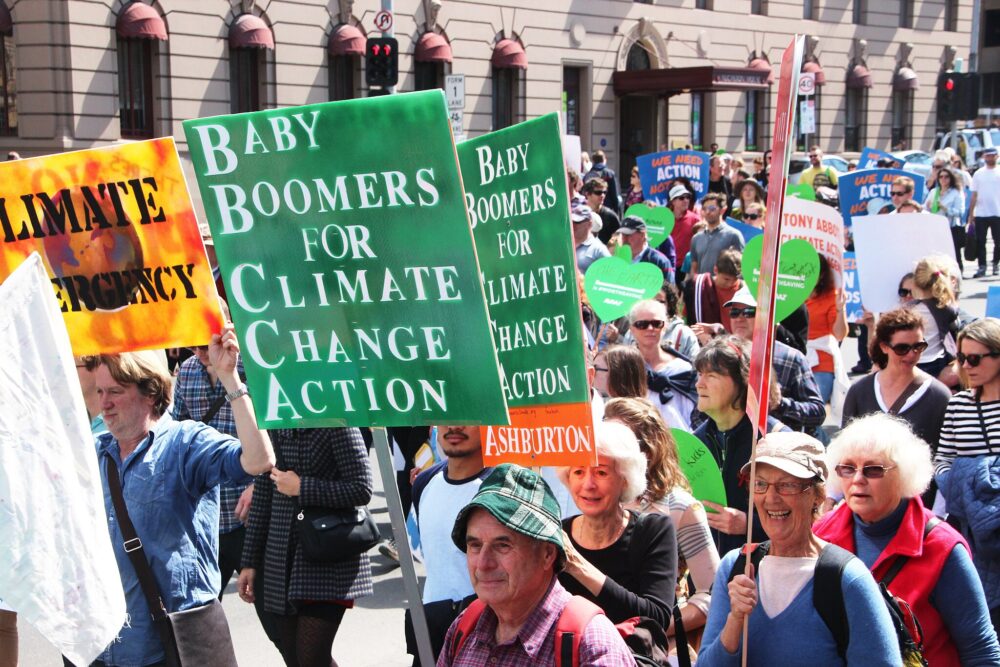
Over the course of several decades, Baby Boomers have witnessed significant changes in the Earth’s climate, marked by rising temperatures, shifting weather patterns, and escalating extreme events. These shifts, documented by leading scientific bodies like NOAA and NASA, reflect the growing impact of human activities on the environment. Understanding these changes helps clarify the challenges and encourages informed responses to the evolving climate crisis.
1. Noticeable rise in average global temperatures over several decades.
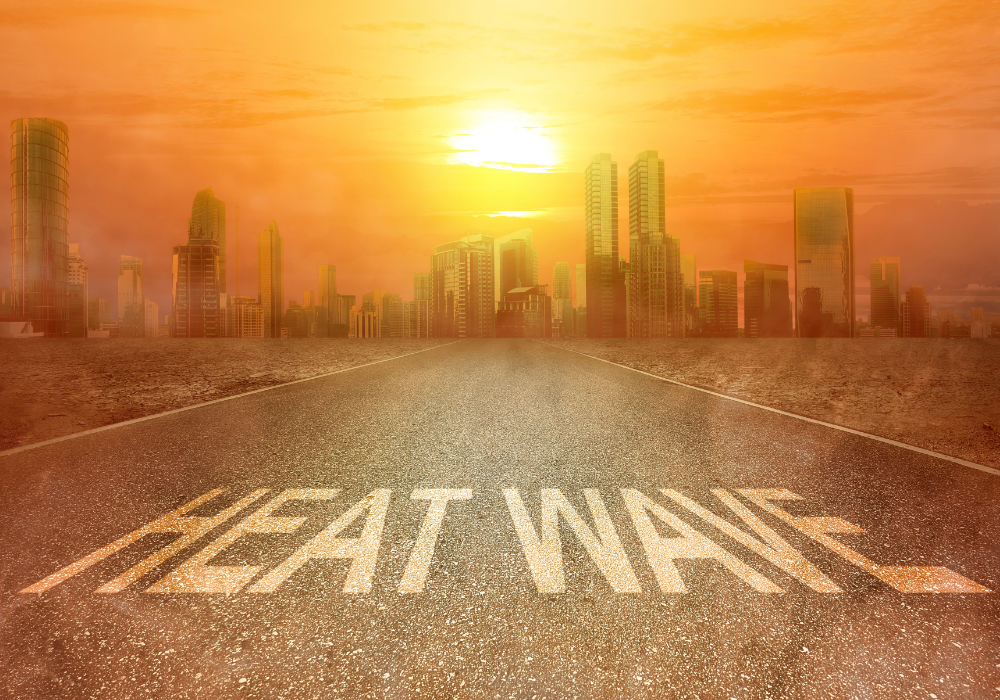
Average global temperatures have steadily increased over several decades, a shift not merely attributed to natural climate cycles. Burning fossil fuels releases greenhouse gases like carbon dioxide, trapping heat in the atmosphere. This accumulation leads to a warming planet, impacting ecosystems everywhere.
As the earth warms, familiar seasons grow less predictable. Winters become milder and summers hotter, exemplifying how pervasive the impacts are. Various regions face different challenges; while some grapple with increasing heat, others confront changing precipitation patterns or intensified storms.
2. Increased frequency and intensity of heatwaves during summer months.
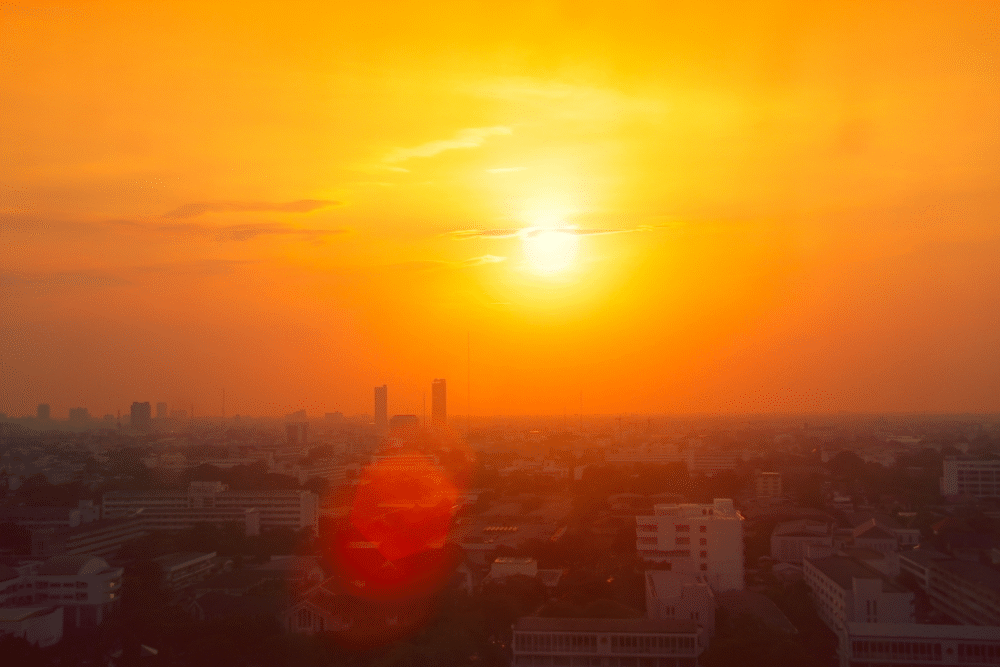
Heatwaves have grown both more frequent and intense, with summer months breaking records. Urban areas often face a notorious heat island effect, where concrete and asphalt exacerbate temperature increases. The uncomfortable, relentless heat tests energy grids and endangers vulnerable populations.
These hotter conditions alter daily routines, requiring citizens to adjust activities during peak temperatures. While some regions have adapted infrastructure to manage rising demands, the reality of escalating energy needs and health risks remains a pressing concern for urban planners and communities.
3. More frequent and severe storms impacting coastal and inland areas.
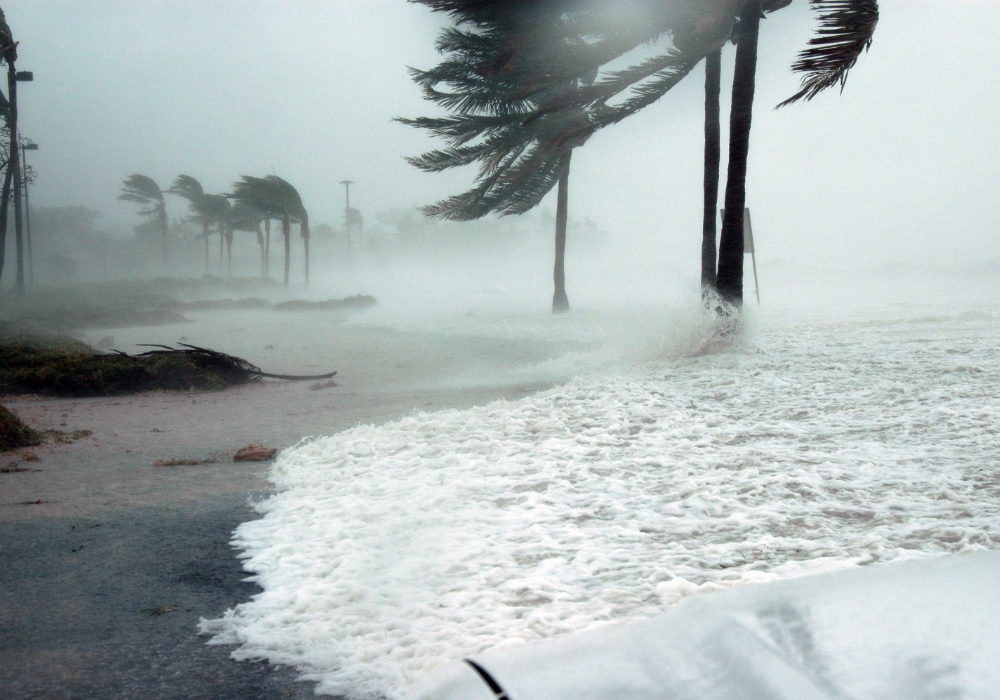
Storms striking coastal and inland areas with greater frequency and force have become a notable trend. Climate change amplifies storms’ severity, influenced by warmer sea surface temperatures. Intense hurricanes, cyclones, and typhoons unleash vast power, causing destruction over wider areas.
Communities once considered safe now face unprecedented storm impacts. Emergency responses are critical, yet they are pitted against rising repair costs and devastating personal losses. Understanding these patterns reshapes disaster preparedness and urban planning for vulnerable zones.
4. Gradual melting of polar ice caps and glaciers worldwide.

Glacial retreat and polar ice cap melting signal significant climate transformation. As global warming persists, glaciers around the world gradually diminish, while polar ice melts at accelerated rates. This disappearance alters landscapes and the way ecosystems function.
The loss of ice raises global sea levels, creating a ripple effect worldwide. Polar regions, home to unique species such as polar bears, experience a direct habitat threat. Meanwhile, the altered reflection of solar energy compounds warming, feeding a cycle of change.
5. Rising sea levels encroaching on shorelines and low-lying regions.
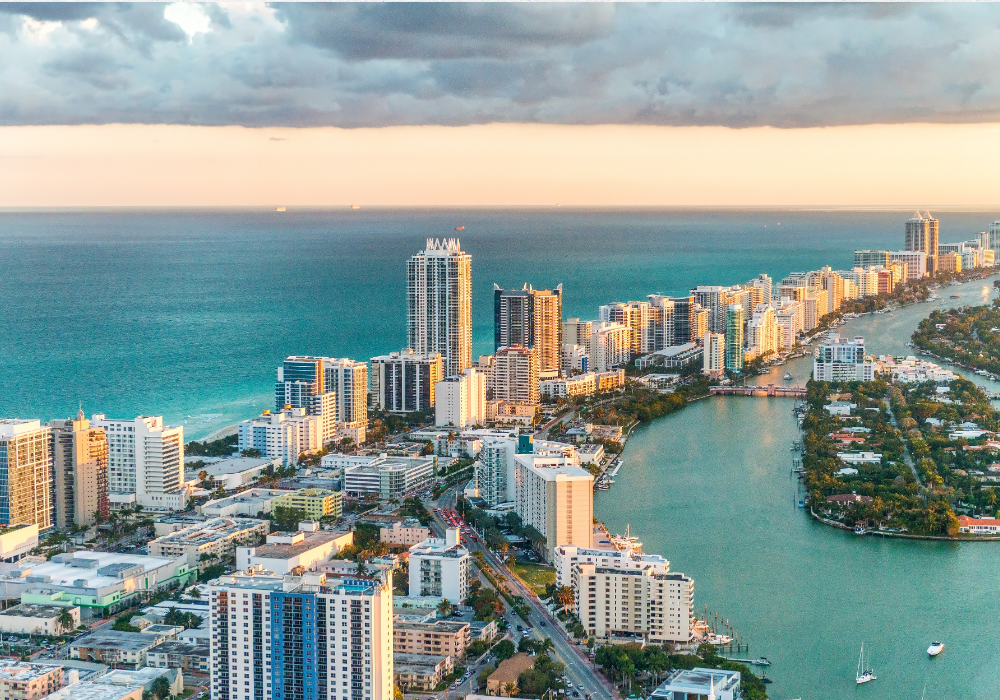
Rising sea levels, fueled by melting ice and thermal expansion, increasingly threaten coastal zones. Shorelines recede as low-lying areas succumb to encroaching waters. The impact reshapes real estate markets, affecting livelihoods dependent on unobstructed coastlines.
Saltwater intrusion damages freshwater supplies, while eroded landscapes challenge conservation efforts. Communities adapt with sea walls and relocation plans, seeking to minimize displacement. As tides advance steadily, adaptation strategies spotlight resilience issues across countries.
6. Altered rainfall patterns causing unusual droughts and flooding events.
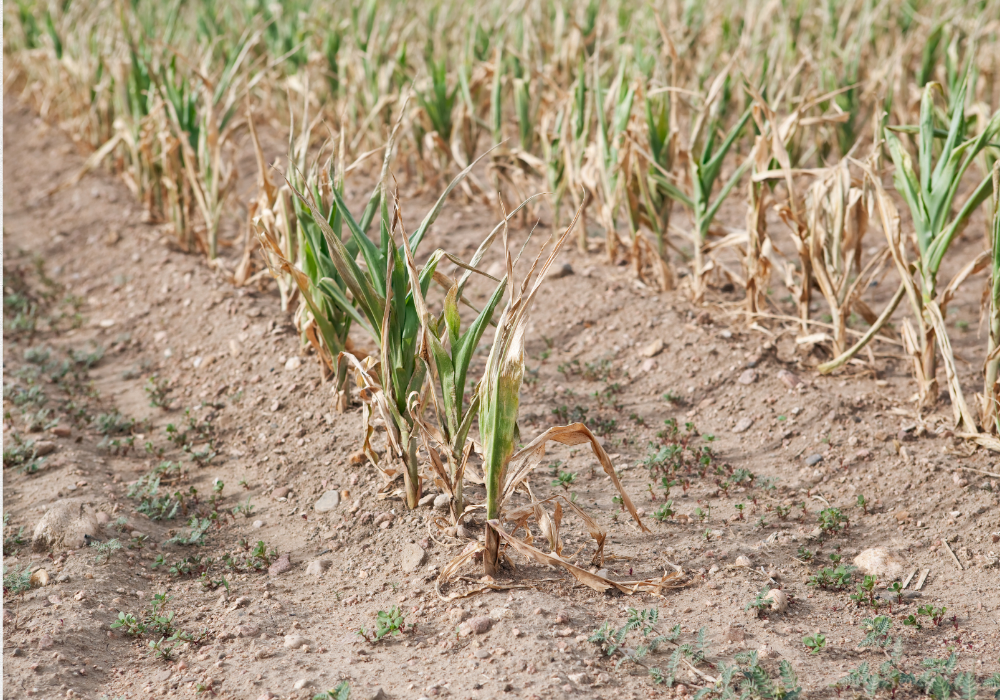
Changing rainfall patterns, partly driven by climate change, lead to irregular droughts and floods. Regions accustomed to steady climate conditions face unexpected challenges in managing water resources. The disparity in rainfall distribution strains agricultural systems reliant on predictable weather.
Communities adapt their practices to cope with new realities, like implementing advanced irrigation. While some areas face water scarcity, others battle persistent flooding. Recognizing the connection between precipitation shifts and climate highlights the need for resilient water management.
7. Changes in plant and animal migration and blooming seasons.

Plants and animals are adjusting migration and blooming schedules to keep pace with climate shifts. Warmer temperatures prompt earlier spring blooms, altering ecosystems’ balance. Animals migrate earlier or shift habitats entirely as they track these changes.
These adaptations, while seemingly slow, dramatically impact food chains and ecosystem interactions. In areas dependent on pollinators, early or delayed blooms affect crop yields. This cascade of changes calls for close observation and may necessitate new conservation strategies moving forward.
8. Expansion of desert areas affecting previously fertile lands.

The expansion of desert areas, attributed to changing climate, encroaches on previously fertile lands. Soil degradation and decreased rainfall hasten this process, leading to unproductive landscapes. Once-vibrant ecosystems struggle as arid conditions advance.
As deserts grow, the ripple effects—such as water scarcity, lost farmland, and increased dust storms—impact human and wildlife populations. Adaptive measures, including new land management techniques, can be critical for combating desertification’s onward march and preserving remaining fertile regions.
9. Shifts in ocean currents disrupting marine ecosystems and fisheries.
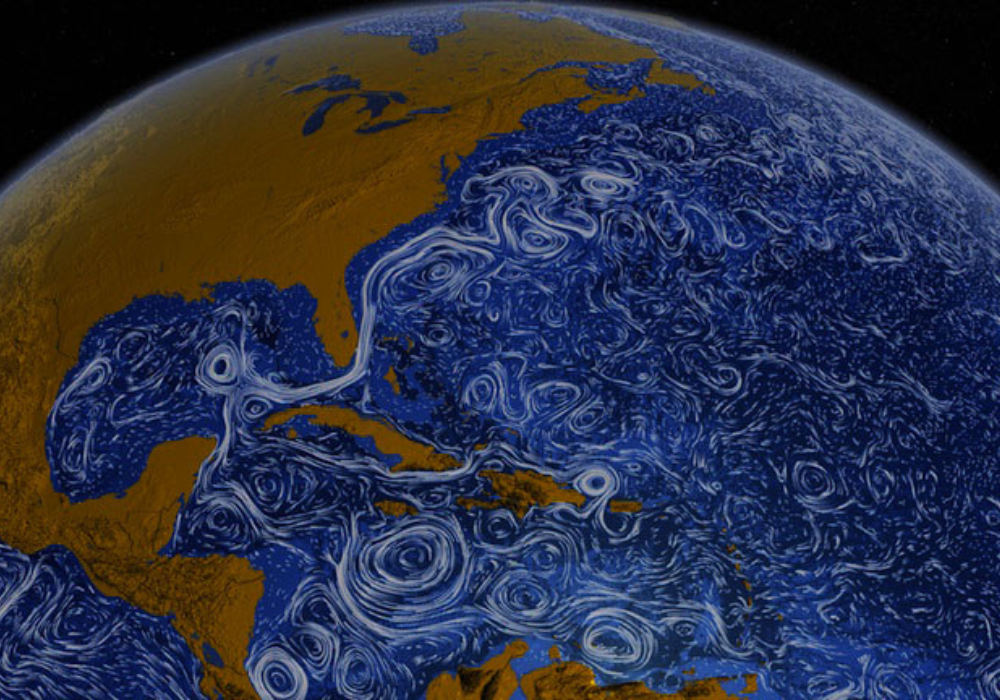
Ocean currents, key regulators of global climate, register notable shifts due to climate impacts. Warmer waters and melting polar ice disrupt traditional flow patterns, altering marine systems. These changes affect everything from the distribution of fishing species to regional weather.
Fisheries depending on stable fish populations face unpredictability. Cultures intimately tied to marine life adapt as new species emerge, replacing familiar ones. The interconnectedness of ocean currents with broader climate systems portrays how intricate—and delicate—these environmental relationships remain.
10. Greater awareness and discussion around climate change and sustainability.

Increased awareness of climate change drives the conversation around sustainability forward. Across generations, the dialogue has evolved, shaped by growing scientific evidence linking human activities to environmental impacts. Media, education, and policy channels amplify this understanding, making it ubiquitous.
This heightened discourse fosters collective responsibility towards future actions. As communities engage more deeply with climate science, shifts in public opinion push sustainable practices. It’s a dynamic change, mirroring broader societal movements focused on preserving the planet’s health for generations to come.