
Breathing in these cities could feel like smoking a pack a day.
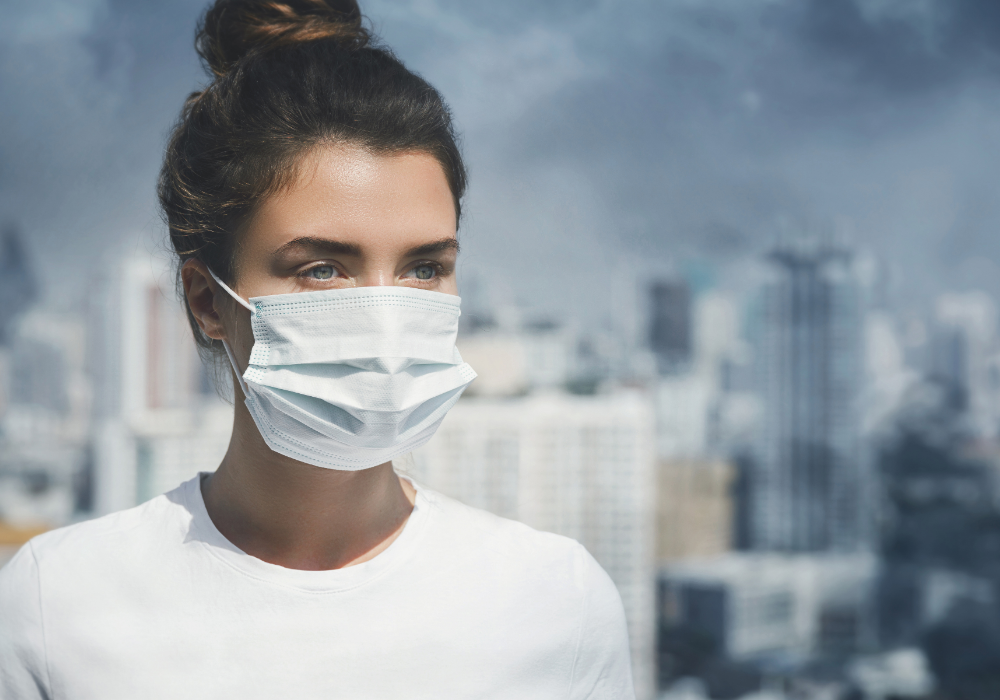
Air pollution isn’t just an eyesore or a mild inconvenience—it’s a slow-moving health crisis that’s already shortening lifespans in some of the world’s biggest cities. And with climate change accelerating and emissions still on the rise, things are set to get worse. Much worse. By 2040, experts warn that a disturbing number of urban areas could be shrouded in thick, toxic smog that clogs lungs, strains hearts, and chokes entire communities.
We’re talking about skies that turn gray for weeks, asthma attacks becoming the norm, and the simple act of breathing turning dangerous. These aren’t distant sci-fi predictions. They’re warnings grounded in current data, overlooked policies, and a global addiction to fossil fuels. From traffic-packed megacities to rapidly expanding metros, these 10 cities are staring down a smog-filled future—unless something changes, and fast.
1. Delhi’s air could become unbreathable for months each year.
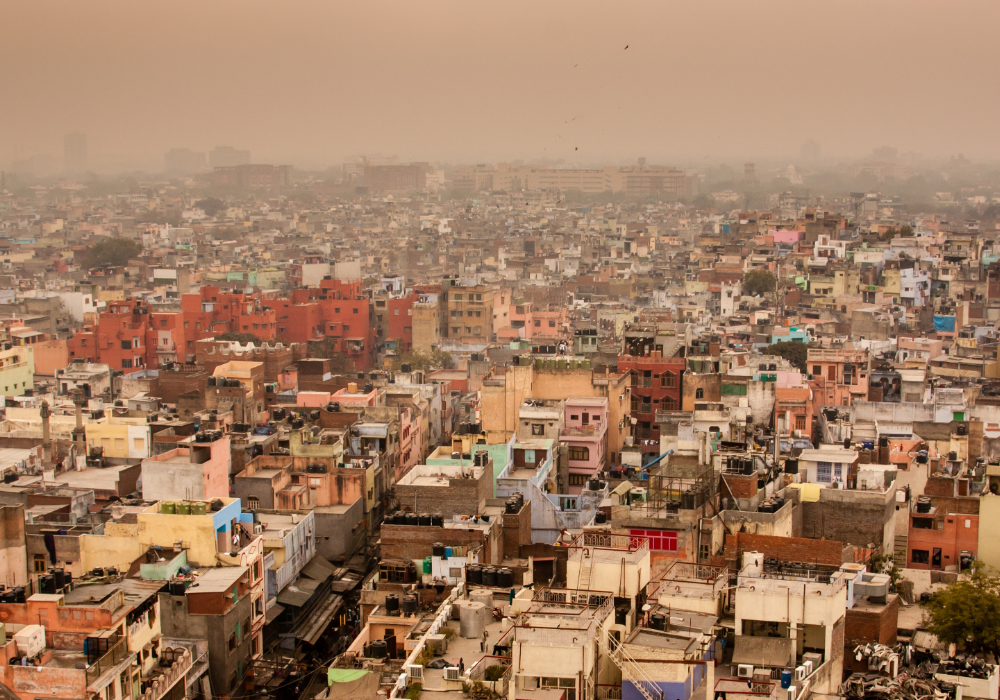
Delhi already ranks as one of the most polluted cities on the planet, and if current trends continue, its air could soon hit catastrophic levels more frequently. A deadly mix of traffic emissions, industrial smoke, crop burning, and stagnant winter air traps pollutants in a thick layer of smog. Every year, the city enters a “smog season” that shuts down schools, grounds flights, and fills hospitals with patients struggling to breathe.
A 2024 published by Mi Zhou for Nature Communications warns that winter pollution episodes in northern India could last longer and worsen, with PM2.5 levels increasing by up to 7 micrograms per cubic meter due to rising temperatures and stagnant air conditions. Efforts to cut pollution have so far been outpaced by rapid urban growth and weak enforcement. Without serious intervention, Delhi could face the terrifying reality of months-long stretches where stepping outside feels like lighting a cigarette.
2. Beijing could face a return to its darkest pollution days.
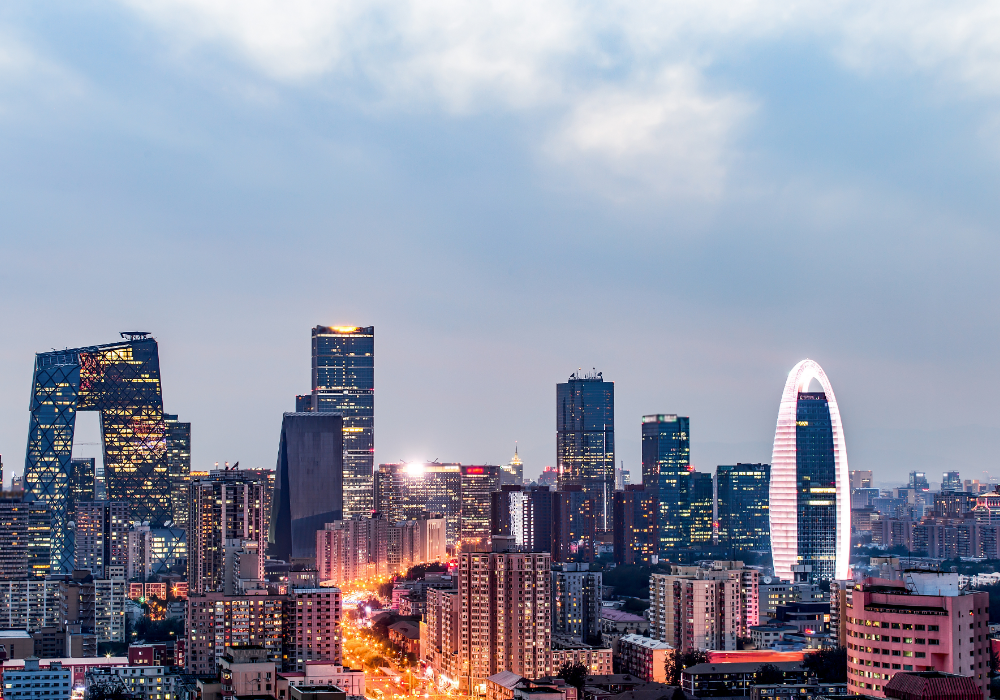
Beijing made global headlines in the 2010s for its apocalyptic “airpocalypse” days—when the sky turned brown, masks became essential, and pollution readings broke charts. Since then, China has made major progress with stricter regulations and cleaner technologies. But with a rising population, industrial output rebounding, and climate change pushing extreme weather patterns, that progress could reverse by 2040.
According to Xia Zhijian for Dialogue Earth, China’s major cities could see an increase of up to 1.8 additional days of severe PM2.5 pollution per year by mid-century, largely due to climate-driven stagnation events. The danger here isn’t just a haze over the skyline—it’s the resurgence of chronic illnesses, a rise in respiratory hospitalizations, and an economy strained by health-related costs. If regulations stall or enforcement weakens, Beijing’s clean air progress could vanish fast.
3. Los Angeles could choke on heat-fueled smog waves.
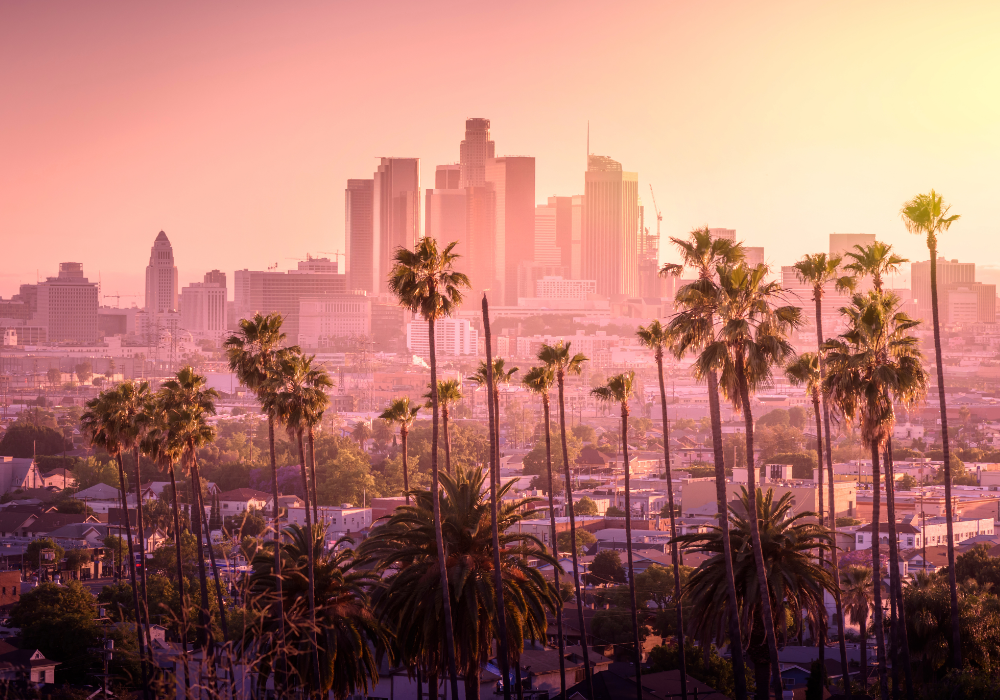
L.A. has long been a poster child for photochemical smog, thanks to its car-heavy culture and sun-drenched geography. While vehicle emissions have dropped over the decades, the city still regularly ranks among the worst for ozone pollution. And with rising temperatures and climate-fueled wildfires, experts say smog could hit new highs by 2040.
As heat intensifies, so does the chemical reaction that creates ground-level ozone. More heatwaves mean more smog. Per Alex Fitzpatrick for Axios, Los Angeles ranks among the worst U.S. cities for ozone pollution, with climate change-driven factors like extreme heat and wildfires contributing to the degradation of air quality. Without bold action to electrify transportation, limit sprawl, and reduce emissions at the source, Los Angeles could face a dangerous future where clean air becomes a luxury, not a right.
4. Jakarta could drown in traffic fumes and choking humidity.
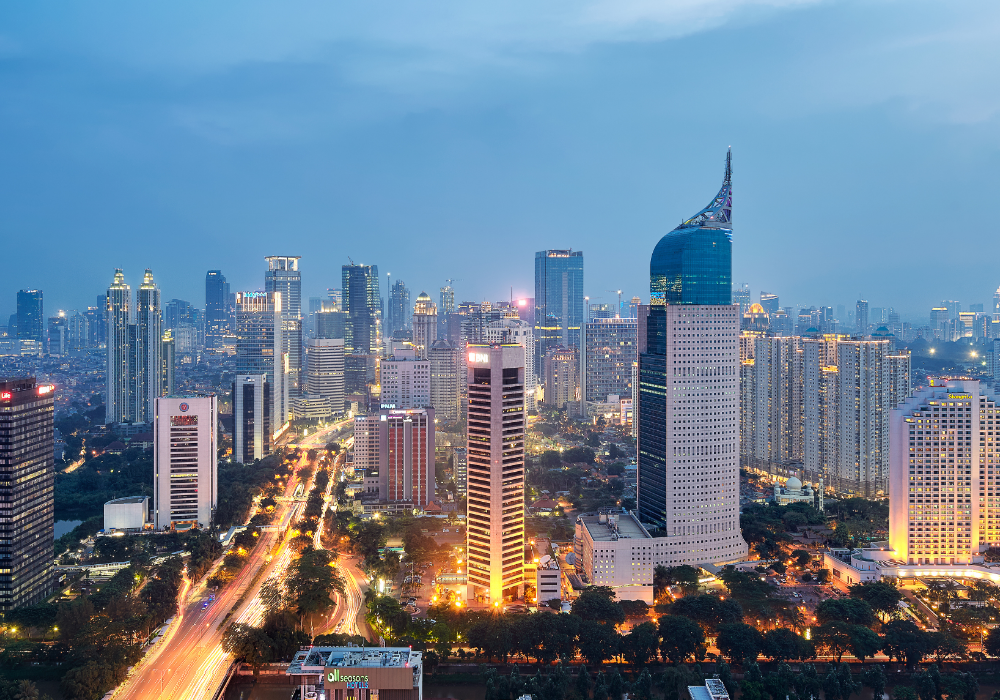
Jakarta already struggles with some of the worst traffic congestion in the world, and all those idling engines are pumping out a constant stream of toxic fumes. Combine that with the city’s tropical heat and humidity, and you get the perfect storm for thick, suffocating smog. As urban growth surges and car ownership skyrockets, air quality is projected to decline sharply by 2040.
Despite efforts to expand public transit and relocate the capital, Jakarta’s core remains overcrowded and poorly ventilated. Tall buildings trap pollutants, and wet, still air helps them linger.
Add in industrial emissions and seasonal wildfires from surrounding islands, and the city’s already-strained lungs will be under even more pressure. Without aggressive policy change and a shift away from fossil fuels, Jakarta could become a textbook example of how unchecked urbanization poisons the air we breathe.
5. Mexico City could spiral back into a permanent pollution emergency.
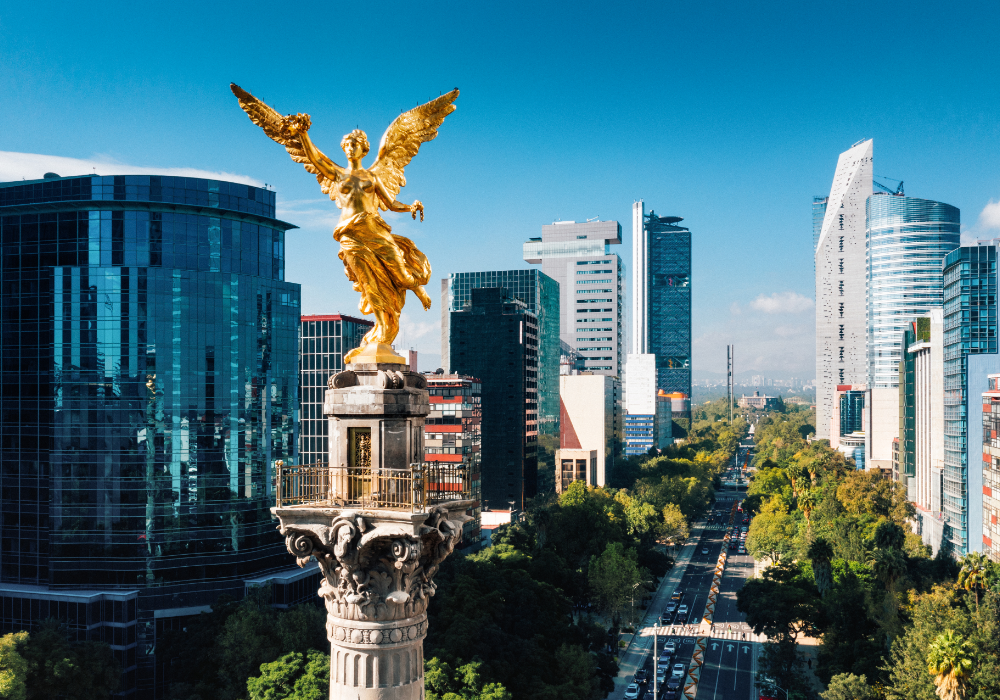
Mexico City once held the title of the most polluted city on Earth, but in recent years, it’s made strides toward cleaner skies through tighter vehicle inspections and greener public transit. Still, the city’s geography is its biggest enemy—it sits in a high-altitude valley surrounded by mountains, which trap smog like a lid on a pot. And climate change is only making the stew boil hotter.
Rising temperatures, drier air, and stagnant wind patterns could mean pollution gets trapped more often and for longer periods. Add to that a growing population and aging vehicle fleet, and by 2040, the city could be facing pollution levels not seen since its crisis years in the 1980s and ’90s. For millions of residents, the health consequences—from chronic coughs to cardiac strain—will become daily realities if mitigation efforts don’t keep up with accelerating risks.
6. Cairo could become a year-round smog zone without urgent reform.
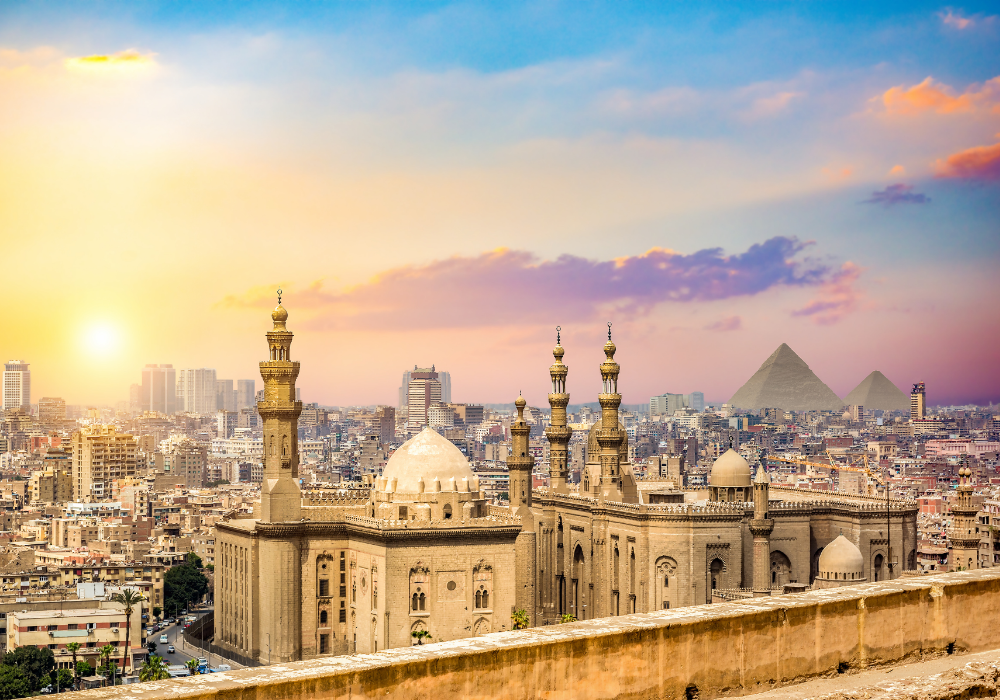
Cairo’s sprawling streets are already packed with aging vehicles and unregulated emissions, and it doesn’t help that the city barely sees a breeze. Pollution gets trapped over this desert megacity, turning the sky a permanent yellow-gray. Add in industrial zones and burning trash piles, and you’ve got a toxic mix that’s already taking a toll on public health.
By 2040, rising temperatures could amplify this crisis. Heat speeds up chemical reactions in the air, intensifying ground-level ozone, while dust storms and construction add even more particles into the mix. Without a sweeping overhaul of transportation, waste management, and emissions enforcement, Cairo risks becoming a city where clean air is only available indoors—if at all. For residents with asthma or heart conditions, just stepping outside could be dangerous. The city needs action now, or it may be breathing in its own exhaust for decades to come.
7. Bangkok could face toxic air on par with industrial zones.
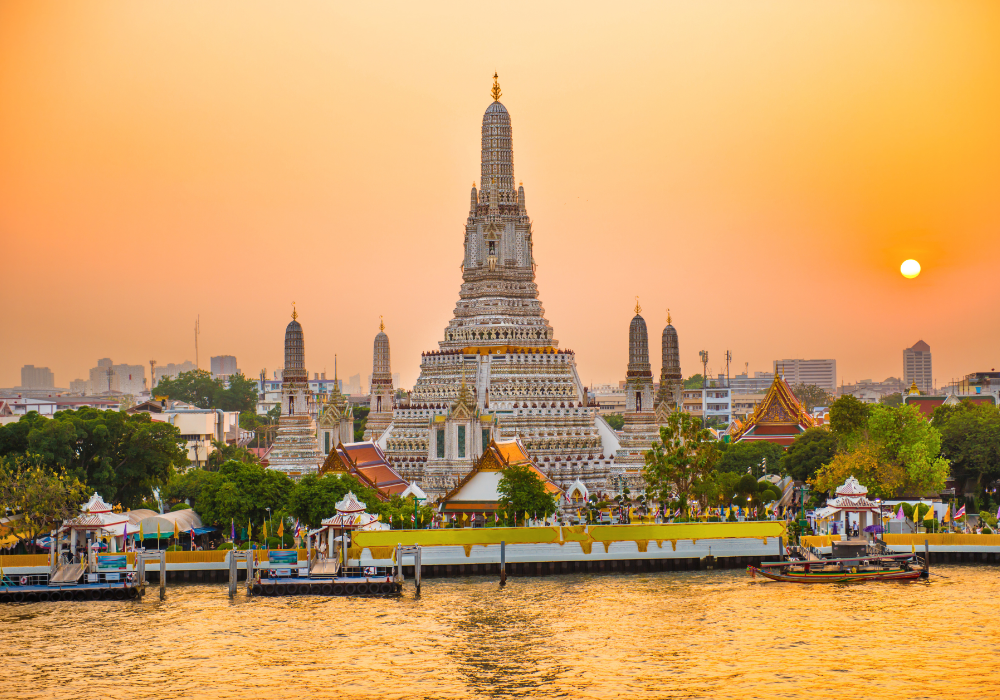
Bangkok’s smog problem doesn’t get as much global attention, but it should. Traffic congestion, lax emissions enforcement, and increasing heat have made bad air days far more common in recent years. The city often wakes up under a layer of haze, especially during the dry season. By 2040, this could become the norm rather than the exception.
As Bangkok continues to grow, more cars, more construction, and more energy demand will push pollution levels higher. Climate change isn’t helping—rising temperatures and drier conditions make it easier for pollutants to hang in the air.
Without serious investment in clean transport, green infrastructure, and industrial reform, Bangkok may find itself with air quality that rivals the worst industrial cities. For millions of residents, it would mean more masks, more hospital visits, and more days where even going outside feels like a risk.
8. Lagos could see smog levels spike as the city expands rapidly.
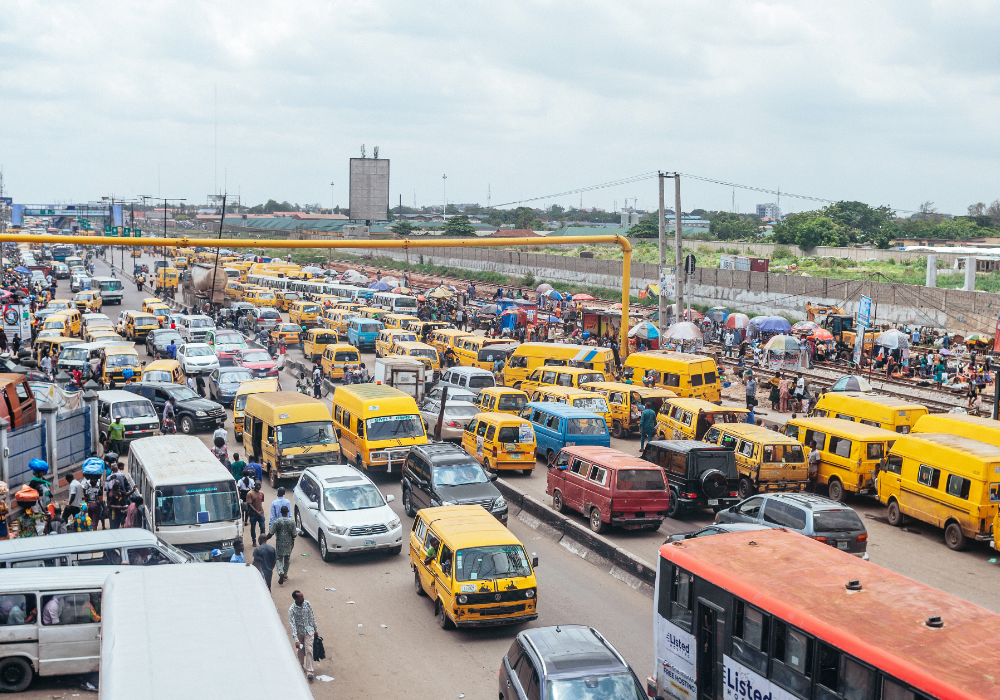
Lagos is one of the fastest-growing cities in the world, but its infrastructure isn’t keeping up. As the population surges past 20 million, so does the number of cars, generators, and industrial sites pouring pollutants into the air. Much of the city relies on diesel-powered energy due to unreliable electricity, and that exhaust creates a dense, choking haze that’s already noticeable on many days.
By 2040, Lagos could face smog levels that rival the world’s most polluted megacities. Climate change is expected to bring hotter, drier air that makes pollutants linger longer. Combined with weak air quality regulation and poor public transit, it’s a recipe for a full-blown smog crisis. Without major investments in cleaner energy, transit systems, and emissions enforcement, Lagos could become one of the hardest places in the world to breathe.
9. Istanbul could face pollution problems as urban sprawl surges.
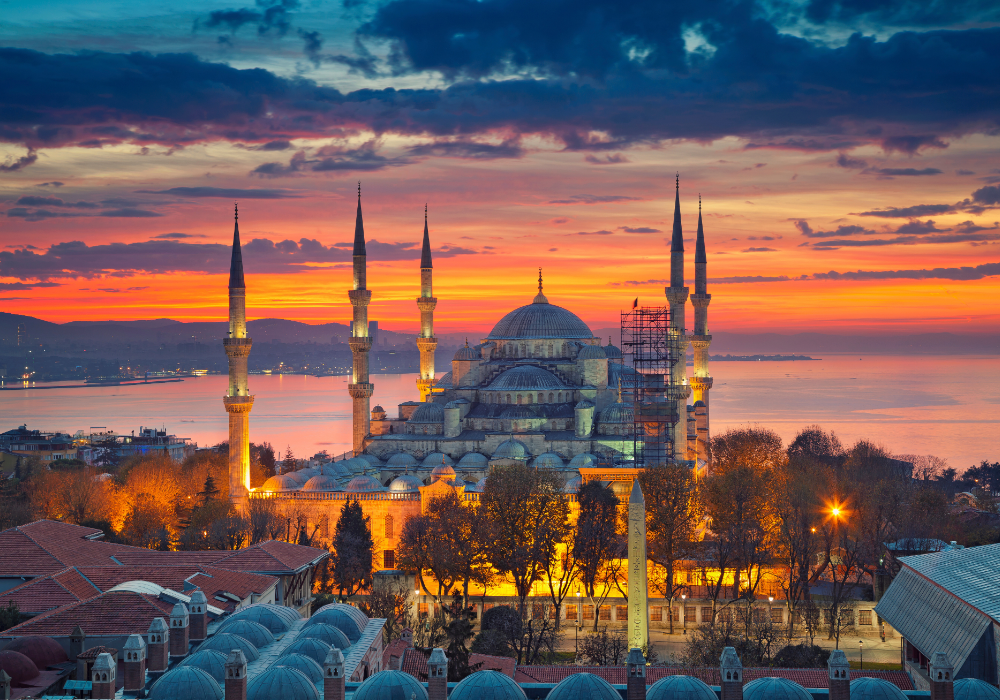
Istanbul straddles two continents, but its air quality issues are deeply rooted in modern challenges—traffic gridlock, coal heating, and rapid development. Smog already builds up in the city’s valleys and low-lying neighborhoods, especially during colder months when emissions get trapped under layers of stagnant air. As the population grows and urban sprawl continues, the city’s pollution problem is set to worsen.
By 2040, more heatwaves and shifting weather patterns could stretch smog seasons even longer. Without drastic improvements in public transit, clean energy access, and pollution monitoring, Istanbul could face days—or weeks—when air quality poses a serious threat to public health. It’s not just the haze you can see, either. Fine particles and ground-level ozone could quietly chip away at the health of millions, especially the elderly and children who have the least protection from long-term exposure.
10. Houston could become America’s next smog capital.
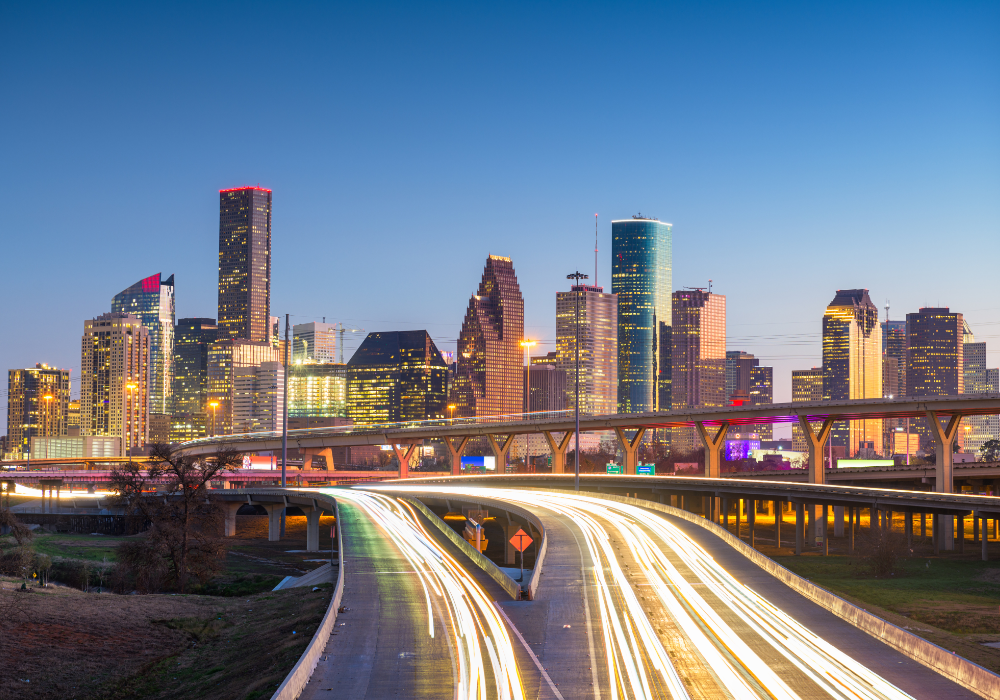
Houston has always been an industrial powerhouse, home to one of the largest oil and gas hubs in the world. That means it also has one of the highest concentrations of refineries, pipelines, and petrochemical plants—and the emissions to match. Add in sprawl, traffic, and some of the worst urban planning in the U.S., and you get a city already flirting with dangerous smog levels.
By 2040, hotter temperatures and more extreme weather could trap pollutants over the region for longer periods. The Gulf Coast’s climate is changing fast, and so is the risk of air stagnation events that push ozone levels through the roof. Without a shift away from fossil fuels and tighter industrial regulations, Houston could surpass even Los Angeles as the city where the air hurts to breathe. And with climate change turning up the heat, that future could come faster than anyone expects.