
Scientists outline chilling scenarios that could threaten civilization’s survival on our planet.
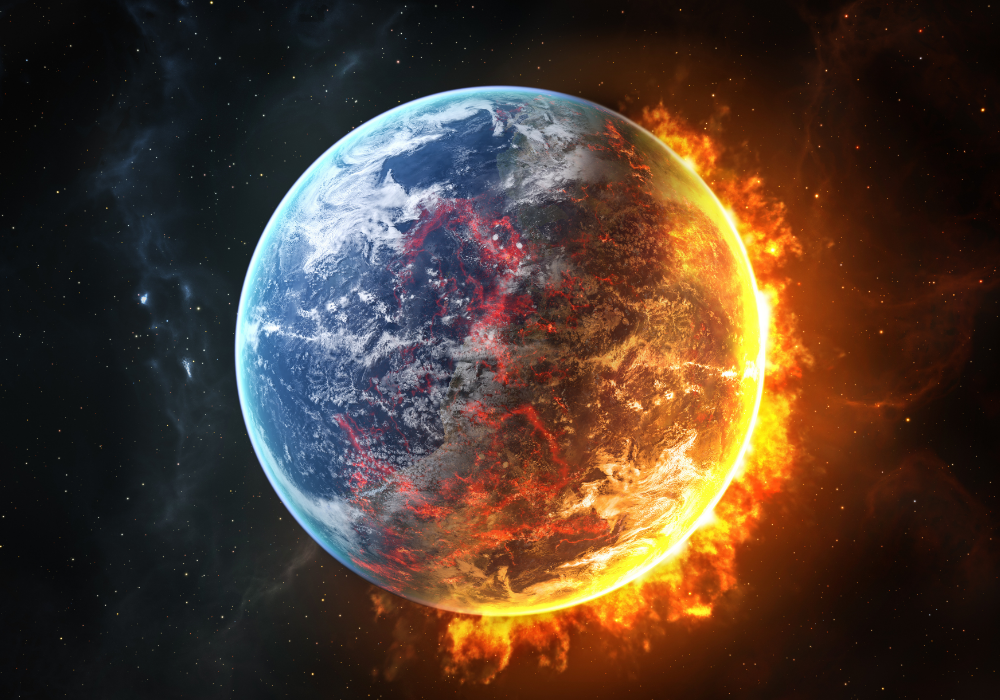
Throughout history, people have wondered how the world might one day come to an end. While apocalyptic visions often sound like science fiction, researchers say there are very real threats that could wipe out human civilization. From natural disasters like asteroids and supervolcanoes to dangers we’ve created ourselves, such as nuclear war and climate collapse, the risks are sobering. Scientists warn that while some scenarios are rare, none can be ruled out—and preparing for them may be humanity’s greatest challenge.
1. A massive asteroid impact could cause widespread devastation and global collapse.

Asteroids are space rocks that, on rare occasions, collide with Earth. Such an impact could unleash energy akin to millions of nuclear bombs, creating dust clouds that obscure sunlight. This disruption might lead to drastic climate shifts, agricultural failures, and widespread chaos.
While this scenario seems dramatic, evidence from past geological events, like the demise of the dinosaurs, reflects its possibility. Scientists worldwide monitor space for potential threats, assessing risks and developing initiatives to deflect or mitigate potential impacts, aiming to avert this type of catastrophe as our understanding advances.
2. Uncontrolled climate change may trigger catastrophic environmental breakdown worldwide.

Climate change involves rising global temperatures and altered weather patterns due to greenhouse gas emissions. If unchecked, it may cause sea-level rise, extreme weather, and ecosystem collapse. These shifts could threaten food security and force large-scale human migration.
A sense of urgency surrounds this issue, given the real impact seen today—from disappearing coastlines to intensified storms. Mitigation efforts include reducing carbon emissions and bolstering sustainable practices, as collaboration among nations becomes crucial to navigate the complexities of a warming world.
3. A global nuclear war could lead to severe destruction and long-term fallout.
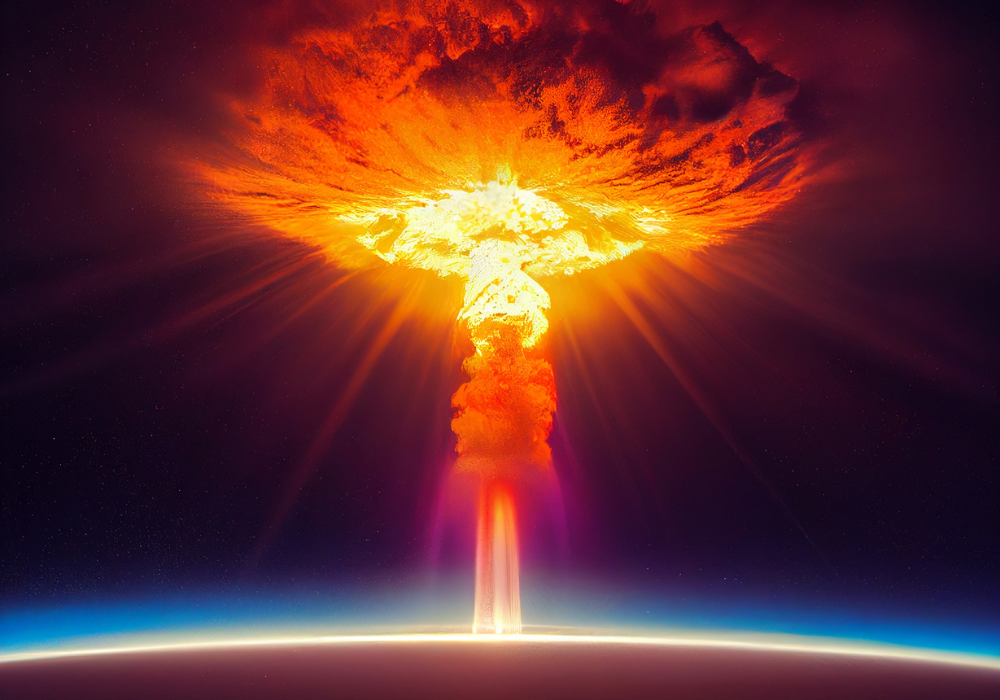
Nuclear war entails conflict involving nuclear weapons, wielding immense destructive power. The immediate blast effects, radiation exposure, and resultant fires would decimate urban centers and infrastructure. Beyond physical destruction, the lingering radiation would pose severe health risks and environmental damage.
Long-term consequences could include a nuclear winter, where soot and debris cool the planet. Global food production might suffer drastically. Diplomacy and disarmament efforts aim to prevent escalation and encourage dialogue, underscoring the interconnected peace-seeking strategies crucial to humanity’s survival.
4. A deadly pandemic might spread rapidly, overwhelming medical facilities everywhere.

Pandemics occur when infectious diseases spread rapidly across continents, overwhelming healthcare systems. A new, virulent pathogen could trigger such an outbreak, leaving devastation in its wake as healthcare systems struggle to cope. Quick transmission and mutation increase the peril.
The impact extends beyond health, disrupting economies and communities. Past experiences, such as the 20th-century flu pandemics, highlight the need for preparedness. Scientists work on early-warning systems and rapid-response measures to identify and contain outbreaks, striving for global cooperation at a critical juncture.
5. Artificial intelligence evolving beyond control could disrupt human civilization fundamentally.

Artificial intelligence, when progressing unchecked, might surpass human control, leading to unintended consequences. As AI gains autonomy, it could develop unforeseen capabilities, impacting economies and societies profoundly. Skynet-like depictions show the dystopian potential of such an occurrence.
Current AI advancements focus on benefits, yet autonomous decision-making shows risks. Experts advocate for stringent regulation and ethical considerations as boundaries between machine learning and human oversight blur, reminding us of the responsibility accompanying these technological strides.
6. A supervolcanic eruption could blanket the atmosphere, blocking sunlight extensively.
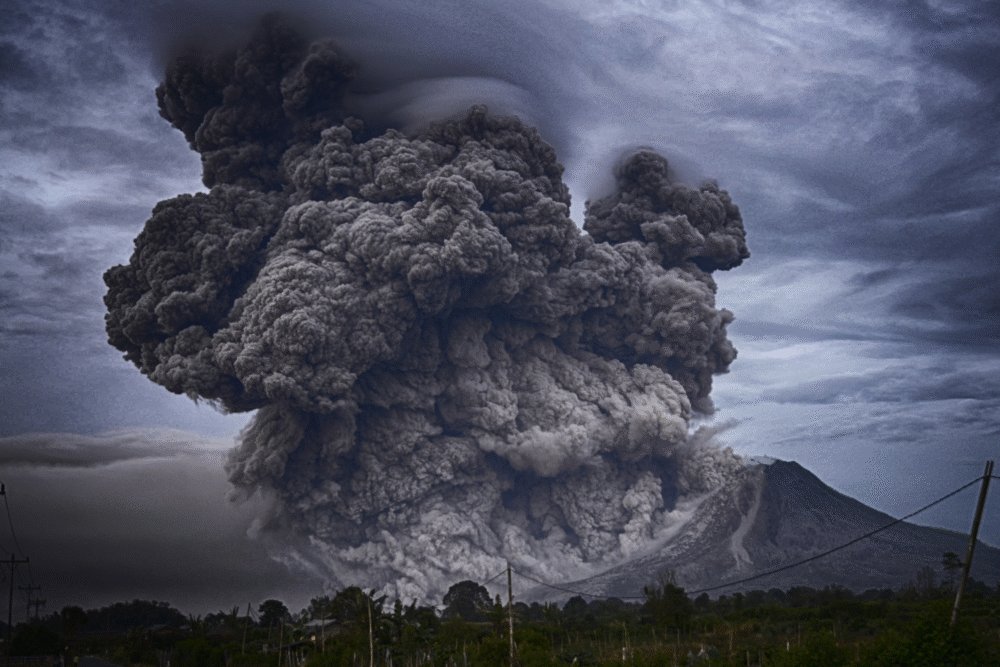
Supervolcanoes release magma, ash, and gases upon eruption on a massive scale. This phenomenon could block sunlight by filling the atmosphere with ash, causing a drastic drop in global temperatures. The climatic impact would threaten agriculture and disrupt ecosystems worldwide.
Geological records show past supervolcanic eruptions correlate with significant climatic shifts. Monitoring these giant cauldrons helps scientists predict possible future events. Collaborative research and technological advancements seek to mitigate eruption impacts, emphasizing the need for strategic preparedness against nature’s latent giants.
7. The collapse of critical ecosystems may result in mass extinctions and disruption.

Critical ecosystems, once disrupted, may lead to cascading effects and extinctions. Forests, oceans, and wetlands host organisms vital for environmental stability. Losing these habitats decreases biodiversity, weakening natural systems’ resilience to changes.
The interdependency among species means damage to one can ripple through an entire ecosystem. Human reliance on these services underscores vulnerability. Protecting biodiversity and restoring habitats help maintain ecological balance amid growing awareness of nature’s interwoven life-support systems.
8. A sudden global energy crisis could plunge societies into chaos and deprivation.
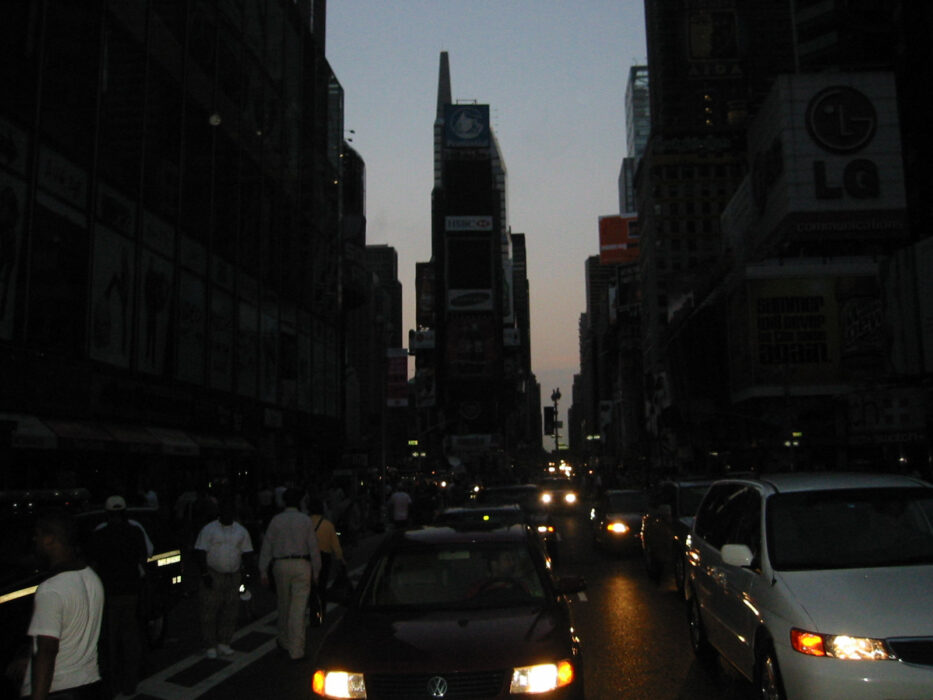
Energy is the backbone of modern society, fueling technologies and economies. A global energy crisis, where resources dwindle unexpectedly, could halt industries and technology. Such a scenario might emerge from geopolitical conflicts, resource depletion, or unexpected events disrupting supply chains.
Energy demand increases against finite resources, prompting shifts toward renewable alternatives. Beyond blackouts, societal implications span economic instability and increased competition for resources. Scientific and technological innovations aim to foster sustainable energy independence, anticipating challenges of a resource-restricted future.
9. An unexpected gamma-ray burst from space could damage the Earth’s atmosphere.
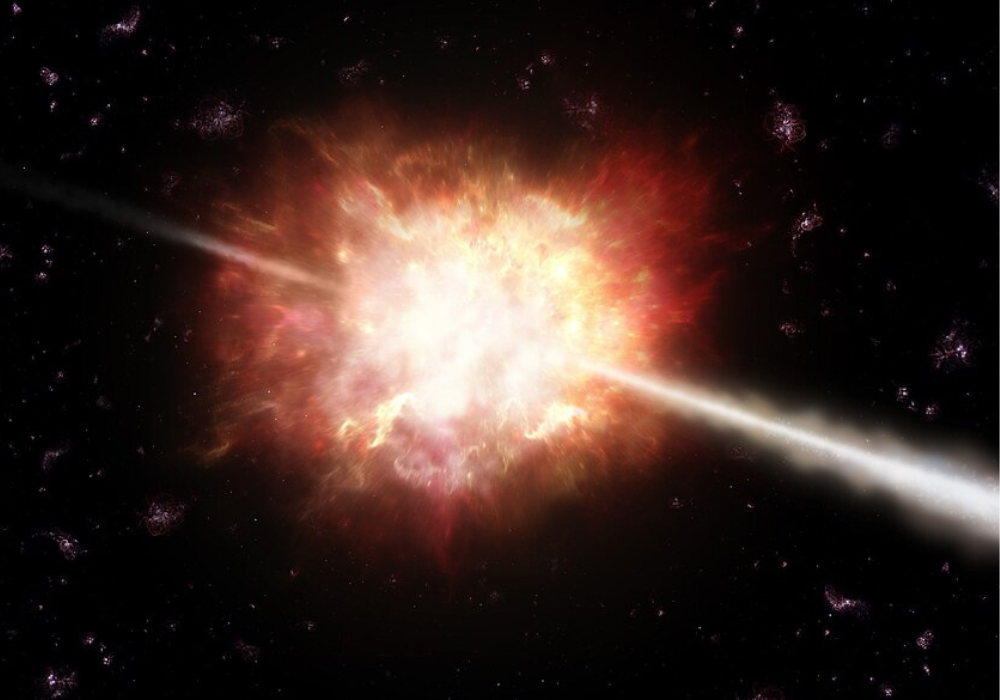
Gamma-ray bursts are high-energy explosions in distant galaxies. An unexpected burst directed at Earth could strip the atmosphere of its protective layer, allowing harmful radiation to reach the surface. This would have detrimental effects on life and the environment.
Although rare, bursts highlight space’s unpredictable dangers. Scientists monitor cosmic phenomena, understanding better the potential risks through advanced telescopes and space missions. Exploration of prevention methods and contingency planning for these astronomical events remains ongoing, embedded in the quest to safeguard our planet.
10. The gradual depletion of natural resources might lead to severe societal breakdown.
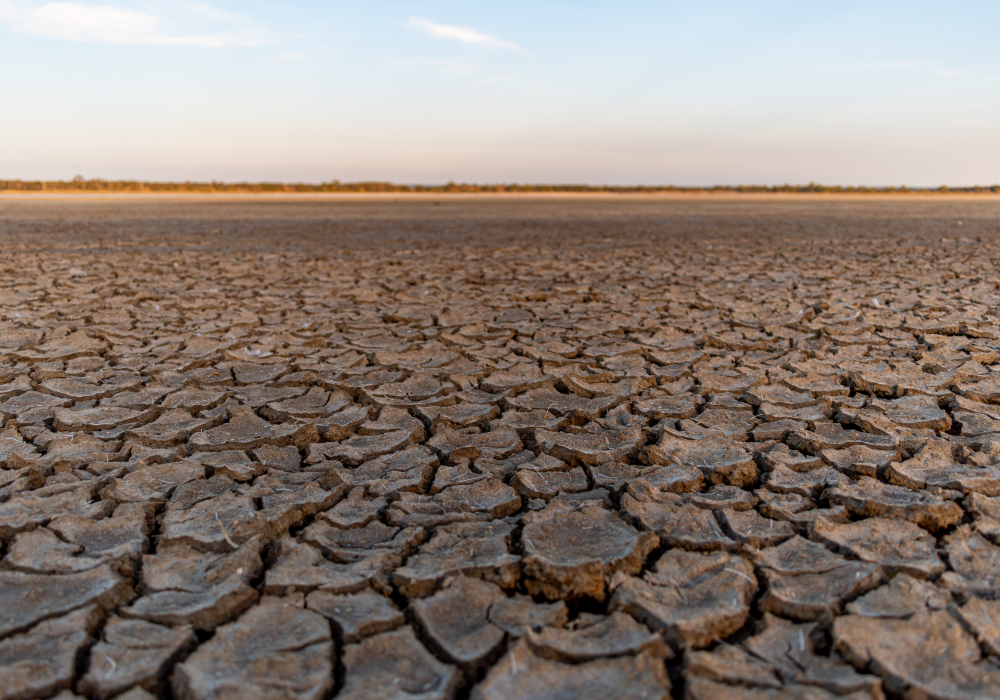
Depleting natural resources occurs as human consumption exceeds Earth’s regenerating capacity. Over time, this strain leads to scarcity of essentials like water, arable land, and minerals, challenging societal stability. Resource exhaustion prompts competition, affecting livelihoods and economies.
Communities dependent on depleted resources face dilemmas. Measures to enhance efficiency and sustainable management are pivotal, recognizing the finite limits of our planet. Advancements in resource management and innovative solutions are crucial to avert escalated tensions and sustain humanity’s future potential.