
Mental health experts reveal the phrases that reduce panic symptoms and help loved ones feel safe and supported during anxiety attacks.

When someone you care about is having a panic attack, your words can either provide comfort or accidentally make things worse. Dr. Ken Duckworth, medical director of the National Alliance on Mental Illness, explains that panic attacks aren’t just “being dramatic”—they’re intense fear responses where the body’s survival instincts activate without real danger. The person experiencing it feels genuine terror, often thinking they’re having a heart attack or dying.
Mental health experts emphasize that what you say in those critical moments can help ground them back to reality and reduce the severity of symptoms. Here are ten expert-backed phrases that mental health professionals recommend using to support someone through this frightening experience.
1. “You’re safe right now, and this feeling will pass.”

This phrase addresses the core fear driving most panic attacks—the feeling that something terrible is happening or about to happen. Mental health experts emphasize that panic attacks create “false alarms” where the body’s survival systems activate without real danger.
By calmly stating they’re safe and reminding them the intense feelings are temporary, you help ground them in reality. Most panic attacks last 5-20 minutes, and reassuring them about this timeline can provide hope during the most frightening moments when they feel trapped in overwhelming sensations.
2. “I’m here with you, and you’re not alone.”

Panic attacks can feel incredibly isolating, making the person feel cut off from the world around them. According to mental health professionals, simply knowing someone cares enough to stay present can significantly reduce the intensity of symptoms. This phrase combats the loneliness and shame that often accompany panic attacks.
Your physical presence and emotional support serve as anchors to reality when their mind is overwhelmed by fear. Avoid leaving them alone during an attack, as isolation can worsen symptoms and increase the likelihood of future attacks.
3. “Let’s focus on breathing together—in for four, hold for four, out for four.”

Breathing techniques are among the most effective immediate interventions for panic attacks, according to therapists who specialize in anxiety disorders. The structured 4-4-4 breathing pattern gives the person something concrete to focus on while naturally slowing their heart rate.
Mental health experts recommend doing the breathing exercise alongside them rather than just instructing them to breathe. Count out loud slowly and demonstrate the rhythm with gentle arm movements. This collaborative approach helps them feel supported while regaining control over their physical responses to panic.
4. “Can you tell me five things you can see around us right now?”

This grounding technique, recommended by cognitive behavioral therapists, helps shift focus from internal panic symptoms to external reality. Mental health professionals call this the “5-4-3-2-1” technique, which works by engaging the senses to reconnect with the present moment.
Start with sight because it’s usually the easiest sense to engage during panic. Follow up by asking for four things they can touch, three things they can hear, two things they can smell, and one thing they can taste. This systematic approach helps interrupt the panic cycle by redirecting attention away from catastrophic thoughts.
5. “This is anxiety, not danger—your body is trying to protect you.”

Expert therapists emphasize the importance of helping people understand what’s happening during a panic attack. This phrase reframes the terrifying physical sensations as a protective mechanism gone haywire rather than a sign of serious illness or impending doom. Many people experiencing panic attacks fear they’re having heart attacks or losing their minds.
By explaining that their body is simply responding to a perceived threat that isn’t actually there, you help reduce the secondary fear that often makes panic attacks worse. Knowledge can be powerfully calming during these episodes.
6. “You’ve gotten through this before, and you can get through it again.”

Mental health professionals recommend acknowledging the person’s strength and resilience, especially if they’ve experienced previous panic attacks. This phrase serves multiple purposes: it reminds them they have survived similar experiences, validates that what they’re feeling is real and difficult, and instills confidence in their ability to cope.
For someone having their first panic attack, you might modify this to “You’re stronger than you realize, and you will get through this.” The key is building their sense of personal power rather than helplessness.
7. “What usually helps you feel more comfortable when you’re stressed?”

This question empowers the person by involving them in their own care while redirecting their focus to familiar coping strategies. Mental health experts emphasize that different people find comfort in different approaches during panic attacks. Some find relief by moving to a quieter, less crowded space, while others prefer having someone sit close or hold their hand.
Many people benefit from focusing on a meaningful object or photo, listening to calming music or sounds, or using a cold compress on their forehead or wrists. By asking what they need, you avoid imposing potentially uncomfortable interventions while encouraging them to think actively about solutions that work specifically for them.
8. “Your feelings are completely valid—panic attacks are a real medical condition.”

Shame and embarrassment often accompany panic attacks, with many people feeling like they should be able to “just calm down” or “get over it.” Mental health professionals stress the importance of validating the person’s experience without judgment. This phrase acknowledges that panic attacks are legitimate medical events, not character flaws or signs of weakness.
Research shows that panic attacks involve real changes in brain chemistry and nervous system function. By treating their experience with respect and seriousness, you help reduce the shame that can worsen symptoms and prevent future treatment-seeking.
9. “Let’s move to somewhere more comfortable where you can sit down.”
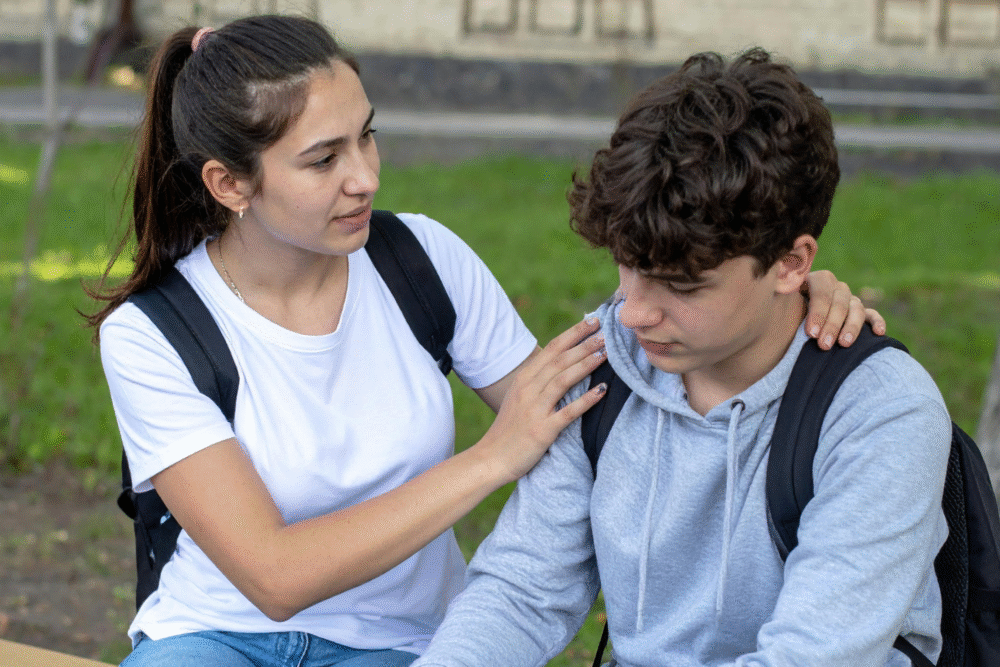
Physical environment plays a crucial role in panic attack recovery, according to anxiety specialists. This phrase offers practical help while giving the person some control over their situation. The goal is to find a quiet space away from crowds or noise while ensuring good air circulation and comfortable temperature.
You’ll want to locate a comfortable place for them to sit or lie down, help them remove any tight clothing or restrictive accessories, and dim bright lights that might feel overwhelming. Creating a calm, safe physical space supports the person’s natural recovery process while showing that you’re taking concrete steps to help them feel better.
10. “There’s no rush—we can stay here as long as you need.”
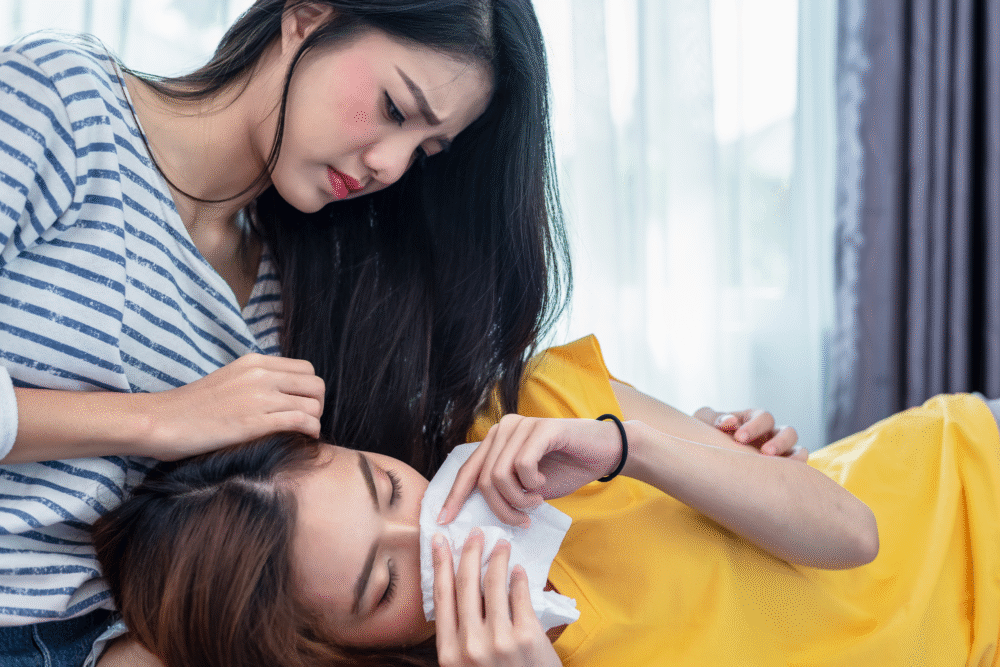
Time pressure often worsens panic attacks, as people feel pressure to “snap out of it” quickly. This phrase removes that pressure and communicates unconditional support. Mental health experts note that panic attacks typically peak within 10 minutes, but the aftereffects can last much longer.
Some people need time to process what happened, while others want to rest quietly until they feel ready to resume activities. By explicitly stating there’s no time limit on your support, you help them focus on recovery rather than worrying about inconveniencing others or meeting external expectations.