
From presidents to disasters, these strange historical coincidences still defy explanation.
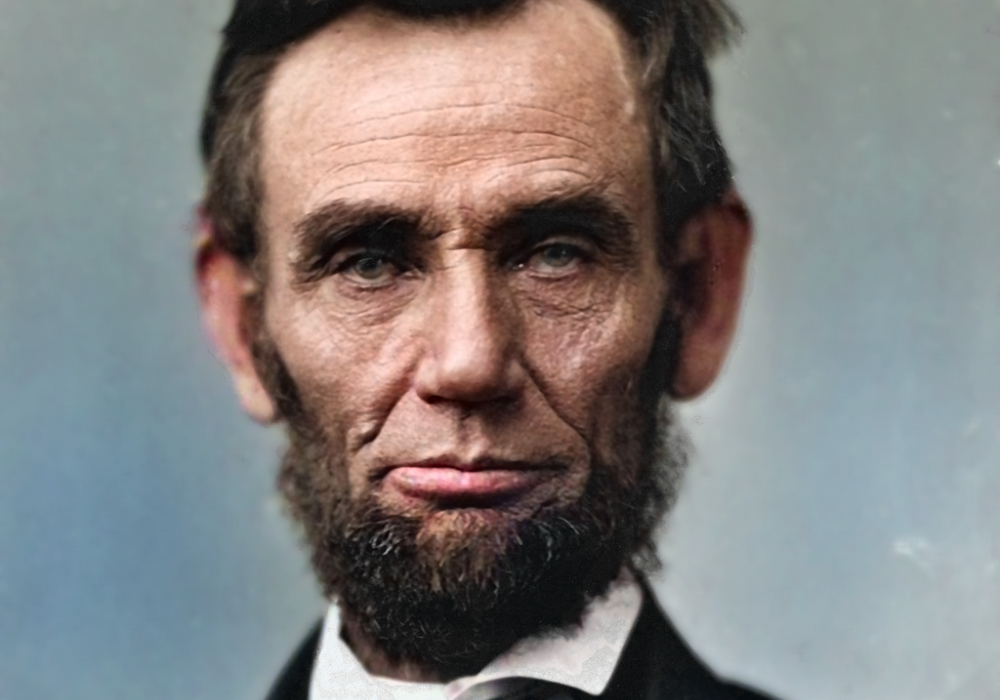
History is full of strange twists that make even the most skeptical minds pause. From presidents and inventors to authors and ordinary citizens, countless moments in America’s past have lined up with eerie precision—defying logic, probability, and explanation. Some seem almost supernatural, others purely mathematical, yet all share one thing in common: they really happened. These bizarre coincidences reveal that sometimes, truth truly is stranger than fiction—and that history has a mysterious way of repeating itself in unexpected patterns.
1. The Lincoln–Kennedy Coincidence That Still Blows Minds
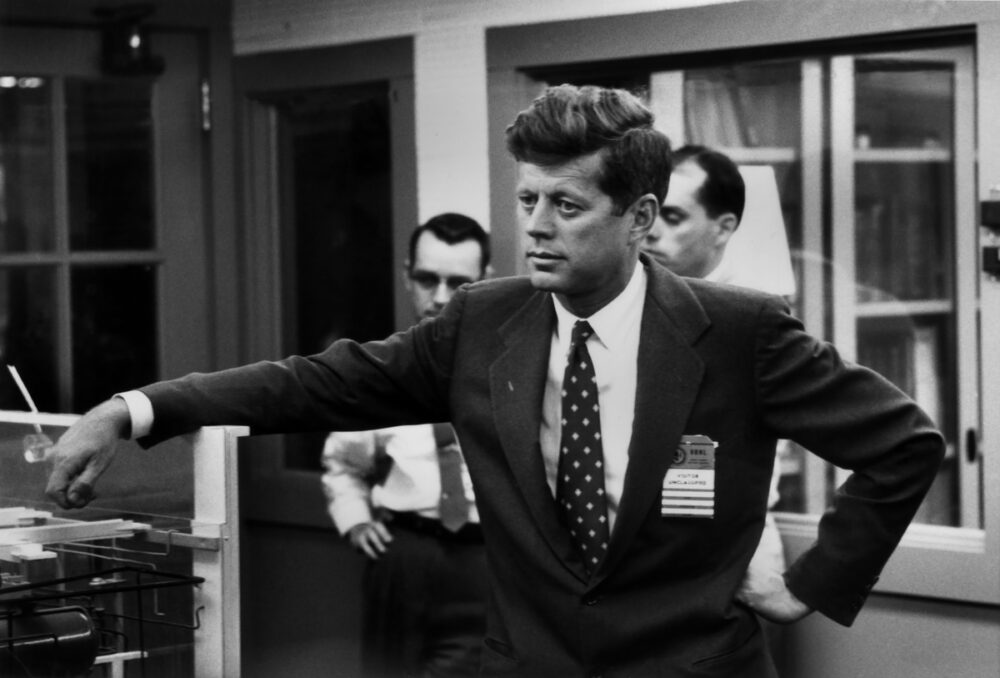
Few coincidences in history are as eerie as the parallels between Abraham Lincoln and John F. Kennedy. Both were elected to Congress 100 years apart (1846 and 1946), and both became president exactly a century apart (1860 and 1960). Each was succeeded by a man named Johnson—Andrew and Lyndon—also born 100 years apart.
Lincoln was shot at Ford’s Theatre, and Kennedy was riding in a Lincoln automobile made by Ford. While some details often shared online are exaggerated, historians confirm that the documented similarities remain among the most uncanny patterns in U.S. history.
2. The Founding Fathers Who Died on the Same Day
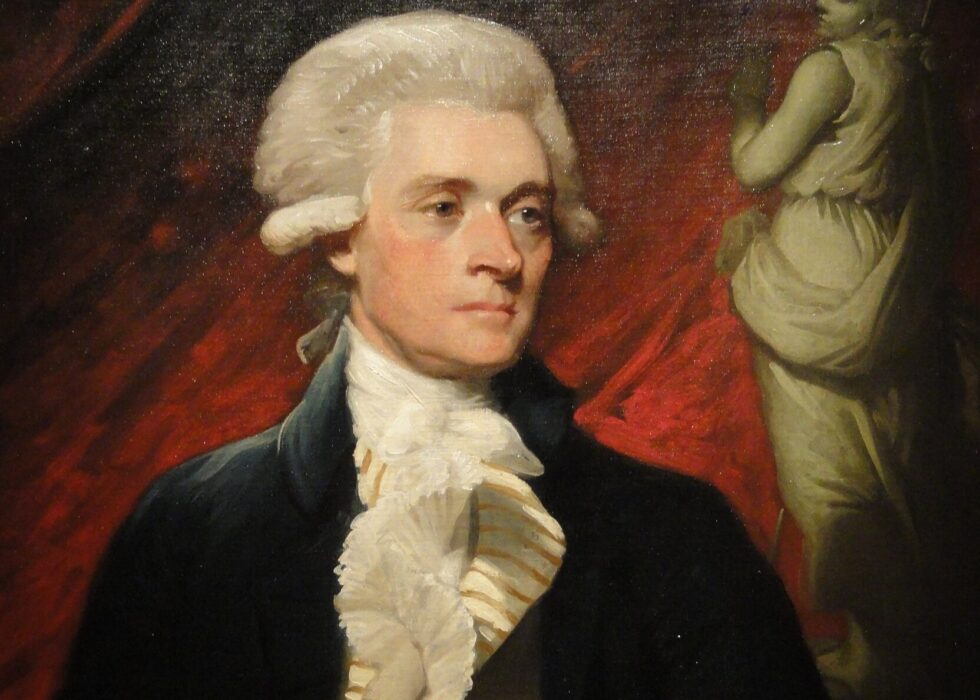
Thomas Jefferson and John Adams—once rivals, later close friends—both died on July 4, 1826, exactly 50 years after the signing of the Declaration of Independence. The odds of two major figures of the Revolution dying on the nation’s anniversary are astronomical.
According to historical accounts, both men were aware of the approaching date. Adams’ reported final words were, “Thomas Jefferson survives,” though Jefferson had passed away just hours earlier. Their intertwined deaths gave a strangely poetic symmetry to the birth of American independence.
3. The Curse of Tippecanoe: Presidents and the “Zero-Year” Pattern
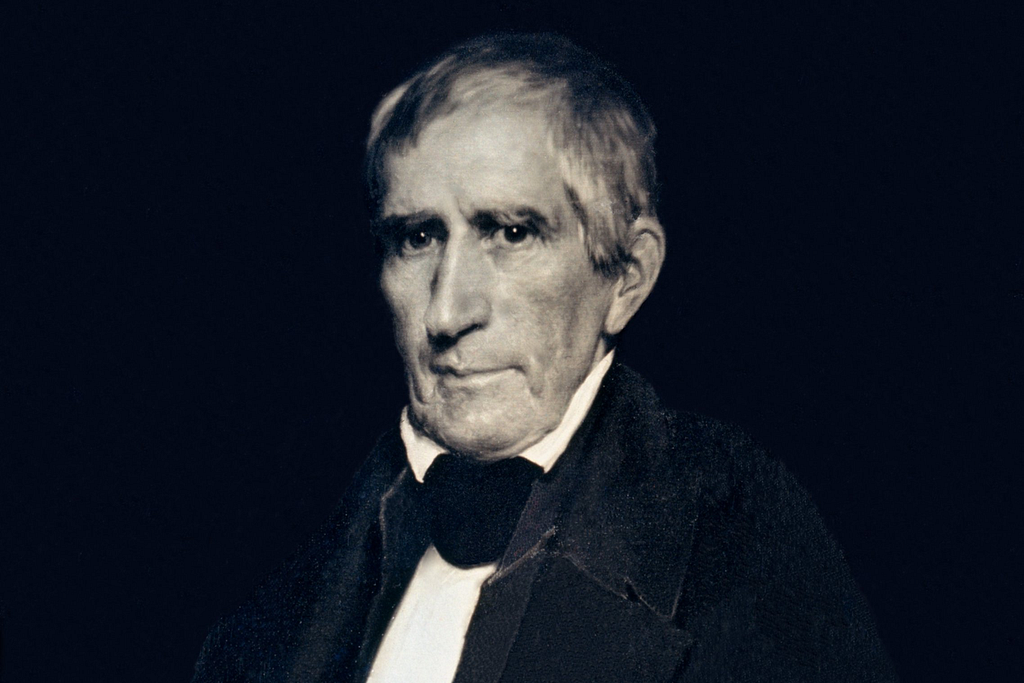
Starting with William Henry Harrison in 1840, every U.S. president elected in a year ending in “0” died in office for more than a century. The list includes Lincoln (1860), Garfield (1880), McKinley (1900), Harding (1920), Roosevelt (1940), and Kennedy (1960).
Known as “The Curse of Tippecanoe,” the superstition dates back to Harrison’s battle against Shawnee leader Tecumseh. The pattern broke when Ronald Reagan, elected in 1980, survived an assassination attempt. Historians dismiss it as coincidence, but it remains one of the most unsettling streaks in presidential history.
4. The Titanic and the Novel That Predicted It

In 1898, author Morgan Robertson wrote a novella titled Futility: The Wreck of the Titan. It described a massive, “unsinkable” ship called the Titan that struck an iceberg in the North Atlantic and sank with too few lifeboats aboard.
Fourteen years later, the real Titanic met almost the same fate under nearly identical circumstances. The similarities between fiction and reality—ship size, speed, and even the month of the disaster—are so precise that scholars still cite the story as one of literature’s most astonishing coincidences.
5. The Twins Separated at Birth Who Lived the Same Life

In 1979, researchers studying identical twins made an incredible discovery: two men, both named James, who had been separated at birth and reunited at age 39. Both had worked in law enforcement, married women named Linda and then Betty, and owned dogs named Toy.
Known as the “Jim Twins,” they became a scientific phenomenon. Psychologists at the University of Minnesota confirmed the story as part of the landmark Minnesota Twin Study, which explored how genetics and environment shape behavior. Even today, their lives remain one of the most remarkable coincidences in modern psychology.
6. Mark Twain and Halley’s Comet
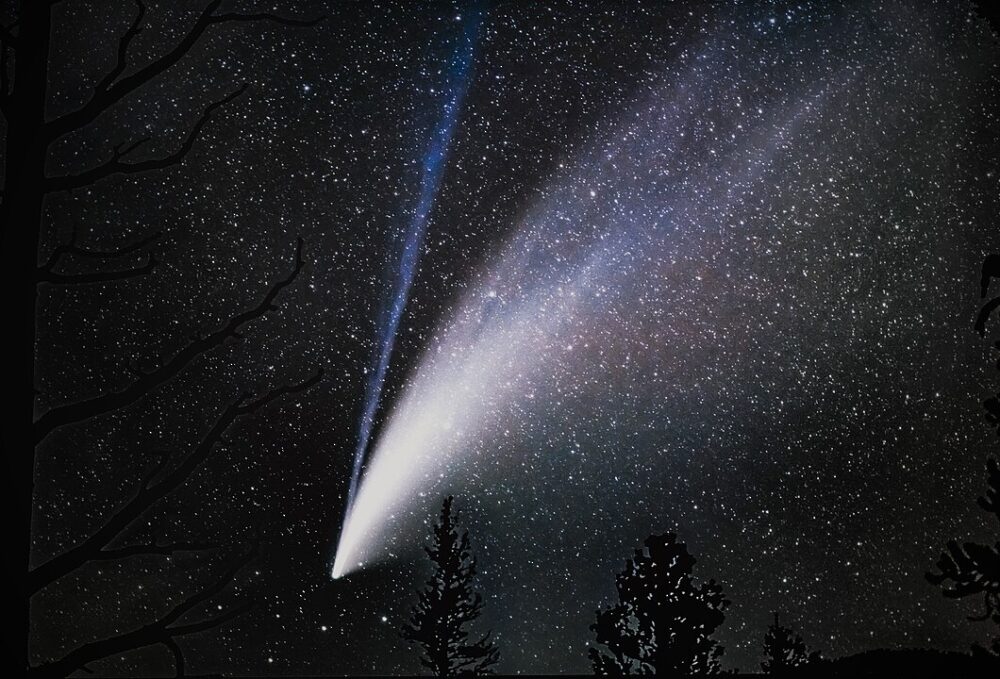
Mark Twain was born in 1835, the same year Halley’s Comet passed by Earth. Decades later, the famed author predicted, “I came in with Halley’s Comet in 1835. It is coming again next year, and I expect to go out with it.”
Incredibly, Twain’s words came true. He died on April 21, 1910—just one day after the comet’s closest approach. Astronomers later confirmed the timing, giving Twain a cosmic bookend that perfectly mirrored his poetic sense of life and fate.
7. Edgar Allan Poe’s Shipwreck Story That Came True

In 1838, Edgar Allan Poe published The Narrative of Arthur Gordon Pym of Nantucket, a story about shipwrecked sailors who drew lots and ended up killing and eating a cabin boy named Richard Parker.
Forty-six years later, in 1884, a real shipwreck occurred aboard the Mignonette. The survivors resorted to cannibalism—killing and eating their cabin boy, whose name was also Richard Parker. The eerie connection between Poe’s fiction and a real tragedy remains one of the strangest coincidences in literary history.
8. The First and Last Soldiers of World War I
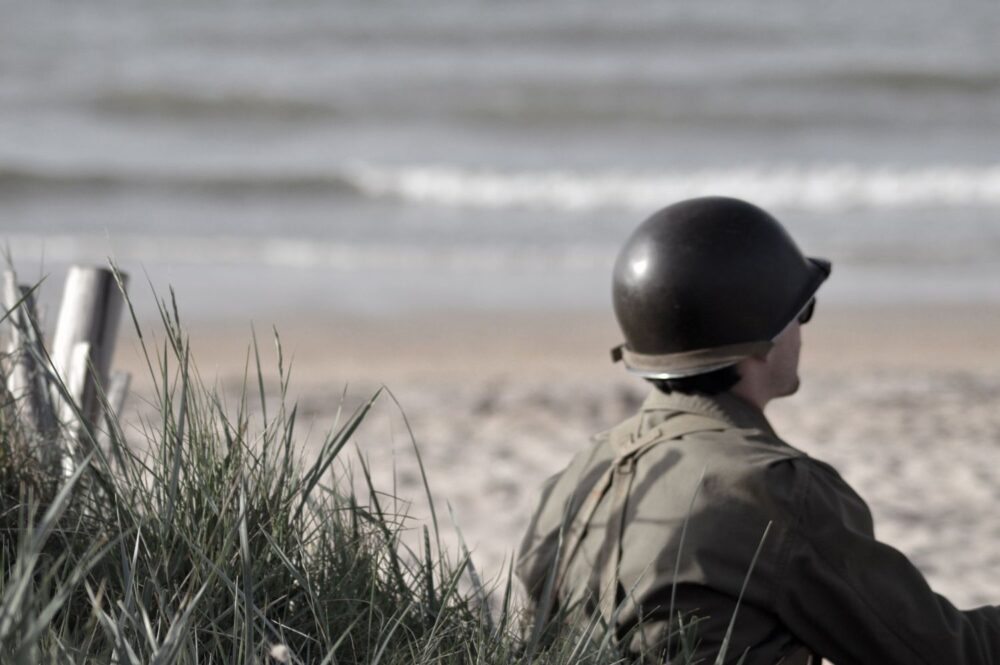
The first British soldier killed in World War I was Private John Parr, who died in August 1914. The last British soldier to die, Private George Ellison, was killed just minutes before the armistice on November 11, 1918.
By chance, both men are buried in Belgium’s St. Symphorien Cemetery—directly across from each other, separated only by a narrow road. Their graves, placed unknowingly by cemetery workers, serve as a haunting symbol of how the war ended almost exactly where it began.
9. Hoover Dam’s Tragic Father-and-Son Parallel

Hoover Dam stands as one of America’s greatest engineering feats—but its construction carried tragedy. The first worker to die was J.G. Tierney, who drowned in 1922 while surveying the Colorado River. Thirteen years later, on December 20, 1935—the very same date—his son, Patrick Tierney, fell to his death while working on the dam.
The eerie timing was verified by Bureau of Reclamation records. For many workers and historians, the strange symmetry of the Tierneys’ deaths remains one of the dam’s most haunting human stories.
10. The Bizarre Case of Henry Ziegland

In 1883, Henry Ziegland of Texas broke off a relationship with his fiancée, who then tragically took her own life. Her brother, seeking revenge, shot at Ziegland but missed. The bullet lodged in a tree nearby, and Ziegland survived.
Years later, while cutting down that same tree, Ziegland used dynamite to remove it. The explosion sent the long-forgotten bullet flying—striking and killing him instantly. While it sounds like folklore, the story has been traced back to period newspaper accounts and remains one of the strangest accidental deaths ever recorded.