
Their music once fueled protests and change—today, their messages feel more urgent than ever.
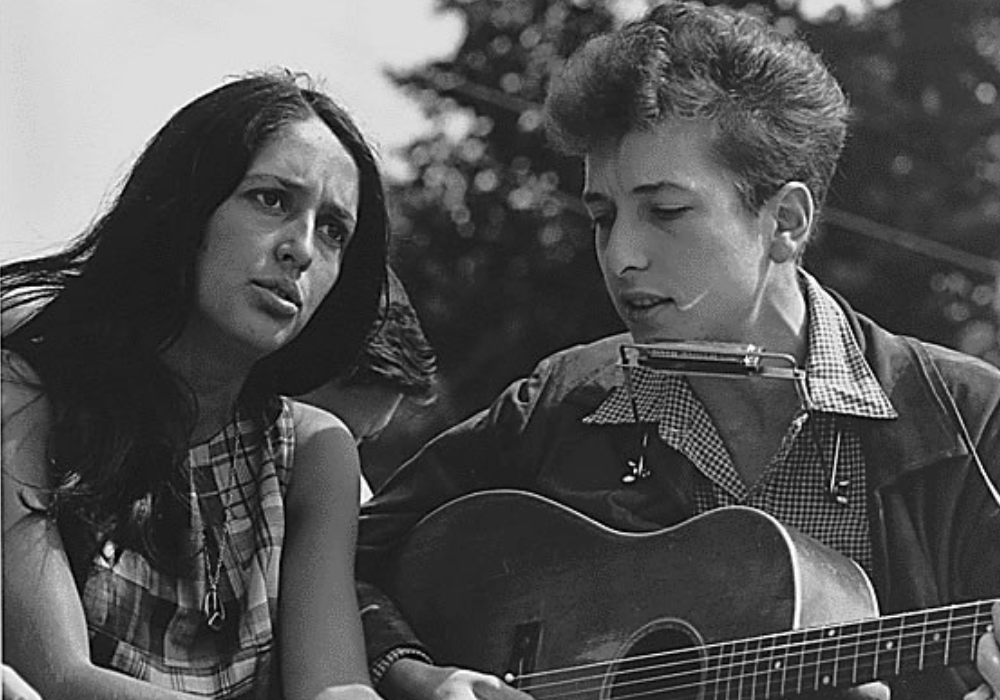
The 1960s were a turbulent decade, marked by war, civil rights struggles, and a generation demanding change. Folk singers became the voice of that era, using guitars and lyrics to challenge injustice, inspire unity, and push society forward. Figures like Bob Dylan, Joan Baez, and Phil Ochs proved that music could fuel movements and spark hope. Today, in a world again divided and unsettled, their words and melodies feel urgently needed to remind us of the power of protest and song.
1. Bob Dylan Brought Protest Songs to the Mainstream
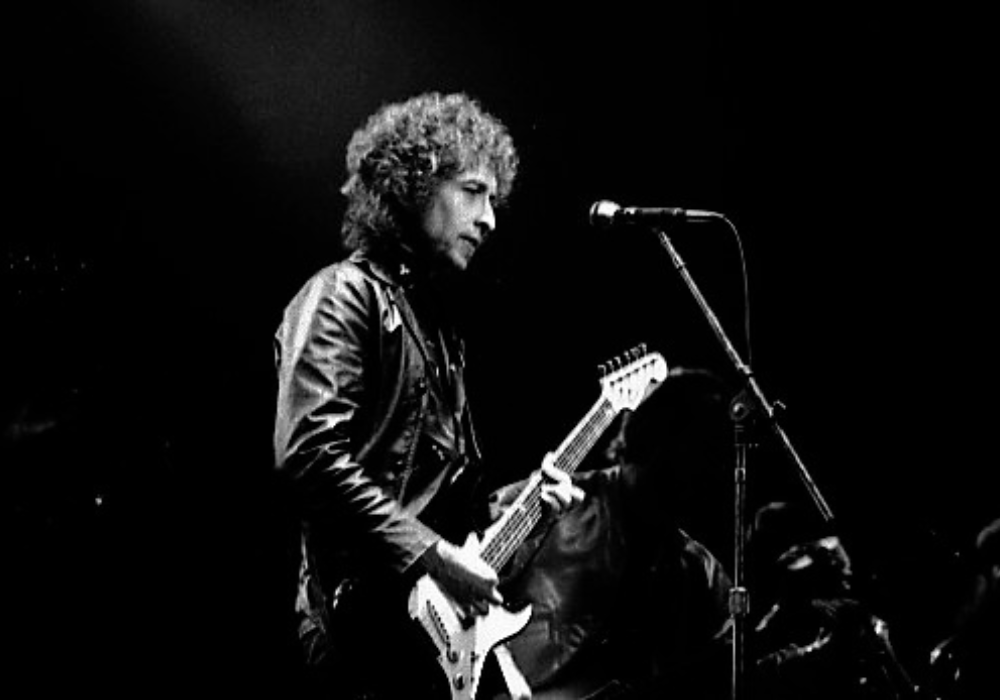
Bob Dylan rose to fame as the poet of his generation, blending folk traditions with biting social commentary. Songs like Blowin’ in the Wind and The Times They Are a-Changin’ became anthems for the civil rights and antiwar movements. His lyrics captured frustration and hope in equal measure.
Today, Dylan’s voice reminds us of the power of words set to melody. His ability to turn complex issues into unforgettable songs still resonates. In a world of political division and global crisis, his early protest work feels as urgent as ever.
2. Joan Baez Sang for Peace and Civil Rights
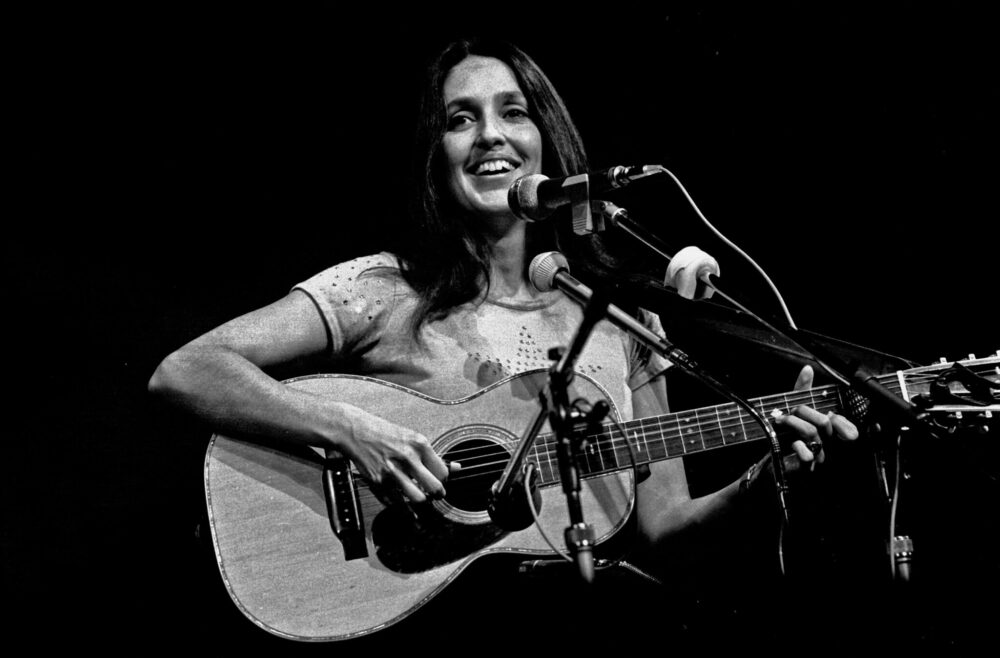
Known as the “Queen of Folk,” Joan Baez was as much an activist as a singer. She marched with Dr. Martin Luther King Jr., performed at the March on Washington, and used her soaring soprano voice to champion nonviolence and justice. Her songs carried a moral clarity that touched millions.
Baez demonstrated that music could be more than entertainment—it could be a tool for change. Her calls for peace in the 1960s still echo in today’s conflicts, offering a reminder that compassion and courage can cut through even the harshest divisions.
3. Phil Ochs Took Aim at Injustice With Sharp Wit
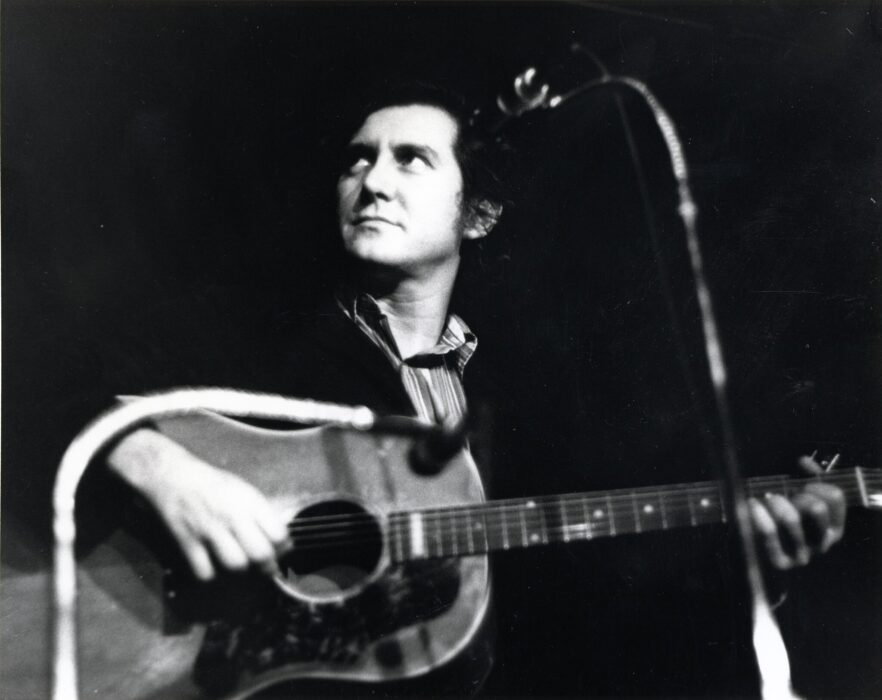
Phil Ochs wrote with fire and precision, penning songs that exposed the cruelties of war, inequality, and corruption. His pieces like I Ain’t Marching Anymore and Draft Dodger Rag became rallying cries for the antiwar movement. Ochs used satire and wit to deliver truths that were impossible to ignore.
Though his career was cut short, his influence remains powerful. Ochs’s ability to turn outrage into sharp, unforgettable songs shows how music can hold leaders accountable. In today’s polarized climate, his fearless honesty would be more than welcome.
4. Pete Seeger Championed People Power
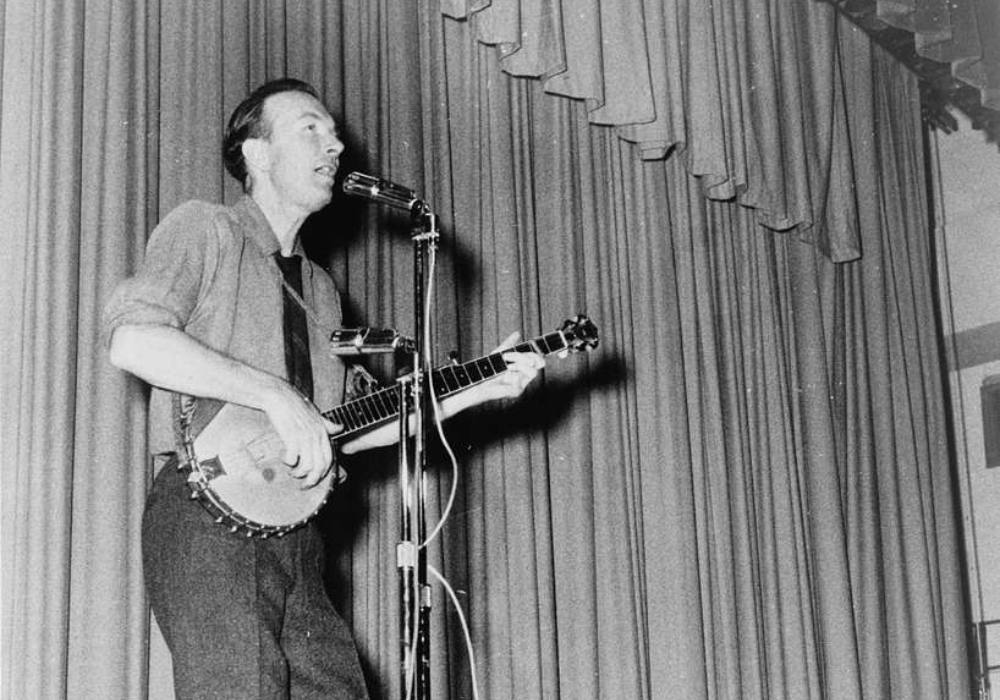
Pete Seeger had been singing protest songs long before the 1960s, but that decade cemented his role as a cultural leader. With songs like Where Have All the Flowers Gone? and If I Had a Hammer, he encouraged ordinary people to find their voices and take action.
Seeger’s banjo and optimism carried him to civil rights rallies, labor strikes, and antiwar marches. His belief that music could build community is timeless. In an era searching for unity, Seeger’s spirit of people-powered activism remains a guide.
5. Odetta Inspired Generations With Her Voice
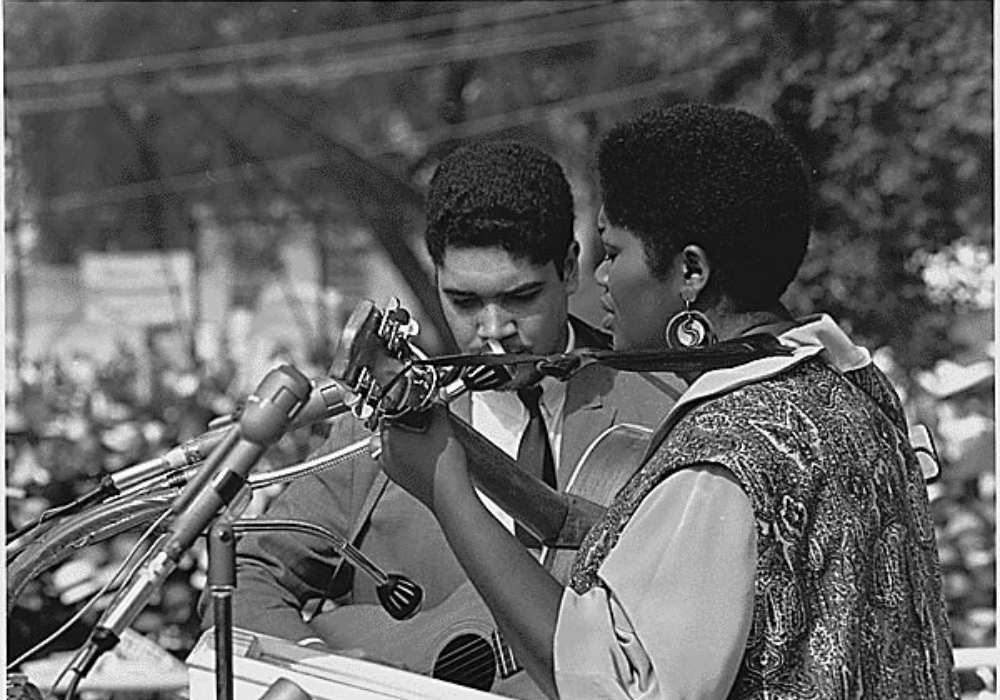
Odetta, often called the “Voice of the Civil Rights Movement,” brought power and depth to folk, blues, and gospel traditions. Her commanding performances of songs like Oh Freedom and This Little Light of Mine gave strength to marchers demanding justice.
Dr. King once described Odetta as the singer who expressed the meaning of the movement better than anyone. Her presence on stage was more than music—it was a declaration of dignity. Today, her blend of artistry and activism is a reminder of how culture can shape history.
6. Richie Havens Opened Woodstock With a Call for Freedom
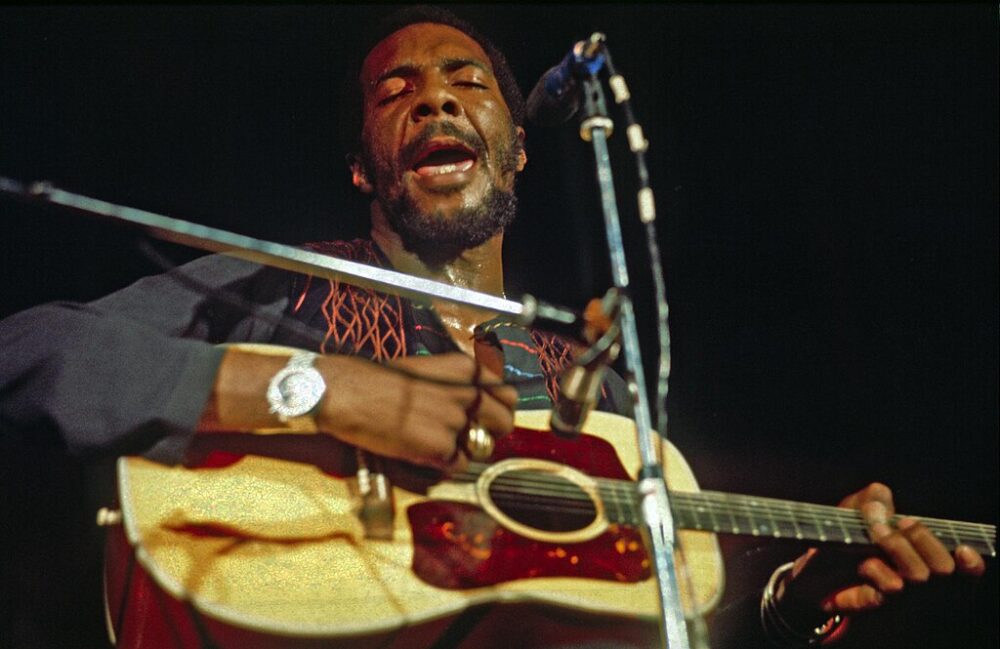
Richie Havens gained worldwide recognition when he opened Woodstock in 1969 with an improvised performance of Freedom. His mix of folk, soul, and blues carried a message of liberation that resonated with audiences far beyond the festival.
Havens’s music always reflected his commitment to social issues, from racial equality to peace. His raw, emotional delivery gave authenticity to every lyric. In moments when the world feels fractured, Havens’s call for freedom feels timeless and essential.
7. Buffy Sainte-Marie Fought for Indigenous Rights
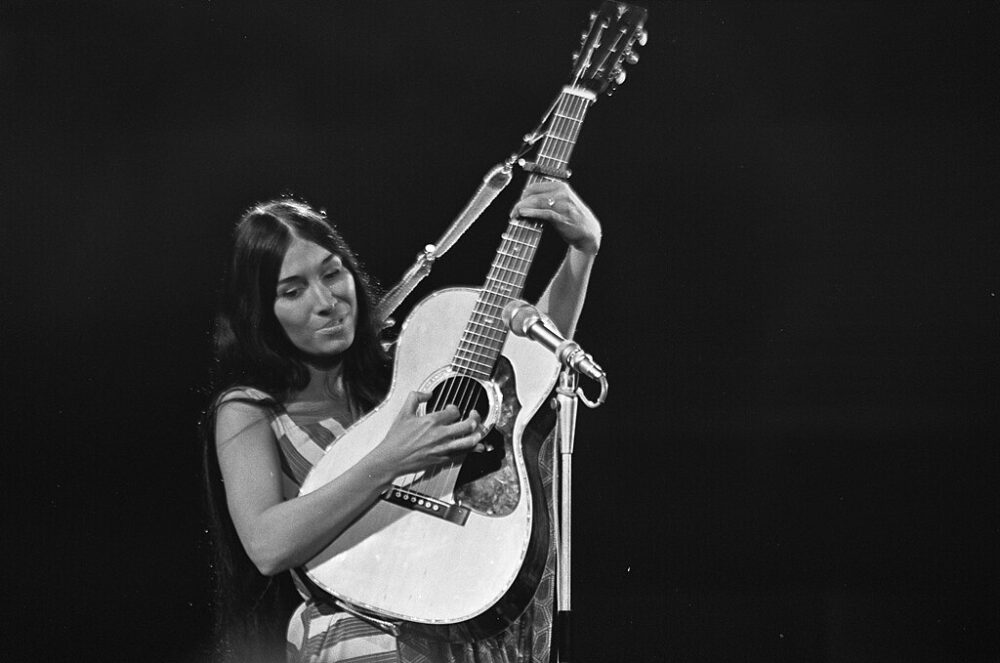
Buffy Sainte-Marie, a Cree singer-songwriter, broke barriers as one of the first Indigenous voices in mainstream folk. Her songs like Universal Soldier condemned war, while others highlighted the struggles of Native communities long ignored by the public.
Her activism extended far beyond the stage—she worked in education, technology, and advocacy to amplify Indigenous issues. In today’s discussions of justice and equity, Sainte-Marie’s trailblazing career is a reminder that marginalized voices must be heard. Her music remains a powerful call for recognition and respect.
8. Arlo Guthrie Carried On a Family Legacy
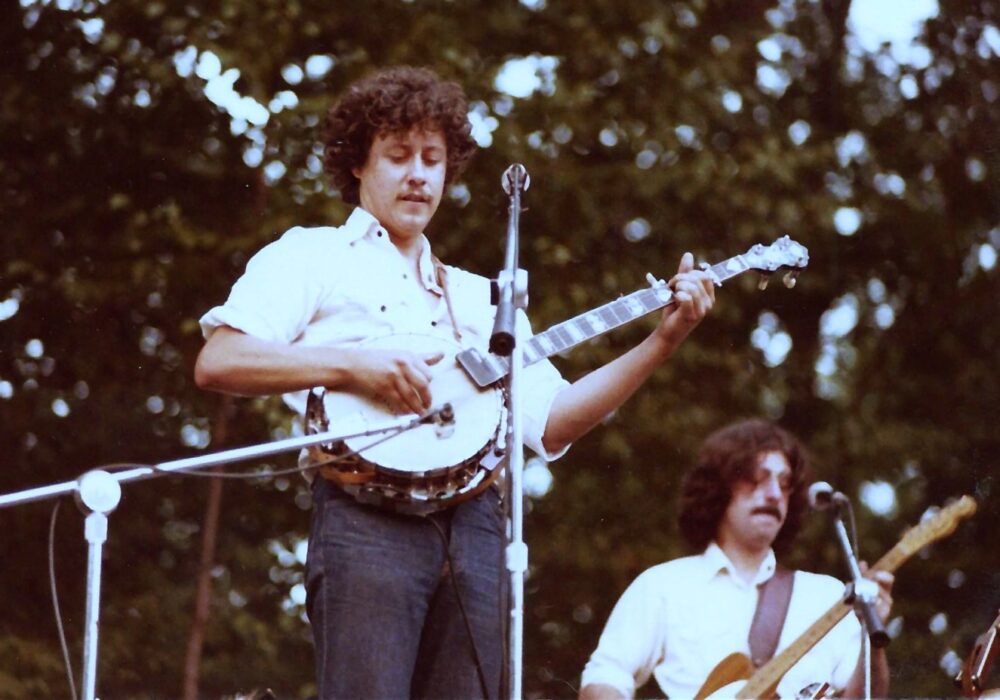
As the son of folk legend Woody Guthrie, Arlo Guthrie inherited a tradition of protest music. His satirical Alice’s Restaurant Massacree skewered bureaucracy and became a Thanksgiving tradition, while his performances of his father’s songs kept themes of justice and fairness alive.
Arlo Guthrie blended humor with heartfelt conviction, proving that protest songs didn’t have to be solemn to be effective. In times when cynicism runs high, his ability to inspire with wit and warmth shows how laughter and music can still fuel change.
9. Tom Paxton Wrote Anthems for Ordinary People
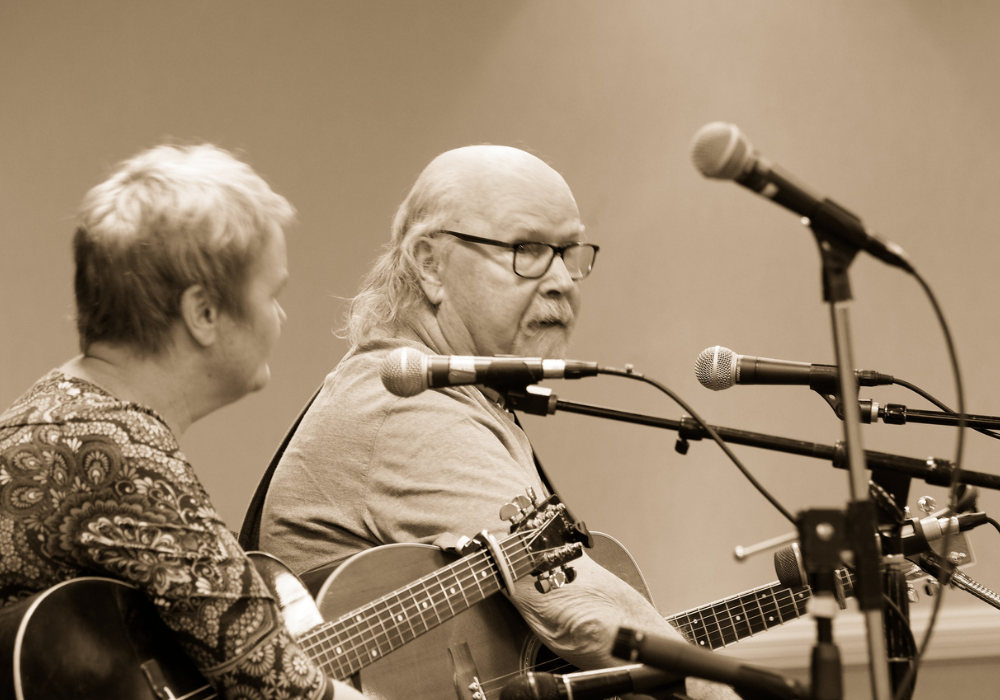
Tom Paxton wrote folk songs that resonated with everyday struggles. His pieces like What Did You Learn in School Today? and The Last Thing on My Mind questioned authority and encouraged people to think critically about the world around them.
Paxton’s songwriting balanced tenderness with protest, making his music accessible to audiences across generations. His work reminds us that activism is not always about grand gestures—it can also be about giving voice to the quiet frustrations and hopes of ordinary people.
10. Judy Collins Blended Artistry With Activism
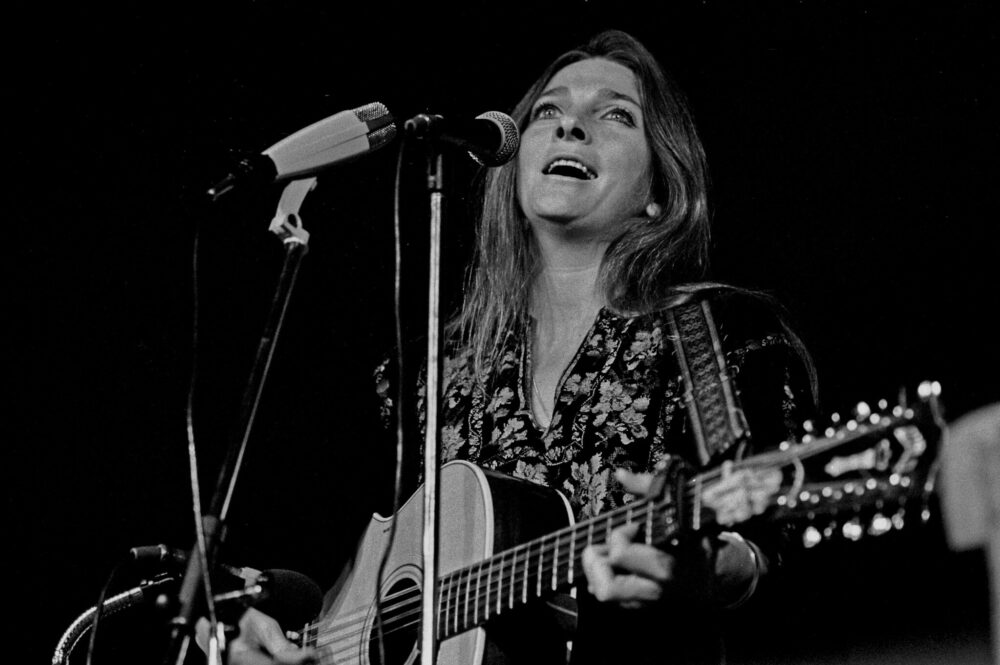
Judy Collins combined her crystalline voice with a strong commitment to social issues. She popularized protest songs by other writers, including Dylan and Paxton, while also using her platform to speak out for civil rights, peace, and women’s equality.
Her influence reached both folk audiences and mainstream listeners, expanding the reach of activist music. Collins’s work demonstrates the enduring power of artists who refuse to separate their craft from their convictions. Her legacy continues to encourage blending beauty with a fight for justice.