
Veterinarians warn that extreme breeding has left some beloved dogs struggling for air every day.

When we think about breathing, it feels automatic. For many popular dog breeds, it is anything but. Veterinarians have long warned that extreme breeding for short snouts and flat faces can leave dogs struggling to get enough air during normal activities like sleeping, playing, or even resting on the couch.
New research and clinical data are sharpening that warning. Some of the most recognizable and beloved breeds are also the ones with the highest risk of chronic breathing problems, heat stress, and reduced quality of life. Understanding which dogs struggle most helps owners spot trouble early and rethink what “cute” really costs.
1. Why breathing is harder for some dogs than others

Dogs are built to cool themselves and regulate oxygen through panting, not sweating. When the structure of the nose, throat, and airway is shortened or compressed, airflow becomes restricted. Every breath takes more effort than it should.
Over time, that strain adds up. Narrow nostrils, elongated soft palates, and crowded airways force dogs to work harder just to move air in and out. What looks like snoring or snorting can actually be a sign of constant respiratory stress.
2. The flat face problem has a medical name

Veterinarians call this condition brachycephalic obstructive airway syndrome. It affects dogs bred with short skulls and pushed in faces. The problem is not cosmetic. It is anatomical.
These dogs often have smaller nasal passages, excess tissue in the throat, and airways that collapse more easily. Even mild exertion can trigger labored breathing. In severe cases, surgery is needed just to allow the dog to breathe more normally.
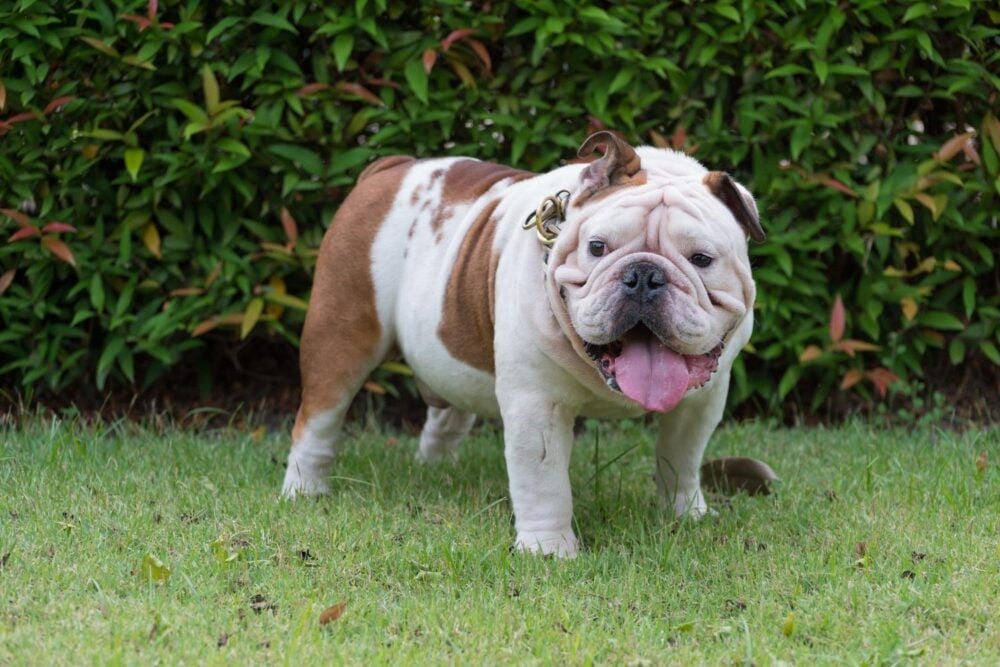
3. Bulldogs are among the most affected

English Bulldogs consistently rank among the breeds with the worst breathing scores. Their extremely short snouts leave little room for healthy airflow.
Many Bulldogs struggle with exercise intolerance, overheating, and sleep disruptions. Even basic activities like walking on a warm day can become dangerous. Owners often assume this is normal for the breed, but veterinarians say it is a sign of chronic respiratory compromise.
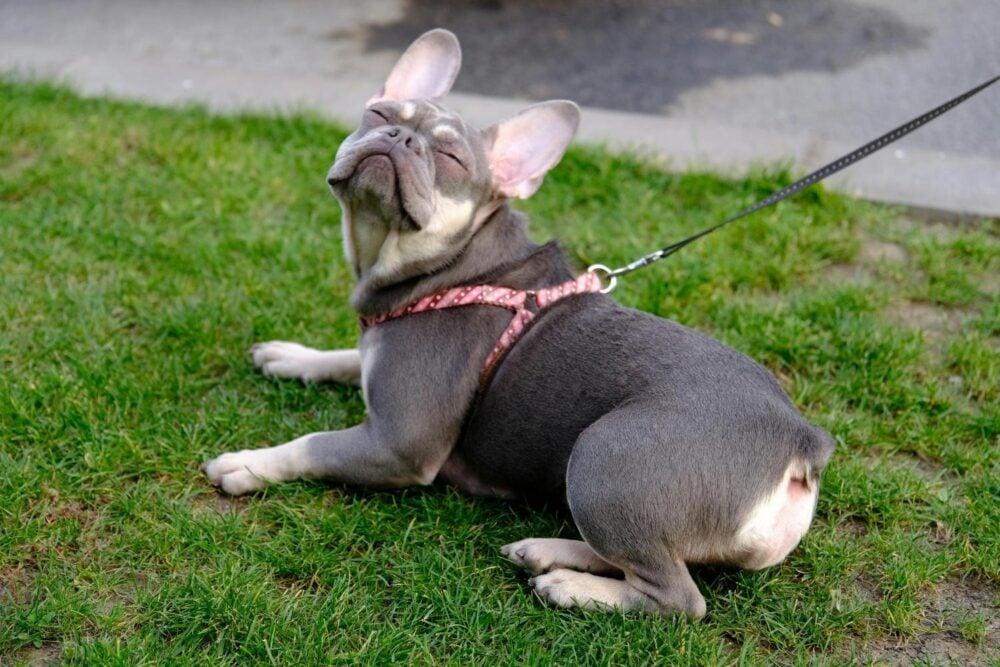
4. French Bulldogs face similar risks

French Bulldogs have surged in popularity, but their breathing issues closely mirror those of English Bulldogs. Their compact skulls crowd the airway from multiple angles.
Because they are smaller, people sometimes underestimate the severity of their breathing problems. In reality, French Bulldogs are among the most frequent patients for airway surgery and heat related emergencies.
5. Pugs struggle despite their playful reputation

Pugs are known for their expressive faces and charming personalities. Unfortunately, those same facial features contribute to serious breathing challenges.
Many Pugs have severely narrowed nostrils and elongated soft palates that block airflow. Snoring, gagging, and loud breathing are common, but they are not harmless quirks. They indicate ongoing airway obstruction that affects daily comfort.
6. Boston Terriers also face breathing limits

Boston Terriers are often seen as healthier than other flat faced breeds, but they are still at elevated risk. Their shorter snouts reduce airflow efficiency, especially during exertion.
While some individuals fare better than others, many experience difficulty cooling down and recovering after play. Owners should watch for rapid breathing, tongue discoloration, and fatigue as warning signs.
7. Heat makes everything worse
Dogs with compromised airways struggle the most in warm weather. Panting becomes less effective when airflow is limited, raising the risk of heat exhaustion.
Even moderate temperatures can be dangerous for brachycephalic breeds. Short walks, shaded areas, and strict limits on exertion are essential. Heat related breathing crises are a common reason these dogs end up in emergency clinics.
8. Breathing problems affect sleep and recovery

Many affected dogs also struggle when sleeping. Collapsing airways can cause snoring, choking sounds, and repeated waking throughout the night.
Poor sleep means less recovery for the body. Over time, chronic oxygen deprivation can contribute to heart strain and reduced stamina. What seems like harmless noise is often a sign the dog never fully relaxes.
9. Exercise intolerance is an early warning sign
Dogs that tire quickly, sit down during walks, or refuse to play may be protecting themselves. These behaviors often appear long before owners realize breathing is the issue.
Veterinarians emphasize that reluctance to exercise is not laziness. It is frequently a survival response to limited oxygen intake. Paying attention early can prevent more serious complications later.
10. Breeding choices play a major role
The root of the problem lies in selective breeding that prioritizes appearance over function. Shorter faces and exaggerated features have been rewarded for decades.
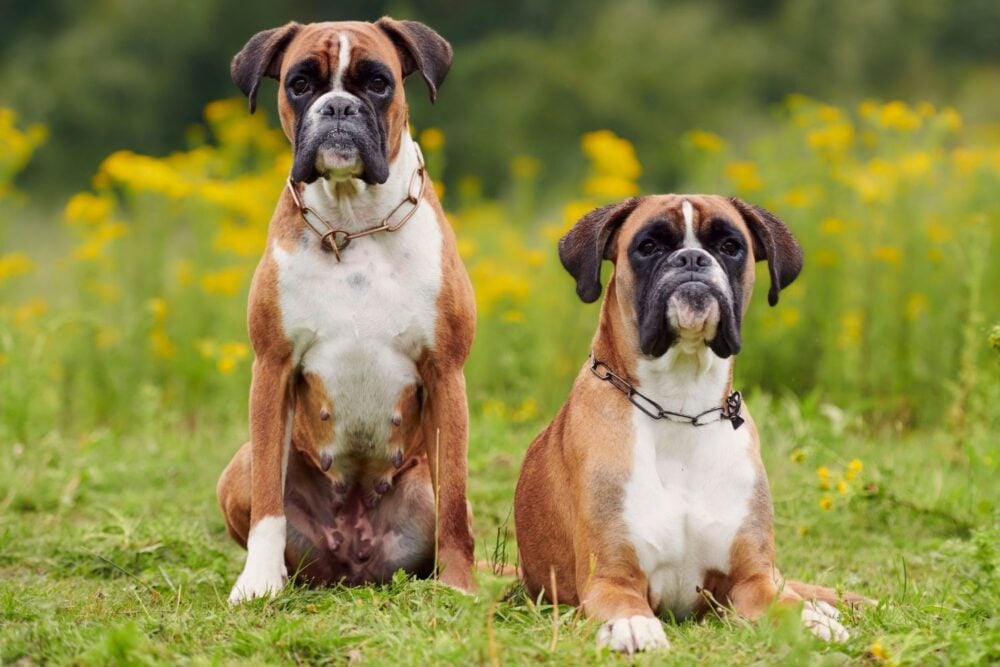
Some breeders are now working to reverse this trend by selecting dogs with slightly longer snouts and better airway function. Small changes can dramatically improve breathing and overall health over generations.
11. What owners can do right now
If you own a high risk breed, monitoring breathing is critical. Loud breathing, frequent gagging, blue tinged gums, or collapse require immediate veterinary attention.
Long term, choosing healthier breeding standards and supporting responsible breeders can reduce suffering. The takeaway is not to shame owners, but to recognize that breathing should never be a luxury. For dogs, it should be effortless, not a daily struggle.