
The ultra-simple solar tech powering European homes could soon challenge how Americans use energy.
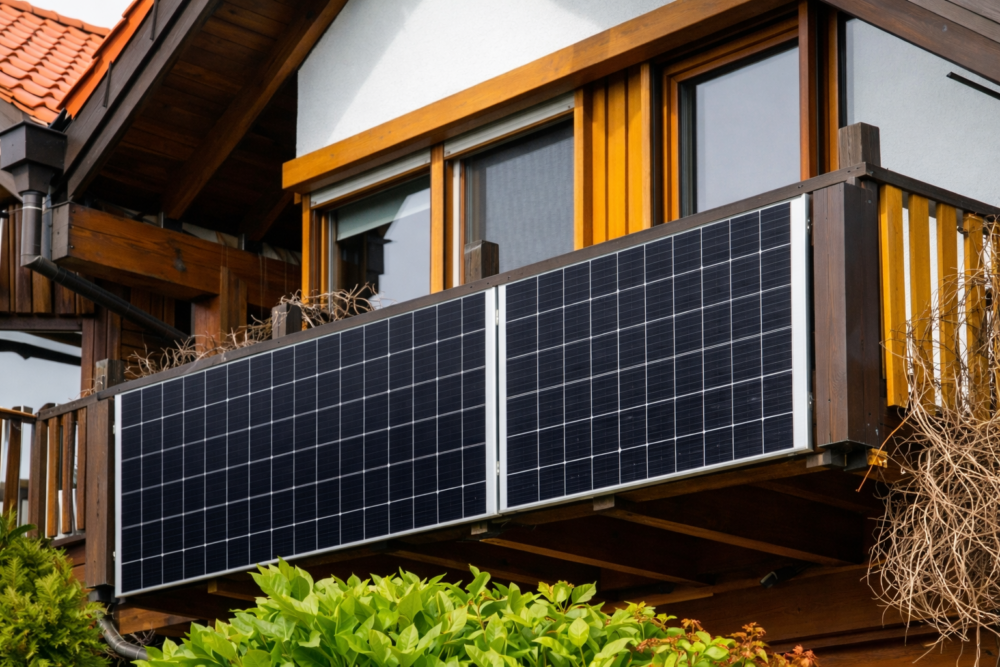
Plug in solar panels are everywhere in parts of Europe, especially Germany, because renters can mount a small panel, connect a microinverter, and feed power into an outlet to offset daytime use. Now New England lawmakers are looking at similar rules for small, portable systems as power prices stay high.
Bills in states like Maine, Vermont, New Hampshire, Massachusetts, and Rhode Island aim to cut red tape while keeping safety standards in place. If they pass, balcony style solar could become a low cost entry point for people who cannot put panels on a roof and want to start without a big contract or installer visit.
1. Europe made solar feel like an appliance
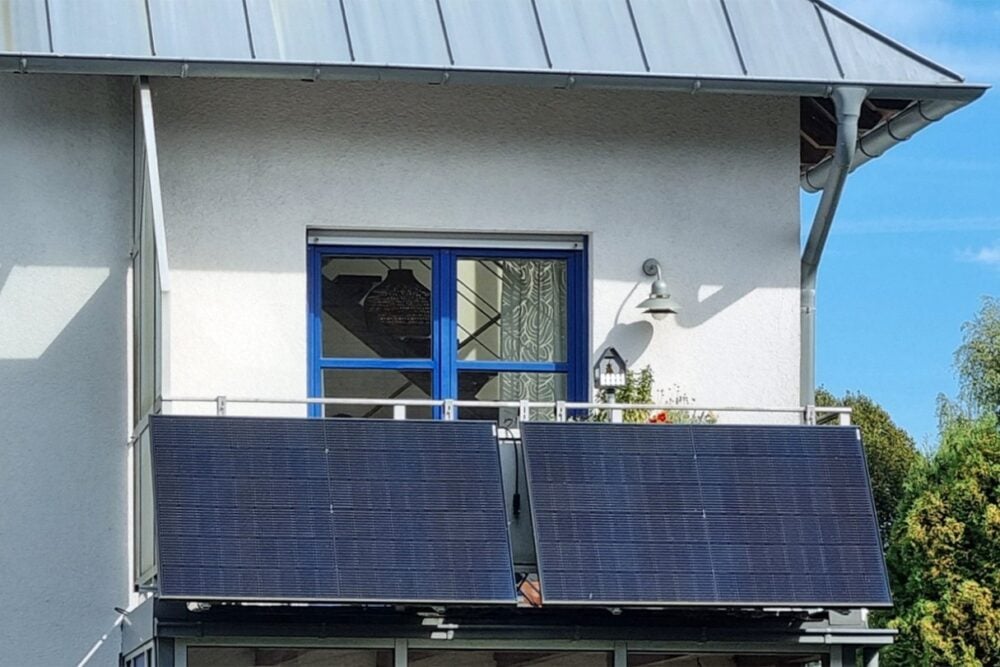
In many European cities, solar is not just for homeowners with perfect roofs. People hang a panel on a balcony railing, connect it to a small microinverter, and plug it in to help cover daytime electricity use. It is simple enough that adoption spread quickly once the rules were clear.
Germany became the clearest example, with strict limits designed to keep the setup small and predictable. The result is a kind of starter solar that renters can actually use, rather than just read about, and that familiarity has helped normalize solar in everyday life.
2. What plug in solar actually does in your home
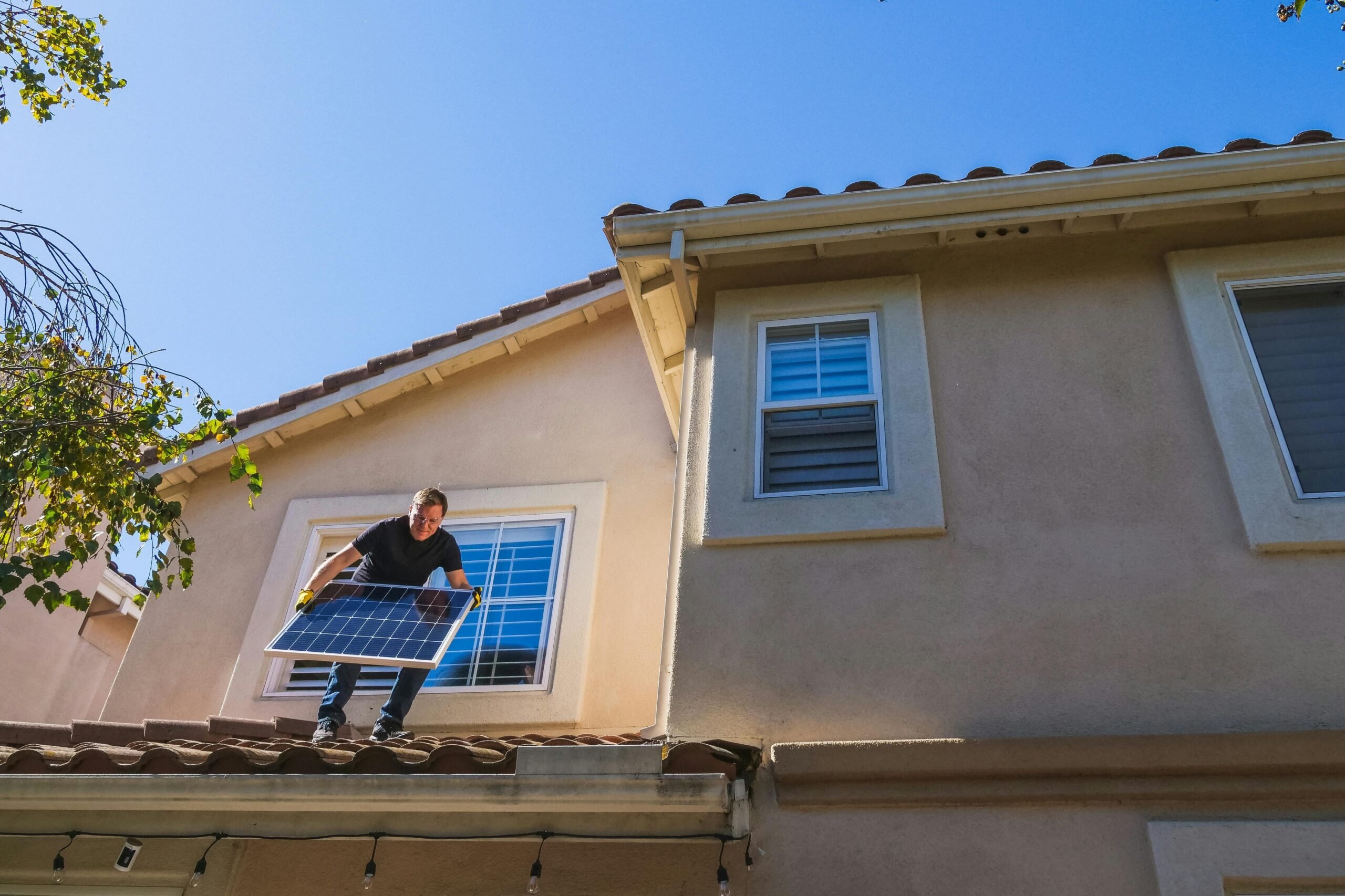
This surprises many people. The outlet is not powering the panel. The panel is sending power into your home’s wiring, and your appliances draw that solar electricity first if they are running at the same time.
If your solar kit is producing 300 watts at noon and your fridge and router are using 200 watts, that grid draw drops. If you are not using much power, extra electricity can move elsewhere on the circuit. That is why safety rules, limits, and certified equipment matter so much.
3. New England lawmakers are paying attention

The pitch is straightforward. Rooftop solar works well, but it is out of reach for many renters and people with shaded or shared roofs. Plug in systems could expand access, especially in older, denser New England housing where porches and balconies are common.
That is why multiple states in the region have introduced or discussed bills. Vermont, in particular, has moved quickly, prompting neighboring states to watch closely as lawmakers test whether Europe’s model can fit U.S. utility rules.
4. Vermont’s bill shows how fast this could move

Vermont’s Senate has passed legislation aimed at making plug in solar devices easier to use, including reducing or removing the need for traditional interconnection agreements for very small systems. That matters because interconnection paperwork can be costly and slow.
Other states are paying attention because Vermont often acts as a policy testing ground. If a clear and workable safety framework succeeds there, it can become a template that nearby states adapt with relatively small changes.
5. The real debate is about safety
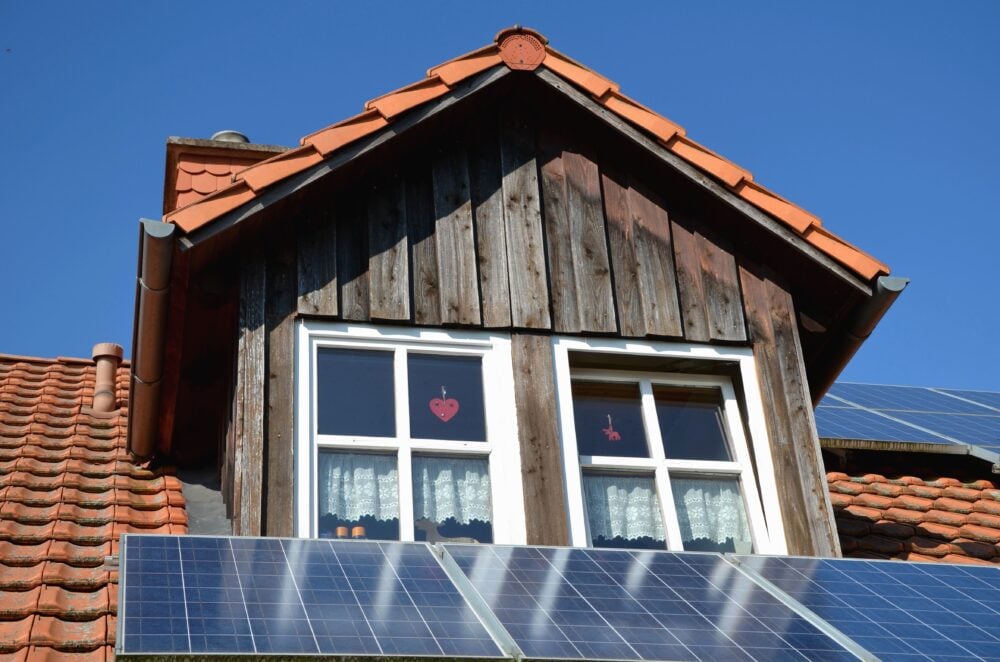
Any device that sends electricity into home wiring raises legitimate concerns. Utilities worry about lineworker safety and situations where a circuit stays energized when it should shut down. Fire officials worry about backfeeding through outlets not designed for that purpose.
That is why most proposals focus on limits and standards rather than wide open approval. The goal is not to allow anything. It is to allow small, certified devices that shut off properly and behave predictably under normal and abnormal conditions.
6. Standards quietly control what is possible
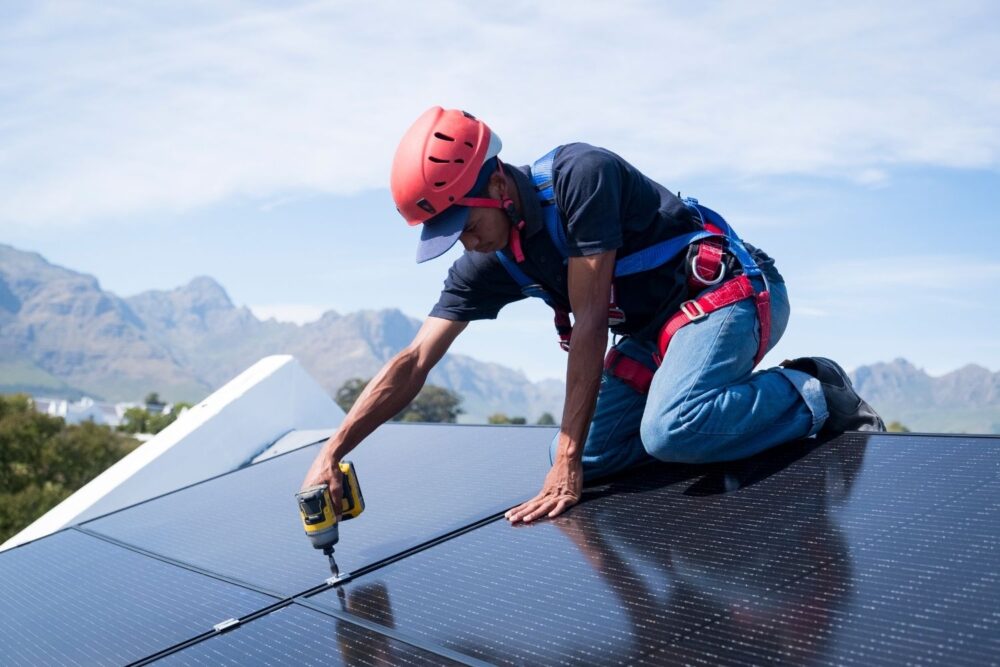
In the United States, products usually need to meet recognized safety standards before regulators feel comfortable approving them. For plug in solar, that means certified inverters, defined watt limits, and behavior that aligns with modern electrical codes.
Policy groups and regulators are trying to avoid reinventing the wheel. The consistent theme is modest power levels, tested equipment, and rules simple enough that ordinary people can follow without hiring an electrician.
7. Utilities are still adjusting to the idea

Most utility solar rules were written for rooftop systems installed by professionals, complete with permits and inspections. Plug in solar challenges that model because it is small, portable, and designed for renters.
That mismatch explains why lawmakers often carve out narrow exemptions for very small systems. It also explains why utilities are cautious. Even small changes can affect grid management, billing, and safety procedures if not clearly defined.
8. Will it work during a New England winter
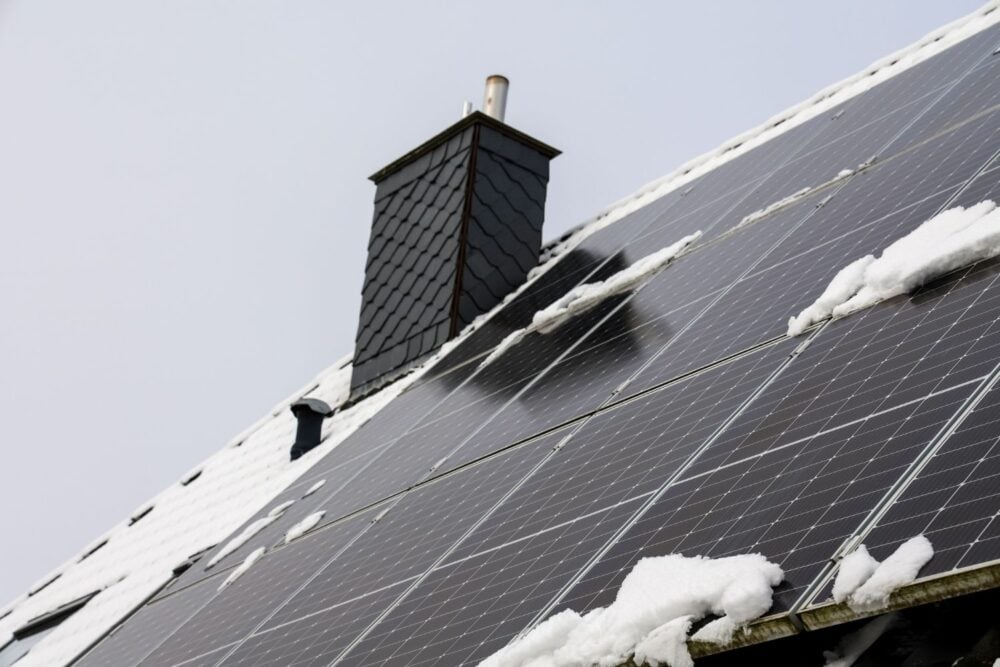
Yes, but expectations matter. Short days, snow cover, and low sun angles reduce output. On the other hand, solar panels can perform efficiently in cold temperatures, and clear winter days can still produce meaningful electricity.
The realistic promise is not powering your entire home. It is shaving a bit off daytime electricity use, especially if you time energy use for daylight hours, such as running a home office, kitchen appliances, or other steady loads.
9. Renters are the real audience
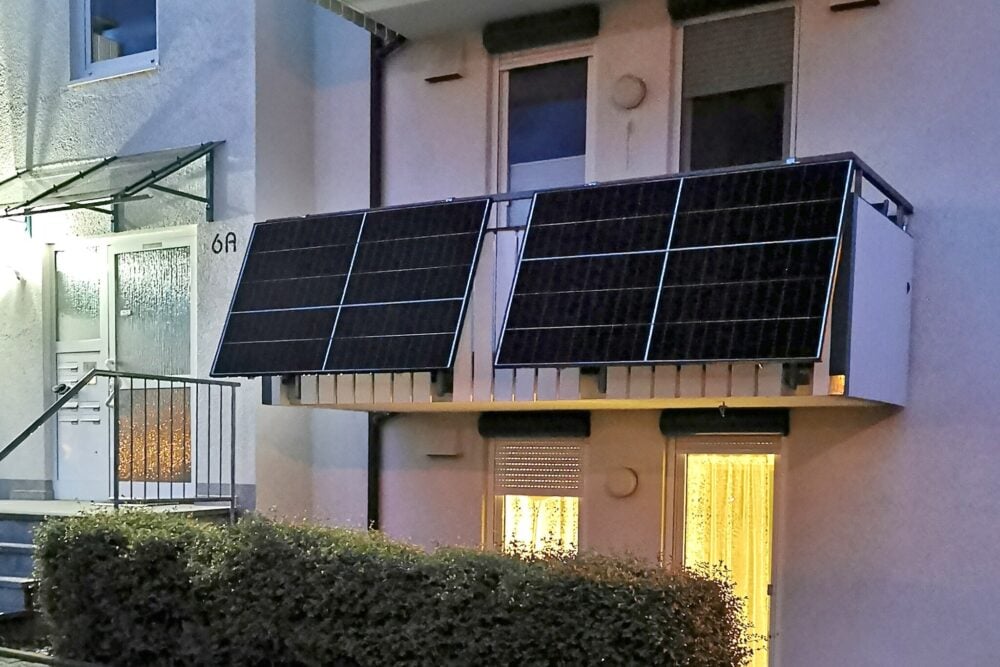
Traditional solar mostly benefits homeowners who plan to stay put. Plug in solar could finally offer renters something practical. Panels can be mounted on balconies or patios, taken down easily, and moved to the next apartment.
That portability is why advocates see this as a breakthrough for energy access. It is also why the idea has political appeal. Lower bills, more choice, and fewer barriers resonate with people who have long been locked out of rooftop solar.
10. What rollout in New England would likely look like

If these bills pass, the first phase will probably be cautious. Expect clear watt caps, required certifications, and possibly limits on where and how systems can plug in. Some states may start with pilot programs before expanding.
There will also be a delay between legal approval and widespread availability. Manufacturers need stable rules before selling products at scale, and retailers want assurance that inspectors and utilities will accept the systems without confusion.
11. The smartest way to follow this story
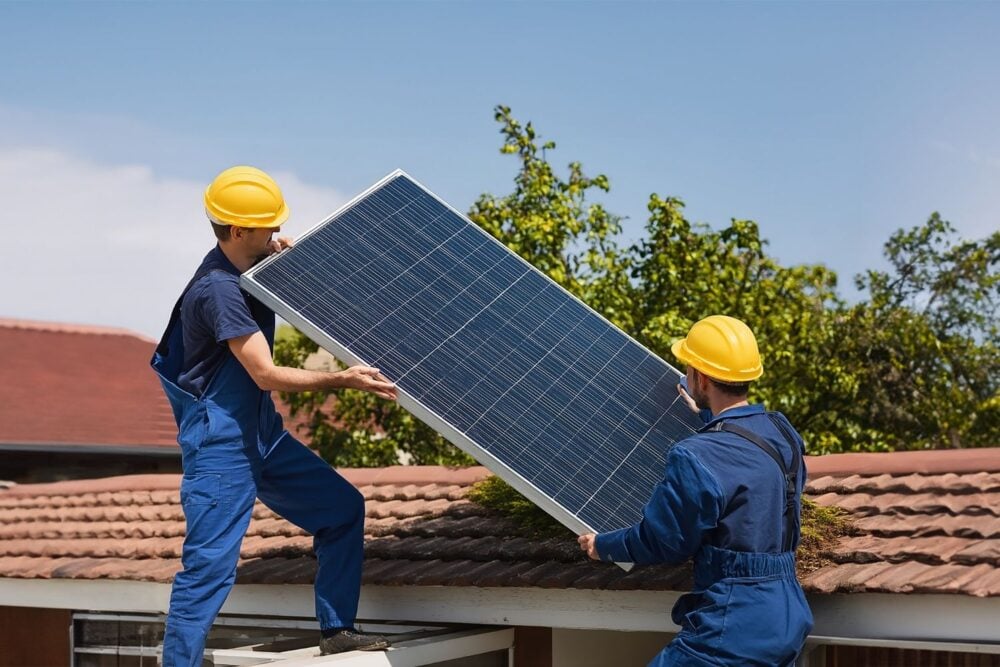
If you live in New England, the most useful step is to track your state’s actual rules, not just headlines. Look for specifics like watt limits, certification requirements, and whether any paperwork is required.
If you are tempted to try a plug in setup now, caution is wise. A safe and legal pathway depends on certified equipment and approved connection methods. In this case, almost the same is not good enough, and waiting for clear rules may be the safest move.